

Janssen Announces Health Canada Approval of INVOKANA® (canagliflozin) to Reduce Kidney and Cardiovascular Risks in Adults with Type 2 Diabetes and Diabetic Kidney Disease
Jan 30, 2020 09:46
CST Updated
09:46

Johnson & Johnson
Healthcare Product Manufacturers, Health Service Providers

Health Canada
Health Canada

January 29, 2020 News /BioValleyBIOON/ -- Janssen Pharmaceuticals, a subsidiary of Johnson & Johnson (JNJ), recently announced that Health Canada has approved a new indication for the antidiabetic drug Invokana® (canagliflozin): as an adjunct to diet, exercise, and standard care for patients with type 2Diabetes(T2D) andDiabetesIn adult patients with diabetic nephropathy (DN; also known as diabetic kidney disease, DKD) and albuminuria (>33.9 mg/mmol), it reduces the risk of end-stage kidney disease (ESKD), a doubling of serum creatinine, and cardiovascular (CV) death. This approval makes Invokana the only medication approved in Canada for this patient population.DiabetesDrug.
In the United States,FDAInvokana Approved in September 2019: To reduce the risk of ESKD, worsening kidney function, CV death, and hospitalization for heart failure in adult patients with T2D and DKD who have a certain amount of protein in their urine. With this approval, Invokana is the first treatment indicated to reduce the risk of hospitalization for heart failure in patients with both T2D and DKD.DiabetesThis drug is also the first new medication approved in the past 20 years to slow the progression of diabetic kidney disease (DKD) in this patient population.
Type 2 diabetes is the leading cause of kidney disease and the fifth fastest-growing cause of death worldwide. In Canada, one in every two patients with type 2 diabetes (T2D) will show signs of kidney damage during their lifetime. Diabetic kidney disease (DKD) is progressive and, if left untreated, can lead to dialysis and kidney transplantation. Furthermore, patients with DKD are at increased risk for heart disease andStrokehigh-risk population.
This approval is based on data from CREDENCE, a landmark Phase 3 clinical trial evaluating the renal outcomes of Invokana, which remains the only completed renal outcomes study in diabetes medicine. In July 2018, Johnson & Johnson decided to terminate the CREDENCE trial early, following the recommendation of the Independent Data Monitoring Committee (IDMC), due to particularly significant efficacy.
CREDENCE was the first rigorously designed renal outcomes study conducted in patients with type 2 diabetes (T2D) and diabetic kidney disease (DKD) receiving standard-of-care background therapy, including angiotensin-converting enzyme (ACE) inhibitors and angiotensin II receptor blockers (ARBs). This randomized, double-blind, placebo-controlled, parallel-group, multicenter clinical trial enrolled 4,401 patients with T2D and chronic kidney disease (CKD) to evaluate the efficacy and safety of canagliflozin versus placebo in preventing clinically important renal and cardiovascular (CV) outcomes. Eligible patients had an estimated glomerular filtration rate (eGFR) ≥30 and <90 mL/min/1.73 m² and albuminuria (urine albumin-to-creatinine ratio >300 mg/g and ≤5,000 mg/g). All patients were required to have been treated with the maximum labeled or tolerated dose of an ACE inhibitor or ARB for at least 4 weeks prior to randomization.
The IDMC reviewed the data from the pre-specified interim analysis, which demonstrated that Invokana 100 mg plus standard of care reduced the risk of the primary composite endpoint (end-stage kidney disease [ESKD], doubling of serum creatinine, or renal or cardiovascular death) by 30% compared with placebo plus standard of care. Furthermore, the results indicated that Invokana reduced the risk of secondary cardiovascular endpoints, including a 31% reduction in the risk of cardiovascular death or hospitalization for heart failure, a 20% reduction in the risk of major adverse cardiovascular events (MACE: cardiovascular death, non-fatal myocardial infarction, non-fatal stroke), and a 39% reduction in the risk of hospitalization for heart failure. In this study, the incidence of adverse events and serious adverse events was numerically lower in the Invokana treatment group than in the placebo group, although overall similar. The incidence of diabetic ketoacidosis and genital fungal infections was numerically higher in the Invokana treatment group than in the other groups.Clinical Trial. Importantly, there was no imbalance in lower limb amputations or fractures in the study, and no new safety signals were identified.
Adeera Levin, Professor of Medicine at the University of British Columbia in Canada and the Canadian National Principal Investigator for the CREDENCE study, stated, “Given the increasing prevalence of diabetic kidney disease among patients with type 2 diabetes, the approval of this new indication for Invokana represents a significant advance. Physicians can now offer patients a treatment option that reduces cardiovascular and renal risks associated with diabetic kidney disease.”
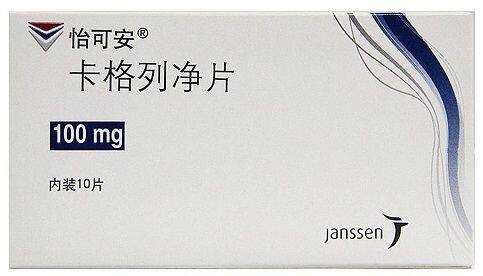
InvokanaInvokana is a novel glucose-lowering agent belonging to the class of SGLT2 inhibitors. SGLT2 is a transporter protein involved in glucose reabsorption in the proximal renal tubules of the kidney. Invokana primarily works by inhibiting SGLT2 expressed in the kidneys, thereby reducing renal glucose reabsorption and increasing urinary glucose excretion, which leads to lowered blood glucose levels. This glucose-lowering effect is independent of β-cell function and insulin resistance. Compared with non-diabetic individuals, patients with type 2 diabetes exhibit increased renal glucose reabsorption into the bloodstream, which may contribute to elevated blood glucose levels. In addition to its established glucose-lowering efficacy, Invokana offers additional benefits, including weight reduction, slowing the progression of proteinuria, and lowering blood pressure.
Currently, the indications for Invokana are: (1) to lower blood glucose levels in adult patients with type 2 diabetes mellitus, in conjunction with diet and exercise; (2) to reduce the risk of major adverse cardiovascular events, such as myocardial infarction, in adult patients with type 2 diabetes mellitus and established cardiovascular disease;Strokeand death; (3) to reduce the risk of end-stage kidney disease (ESKD), worsening renal function, cardiovascular death, and hospitalization for heart failure in adult patients with type 2 diabetes and diabetic kidney disease with proteinuria.
Invokana is not indicated for patients with type 1 diabetes mellitus or for patients with diabetic ketoacidosis. The safety and efficacy of this drug in children under 18 years of age have not been established.
In the Chinese market, Invokana was approved in September 2017 under the brand name Yikean®. When glycemic control is inadequate with metformin monotherapy or with combination therapy of metformin and a sulfonylurea, Yikean may be used in combination with metformin or with metformin and a sulfonylurea, along with diet and exercise, to improve glycemic control in adult patients with type 2 diabetes. (Bioon.com)
Original source: Health Canadaapproves New Indication for INVOKANA* (canagliflozin) to Reduce the Risks Associated with Diabetic Kidney Disease in Patients with Type 2 Diabetes