


Generally, pharmaceutical companies providing financial assistance to patients to encourage the acceptance and use of their products are considered to be violating business ethics, akin to offering kickbacks, and may face penalties from regulatory authorities. However, the U.S. Department of Health and Human Services (HHS) has recently established a special exemption rule for Novartis' innovative therapy Kymriah.
Under specific HHS regulations, for low-income patients covered by Medicare and Medicaid, Novartis is permitted to pay on their behalf all out-of-pocket expenses—including transportation, accommodation, meals, and other costs—incurred during hospitalization for Kymriah treatment and subsequent clinical monitoring, provided certain conditions are met.
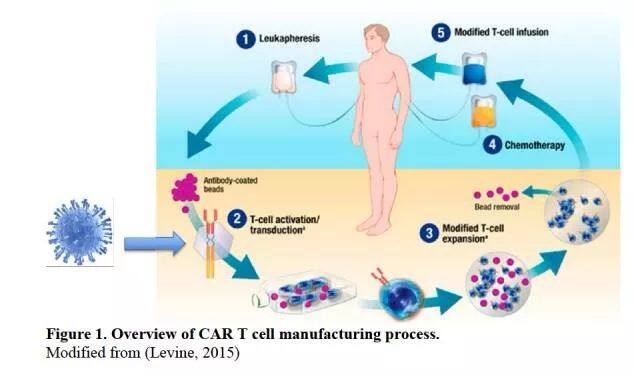
Kymriah is a chimeric antigen receptor T-cell (CAR-T) therapy that involves isolating T cells from the patient, genetically modifying them ex vivo to express chimeric antigen receptors (CARs) capable of recognizing cancer cells, expanding these CAR-T cells, and finally reinfusing them into the patient to eliminate cancer cells. As a specialized therapeutic product, CAR-T therapy requires preparation by laboratory personnel with specific technical competencies, adheres to stricter standards for storage and quality control, and necessitates close monitoring and management of potentially severe and life-threatening adverse events (primarily cytokine release syndrome) following infusion. Currently, both approved CAR-T products are required to be administered at treatment centers compliant with FDA safety requirements.
This HHS rule is, in fact, directed at Novartis’ voluntarily launched “Kymriah Travel Assistance Program.” The program aims to reduce patients’ treatment costs. However, before the assistance scheme receives approval from HHS, market regulators consider that such conduct would incline patients more toward choosing Kymriah therapy, thereby directly increasing the burden on the government healthcare system, and consequently impose penalties on Novartis.
In its submission to persuade the HHS, Novartis pointed out that low-income rural patients often live far from treatment centers. If they cannot afford travel expenses, they may face higher health and mortality risks due to the inability to promptly manage adverse reactions such as CRS after receiving treatment. According to the label instructions, patients need to be monitored for at least one month following Kymriah therapy.
However, the U.S. Department of Health and Human Services (HHS) has imposed numerous strict restrictions on the waiver rules for Novartis’s patient assistance program. For instance, patients must reside more than a two-hour drive or over 100 miles from the nearest treatment center. Furthermore, Novartis has committed not to publicly disclose detailed information about the assistance program; patients are only informed of the relevant terms once they are confirmed to meet the indications specified in the Kymriah labeling. The HHS explicitly stated that this assistance program applies solely to the Kymriah project. Gilead Sciences did not respond to this news.
In terms of market performance, although Kymriah was the first CAR-T product launched globally, its sales have lagged behind Gilead’s Yescarta. In the third quarter of 2019, the global sales of Kymriah and Yescarta were $79 million and $118 million, respectively. Kymriah’s global sales in 2019 reached $278 million, representing a significant increase from $76 million in 2018. According to information disclosed in Novartis’ financial reports, the growth of Kymriah was primarily driven by its penetration into the European and American markets. There are already more than 200 medical centers in Europe and the United States qualified to administer CAR-T therapy, and Kymriah has received approval for at least one indication in over 20 countries worldwide.