

Novel Platinum-Free Targeted and Immunotherapy Combination: Padcev (enfortumab vedotin) Plus Keytruda Achieves 73.3% Overall Response Rate in First-Line Treatment of Advanced Urothelial Cancer
Feb 12, 2020 10:24
CST Updated
10:24

Seagen
Monoclonal Antibody Developer
Astellas
Pharmaceutical R&D Manufacturer
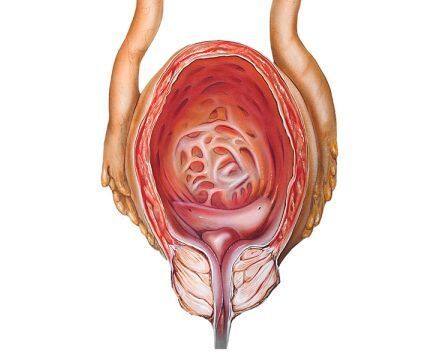
February 12, 2020 News / BIOON -- SeattleHereditySeagen Inc. and Astellas recently announced the Phase Ib/IIClinical TrialLatest Results from EV-103. The trial was conducted in 45 patients with previously untreated (treatment-naïve) locally advanced or metastatic urothelial carcinoma (UC) who were ineligible for cisplatin-based chemotherapy. The study evaluated the safety and efficacy of the antibody-drug conjugate (ADC) Padcev (enfortumab vedotin) in combination with Merck’s anti-PD-1 therapy Keytruda (pembrolizumab).
The results showed that after a median follow-up of 11.5 months, the study outcomes continued to meet safety endpoints and demonstratedThe platinum-free combination regimen of Padcev + Keytruda has demonstrated encouraging clinical efficacy in the first-line treatment of urothelial carcinoma (UC), with an objective response rate (ORR) of 73.3% and a median progression-free survival (PFS) of 12.3 months.
Just recently, SeattleGeneticsSeagen and Astellas Launched the Phase III EV-302 TrialClinical Trial, investigating this platinum-free regimen of Padcev + Keytruda in the first-line setting. Medical Oncologist and Genitourinary Medical Oncologist at Memorial Sloan Kettering Cancer Center in New YorkTumorJonathan E. Rosenberg, MD, Service Chief, stated, “Platinum-based chemotherapy is the standard of care for first-line treatment of advanced urothelial carcinoma; however, it is not an option for many patients. The interim results from the EV-103 study are highly encouraging, including robust data showing a median progression-free survival (PFS) of one year in patients receiving the platinum-free regimen of Padcev plus Keytruda as first-line therapy.”
Detailed results from the EV-103 study will be presented at the 2020 Genitourinary Cancers Symposium held on February 14. The specific data are as follows: with a median follow-up of 11.5 months (range: 0.7–19.2), the confirmed objective response rate (ORR) was 73.3% (n=33/45; 95% CI: 58.1, 85.4), including a complete response (CR) rate of 15.6% (n=7/45) and a partial response (PR) rate of 57.8% (n=26/45). The median duration of response (DOR) was not reached (range: >1.2–12.9 months). At the time of data analysis, 8 of the 33 responding patients remained in response; 83.9% of patients had a DOR ≥6 months, and 53.7% had a DOR ≥12 months. The median progression-free survival (PFS) was 12.3 months (95% CI: 7.98, –). The 12-month overall survival (OS) rate was 81.6% (95% CI: 62, 91.8%), and the median OS was not reached.
In the study, 58% (26/45) of patients experienced grade ≥3 treatment-related adverse events: elevated lipase (18%; 8/45), rash (13%; 6/45), hyperglycemia (13%; 6/45), and peripheral neuropathy (4%; 2/45); these incidence rates were similar to those observed with Padcev monotherapy. Eighteen percent (8/45) of patients experienced grade ≥3 treatment-related immune-mediated adverse events requiring systemic steroid treatment (arthralgia, bullous dermatitis, pneumonitis, elevated lipase, erythematous rash, maculopapular rash, tubulointerstitial nephritis, and myasthenia gravis). No patients experienced grade 5 adverse events. Six patients (13%) discontinued treatment due to treatment-related adverse events, most commonly peripheral sensory neuropathy. As previously stated, the investigators considered one death to be treatment-related, attributed to multiple organ dysfunction syndrome.
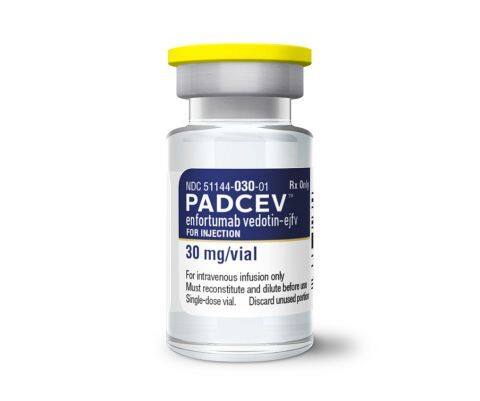
Padcev is a first-in-class antibody-drug conjugate (ADC) that targets a cell surface protein highly expressed in bladder cancer. The drug consists of enfortumab, a human IgG1 monoclonal antibody targeting nectin-4, conjugated to the cytotoxic agent MMAE (monomethyl auristatin E, a microtubule-disrupting agent). Nectin-4 is a protein found in various solid tumors, including urothelial carcinoma (UC).TumorTherapeutic targets with moderate-to-high expression. The ADC linker technology in this drug is from Seattle.HeredityXue Company, target identification was performed by Astellas.
In December 2019, Padcev received U.S.FDAAccelerated approval for the treatment of patients with locally advanced or metastatic urothelial carcinoma (UC, the most common type of bladder cancer), specifically those who have previously received a PD-1/L1 inhibitor and a platinum-containing chemotherapy regimen in the neoadjuvant/adjuvant setting or for the treatment of locally advanced or metastatic disease.
Notably, Padcev is the first antibody-drug conjugate (ADC) approved for the treatment of urothelial carcinoma (UC), and the first drug approved for patients with locally advanced or metastatic UC who have previously received platinum-containing chemotherapy and a PD-1 or PD-L1 inhibitor. The drug was approved through the FDA’s Priority Review program, three months ahead of schedule. Previously,FDAPadcev Granted Breakthrough Therapy Designation for the Treatment of the Above-Mentioned UC Patients. (Bioon.com)
Original Source: Seagen and Astellas Announce Updated Results from Phase 1b/2 Trial of PADCEV (enfortumab vedotin-ejfv) in Combination with Immune Therapy Pembrolizumab as Investigational First-Line Treatment for Advanced Bladder Cancer