

New Phase 3b Interim Data from STARDUST Study Show Two-Thirds of Patients with Moderately to Severely Active Crohn's Disease Achieved Clinical Remission After Two Doses of STELARA® (ustekinumab)
Feb 15, 2020 13:44
CST Updated
13:44

Janssen Pharmaceuticals
Pharmaceutical R&D Developer

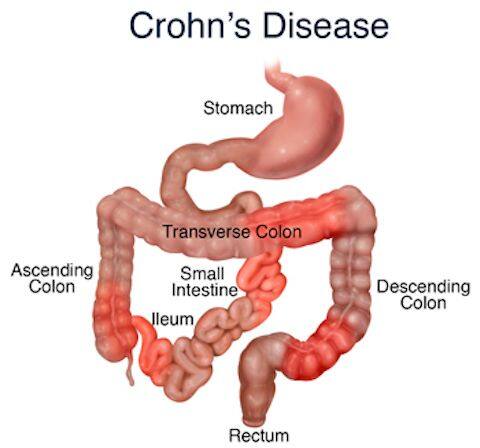
February 15, 2020 News /BioValleyBIOON/ -- Janssen Pharmaceuticals, a subsidiary of Johnson & Johnson (JNJ), recently announced interim data from the Phase IIIb STARDUST study evaluating the anti-inflammatory drug Stelara (brand name: Xidano; generic name: ustekinumab) for the treatment of Crohn's disease (CD) at the 15th Congress of the European Crohn's and Colitis Organisation (ECCO) held in Vienna, Austria, in 2020.
This is a randomized, international, multicenter, interventional study enrolling 500 adult patients with moderately to severely active Crohn’s disease (CD) who were either biologic-naïve or had previously received no more than one biologic agent. In the study, patients received an intravenous (IV) infusion of Stelara at a dose of 6 mg/kg, followed by a subcutaneous (SC) injection of Stelara 90 mg at Week 8. At Week 16, patients who achieved a reduction in the Crohn’s Disease Activity Index (CDAI) score of ≥70 points (CDAI70 responders) were randomized in a 1:1 ratio to receive Stelara maintenance therapy under either a treat-to-target strategy or standard of care, with follow-up until the end of the study (Week 48). Intestinal ultrasound (IUS) response was assessed during the study, with evaluations conducted as early as Week 4. The primary endpoint was the proportion of patients achieving an endoscopic response, defined as a ≥50% reduction from baseline in the Simplified Endoscopic Score for Crohn’s Disease (SES-CD) at Week 48.
Notably, the STARDUST study was the first to explore a treat-to-target strategy by using endoscopic response to guide dose adjustments in the treatment of Crohn’s disease (CD). Treat-to-target is a proactive treatment strategy that involves frequent monitoring of outcomes, such as endoscopic response,Biomarkerand clinical symptoms, guiding the use of medications.
The interim data released this time show:At Week 16, following treatment with one 6 mg/kg intravenous (IV) infusion and one 90 mg subcutaneous (SC) injection of Stelara, 79% of patients achieved clinical response and 67% achieved clinical remission.Among the 220 CDAI70 responders randomized to the treat-to-target group, 37% achieved endoscopic response at Week 16. During the 16-week period, the safety profile of Stelara was consistent with that observed in Phase III inflammatory bowel disease (IBD)Clinical TrialsThe safety observed in this study was consistent with that observed in other indications.
Endoscopic ultrasound (EUS) is a complementary method for assessing disease activity in Crohn’s disease (CD), based on the measurement of transmural intestinal features, such as bowel wall thickness and the presence of hypervascularity. The STARDUST study was the first to use EUS to monitor CD patients in an interventional setting. Future studies are needed to confirm whether an early EUS response at week 4 can predict long-term (i.e., weeks 16 to 48) clinical and endoscopic outcomes in patients with CD.
Professor Silvio Danese, Principal Investigator of the study and Director of the Inflammatory Bowel Disease Center at Humanitas Research Hospital in Milan, Italy, stated: “Patients with Crohn’s disease (CD) may respond to treatment while continuing to experience internal inflammation that can lead to irreversible damage. These patients may benefit from more aggressive and robust therapeutic approaches, along with less invasive monitoring methods. I am encouraged by these data, which demonstrate the potential clinical utility of non-invasive intestinal ultrasound (IUS) in guiding CD treatment, and I look forward to upcoming data that may help us better understand the potential benefits of treat-to-target strategies.”
Dr. Jan Wehkamp, Vice President of Janssen Research & Development and Head of the Gastroenterology Therapeutic Area, stated: “The STARDUST study represents a significant milestone in our commitment to supporting patients with Crohn’s disease and their treating physicians. The data from this study provide key clinical insights that will inform our future treatment strategies.”。”
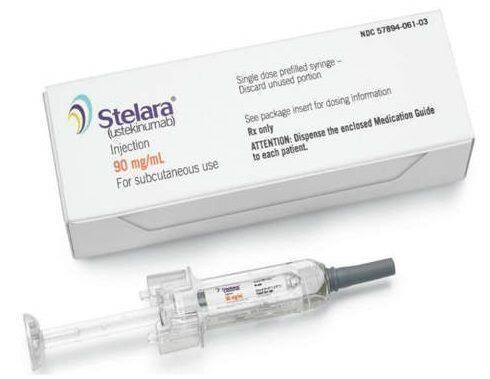
Selara is the world’s first biologic agent capable of simultaneously and selectively targeting IL-12 and IL-23. IL-12 and IL-23 are two naturally occurring cytokines believed to play a key role in immune-mediated inflammatory diseases, including ulcerative colitis (UC), plaque psoriasis, psoriatic arthritis, and Crohn’s disease. Stelara inhibits these two pro-inflammatory cytokines by binding to the shared p40 subunit of IL-12 and IL-23, thereby blocking their interaction with the cell-surface receptor IL-12β1.
Stelara was launched in September 2009, and its currently approved indications include the treatment of: (1) adolescent (≥6 years old) and adult patients with moderate to severe plaque psoriasis; (2) adult patients with active psoriatic arthritis; (3) adult patients with moderate to severe Crohn's disease (CD); (4) adult patients with moderate to severe active ulcerative colitis (UC).
In China, Stelara® (Xidanuo®) was launched in June 2019. This biologic agent features an innovative dosing regimen—subcutaneous injection once every three months during the maintenance phase—and is indicated for the treatment of adult patients with moderate-to-severe plaque psoriasis who have failed to respond to, have contraindications to, or are intolerant of other systemic therapies, such as cyclosporine, methotrexate (MTX), or PUVA (psoralen and ultraviolet A).
Stelara is Johnson & Johnson's entry intoAutoimmunitya core product in the field of sexual health, which achieved sales of $6.361 billion in 2019, representing a 23.4% increase compared to 2018. Recently, an article published in the prestigious international journal Nature (Top product forecasts for 2020) pointed out that with the continuous expansion of indications, market growth, and penetration, Stelara’s sales were projected to reach $7.241 billion in 2020, ranking seventh among the “Top 10 Best-Selling Drugs Worldwide in 2020.” (Bioon.com)