

AstraZeneca's Imfinzi plus Lynparza Achieves 50% Pathological Complete Response Rate in Neoadjuvant Treatment of Muscle-Invasive Bladder Cancer
Feb 17, 2020 14:27
CST Updated
14:27

AstraZeneca
Biopharmaceutical Manufacturer

February 17, 2020 News /BioValleyBIOON/ -- Recently, at the 2020 American ClinicalTumorA single-arm Phase II study (NCT03534492) presented at the American Society of Clinical Oncology Genitourinary Cancers Symposium (ASCO-GU 2020) showed that,AstraZeneca(AstraZeneca) The anti-PD-L1 therapy Imfinzi (brand name: Yingfeifan; generic name: durvalumab) in combination with the targeted anticancer drug Lynparza (brand name: Lipuzhuo; generic name: olaparib) demonstrated robust efficacy in the neoadjuvant treatment of muscle-invasive bladder cancer (MIBC):The pathological complete response rate (pCR) reached 50%.
This study enrolled a total of 29 patients with resectable cT2–T4a muscle-invasive bladder cancer (MIBC). These patients received Imfinzi at a dose of 1,500 mg every 4 weeks for 2 months (up to 2 doses per cycle) starting 6–8 weeks prior to planned radical cystectomy, concurrently with Lynparza at a dose of 150 mg twice daily for 56 days (two 28-day cycles). Efficacy was evaluated in 20 patients who underwent cystectomy, while safety was assessed in 27 patients.
Among the enrolled patients in this study, regarding ECOG performance status, 55.2% had a score of 0 (fully active, able to carry on all pre-disease performance without restriction), and 44.8% had a score of 1 (restricted in physically strenuous activity but ambulatory and able to carry out work of a light or sedentary nature). The median age of the patients was 71 years. In terms of TNM staging, 82.2% were classified as pT2, 7.1% as pT3, and 7.1% as pT4. Approximately 14.3% of the patients presented with lymph node metastasis.
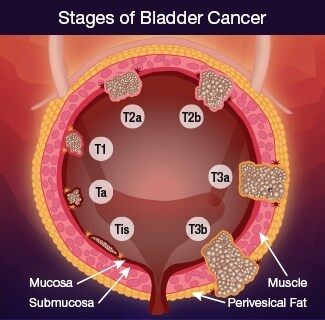
The results showed that,Among the 20 patients evaluated for efficacy, 10 (50%) achieved pathological complete response (pCR), defined as the absence of disease in the bladder and lymph nodes.Tumor。In the safety assessment,
The Imfinzi plus Lynparza combination regimen was well tolerated. Among the 27 patients evaluated for safety, only three Grade 4 adverse events occurred (one case each of wound debridement, hemorrhage, and septic shock), and there were three treatment discontinuations (due to personal decision, progressive disease, and exacerbation of chronic obstructive pulmonary disease). Currently, researchers are analyzing PD-L1 expression and immune infiltration patterns in blood samples collected before and after treatment. AllTumorAll samples are undergoing whole-exome sequencing.
Study researcher, HM Hospitals CIOCC Comprehensive Oncology Cancer Center, Madrid, SpainTumorDr. Juan Francisco Rodriguez-Moreno stated, “This study was not designed to evaluate the efficacy of these two drugs. In light of this, the efficacy data are highly interesting, becauseA 50% pCR rate in neoadjuvant therapy is superior to other treatments. The primary objective of this study is to determine the impact of this combination on molecular characteristics, but the analysis is currently ongoingBiomarkerdata, expected to be presented at the ESMO 2020 Congress in Madrid.”
Rodriguez-Moreno stated that the standard of care for muscle-invasive bladder cancer (MIBC) is radical cystectomy, a procedure that rarely results in a cure. Although cisplatin-based neoadjuvant chemotherapy is the standard perioperative care, only a small subset of patients benefit from it. Therefore, new adjuvant therapies are needed.
Recent evidence suggests that immune checkpoint inhibitors can be incorporated into this treatment landscape, and immune checkpoint inhibitors have already been approved by the U.S.FDAApproved for the treatment of patients with advanced bladder cancer who are refractory to or ineligible for platinum-containing chemotherapy.However, the response rate to immune checkpoint inhibitor monotherapy in patients with MIBC is at most approximately 30%.
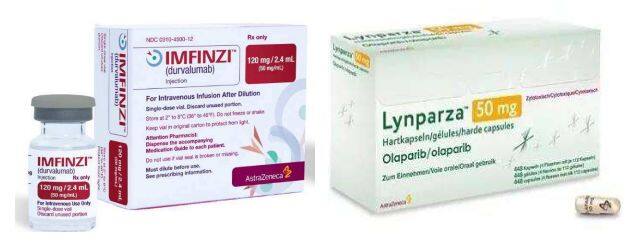
Imfinzi has demonstrated efficacy in patients with advanced urothelial carcinoma (UC) who have previously received platinum-based chemotherapy, and is currently being evaluated for first-line treatment, both as monotherapy and in combination with the anti-CTLA-4 therapy tremelimumab.
At the 2019 ASCOMeetingPreliminary results from a single-arm trial of Imfinzi plus tremelimumab combination therapy in high-risk MIBC patients ineligible for cisplatin-based neoadjuvant chemotherapy showed that, among 21 patients who had undergone radical cystectomy,The pCR rate for combination therapy was 43% (9/21), with 14 patients (67%)TumorStaging Downstaging (downstage).
PARP inhibitors (such as Lynparza) can amplify DNA damage, enhance tumor mutational burden, and promote bladder cancer immunotherapy by increasing neoantigen production and upregulating PD-L1 expression.Tumormore immunogenic. In this way, Lynparza and Imfinzi may exert a synergistic effect.(BioValley Bioon.com)
Original Source: ASCO-GU 2020: Abstract 542