

Erleada (Apalutamide) in Combination with ADT Demonstrates Significant PFS2 Benefit in Metastatic Castration-Sensitive Prostate Cancer
Feb 18, 2020 14:53
CST Updated
14:53

Johnson & Johnson
Healthcare Product Manufacturers, Health Service Providers

February 18, 2020 News /Bio ValleyBIOON/ -- Recently, at the 2020 American ClinicalTumorA latest study presented at the American Society of Clinical Oncology Genitourinary Cancers Symposium (ASCO-GU 2020) showed that in patients with metastatic castration-sensitive prostate cancer (mCSPC), Johnson & Johnson’s new prostate cancer drug Erleada (ANSENKE®, generic name: apalutamide) combined with androgen deprivation therapy (ADT) can reduce the risk of second disease progression or death (PFS2), and is not associated with hormone or taxane therapies used as the first subsequent life-prolonging treatment.
This finding stems from a post hoc analysis of the Phase III TITAN study. In this analysis, second progression-free survival (PFS2) in patients enrolled in the TITAN study was evaluated based on the first subsequent life-prolonging therapy received after the study treatment. The relevant data were presented at the conference by Neeraj Agarwal, MD, from the Huntsman Cancer Institute at the University of Utah.
Data show that the PFS2 with Erleada + ADT was superior to that with placebo + ADT (HR=0.66; 95% CI: 0.50–0.87; P=0.0026). The significant benefit of Erleada was consistent regardless of whether patients received hormone therapy (HR=0.684; 95% CI: 0.482–0.971; P=0.0326) or taxane therapy (HR=0.634; 95% CI: 0.456–0.881; P=0.0062) as the first subsequent therapy. In each subsequent treatment group, the median PFS2 for either Erleada or placebo was not reached.
Neeraj Agarwal stated, “The PFS2 benefit is an indicator of effective early intensification of treatment, consistent with the overall survival (OS) benefit observed with Erleada, collectively demonstrating the holistic nature of the treatment trajectory.”
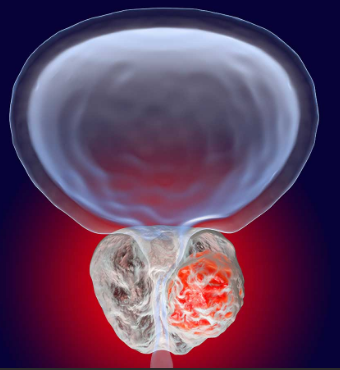
TITAN was a randomized, placebo-controlled, double-blind study conducted in patients with metastatic castration-sensitive prostate cancer (mCSPC), regardless of disease volume or prior docetaxel treatment history. The study enrolled a total of 1,050 patients in the intent-to-treat (ITT) population, including those with low-volume and high-volume disease, newly diagnosed patients, and patients who had previously received definitive local therapy or up to 6 cycles of docetaxel or up to 6 months of androgen deprivation therapy (ADT) for mCSPC. These patients were randomly assigned to receive either Erleada plus ADT (n=525) or placebo plus ADT (n=527), until disease progression, unacceptable treatment-related toxicity, or end of treatment.
The primary results of the TITAN study, published in The New England Journal of Medicine (NEJM), demonstrated that Erleada plus ADT reduced the risk of death by 33% compared with placebo plus ADT. At a median follow-up of 22.7 months, the 2-year overall survival (OS) rate was 82.4% in the Erleada plus ADT group versus 73.5% in the placebo plus ADT group (HR=0.67; 95% CI: 0.51–0.89; P=0.005). Median OS had not been reached in either group. Compared with placebo plus ADT, Erleada plus ADT also significantly reduced the risk of radiographic progression or death by 52%. Based on these primary results, the United StatesFDAIn September 2019, Erleada in combination with ADT was approved for the treatment of patients with metastatic castration-sensitive prostate cancer (mCSPC).
The post hoc analysis presented at the meeting defined PFS2 as the time from study randomization to the first occurrence of investigator-determined disease progression or death from any cause, whichever occurred first, during the patient’s first subsequent therapy for prostate cancer. This analysis reviewed all other first subsequent systemic therapies.
A total of 277 patients received subsequent systemic therapy, with 87 from the Erleada + ADT group and 190 from the placebo + ADT group. Novel hormonal therapy (NHT) was used as the first subsequent therapy by 24 patients in the Erleada group and 62 patients in the placebo group. Taxane therapy was used as the first subsequent therapy by 30 patients in the Erleada group and 69 patients in the placebo group.
The baseline demographic and disease characteristics were similar between the hormone group and the taxane group, including ECOG performance status and Gleason score at initial diagnosis,Diagnosisstage of metastasis at baseline and median baseline prostate-specific antigen levels. Prior to enrollment in the TITAN study, patients with castration-sensitive disease who had previously received docetaxel were more likely to receive novel hormonal therapy (NHT) rather than taxane therapy as their first subsequent treatment (20.9% vs. 8.1%).
Neeraj Agarwal pointed out that the choice of subsequent therapy is not random, but rather selected by the attending physician based on patient and disease characteristics. This constitutes a limiting factor. The small number of PFS2 events in subsequent treatment and the non-randomized treatment decisions preclude determining the optimal subsequent therapy based on these data. Further refinement of the data is needed to enable more in-depth analysis.
MeetingDr. Dana Rathkopf, Director of Prostate Cancer Clinical Research at Memorial Sloan Kettering Cancer Center and a discussant, also pointed out that there were too few PFS2 events in the hormonal therapy group (19.5%) and the taxane group (22.4%) in this analysis. Furthermore, among patients who received subsequent hormonal therapy, the imbalance in the proportion of patients previously treated with docetaxel between the Erleada group and the placebo group (33% vs. 16%) may also have influenced the results. Therefore, these data should be interpreted with caution. Due to the low number of events, further evaluation is needed to assess the full impact of subsequent therapies on PFS2 duration.
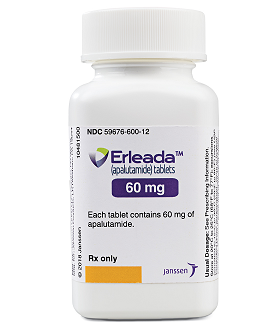
Erleada is a next-generation androgen receptor (AR) inhibitor that helps block the activity of male hormones (such as testosterone), thereby delaying disease progression. In the United States, Erleada received its initial FDA approval in February 2018 for the treatment of adult patients with non-metastatic castration-resistant prostate cancer (nmCRPC) at high risk of metastasis. This approval made Erleada the first drug globally for the treatment of nmCRPC. In September 2019,FDAApproval of a new indication for Erleada for the treatment of patients with metastatic castration-sensitive prostate cancer (mCSPC).
In China, Erleada® (ANSENKE®) received accelerated approval in September 2019 for the treatment of adult patients with non-metastatic castration-resistant prostate cancer (nmCRPC) at high risk of metastasis. In May 2019, the Center for Drug Evaluation (CDE) of the National Medical Products Administration granted ANSENKE® "priority review" status due to its significant clinical advantages and included it in the second batch of overseas new drugs urgently needed for clinical use. ANSENKE® is the first approved treatment regimen for nmCRPC in China and represents another innovative solution brought by Janssen to the field of prostate cancer in China, following ZYTIGA® (abiraterone acetate tablets). Previously, ZYTIGA® was approved in 2015 and 2018, respectively, for use in combination with prednisone or prednisolone to treat patients with metastatic castration-resistant prostate cancer (mCRPC) and newlyDiagnosishigh-risk mCSPC patients.
The market holds a highly optimistic view of Erleada’s commercial prospects. According to the forecast report released by the pharmaceutical market research firm EvaluatePharma, Erleada’s global sales are projected to reach $2.115 billion in 2024. (Bioon.com)
Original Source: ASCO-GU 2020: Abstract 82