

GSK Submits MAA to EMA for Zejula (Niraparib) as First-Line Maintenance Therapy in Platinum-Responsive Advanced Ovarian Cancer, Demonstrating 38% Reduction in Disease Progression or Death Risk
Feb 28, 2020 13:58
CST Updated
11:58

GSK
Pharmaceutical R&D Manufacturer

European Medicines Agency
The European Medicines Agency (EMA) is a decentralized agency of the European Union (EU), located in London. It began operations in 1995. The agency is responsible for the scientific evaluation, supervision, and safety monitoring of medicines developed by pharmaceutical companies for use in the EU. By ensuring that all medicines available on the EU market are safe, effective, and of high quality, the EMA protects public and animal health in the 28 EU Member States and countries of the European Economic Area.

February 28, 2020 News /BioValleyBIOON/ --GlaxoSmithKline(GSK) recently announced that the European Medicines Agency (EMA) has accepted a Class II variation application for the targeted anticancer drug Zejula (Chinese brand name: Zele; generic name: niraparib): as a maintenance therapy for patients with advanced ovarian cancer who have responded to platinum-based chemotherapy in first-line treatment, regardless of theirBiomarkerWhat is the status? Just recently, the United StatesFDAalso accepted the supplemental new drug application (sNDA) for the above-mentioned therapeutic indications of Zejula, and is currently undergoing real-timeTumorReview of the Real-Time Oncology Review (RTOR) Pilot Program.
This application is based on the results of the Phase III PRIMA study (ENGOT-OV26/GOG-3012). In the study, patients who achieved disease remission after first-line platinum-based chemotherapyAdvanced (Stage III or IV)Patients were randomized in a 2:1 ratio to receive maintenance treatment with Zejula or placebo. The primary endpoint was progression-free survival (PFS). The study incorporated individualized Zejula initiation dosing: patients with a baseline body weight <77 kg and/or a platelet count <150K/μL received an initial dose of 200 mg once daily; all other patients received an initial dose of 300 mg once daily.
The results showed that the study met its primary endpoint: in the entire study patient population (regardless ofBiomarkerstatus), when used as first-line maintenance therapy, Zejula significantly reduced the risk of disease progression or death by 38% compared with placebo (HR=0.62, 95% CI: 0.50–0.75, p<0.001). Importantly, clinically meaningful and statistically significant benefits were observed in both the homologous recombination deficiency (HRD-positive) and homologous recombination proficient (HRD-negative) subgroups. These results were driven by a clinically meaningful reduction in the risk of disease progression: BRCA-mutated tumors (60% risk reduction, HR=0.40, 95% CI: 0.27–0.62, p<0.001), homologous recombination deficient (HRD-positive) BRCA wild-type tumors (50% risk reduction, HR=0.50 [95% CI: 0.30–0.83], p=0.006), homologous recombination proficient (HRD-negative)Tumor(Risk reduced by 32%, HR=0.68 [95% CI=0.49–0.94], p=0.020).
In the interim analysis of overall survival (OS), Zejula also demonstrated an encouraging trend toward OS improvement compared with placebo. The prespecified interim OS analysis showed a benefit favoring Zejula across the overall study population (HR 0.70; 95% CI: 0.44–1.11). In the homologous recombination deficiency (HRD) subgroup, 91% of patients treated with Zejula were alive at 24 months of treatment, compared with 85% of patients receiving placebo (HR=0.61; 95% CI: 0.27–1.40). These data are immature, and their significance is not yet fully clear. The interim OS analysis also showed that in the homologous recombination proficiency (HRP) subgroup, 81% of patients treated with Zejula were alive at 24 months of treatment, compared with 59% of patients receiving placebo (HR=0.51; 95% CI: 0.27–0.97).
The safety profile observed in this study was consistent with the known safety profile of Zejula. The most common grade 3 or higherAdverse ReactionsIncludingAnemia(31%), thrombocytopenia (29%), and neutropenia (13%). Implementation of individualized dosing regimens based on body weight and/or platelet count can reduce the incidence of treatment-emergent adverse events (TEAEs) associated with hematologic therapy. No new safety signals were identified. Validated patient-reported outcomes indicated similar quality of life in the Zejula treatment group and the placebo group.
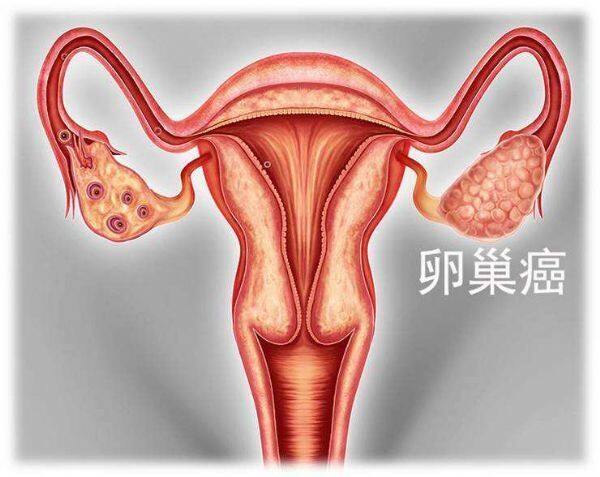
Globally, ovarian cancer is the eighth most common cause of cancer-related deaths among women. In the United States and Europe, approximately 22,000 and 65,000 women are diagnosed with ovarian cancer each year, respectively. Although first-line platinum-based chemotherapy has a high response rate, about 85% of patients will experience disease recurrence. Once recurrent, the disease is difficult to cure, and the interval between recurrences shortens with each subsequent relapse.
The PRIMA study enrolled patients who responded to first-line platinum-based chemotherapy, including those at high risk of disease progression—a population with significant unmet medical needs that has been underrepresented in previous first-line ovarian cancer studies. This landmark study demonstrated the importance of Zejula as first-line maintenance therapy and its clinical benefits for women with ovarian cancer. First-line maintenance monotherapy with Zejula following surgery and first-line platinum-based chemotherapy provides patients with an important new treatment option, potentially fundamentally transforming the treatment paradigm for ovarian cancer.
The active pharmaceutical ingredient of Zejula is niraparib, an oral small-molecule poly(ADP-ribose) polymerase (PARP) inhibitor that exploits defects in DNA repair pathways to preferentially kill cancer cells. This mechanism of action endows the drug with the potential to treat a broad range of tumors harboring DNA repair defects. PARP is involved in a wide array ofTumorType-related, especiallyBreast Cancerand ovarian cancer.Zejula was developed by Tesaro,GlaxoSmithKlineAcquired Tesaro for $5.1 billion (approximately £4 billion) in December 2018. In late September 2016, Zai Lab entered into a licensing agreement with Tesaro, securing the rights to Zejula in mainland China, Hong Kong, and Macau.
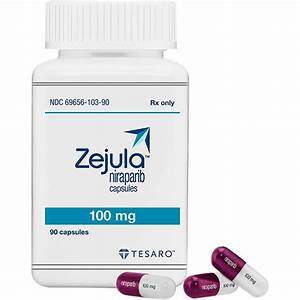
Zejula was approved for marketing in March 2017. The currently approved indications include: (1) maintenance treatment of patients with recurrent epithelial ovarian cancer, fallopian tube cancer, or primary peritoneal cancer who have achieved a complete or partial response to platinum-based chemotherapy. (2) Treatment of patients with advanced ovarian cancer, fallopian tube cancer, or primary peritoneal cancer who have previously received three or more prior chemotherapy regimens and whose cancer is associated with a homologous recombination deficiency (HRD)-positive status defined by either of the following two criteria: (a) presence of a deleterious or suspected deleterious BRCA mutation; or (b) genomic instability score (GIS) positivity and disease progression occurring more than 6 months after responding to the most recent platinum-based chemotherapy.
In Hong Kong and Macau, China, Zejula (Zele) was approved for marketing in October 2018 and June 2019, respectively. In mainland China, the National Medical Products Administration (NMPA) approved Zejula (Zele) on December 27, 2019, with the indication for maintenance treatment of adult patients with recurrent epithelial ovarian cancer, fallopian tube cancer, or primary peritoneal cancer who have achieved a complete or partial response to platinum-based chemotherapy.(Bioon.com)