

UCB and Daiichi Sankyo Submit Supplemental Application in Japan for VIMPAT (Lacosamide) to Treat Tonic-Clonic Seizures
Mar 03, 2020 10:58
CST Updated
10:58

UCB
Biopharmaceutical and Specialty Chemicals Developer

Daiichi-Sankyo
Pharmaceutical R&D Developer

March 3, 2020 /BioValleyBIOON/ -- Belgian pharmaceutical giant UCB’s Japanese subsidiary, UCB Japan Co., and Daiichi Sankyo recently announced the joint submission of a supplemental application in Japan to expand the indications for the antiepileptic drug Vimpat (generic name: lacosamide). The expanded indication covers adjunctive therapy for tonic-clonic seizures in patients with epilepsy. Previously, Vimpat had been approved for the treatment of partial-onset seizures (with or without secondary generalization) in patients with epilepsy.
This application is based on a multinational Phase IIIClinical Trialresults. The trial was conducted in 242 pediatric and adult patients with epilepsy aged ≥4 years (including Japanese patients) whose tonic-clonic seizures were inadequately controlled with existing antiepileptic drug therapy. The primary endpoint of the study was the time to the second tonic-clonic seizure during the 24-week evaluation period, i.e., the risk of experiencing a second tonic-clonic seizure. The results showed that the study met its primary endpoint: compared with the placebo group, the Vimpat treatment group demonstrated a significantly reduced risk of experiencing a second tonic-clonic seizure, with statistically significant differences. No new safety issues were identified in this study.
Epilepsy is one of the most common chronic neurological disorders worldwide, affecting approximately 3.4 million people in the United States, 1 million in Japan, 6 million in Europe, and 10 million in China, with a global total of around 65 million patients and a prevalence rate of approximately 1%. The condition can occur across a broad age range, from infants to the elderly, and its incidence varies little among different countries, geographic locations, genders, or ethnic groups. Epilepsy remains a disease with significant unmet medical needs, as most patients require long-term pharmacological treatment. It has been reported that more than 30% of patients continue to experience inadequately controlled seizures despite treatment with existing antiepileptic drugs.
Epilepsy-related seizures are classified into three major categories based on their clinical manifestations: partial seizures (which may sometimes evolve into secondary generalized seizures), generalized seizures, and unclassified seizures. Tonic-clonic seizures are a type of generalized seizure characterized by sudden loss of consciousness, accompanied by generalized stiffness and intense convulsions. It is reported that tonic-clonic seizures account for approximately 60% of all generalized epileptic seizures.
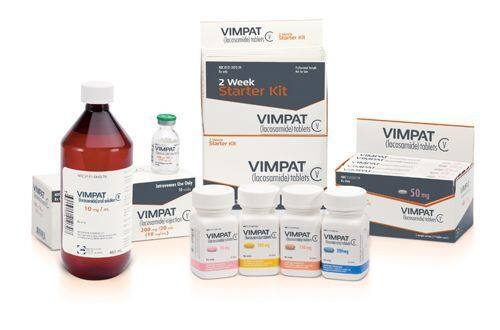
Vimpat is a novel N-methyl-D-aspartate (NMDA) receptor glycine-site binding antagonist, belonging to a new class of functionalized amino acids and representing an anticonvulsant drug with a unique dual mechanism of action. Compared with other antiepileptic drugs, Vimpat exhibits activity in modulating sodium ion channels, which play a crucial role in regulating nervous system activity and facilitating signal transmission between nerve cells. Vimpat selectively acts on slowly inactivating sodium channels, prolonging the time these channels remain in the inactivated state, thereby more effectively reducing sodium ion influx, decreasing neuronal excitability, and achieving the therapeutic goal of treating epilepsy.
In China, Vimpat (Vimpat, lacosamide tablets) was approved in early December 2018 as an adjunctive therapy for the treatment of partial-onset seizures (with or without secondary generalization) in adolescent and adult patients aged 16 years and older with epilepsy. It is estimated that there are nearly 10 million people with epilepsy in China, with approximately 400,000 new diagnoses each year. The approval of Vimpat represents a significant milestone for the vast number of epilepsy patients in China, providing an exciting new treatment option for this patient population. Results from a nationwide survey indicate that poorly controlled seizures have led to an unemployment rate approaching 70% among epilepsy patients in China. This underscores a clear need for medications that can better manage and control the condition within the epilepsy community. As the first third-generation novel antiepileptic drug approved in the Chinese market in over a decade, Vimpat offers a new therapeutic option for patients with partial-onset seizures, thanks to its novel and unique mechanism of action. It delivers significant benefits to patients who continue to experience inadequate seizure control.
Currently, Vimpat is available on the international market in various formulations, including tablets of multiple strengths, oral syrup, dry syrup for reconstitution, and intravenous (IV) formulation. For patients who are temporarily unable to take oral medications, the IV formulation of Vimpat provides an alternative option to help ensure continuous treatment for epilepsy. (Bioon.com)