

Takeda's Oral Proteasome Inhibitor Ninlaro (Ixazomib) Shows 13.5-Month Improvement in Progression-Free Survival in Phase 3 TOURMALINE-MM2 Trial for Newly Diagnosed, Transplant-Ineligible Multiple Myeloma Patients
Mar 11, 2020 10:54
CST Updated
10:54

Takeda
Biopharmaceutical Manufacturer

March 11, 2020 /BioValleyBIOON/ -- Japanese pharmaceutical company Takeda recently announced the results of the Phase III TOURMALINE-MM2 study (NCT01850524) evaluating the oral proteasome inhibitor Ninlaro (ixazomib) for the treatment of multiple myeloma (MM).
This is an international, randomized, double-blind, multicenter, placebo-controlled Phase IIIClinical Trial, in 705 new casesDiagnosisThe study was conducted in adult patients with multiple myeloma (MM) who were ineligible for transplantation, comparing the efficacy and safety of the triplet regimen of Ninlaro combined with lenalidomide and dexamethasone versus placebo combined with lenalidomide and dexamethasone. The primary endpoint of the study was progression-free survival (PFS), and key secondary endpoints included complete response rate (CR), pain relief, and overall survival (OS).
The results showed that, compared with the placebo + lenalidomide + dexamethasone treatment group, the median progression-free survival (mPFS) was prolonged by 13.5 months in the Ninlaro + lenalidomide + dexamethasone treatment group (mPFS: 35.3 months vs. 21.8 months; HR = 0.83; p = 0.073), but did not reach the threshold for statistical significance. In this study, the safety profile of Ninlaro was generally consistent with its existing prescribing information.
Results of the TOURMALINE-MM2 study will be presented at the upcoming medicalMeetingPublished above. TakedaTumorChristopher Arendt, Head of the Therapeutic Area, stated, “There is an unmet medical need for newly diagnosed multiple myeloma patients who are ineligible for transplantation with regard to new treatment regimens. We remain committed to advancing the field of multiple myeloma and continuing to drive innovation through ongoing research and development. We are confident that this trial will yield valuable insights, and we look forward to sharing these data with the community. We thank the patients and investigators for their participation in this important study.”
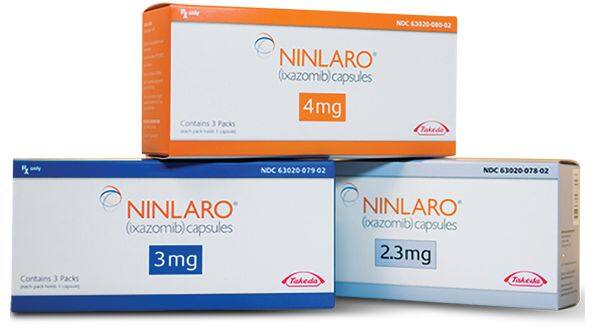
Ninlaro is the first oral proteasome inhibitor marketed globally, which was first approved in the United States in November 2015.FDAApproved in combination with lenalidomide and dexamethasone for the treatment of patients with multiple myeloma who have received at least one prior therapy. To date, Ninlaro has been approved in more than 60 countries, including the United States, Japan, and the European Union, with regulatory submissions under review in more than 10 additional countries. Ninlaro is currently being developed for use in multiple treatment settings for multiple myeloma.
Multiple myeloma is a hematologic malignancyTumor, which originates from plasma cells, a type of white blood cell produced in the bone marrow. Normal plasma cells are responsible for producing antibodies to fight infections, whereas cancerous plasma cells—myeloma cells—proliferate extensively in the bone marrow and release an antibody known as paraprotein, which causes disease symptoms including bone pain, frequent or recurrent infections, and fatigue,AnemiaSymptoms. These malignant plasma cells can affect many bones in the human body and may lead to serious health problems impacting the skeletal system, immune system, kidneys, and red blood cell count. The typical clinical course of multiple myeloma includes a symptomatic phase followed by periods of remission. It is estimated that there are over 230,000 patients with multiple myeloma worldwide, with 114,000 new cases diagnosed annually. (Bioon.com)
Original Source:Takeda Provides Update on TOURMALINE-MM2 Phase 3 Trial