


On March 5, GSK’s antidepressant bupropion hydrochloride extended-release tablets (I) were approved for market launch by the National Medical Products Administration.

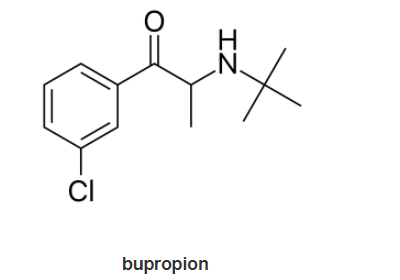
Bupropion is an aminoketone with antidepressant activity. Unlike classic tricyclic antidepressants, it does not inhibit monoamine oxidase and exerts only weak inhibitory effects on the reuptake of norepinephrine, serotonin (5-HT), and dopamine. The drug was initially approved by the FDA in 1985 and has since been approved for four indications: major depressive disorder, seasonal affective disorder, obesity, and nicotine dependence (smoking cessation).
Results from a randomized, double-blind, Phase III study conducted in China demonstrated that bupropion hydrochloride extended-release tablets were non-inferior to escitalopram tablets in the treatment of Chinese patients with depression. The mean changes in total HAMD-17 scores from baseline to the end of acute-phase treatment were -14.5 and -15.4, respectively. Regarding secondary endpoints, the response rates for the bupropion hydrochloride extended-release group and the escitalopram group were 69.6% and 72.9%, respectively; the remission rates were 39.7% and 47.2%, respectively; the sustained response rates were 51.6% and 56.3%, respectively; and the sustained remission rates were 25.5% and 28.6%, respectively. In terms of safety, the most common adverse reaction for both treatments was nausea (10.5% vs. 18.7%).
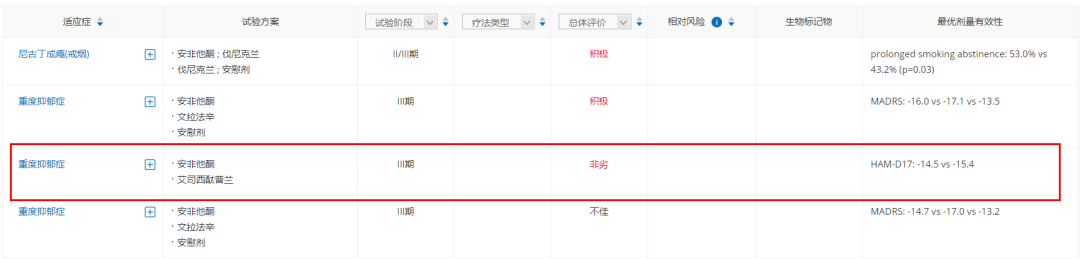
Source: PharmCube NextPharma
In China, there are two manufacturers producing and selling bupropion hydrochloride tablets: Wantte Pharmaceutical and Luye Pharmaceutical. There are numerous manufacturers producing and selling generic bupropion hydrochloride sustained-release tablets, including seven companies such as Wantte Pharmaceutical, Shenghe Pharmaceutical, and Jingxin Pharmaceutical. In 2017, the sales revenue of bupropion hydrochloride tablets in public hospitals across China’s three major terminal markets—urban, county-level, and township—was approximately RMB 30 million.