


On March 11, Amgen registered a Phase III clinical trial (NCT04303780) on ClinicalTrials.gov to evaluate AMG 510 in patients with locally advanced, unresectable, or metastatic non-small cell lung cancer (NSCLC) harboring KRAS p.G12C mutations.
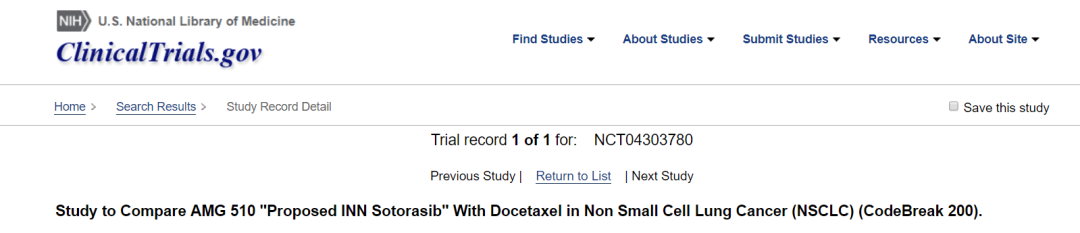
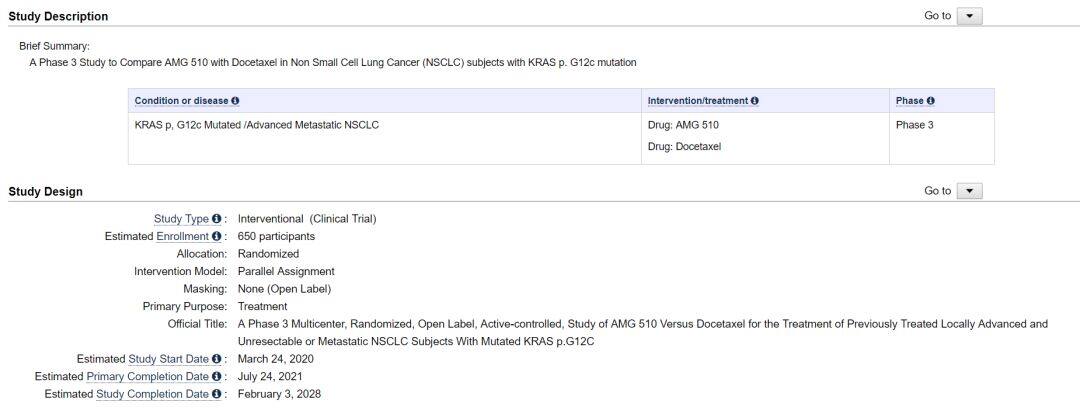
This randomized, open-label, active-controlled Phase III study aims to evaluate the efficacy and safety of AMG 510 versus docetaxel in patients with locally advanced, unresectable, or metastatic non-small cell lung cancer (NSCLC) harboring KRAS p.G12C mutations. The study is scheduled to launch on March 24 and plans to enroll 650 patients aged 18 to 100 years.
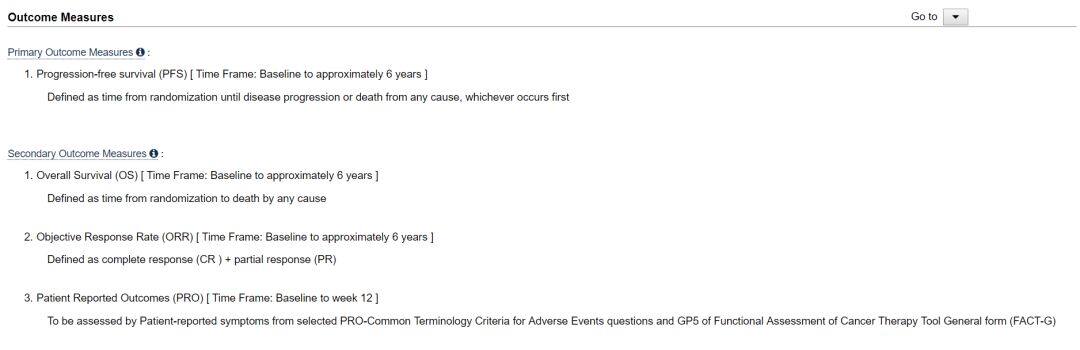
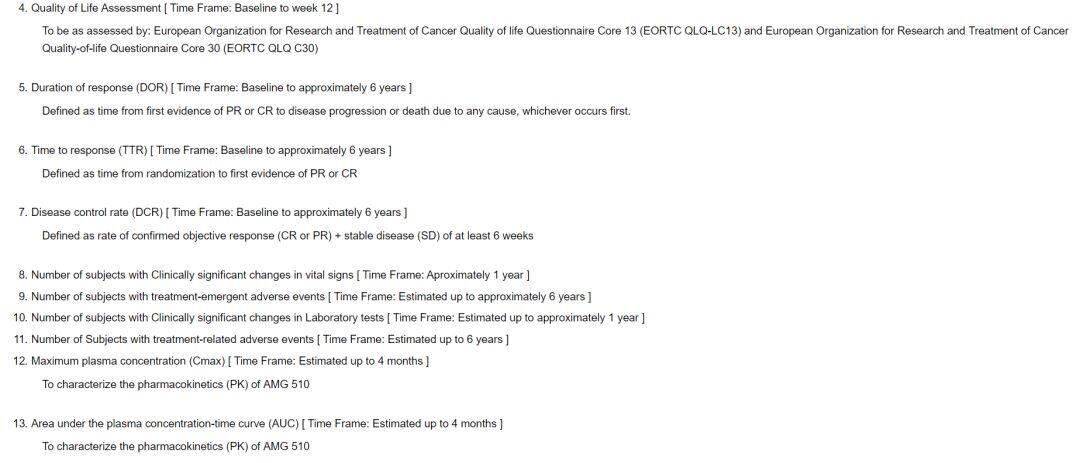
The primary endpoint of the study was progression-free survival (PFS), and the secondary endpoints included overall survival (OS), objective response rate (ORR), and duration of response (DOR).
RAS was the first oncogene identified in human tumors and remains one of the most prevalent oncogenic mutations, with over 30 years having elapsed since its discovery. The RAS gene family currently includes three known members: KRAS, NRAS, and HRAS, among which KRAS mutations are the most common, accounting for approximately 85% of cases. KRAS G12C mutations occur in approximately 13% of non-small cell lung cancer (NSCLC) cases, 3%–5% of colorectal cancer cases, and 1%–2% of other solid tumors. In the United States, approximately 30,000 new cases of KRAS G12C-mutant cancers are diagnosed annually.
Notably, the clinical trial application for AMG 510 submitted in China has been accepted by the Center for Drug Evaluation (CDE). Previously, Amgen presented Phase I clinical results of AMG 510 for the treatment of solid tumors at the ESMO 2019 Congress. Among 12 patients with colorectal cancer treated with AMG 510 (960 mg/day), one achieved a partial response, and ten achieved stable disease, resulting in a disease control rate of 92%. Among 13 patients with non-small cell lung cancer treated with AMG 510 (960 mg/day), seven achieved a partial response, and six achieved stable disease, yielding a disease control rate of 100%. Of two patients with appendiceal cancer, one achieved a partial response, and one achieved stable disease.