

Merck KGaA and Pfizer Discontinue Phase III JAVELIN Head & Neck 100 Trial of Bavencio with Chemoradiotherapy Due to Lack of Efficacy
Mar 16, 2020 11:14
CST Updated
Mar 14, 10:18

Merck Group
Pharmaceutical R&D Developer

Pfizer
Pharmaceutical R&D Developer
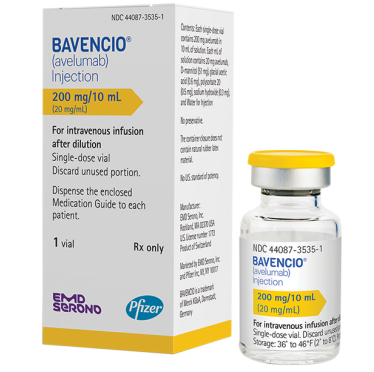
March 14, 2020/BioValleyBIOON/--Merck KGaA and partnersPfizer(Pfizer) recently jointly announced an update on the Phase III JAVELIN Head & Neck 100 study (NCT02952586) evaluating the anti-PD-L1 therapy Bavencio (avelumab) for the treatment of head and neck cancer.
This is a randomized, double-blind, placebo-controlled, parallel-group Phase III study that enrolled 697 patients with previously untreated, locally advanced squamous cell carcinoma of the head and neck (LA SCCHN) who were eligible for standard-of-care chemoradiotherapy (CRT) with curative intent. In the study, patients were randomized to receive either: (1) Bavencio plus CRT, followed by Bavencio maintenance therapy; or (2) CRT alone. The primary endpoint was progression-free survival (PFS) assessed according to the modified Response Evaluation Criteria in Solid Tumors (RECIST) version 1.1.
Merck and Pfizer have accepted the recommendation of the Independent Data Monitoring Committee (DMC) to terminate this study. The reason is that, based on the pre-planned interim analysis, the study is unlikely to meet its primary endpoint of achieving a statistically significant improvement in progression-free survival (PFS). Merck and Pfizer are currently conducting a detailed analysis of this study, and the results will be shared with the scientific community.
Over the past decade, innovative treatment options for patients with locally advanced squamous cell carcinoma of the head and neck (LA SCCHN) have been very limited. Despite receiving standard-of-care high-dose chemotherapy and radiotherapy regimens, a substantial proportion of patients ultimately experience disease recurrence. In light of the significant unmet medical need for additional therapeutic strategies to prevent recurrence or metastatic disease in this field, Merck and Pfizer initiated the JAVELIN Head & Neck 100 study, which will report on the combination of an immune checkpoint inhibitor with chemoradiotherapy (CRT) for the treatment of LA SCCHN.Clinical TrialResults of the first Phase III study.
Head and neck cancer is the sixth most common cancer worldwide. In 2016, there were nearly 150,000 newly diagnosed cases in the United States, Japan, and Europe. Approximately 60% of patients are diagnosed only when the disease has progressed to locally advanced stages (Stage III–IVb).DiagnosisHead and Neck Cancer. At this stage, the cancer has spread from the primary site to regional lymph nodes but has not metastasized to distant sites. The standard of care for these patients includes high-dose chemotherapy and radiotherapy.。
Bavencio belongs to the class of PD-(L)1 cancer immunotherapies, a highly regarded category of oncology immunotherapies designed to harness the body’s own immune system to combat cancer. By blocking the PD-1/PD-L1 signaling pathway, it induces cancer cell death and holds potential for treating various types of tumors. Bavencio has been demonstrated in preclinical models to engage both adaptive and innate immune responses. By blocking the interaction between PD-L1 and the PD-1 receptor, Bavencio has been shown in preclinical models to release T cell-mediated anti-TumorInhibition of the Immune Response.
In November 2014, Pfizer entered into an agreement worth up to $2.85 billion with Merck KGaA to enter the PD-(L)1 field. Currently, both parties are advancing the JAVELIN clinical development program, which involves more than 15 different types of tumors and over 10,000 patients. In addition to head and neck cancer, theseTumorTypes also include: ovarian cancer,Breast Cancer, gastric/gastroesophageal junction adenocarcinoma, Merkel cell carcinoma, non-small cell lung cancer, renal cell carcinoma, and urothelial carcinoma, etc.
In the United States, Bavencio was approved in March 2017FDAAccelerated approval for the treatment of metastatic Merkel cell carcinoma (mMCC) in pediatric patients aged 12 years and older and adults, making this drug the first globally approved therapy for mMCC.TumorImmunotherapy, a type ofMelanomaAggressive skin cancers with a poorer prognosis. In May 2017, Bavencio received accelerated approval from the U.S. FDA for: (1) patients with locally advanced or metastatic urothelial carcinoma (mUC) who experience disease progression during or after platinum-containing chemotherapy; and (2) patients with locally advanced or metastatic urothelial carcinoma (mUC) who experience disease progression within 12 months of receiving platinum-containing chemotherapy in the neoadjuvant (pre-surgical) or adjuvant (post-surgical) setting. In May 2019, the combination regimen of Bavencio and the tyrosine kinase inhibitor Inlyta (axitinib) was approvedFDAApproved for the first-line treatment of patients with advanced renal cell carcinoma (RCC). (Bioon.com)
Original Source: EMD Serono and Pfizer Provide Update on Phase III JAVELIN Head and Neck 100 Study