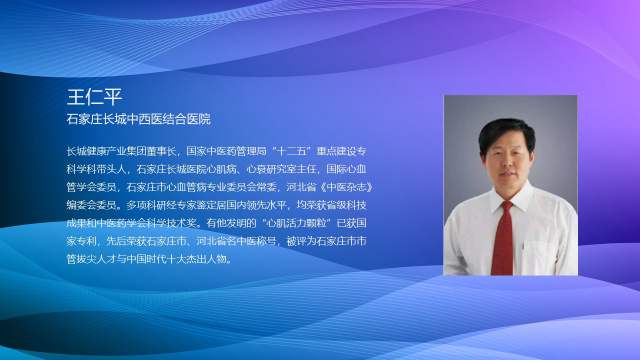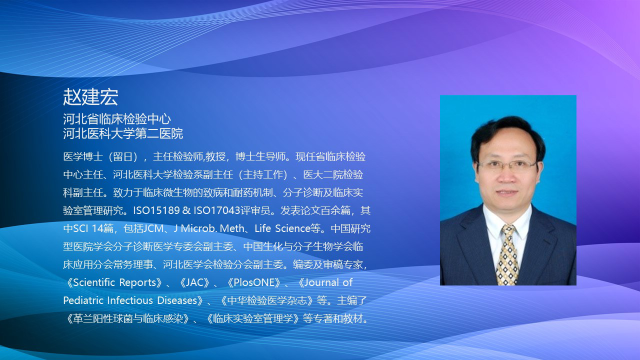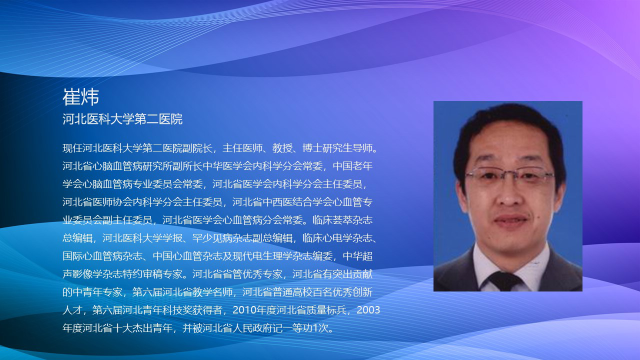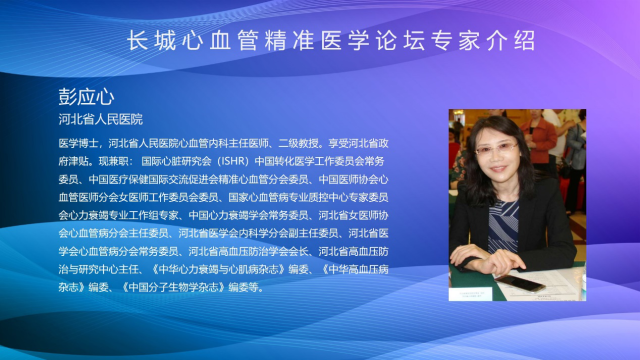
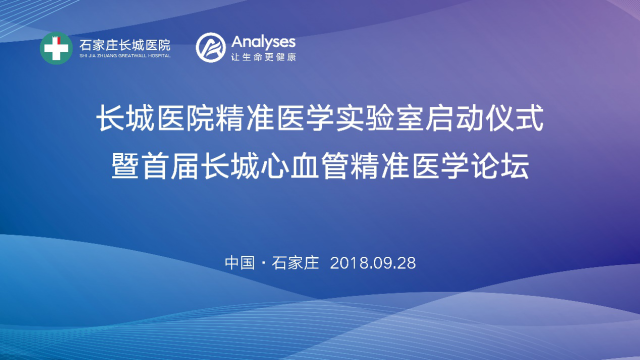
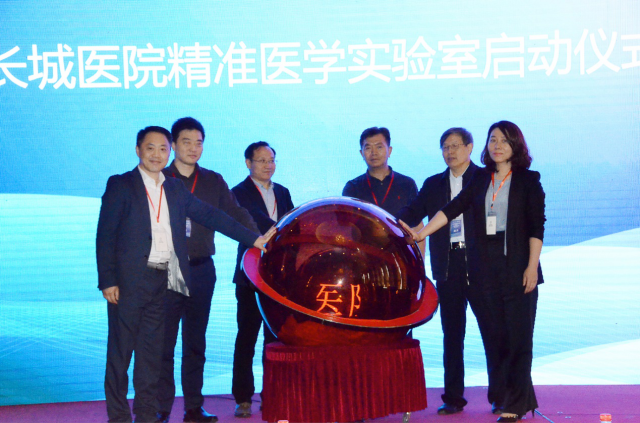
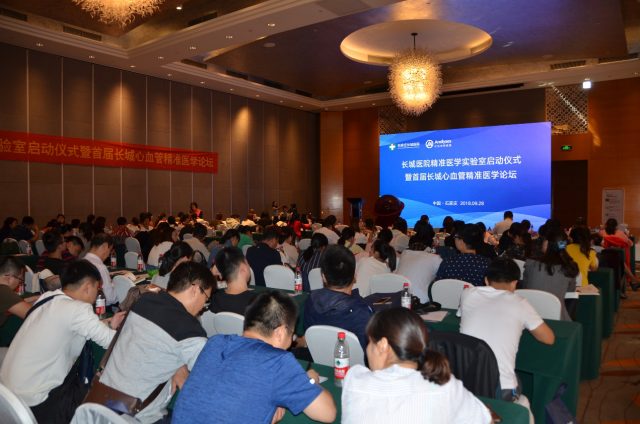
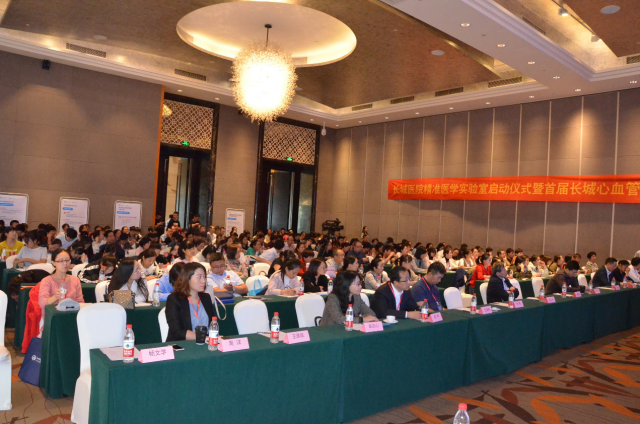
On September 28, the launch ceremony of the “Great Wall Hospital Precision Medicine Laboratory” and the First Great Wall Cardiovascular Precision Medicine Forum, co-hosted by Shijiazhuang Great Wall Hospital of Integrated Traditional Chinese and Western Medicine and Beijing Analyses Biotechnology Co., Ltd., and co-organized by Thermo Fisher Scientific, was grandly held at the Hilton Shijiazhuang Hotel. Experts from Fuwai Hospital of the Chinese Academy of Medical Sciences, the Chinese PLA General Hospital, Beijing Chaoyang Hospital Affiliated to Capital Medical University, Hebei Provincial People’s Hospital, and the Second Hospital of Hebei Medical University attended the conference and shared their academic achievements in their respective fields.
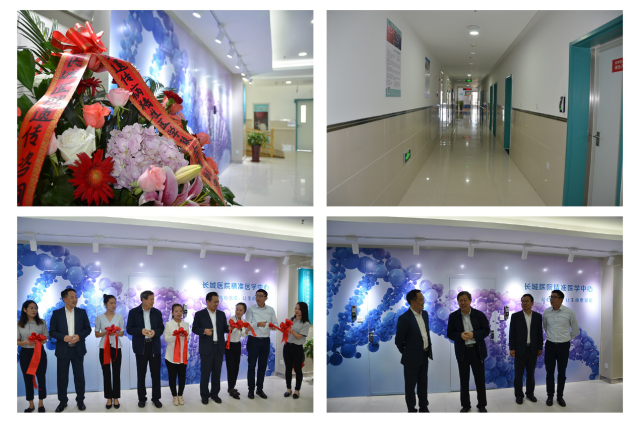
Great Wall Hospital Precision Laboratory is a precision medicine platform serving patients and medical institutions across China, offering professional services including genetic testing, genetic counseling, and precision health examinations. Leveraging Great Wall Hospital’s superior medical resources and extensive clinical experience, the laboratory employs state-of-the-art molecular diagnostic technologies to provide accurate, rapid, and reliable clinical decision support for disease prevention, early diagnosis, and personalized treatment. The laboratory’s testing portfolio covers hereditary cardiovascular diseases, hereditary kidney diseases, oncology, hematologic disorders, and pharmacogenomics. The establishment of the Great Wall Hospital Precision Medicine Laboratory marks a new chapter for precision medicine in Shijiazhuang, providing significant technological support for the development of genetic testing technologies and industry in the city.
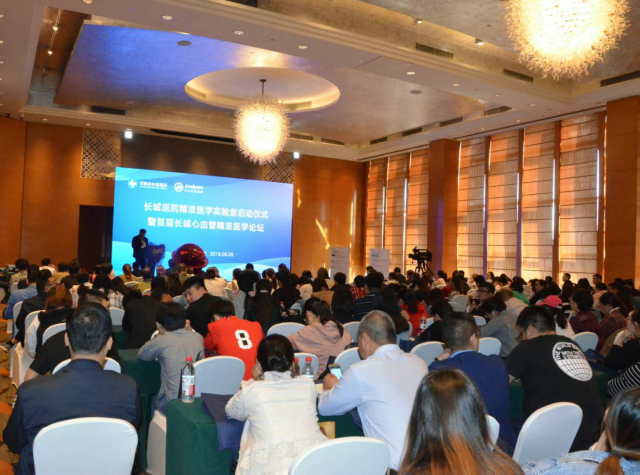
Following the opening ceremony, the Great Wall Cardiovascular Precision Medicine Forum officially commenced. The forum brought together clinical experts and scholars from Beijing and Hebei Province in the fields of cardiology and laboratory medicine to share cutting-edge advances and future prospects for the application of precision medicine in cardiovascular clinical diagnosis and treatment.
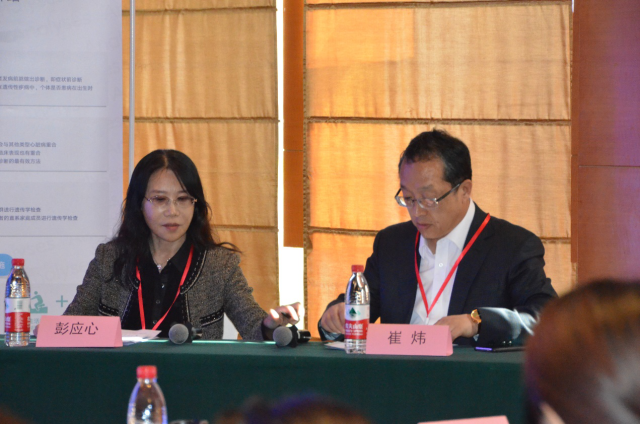
The forum was moderated by Dr. Cui Wei, Vice President of the Second Hospital of Hebei Medical University, and Dr. Peng Yingxin, Director of the Department of Cardiology at Hebei General Hospital.
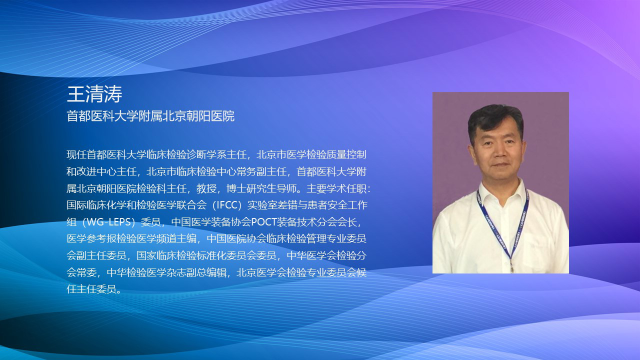
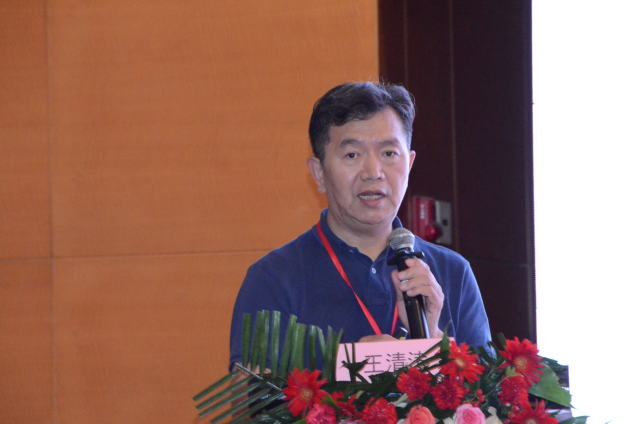
Professor Wang Qingtao from Beijing Chaoyang Hospital, Capital Medical University, first introduced the relevant content on the standardization and quality supervision of gene amplification testing.
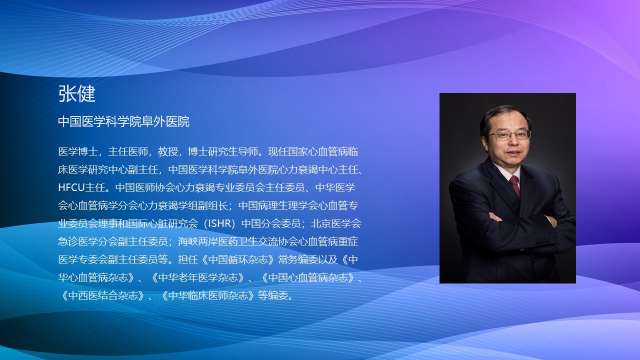
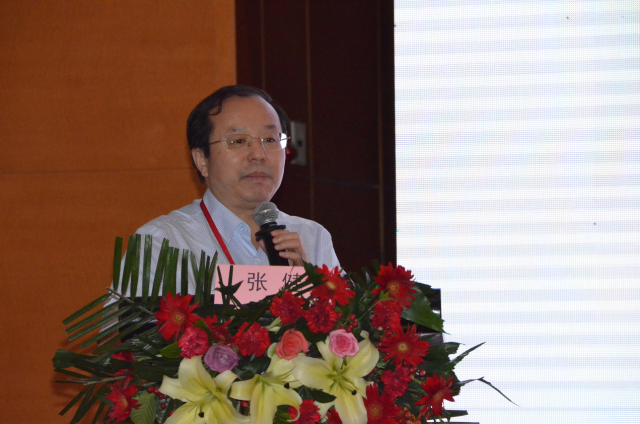
Next, Professor Zhang Jian from Fuwai Hospital of the Chinese Academy of Medical Sciences introduced advances and guidelines in the diagnosis and treatment of acute heart failure.
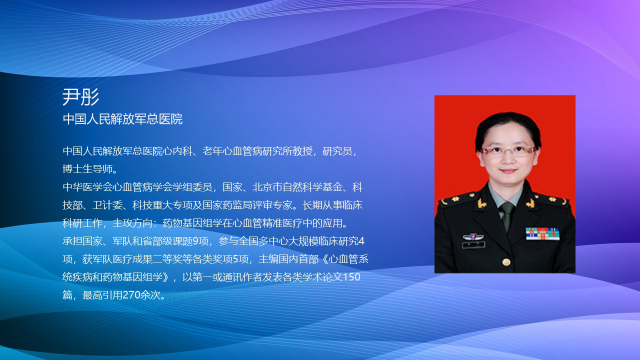
Professor Yin Tong from the Chinese PLA General Hospital shared with the audience the confusions, opportunities, and challenges in the clinical application of cardiovascular pharmacogenomics.
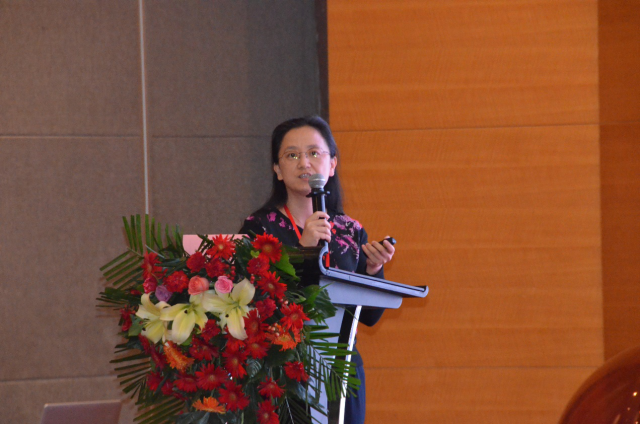
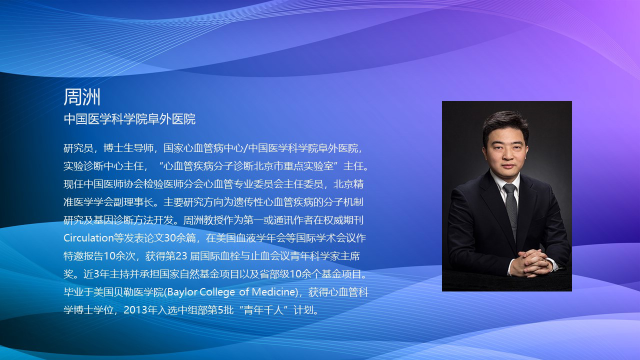
Professor Zhou Zhou from Fuwai Hospital, Chinese Academy of Medical Sciences, introduced the clinical application of precision medicine in cardiovascular diseases.
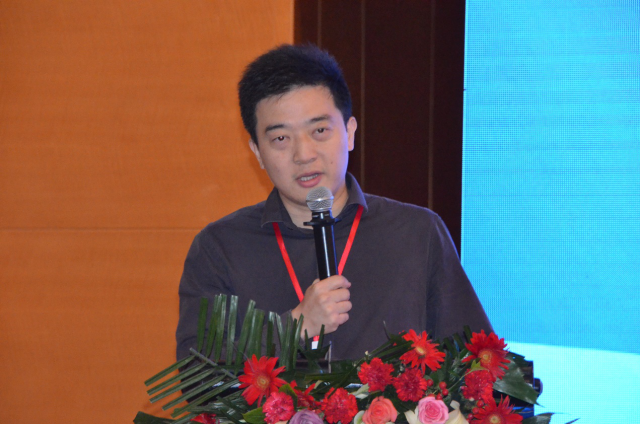
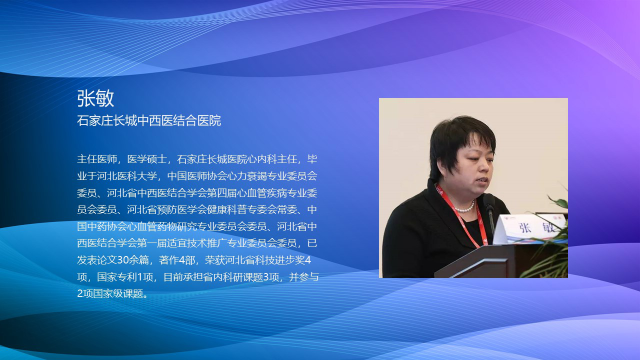
Finally, Professor Zhang Min from Shijiazhuang Great Wall Hospital of Integrated Traditional Chinese and Western Medicine delivered an excellent report on the clinical application of genetic testing for cardiomyopathy.
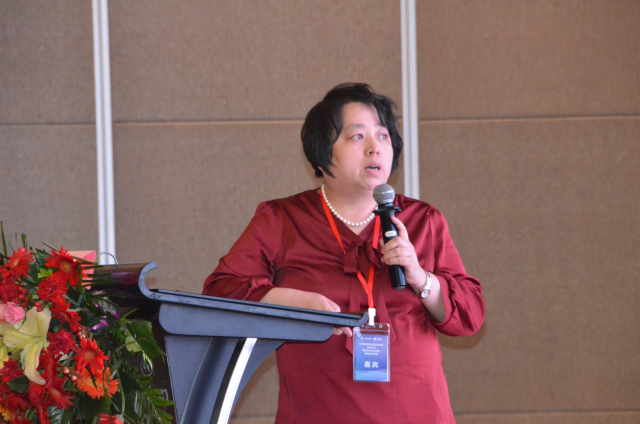
More than 150 medical professionals from hospitals at all levels in Hebei Province attended this forum and engaged in on-site exchanges with experts and professors. Participants expressed their hope that the Precision Medicine Laboratory would become operational as soon as possible, helping to achieve a leapforward improvement in the level of medical diagnosis and treatment in Shijiazhuang, providing precise testing services for primary healthcare institutions, and benefiting the vast number of patients across the city.
The Precision Medicine Laboratory at Great Wall Hospital marks another significant milestone in Analyses’ efforts to advance the clinical application of precision medicine in China. Leveraging its industry-leading capabilities in bioinformatics analysis, genetic interpretation, and automated data processing, Analyses will continue to facilitate the simpler and more reliable clinical implementation of molecular diagnostics, enabling clinicians to focus exclusively on patient care.
[Expert Introduction]