

Gilead's Epclusa (Sofosbuvir/Velpatasvir) Receives FDA Approval for Pediatric Hepatitis C Patients Aged 6+ and Weighing ≥17 kg
Mar 20, 2020 15:09
CST Updated
15:09

Gilead Sciences
Antiviral Drug Developer

FDA
U.S. Food and Drug Administration
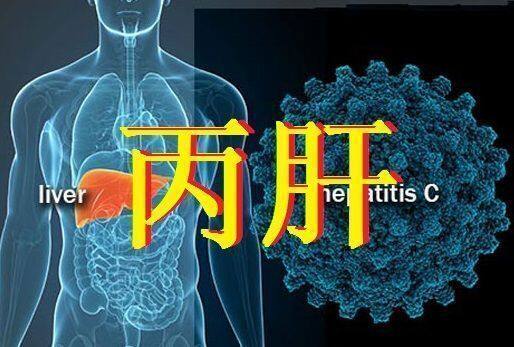
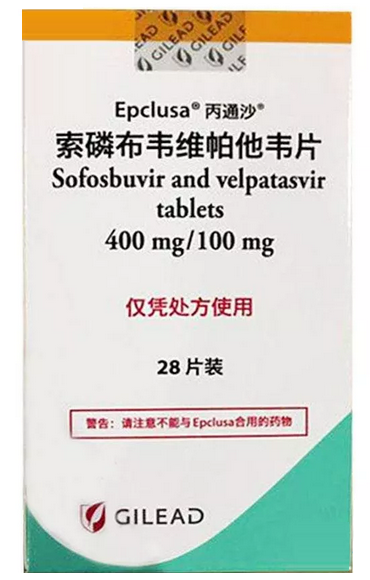
March 20, 2020/BioValleyBIOON/--Gilead Sciences recently announced that the U.S. Food and Drug Administration (FDA) has approved a supplemental new drug application (sNDA) for the hepatitis C medication Epclusa (Chinese brand name: Bingtongsha; generic name: sofosbuvir/velpatasvir, 400 mg/100 mg tablets) for the treatment of pediatric patients aged ≥6 years and weighing ≥17 kg with chronic hepatitis C, regardless of HCV genotype or severity of liver disease. Regarding dosing, the recommended dose of Epclusa in children aged ≥6 years is based on body weight and hepatic function. Notably, in the United States, Epclusa is the first pangenotypic, protease inhibitor-free regimen approved for the treatment of both adult and pediatric patients with hepatitis C.
In the United States, approximately 23,000 to 46,000 children are infected with the hepatitis C virus (HCV). Furthermore, there is growing concern regarding children born to mothers with hepatitis C; between 2011 and 2014, the prevalence of hepatitis C in this population increased by 60%. Additionally, among adolescents and young adults, high-risk behaviors such as intravenous drug use have become an increasingly common route of HCV transmission.
Epclusa is the world’s first all-oral, pan-genotypic, single-tablet regimen for the treatment of hepatitis C, administered once daily for patients with all six genotypes (GT-1, -2, -3, -4, -5, and -6). The drug combines Gilead’s marketed blockbuster hepatitis C medication Sovaldi (sofosbuvir) with another antiviral agent, velpatasvir. Sofosbuvir is a nucleotide analog polymerase inhibitor, while velpatasvir is a pan-genotypic NS5A inhibitor. Notably, the Epclusa labeling includes a boxed warning indicating the risk of hepatitis B virus (HBV) reactivation in patients co-infected with hepatitis C and hepatitis B (HCV/HBV).
Epclusa was approved for marketing in June 2016. With this latest approval, the drug is indicated for children aged ≥6 years and weighing ≥17 kg, as well as adults, with chronic hepatitis C virus (HCV) genotype 1–6 infection: (1) Epclusa monotherapy for 12 weeks is used for HCV patients without cirrhosis or with compensated cirrhosis (Child-Pugh class A); (2) Epclusa combined with ribavirin (RBV) for 12 weeks is used for HCV patients with decompensated cirrhosis (Child-Pugh class B or C). (3) For patients co-infected with hepatitis C and HIV (HCV/HIV), as well as those with renal impairment (including end-stage renal disease requiring dialysis), the dosing regimen follows option (1) or (2) based on the status of cirrhosis.
This approval is based on a Phase II open-labelClinical Trial(Study 1143) data. This trial enrolled 175 pediatric patients who received 12 weeks of Epclusa treatment, with 173 included in the efficacy analysis. Results showed that among pediatric patients aged 6–18 years with HCV genotypes 1, 2, 3, 4, and 6, the virologic cure rate (SVR12) for the 12-week Epclusa regimen was 95% (97/102) in patients aged 12 to <18 years and 92% (67/73) in patients aged 6 to <12 years.
By viral genotype: (1) Among children aged 12 to under 18 years, the cure rate with the 12-week Epclusa regimen was 93% (71/76) in patients with HCV genotype 1 infection, and 100% in those with genotype 2 (6/6), genotype 3 (12/12), genotype 4 (2/2), and genotype 6 (6/6) infections. (2) Among children aged 6 to 12 years, the cure rate with the 12-week Epclusa regimen was 93% (50/54) in patients with HCV genotype 1 infection, 91% (10/11) in those with genotype 3 infection, and 100% in those with genotype 2 (2/2) and genotype 4 (4/4) infections.
In this study, the safety of Epclusa treatment in children aged 6 years and older was comparable to that in adults.Clinical TrialThe results were largely consistent. The most commonAdverse Reactions(Incidence ≥10%, all grades) were headache and fatigue.
Kathleen B. Schwarz, M.D., Professor of Pediatrics at the Johns Hopkins University School of Medicine, stated, “Although treatments for hepatitis C have evolved in recent years, physicians caring for certain pediatric patients must still consider multiple factors when selecting an appropriate treatment regimen, including genotype and the severity of liver disease. The expanded approval of Epclusa can help eligible children with hepatitis C virus infection combat this life-threatening and debilitating disease.”
Gilead: Fourth-Generation Hepatitis C Products Fully Approved for Marketing in China

Gilead Sciences has developed four generations of products for hepatitis C, all of which have been approved for marketing in China:
—September 25, 2017,Sovaldi (Sofosbuvir), generic name: sofosbuvir, 400 mg tablets) was approved for use in combination with other drugs to treat genotype 1–6 hepatitis C virus infection in adults and adolescents aged 12 to 18 years. This approval makes Sovaldi the first hepatitis C treatment drug formally approved by Gilead Sciences in China;
—May 30, 2018,Epclusa (Sofosbuvir/Velpatasvir), generic name: sofosbuvir/velpatasvir, 400 mg/100 mg tablets) has been approved for the treatment of adult patients with chronic hepatitis C virus (HCV) infection of genotypes 1–6, mixed genotypes, or unknown genotypes. This approval makes Epclusa (丙通沙) the first pan-genotypic, single-tablet regimen for HCV in China.
—December 4, 2018Harvoni (Xiafaning), ledipasvir/sofosbuvir (ledipasvir 90 mg/sofosbuvir 400 mg) was approved for the treatment of adults and adolescents aged 12 to 18 years with chronic hepatitis C virus (HCV) infection genotypes 1–6.
—December 18, 2019,Vosevi(sofosbuvir/velpatasvir/voxilaprevir, SOF/VEL/VOX) has been approved for the re-treatment of chronic hepatitis C virus (HCV) infection in adults who have previously failed treatment with one direct-acting antiviral (DAA) regimen and who do not have cirrhosis or have compensated cirrhosis.
Among the aforementioned four hepatitis C drugs,Sovaldi is commonly known as “Gilead Generation 1,” Harvoni as “Gilead Generation 2,” Epclusa as “Gilead Generation 3,” and Vosevi as “Gilead Generation 4.”Among them, Vosevi (“Gilead’s Fourth Generation”) is the first once-daily single-tablet regimen approved globally as a salvage therapy for specific hepatitis C patients, and also marks the culmination of Gilead’s sofosbuvir (SOF)-based direct-acting antiviral (DAA) drug pipeline for HCV.
Notably, the U.S. drug labels for four medications include a boxed warning indicating that these drugs may pose a risk of hepatitis B virus (HBV) reactivation in patients co-infected with hepatitis C virus (HCV) and HBV. (Bioon.com)