

Takeda’s Targeted Therapy CABOMETYX (cabozantinib) Approved in Japan for Unresectable or Metastatic Renal Cell Carcinoma
Mar 26, 2020 10:13
CST Updated
10:13

Takeda
Biopharmaceutical Manufacturer

Exelixis
Developer of Novel Small Molecule Therapies
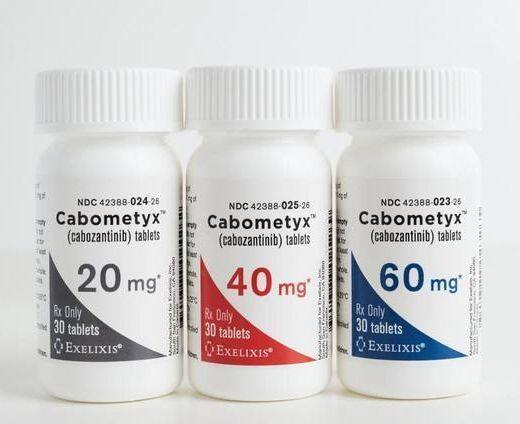
March 26, 2020/BioValleyBIOON/--Exelixis, Inc. recently announced that its Japanese partner, Takeda Pharmaceutical Company Limited, has received approval from the Japanese Ministry of Health, Labour and Welfare (MHLW) to manufacture and market the targeted anticancer drug Cabometyx (cabozantinib) for the treatment of patients with unresectable or metastatic renal cell carcinoma (RCC). Under the collaboration and license agreement between the two parties, Exelixis is eligible to receive a $31 million milestone payment upon Takeda’s first commercial sale of Cabometyx for the treatment of unresectable or metastatic RCC.
This approval is based on data from three clinical studies: (1) the METEOR study, a pivotal Phase III trial sponsored by Exelixis, conducted in patients with advanced renal cell carcinoma (RCC) who had experienced disease progression following treatment with at least one vascular endothelial growth factor receptor tyrosine kinase inhibitor (VEGFR-TKI), evaluating the efficacy and safety of Cabometyx versus everolimus; (2) the CABOSUN study, which was conducted byTumorClinical Trialsa Phase II study sponsored by the Alliance for Clinical Trials in Oncology (ACTO), which evaluated the efficacy and safety of Cabometyx versus sunitinib in patients with previously untreated intermediate- or poor-risk advanced renal cell carcinoma (RCC); (3) the Cabozantinib-2001 study, a Phase II trial sponsored by Takeda, conducted in 35 Japanese patients with advanced RCC who had experienced disease progression following prior VEGFR-TKI therapy.
Renal cell carcinoma is one of the most common types of cancer in both men and women. Clear cell renal cell carcinoma (RCC) is the most common type of kidney cancer in adults. When detected early, the 5-year survival rate for RCC is high. For patients with metastatic RCC at advanced or late stages, the 5-year survival rate is only 12%.
Most clear cell RCC tumors exhibit lower-than-normal levels of von Hippel-Lindau (VHL) protein, leading to elevated levels of MET, AXL, and VEGF. These proteins can promoteTumorAngiogenesis, Growth, Invasion, and Metastasis. MET and AXL may provide escape pathways that drive resistance to VEGF receptor inhibitors.
The active pharmaceutical ingredient of Cabometyx is cabozantinib, which exerts its antitumor effects by selectively inhibiting the MET, VEGFR2, and RET signaling pathways, thereby killingTumorcells, reduce metastasis, and inhibit angiogenesis. In the United States and the European Union, Cabometyx is approved for the treatment of patients with advanced renal cell carcinoma (RCC) and patients with hepatocellular carcinoma (HCC) who have previously been treated with sorafenib.
Exelixis granted Takeda exclusive rights to commercialize and conduct further clinical development of Cabometyx for all future indications in the Japanese market in 2017. In January 2020, Takeda submitted an application in Japan for Cabometyx to treat hepatocellular carcinoma (HCC) in patients who had previously received sorafenib, triggering a $10 million milestone payment. (Bioon.com)
Original Source: Exelixis Announces Partner Takeda Receivesapproval in Japan for CABOMETYX (cabozantinib) Tablets for the Treatment of Curatively Unresectable or Metastatic Renal Cell Carcinoma