

Eureka Therapeutics Secures $45 Million Series E Financing to Advance Antibody-Based T Cell Therapies for Solid Tumors

Eureka Therapeutics
Antibody Drug Developer
Recently, VCBeat learned thatUS biotech company Eureka Therapeutics announces completion of $45 million Series E financing round, led by Lyell Immunopharma, with participation from a consortium of new and existing investors.
Eureka Therapeutics has not raised capital frequently over the years. Its total funding amount is not even comparable to the hundreds of millions of dollars secured by some emerging startups in the biotechnology sector. However, since its founding in 2006, Eureka has been in operation for 14 years. To date, each of its funding rounds has been conducted steadily and prudently, with the company currently having completed its Series E financing.
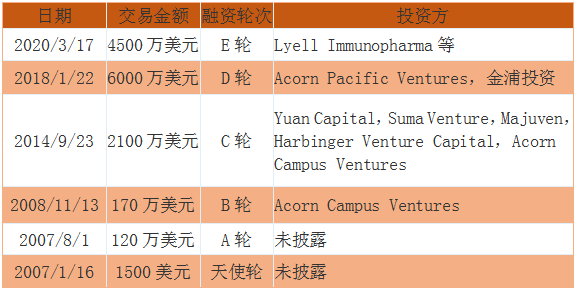
Eureka Therapeutics Financing History
In the biotechnology sector, it is difficult for a new technology to sustain long-term development without exceptional core capabilities and a highly capable incubation team, or if it lacks the substantial financial support required for research platform technologies.
How has Eureka Therapeutics navigated the field of biotech innovation with a “steady” approach, earning the favor of major investment firms?
Eureka Therapeutics, Inc., established in February 2006 and headquartered in the San Francisco Bay Area—the most dynamic hub of the U.S. biopharmaceutical industry—is a high-tech biotechnology company with robust new drug R&D capabilities and a portfolio of multiple international patents and independent intellectual property rights. The company is primarily dedicated to the development of next-generation antibody-based immunotherapies for cancer.。
It also has a wholly-owned subsidiary currently located at Tsinghua Science Park in Beijing: Eureka (Beijing) Biotechnology Co., Ltd. Established in April 2007, the company’s primary focus is on screening high-quality antibody drug candidates using its proprietary ALPHATM fully human phage antibody library technology platform.
Chinese scientist Liu Cheng is the founder and CEO of Eureka Therapeutics, Inc.. He holds Ph.D. degrees from Peking University and the University of California, Berkeley, and has over 20 years of experience in biological research and drug discovery, with extensive expertise and knowledge in the discovery and development of therapeutic antibodies for cancer treatment.

Founder & CEO Liu Cheng
Image source: Eureka Therapeutics official website
Prior to founding Eureka, Dr. Liu served as Chief Scientist in the antibody drug discovery program at Chiron (now part of Novartis). He has filed 18 invention patents in the United States and Europe. Additionally, he served as President of SAPA-West from 2004 to 2005, and as Chairman of its Executive Committee and Advisory Board from 1998 to 2007.
As an antibody-drug developer, Eureka Therapeutics is dedicated to improving the safety of T-cell therapies and developing T-cell therapies for malignant hematologic diseases and solid tumors.。
Meanwhile, Eureka Therapeutics holds multiple international patents and proprietary core technologies, such as the high-capacity fully human phage antibody library ALPHA™ and antibody ADCC enhancement technology.
Its core technology revolves around its proprietary ARTEMIS T-cell receptor platform and the ALPHATM phage display library, enabling the discovery and design of human antibodies targeting intracellular antigens via MHC class I complexes.
Eureka Therapeutics’ ALPHATM (Adaptive Library Panning for Human Antibody) fully human phage antibody library technology platform features a large library capacity, with the combined capacity of its natural and semi-synthetic libraries reaching 8.86×10¹⁰. The panning technology is flexible and diverse: as the libraries are stored as independent sub-libraries, sub-libraries with different sources and CDR characteristics can be selected according to project-specific requirements to achieve optimal panning results. The identification of candidate clones is professional and efficient, and the antibody sources are extensive, including spleen and peripheral blood from healthy individuals, as well as peripheral blood from patients with specific diseases (e.g., autoimmune diseases).。
ALPHATM is a highly diverse, fully human phage antibody library and a comprehensive technology platform specifically designed for the development of fully human antibody therapeutics.Eureka Therapeutics is the first company in the world to possess this technology.
Eureka Therapeutics’ therapeutic approach was once considered unattainable. Traditional T-cell therapies primarily rely on T-cell receptors to recognize extracellular proteins, thereby enabling targeted attacks against pathogenic proteins. However, the pathogenic proteins in cancer cells are often intracellular, making them difficult to identify.
Eureka Therapeutics’ proprietary ALPHATM technology platform is designed to discover antibodies that can recognize intracellular protein fragments presented by MHC-peptide complexes, thereby paving the way for immunotherapies targeting previously inaccessible potential targets. These antibodies can effectively penetrate cancer cells to identify cancer-associated proteins and subsequently mobilize the immune system to launch an attack.
The mechanism is as follows: During normal cellular function, intracellular proteins are degraded into fragments (peptides), which are then presented on the cell surface by major histocompatibility complex (MHC) molecules. When T cells—a branch of the immune system akin to a “royal guard”—recognize these peptide fragments as abnormal, they eliminate the diseased cells, thereby achieving therapeutic efficacy.
The path of scientific research is often tedious and lonely, yet it is brimming with imaginative possibilities. Driven by the ideal worlds they envision and construct, scientists explore the unknown mysteries with unwavering passion. This journey represents a contest and balance between ideals and reality. When the feasibility of realizing an ideal is high, it deserves steadfast and unhesitating perseverance. Along this path, scientists will find true like-minded companions.
Memorial Sloan Kettering Cancer Center (hereinafter referred to as MSKCC) is one such example. MSKCC discovered that a protein antigen, Wilms tumor 1 (WT1), is overexpressed in various leukemias and solid tumors. However, as an intracellular transcription factor, WT1 remains within the cell after being expressed as a protein. Typically, antibodies cannot directly target intracellular proteins, and small-molecule drugs are generally unable to modulate protein–protein interactions involving transcription factors.
However, WT1-derived peptides containing nine amino acid residues can be used to activate T-cell immune responses against certain types of WT1-positive tumor cells. These peptides are processed by molecules known as HLA-A*02:01 and presented on the cell surface in the form of HLA/peptide complexes. Subsequently, T-cell receptors recognize these HLA/peptide complexes displayed on cancer cells, leading to their attack and triggering a T-cell-mediated immune response.
At that time, research on the application of antibody or small-molecule drugs for WT1-positive cancers focused on two areas: vaccine development and T-cell therapy. Vaccine development was the mainstream approach. Several companies had advanced immunotherapies targeting WT1-positive cancers into clinical trials.
At the time, MSKCC had also intended to develop a cancer vaccine (had MSKCC’s research focus been fully dedicated to this endeavor, the breakthrough achievements now realized through the collaborative efforts of the two companies might not have emerged). However, MSKCC observed that all participants in the immunotherapy clinical trials were patients in remission or with mild disease, rather than those with more active disease. Given that WT1 peptide–HLA complexes are also present on the cell surface, it became necessary to reevaluate the potential of using therapeutic monoclonal antibodies to recognize WT1-positive cells.
Professor Scheinberg of MSKCC said, “Vaccine-based approaches are most likely applicable to cases of leukemia or tumors in which residual tumor tissue is undetectable following other treatments. In contrast, antibodies can be used to treat active tumors and offer a much simpler alternative to patient-specific activated T-cell therapy.”
Driven by the bold vision of this therapeutic approach and its “promising” application prospects, the MSCKK team initiated a collaboration with Eureka Therapeutics in 2010 to identify monoclonal antibodies capable of directly recognizing HLA/WT1-derived peptide complexes.
On March 4, 2013, researchers from both sides discovered a unique monoclonal antibody, ESK1, which can effectively penetrate into cancer cells and target the WT1 protein residing intracellularly. WT1 is overexpressed in a range of leukemias and other cancers, such as myeloma, breast cancer, ovarian cancer, and colorectal cancer. Since it is rarely found in healthy cells, drugs targeting WT1 are less likely to cause side effects.)。
Dr. Cheng Liu, President and Chief Executive Officer of Eureka Therapeutics, stated, “ESK1 represents a paradigm shift in the field of human monoclonal antibody therapeutics. This study demonstrates that human antibody therapy is no longer limited to targeting proteins located on the exterior of cancer cells, but can now target proteins within the cancer cells themselves.”
In studies on ESK1, researchers demonstrated that ESK1 alone can recognize the WT1 peptide and kill cancer cells in vitro as well as in mouse models of two different types of human leukemia. Before proceeding to test ESK1 in patients, additional laboratory studies must be conducted. However, because the monoclonal antibody is fully humanized, the timeline for advancing the drug to clinical trials has been accelerated.
At that time, Dr. Liu Cheng and Dr. Scheinberg of MSKCC both believed that therapeutic monoclonal antibodies had irreplaceable practical value, as they provided patients with a potential method for treating active tumors.
Haruo Sugiyama, Professor in the Department of Functional Diagnostic Science at the Graduate School of Pharmaceutical Sciences, Osaka University, is also an expert in this field. At the time, he held high expectations for ESK1, believing that curing leukemia required the complete eradication of leukemic stem cells. He reasoned that if ESK1 bound to the WT1-derived peptide–HLA complex on cell surfaces in a manner sufficiently similar to how WT1-specific cytotoxic T lymphocytes recognize their target, it should be capable of killing leukemic stem cells.
This antibody was jointly developed by Memorial Sloan Kettering and Eureka Therapeutics, and the two companies have jointly filed for patent protection.
Cheng Liu, President and Chief Executive Officer of Eureka Therapeutics, stated, “This collaboration highlights how academia, biotechnology companies, and pharmaceutical companies can work together to deliver innovative cancer treatments to patients. The success of ESK1 will transform the field of antibody therapy. It will validate the use of monoclonal antibodies against intracellular antigens, which were previously considered ‘undruggable’ targets.”
Along this forward-moving path, Eureka Therapeutics has found an increasing number of kindred spirits.
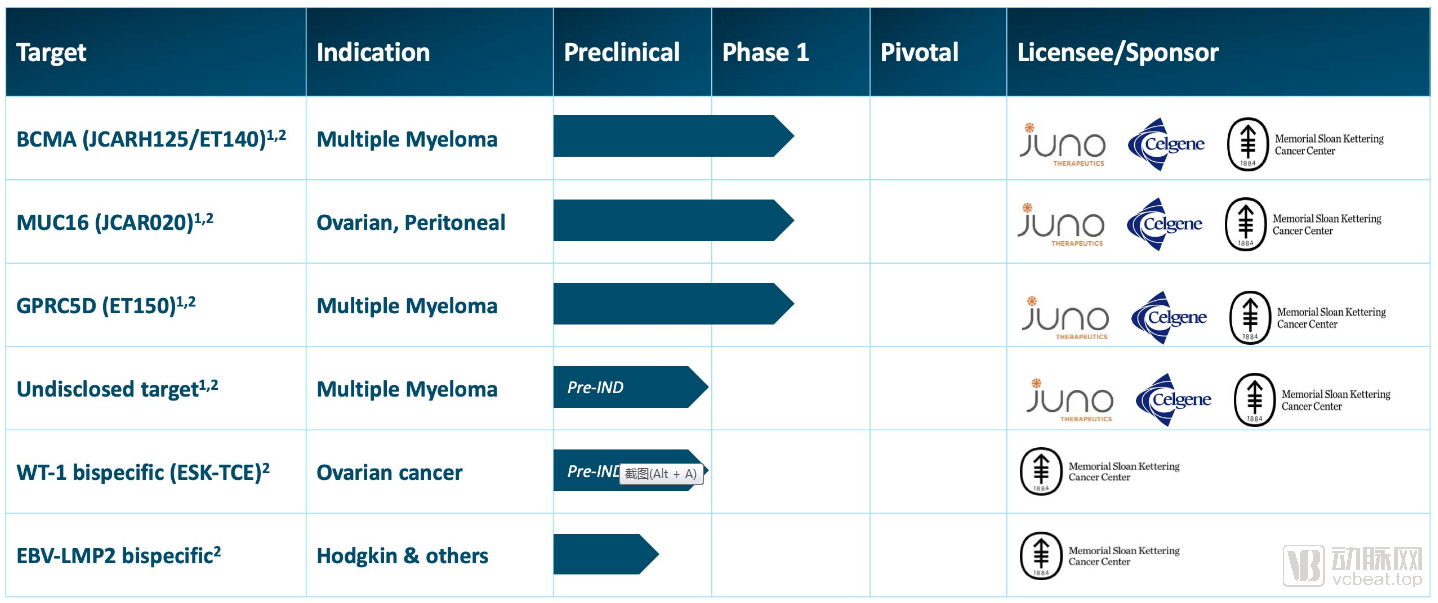
Pipeline Collaboration (Partnership)
Liver cancer ranks second among malignant tumors in terms of mortality rate, with approximately 600,000 people worldwide dying from liver cancer each year. Over the past 16 years, the liver cancer mortality rate in the United States has increased by 43%, with approximately 31,500 new cases annually. This is also why Dr. Cheng Liu’s team, founder and CEO of Eureka Therapeutics, chose liver cancer as their primary breakthrough target.
The monoclonal antibody ESK1, jointly discovered by Eureka Therapeutics and MSKCC, has demonstrated satisfactory immunotherapeutic efficacy in tumor animal models as an antibody-based biologic drug, while also serving as a single-chain antibody capable of specifically recognizing tumor cells for application in CAR-T therapy.
AndThe newly designed CAR-T cells are capable of secreting a simplified version of an immune checkpoint blockade antibody. This antibody functions similarly to the FDA-approved drugs nivolumab and pembrolizumab. By binding to the PD-1 protein and blocking its “brake” function, it enables CAR-T cells and immune cells surrounding the tumor to combat cancer more effectively.。
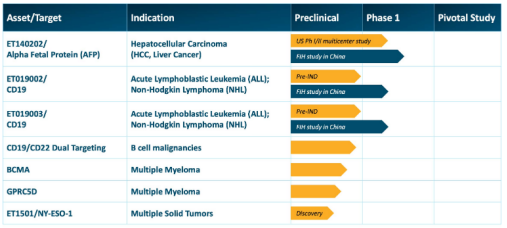
Proprietary Artemis AbTCR Pipeline
On July 19, 2018, Eureka Therapeutics and the First Affiliated Hospital of Xi’an Jiaotong University jointly initiated a prospective clinical study of structurally optimized ET019002-T cells for the treatment of refractory/relapsed B-cell malignancies. Preliminary animal studies and human pilot trials have already demonstrated the efficacy and safety of ET019002-T cell therapy for malignant B-cell tumors.
On August 6, 2019, Eureka Therapeutics initiated the Phase 1/2 clinical trial of its T-cell therapy, ET140202 Artemis, for the treatment of liver cancer in the United States. The trial aims to evaluate the safety and efficacy of this therapy in patients with advanced hepatocellular carcinoma (HCC).
On September 5, 2018, Eureka Therapeutics presented preliminary safety and efficacy data from the clinical study of its ET140202 ARTEMIS™ T-cell immunotherapy for patients with alpha-fetoprotein-positive advanced hepatocellular carcinoma (the most common type of liver cancer) at the World Summit on Cancer Cellular Immunotherapy.ET140202 resulted in one complete tumor regression and two partial tumor regressions among six evaluable patients.。
At the summit, Dr. Liu Cheng stated, “Combining T-cell immunotherapy with T-cell receptor-mimic antibodies to target endogenous, cancer-specific antigens within tumor cells represents a novel and highly promising therapeutic approach. The safety data and preliminary efficacy observations of Eureka ET140202 in the treatment of alpha-fetoprotein-positive hepatocellular carcinoma are encouraging. This approach may become an effective modality for treating solid tumors, particularly hepatocellular carcinoma, a cancer type urgently in need of more effective therapies.”
On March 27, 2019, Eureka Therapeutics announced that GPRC5D is a viable target for the rational design of CAR-T cell immunotherapy for multiple myeloma. Further studies demonstrated that GPRC5D-targeted CAR-T therapy can overcome tumor escape in models of tumor relapse caused by BCMA antigen loss.
On December 3, 2018, Eureka and Celgene jointly released preliminary clinical data from the proof-of-concept trial of JCARH125. JCARH125 is a CAR-T cell therapy developed by Juno Therapeutics, a subsidiary of Celgene, targeting BCMA for the treatment of relapsed/refractory multiple myeloma.
On March 17, 2020, Eureka Therapeutics announced the completion of its Series E financing and entered into a strategic collaboration with Lyell to develop therapies targeting several undisclosed solid tumor antigens across multiple cancer types.
Eureka Therapeutics stated that it will use the proceeds from its Series E financing to advance its proprietary TCR-mimic and antibody-TCR ARTEMIS® programs, including the Phase I/II clinical trial of its anti-AFP ARTEMIS® therapy, thereby continuing to drive research in hepatocellular carcinoma (HCC).