

Amgen's Repatha (Evolocumab) Significantly Reduces LDL-C in HIV Patients, Phase 3B BEIJERINCK Trial Shows
Mar 29, 2020 13:53
CST Updated
13:53

Amgen
Developer of Treatment Drugs for Serious Diseases

March 29, 2020 News /BioValleyBIOON/ -- Amgen recently announced positive results from the Phase IIIb BEIJERINCK study of Repatha® (evolocumab), a novel cholesterol-lowering drug in the PCSK9 inhibitor class. The results demonstrated that Repatha safely and effectively significantly reduced LDL-C levels in HIV-positive (HIV+) patients whose LDL-C remained inadequately controlled despite receiving maximally tolerated lipid-lowering therapy. These findings were presented at the American College of Cardiology’s Annual Scientific Session held from March 28–30.Meetingpresented at the virtual ACC20 conference and simultaneously published in the Journal of the American College of Cardiology (JACC). According to the study results,Repatha is the first PCSK9 inhibitor proven to reduce LDL-C in individuals with HIV.
BEIJERINCK was a randomized, double-blind, placebo-controlled, 24-week study designed to evaluate the efficacy and safety of Repatha administered at a dose of 420 mg once monthly for the treatment of hyperlipidemia or mixed dyslipidemia in HIV-positive patients. The study enrolled a total of 467 adult patients with known HIV infection who had been receiving stable antiretroviral therapy for six months or longer and maximally tolerated lipid-lowering therapy for four weeks or longer prior to randomization. Both background therapies remained unchanged throughout the study period. Patients intolerant to statins were eligible to participate in this study. Patients in the Repatha treatment group who completed the 24-week double-blind treatment period were enrolled into an open-label extension phase until the end of the study at Week 52.
The results demonstrated that the study met its primary endpoint (percent change in LDL-C from baseline) and all secondary endpoints: among people living with HIV (PLHIV) with hypercholesterolemia or mixed dyslipidemia, once-monthly Repatha treatment reduced LDL-C levels by 56.9% at 24 weeks compared with placebo. Compared with the placebo group, the Repatha group also showed improvements across all secondary endpoints: 71.9% of patients achieved a ≥50% reduction in LDL-C from baseline, and 65.4% of patients attained LDL-C levels <70 mg/dL. No new safety concerns were identified in this study, and the incidence of treatment-emergent adverse events (TEAEs) was comparable between the two treatment groups.
David M. Reese, Executive Vice President of Research and Development at Amgen, stated, “In people living with HIV, certain antiretroviral drugs can increase LDL-C levels and alter lipid composition. This study adds to the overall evidence base for Repatha and also provides a foundation for better understanding cholesterol management in this underrepresented patient population. These positive results indicate that Repatha can help these patients lower LDL-C, one of the most important modifiable risk factors for cardiovascular disease.”

Professor Franck Boccara, a cardiologist at Sorbonne University in Paris and the principal investigator of the BEIJERINCK study, stated: “Professional guidelines, including recent ones from the European Society of Cardiology and the European Atherosclerosis Society, call for more in-depth research into the efficacy and safety of PCSK9 inhibitors in specific populations, such as people living with HIV. The cholesterol-lowering guidelines from the American Heart Association and the American College of Cardiology also identify HIV infection as a factor that increases cardiovascular risk. Among people living with HIV who are receiving statin therapy but still have high LDL-C levels, BEIJERINCK is the first Phase III study to confirm that PCSK9 inhibitors can effectively and safely reduce LDL-C in this population. Addressing uncontrolled LDL-C in this high-risk patient group is crucial to maintaining the progress made in improving the lives of people living with HIV.”
Globally, there are approximately 38 million people living with HIV (PLHIV), including 1.1 million in the United States. It is estimated that PLHIV have nearly twice the cardiovascular (CV) risk compared to individuals without HIV. Furthermore, PLHIV face significant health challenges at an earlier age than those without HIV. Over the past two decades, the global burden of HIV-related cardiovascular disease has tripled, and this burden is expected to continue rising as the PLHIV population ages. Currently, 75% of PLHIV are aged 45 years or older.
The Phase IIIb BEIJERINCK study is part of Amgen’s PROFICIO clinical and real-world evidence (RWE) research program, which is investigating the role of Repatha in lowering LDL-C and cardiovascular outcomes across different populations, as well as examining the use of lipid-lowering therapies in these populations. To date, the PROFICIO program has included 35 studiesClinical Trials, involving more than 41,000 patients globally and over 80 real-world evidence studies.
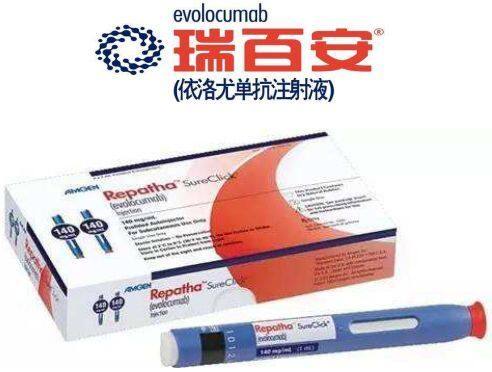
Repatha is a human monoclonal immunoglobulin G2 (IgG2) antibody targeting human proprotein convertase subtilisin/kexin type 9 (PCSK9). The drug binds to PCSK9, inhibiting the binding of circulating PCSK9 to low-density lipoprotein (LDL) receptors (LDLR), thereby preventing PCSK9-mediated LDLR degradation and allowing LDLRs to recycle back to the surface of hepatocytes. By inhibiting the binding of PCSK9 to LDLR, Repatha increases the number of LDLRs available to clear LDL from the bloodstream, thereby reducing LDL-C levels.
To date, Repatha has been approved in more than 70 countries and regions, including the United States, Japan, Canada, and all 28 member states of the European Union. Applications in other countries are currently underway.
In China, Repatha® (Repatha®, generic name: evolocumab) was first approved in August 2018, becoming the first PCSK9 inhibitor for the treatment of homozygous familial hypercholesterolemia (HoFH) in adults or adolescents aged 12 years and older. In January 2019, Repatha® received approval for a new indication: to reduce the occurrence ofMyocardial Infarction、Strokeand the risks associated with coronary revascularization. This approval makes Repatha the first PCSK9 inhibitor available in the Chinese market for this indication. (Bioon.com)