

First Patient Outside U.S. Treated in Global Kevzara® (Sarilumab) Trial for Severe COVID-19
Mar 31, 2020 08:45
CST Updated
01:45
Sanofi
Pharmaceutical R&D Developer
Regeneron
Biopharmaceutical Manufacturer
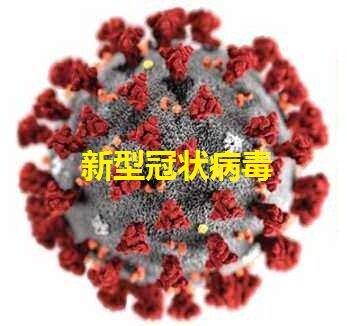
March 30, 2020 News /BioValleyBIOON/ -- Sanofi and its partner Regeneron recently announced jointly that the first patient outside the United States has begun treatment in the global clinical trial program evaluating the anti-inflammatory drug Kevzara (sarilumab) for the treatment of patients with severe novel coronavirus disease (COVID-19). As part of this program, a multicenter, double-blind Phase II/III trial has been launched in Italy, Spain, Germany, France, and Russia. Earlier this month, Sanofi and Regeneron announced the initiation of a multicenter, double-blind Phase II/III trial in the United States. According to previously released statements, Regeneron will lead the clinical trials in the United States, while Sanofi will lead those outside the United States.Clinical Trial。
Kevzara is a fully human monoclonal antibody that inhibits the IL-6 pathway by binding to and blocking the IL-6 receptor (IL-6R). IL-6 may play a role in the hyperactive inflammatory response in the lungs of patients with severe or critical COVID-19. Preliminary data from a single-arm study conducted in China evaluating another IL-6 receptor monoclonal antibody, tocilizumab (brand name in Chinese: Actemra; a Roche product), support the role of IL-6 in the pulmonary inflammatory response in patients with COVID-19.
On March 19, Roche announced a collaboration with the U.S. Biomedical Advanced Research and Development Authority (BARDA) to initiate a randomized, double-blind, placebo-controlled Phase IIIClinical Trial, to evaluate the safety and efficacy of Actemra/RoActemra® (tocilizumab) in combination with standard of care for adult patients hospitalized with severe COVID-19, compared with placebo plus standard of care. Notably, this is the first global study of Actemra/RoActemra® (tocilizumab) in the context of COVID-19. Patient enrollment is expected to begin in early April, with a target of enrolling approximately 330 patients worldwide, including in the United States.
To date, multiple independentClinical TrialsThe Efficacy and Safety of Actemra/RoActemra in the Treatment of COVID-19 Are Being Investigated. Scientists have obtained preliminary evidence indicating that interleukin-6 (IL-6) plays a critical role in driving the inflammatory immune response that leads to acute respiratory distress syndrome (ARDS) in critically ill patients with COVID-19. Initial non-peer-reviewed results from a single-arm trial involving 21 Chinese patients found that fever subsided rapidly within days after treatment with the IL-6 receptor antibody tocilizumab (Actemra®), and 75% of patients (15 out of 20) experienced a reduced need for supplemental oxygen. Based on these findings, China’s National Health Commission updated its COVID-19 treatment guidelines and approved the use of tocilizumab (Actemra®) for the treatment of severe or critically ill patients.
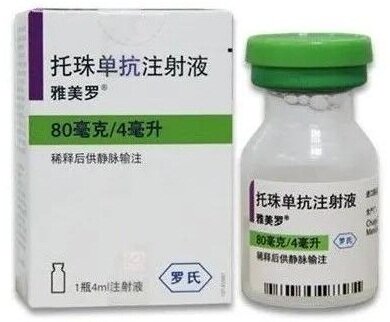
Tocilizumab (Actemra®, tocilizumab; English brand names: RoActemra/Actemra) is an IL-6 receptor-targeting agent developed by Roche.Monoclonal Antibody Drugs, the drug has been marketed in China for the treatment ofRheumatoid Arthritis(RA) and systemic juvenile idiopathic arthritis (sJIA). In the United States and the European Union, tocilizumab is also approved for the treatment of severe or life-threatening cytokine release syndrome (CRS) associated with chimeric antigen receptor T-cell (CAR-T) therapy.
Notably, tocilizumab was the first drug approved for the treatment of cytokine release syndrome (CRS). Chinese scientists discovered that during the treatment of COVID-19 in intensive care isolation units, IL-6-dominated cytokine storms, namely CRS, were a significant factor contributing to clinical deterioration and patient mortality.
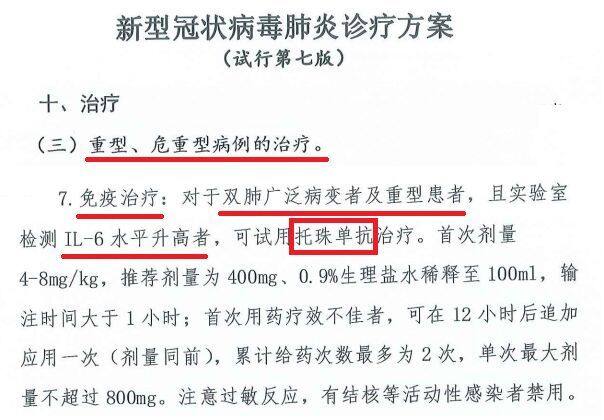
According to the "Diagnosis and Treatment Protocol for Novel Coronavirus Pneumonia" issued by the National Health Commission,Click to visit the official website) trial version, in the seventh edition (latest version) of the treatment plan for severe and critically ill cases, a new immunotherapy regimen has been added:For patients with extensive bilateral lung lesions and severe disease, particularly those with elevated IL-6 levels detected in laboratory tests, tocilizumab therapy may be considered on a trial basis.
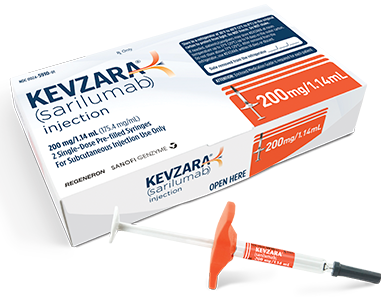
Kevzara (sarilumab) is a fully human monoclonal antibody targeting the interleukin-6 receptor (IL-6R), which specifically binds to both soluble and membrane-bound IL-6R, thereby inhibiting cell signaling mediated through these receptors. IL-6 plays a role inRheumatoid Arthritis(RA) It is the most abundant cytokine in the serum and synovial fluid of patients, and its levels are closely correlated with disease activity, joint destruction, and other systemic complications.
Sarilumab was developed by Regeneron using its proprietary VelocImmune antibody technology, which blocks the binding of IL-6 to its IL-6 receptor (IL-6R), thereby interrupting the cytokine-mediated inflammatory signaling cascade.
Kevzara was approved for marketing in 2017, with the indication for the treatment of adult patients with moderate to severe rheumatoid arthritis (RA) who have had an inadequate response or intolerance to one or more disease-modifying antirheumatic drugs (DMARDs). Currently, Sanofi and Regeneron are rapidly advancing clinical programs to evaluate Kevzara for the treatment of patients with severe novel coronavirus pneumonia (COVID-19).
In response to the coronavirus pandemic, in addition to Kevzara, Sanofi’s vaccine division, Sanofi Pasteur, is also actively developing a vaccine against the novel coronavirus (SARS-CoV-2). In February this year, Sanofi Pasteur announced a collaboration with the U.S. Biomedical Advanced Research and Development Authority (BARDA) to develop a recombinant protein-based candidate vaccine for COVID-19. Just last week, Sanofi Pasteur and Translate Bio announced an expanded partnership to develop a novel mRNA vaccine for COVID-19.
Regeneron is also developing a novel antibody cocktail for the treatment of COVID-19, which is expected to enter human clinical trials this summer.Clinical TrialThis antibody cocktail was developed using Regeneron’s proprietary VelocImmune technology. Previously, a mixed antibody regimen based on this technology, REGN-EB3, demonstrated robust efficacy in combating the Ebola virus and was proven to significantly improve survival rates among infected individuals. (Bioon.com)