


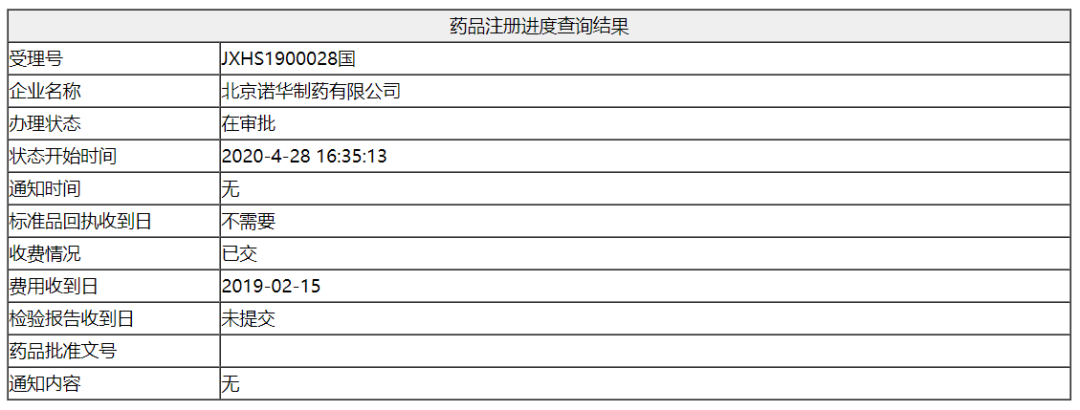
On April 28, Novartis’s marketing application for “Siponimod Tablets” (JXHS1900028/9) submitted in China entered the administrative approval stage, with expected approval in the near term.
Siponimod (brand name: Mayzent) was approved by the FDA on March 26, 2019, for the treatment of adult patients with relapsing forms of multiple sclerosis, including active secondary progressive multiple sclerosis (SPMS), relapsing-remitting multiple sclerosis (RRMS), and clinically isolated syndrome (CIS). It is the first oral medication approved by the FDA for the treatment of SPMS.
Results from the Phase III EXPAND study demonstrated that Mayzent significantly reduced the risk of 6-month confirmed disability progression (CDP) by 21% compared with placebo in patients with SPMS; among patients who had experienced relapse activity within two years prior to screening, Mayzent reduced the risk of CDP by 33% compared with placebo. Furthermore, Mayzent significantly reduced the risk of 6-month CDP by 26% and the annualized relapse rate (ARR) by 55% compared with placebo.
Furthermore, the EXPAND study demonstrated that Mayzent offers significant advantages in other relevant indicators of MS disease activity, including cognition, MRI disease activity, and brain volume loss (brain atrophy). In terms of safety, the most common adverse reactions (incidence >10%) included headache, hypertension, and elevated transaminases.
Multiple sclerosis (MS) is a chronic disease caused by an abnormal immune response in which the body’s immune system attacks the myelin sheaths of nerve cells in the brain, spinal cord, and optic nerves. It manifests as muscle weakness, fatigue, and visual disturbances, ultimately leading to disability. There are approximately 2.3 million people with MS worldwide. Of these, 85% are diagnosed with relapsing-remitting multiple sclerosis (RRMS) at initial diagnosis, while 15% have primary progressive multiple sclerosis (PPMS). Patients with RRMS experience periodic relapses and remissions; as the disease progresses, it often evolves into secondary progressive multiple sclerosis (SPMS). In contrast, patients with PPMS exhibit continuous worsening of symptoms without distinct periods of remission.
Siponimod is a next-generation sphingosine-1-phosphate receptor (S1PR) modulator developed by Novartis, which selectively binds to S1P1 and S1P5 receptors. Upon binding to the S1P1 receptor, it prevents lymphocytes from egressing lymph nodes and entering the central nervous system (CNS), thereby exerting anti-inflammatory effects. Furthermore, siponimod can penetrate the CNS and directly bind to S1P5 and S1P1 receptors on oligodendrocytes and astrocytes, promoting remyelination and preventing inflammation.
In September 2010, Novartis launched Gilenya (fingolimod), the world’s first sphingosine-1-phosphate receptor (S1PR) modulator for the treatment of multiple sclerosis (MS). It was also the first oral therapy capable of reducing the frequency of relapses in MS patients and quickly became a blockbuster drug after its market entry. In 2019, Gilenya generated $3.223 billion in sales revenue. As the patent cliff approached, Novartis secured approval for its next-generation S1PR modulator, Mayzent, thereby maintaining its leading position in this therapeutic area. Additionally, Bristol Myers Squibb’s Zeposia (ozanimod) received FDA approval on March 27, 2020, becoming the third S1PR modulator approved globally and directly challenging Novartis’ market dominance.