

Higher Doses of Trulicity (Dulaglutide) Demonstrate Significantly Enhanced Glycemic Control and Weight Loss in Phase III AWARD-11 Trial
May 09, 2020 15:48
CST Updated
15:38

Eli Lilly
Global Pharmaceutical R&D and Production Company

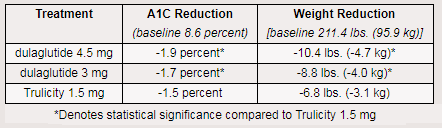
May 09, 2020 News /BioValleyBIOON/ --Eli Lilly(Eli Lilly) recently announced the evaluation of high-dose Trulicity (dulaglutide) for the treatment of type 2DiabetesNew 36-Week Data from the Phase III AWARD-11 Trial. The trial evaluated the efficacy and safety of higher doses of Trulicity (3 mg and 4.5 mg) versus the approved dose (1.5 mg). Results showed that higher doses of Trulicity (3 mg and 4.5 mg) were well tolerated, reducing type 2DiabetesThe patient’s glycated hemoglobin (A1C) levels decreased by 1.9% from baseline, and body weight decreased by 10.4 pounds (approximately 4.7 kilograms).
The results of this trial have been published in the Journal of The Endocrine Society. “The AWARD-11 trial confirmed our expectation that, compared with the 1.5 mg dose of Trulicity, higher study doses of Trulicity enabled patients with type 2DiabetesThe patient’s blood glucose levels and body weight decreased significantly. These promising data indicate that, in the treatment of type 2Diabetes“From the patient perspective, higher doses of Trulicity may become a therapeutic option for clinicians.”
AWARD-11 was a randomized, double-blind, parallel-group Phase III study that enrolled 1,842 patients with type 2 diabetes to evaluate the safety and efficacy of two investigational doses of Trulicity (3.0 mg and 4.5 mg, administered once weekly) compared with the approved 1.5-mg dose (administered once weekly). The primary objective of the study was to demonstrate that, in patients with type 2 diabetes who had inadequate glycemic control on metformin therapy, the glucose-lowering efficacy of the once-weekly investigational doses was superior to that of the approved 1.5-mg dose after 36 weeks of treatment. Secondary and exploratory endpoints included mean change in body weight, proportion of patients achieving hemoglobin A1c (A1C) <7%, fasting plasma glucose (FPG), and the incidence of hypoglycemia during the 36-week and 52-week treatment periods.
The results showed that, compared with the 1.5 mg dose of Trulicity, the 4.5 mg dose of Trulicity significantly reduced blood glucose levels (A1C) from baseline in analyses using two primary statistical methods (efficacy evaluation and treatment protocol evaluation). These two methods were used to assess the efficacy of the higher dose.
Efficacy Assessment Method: This method analyzes subjects who are still receiving treatment, and the data show that the 3 mg and 4.5 mg doses achieved significantly greater reductions in A1C and body weight compared to the 1.5 mg dose.
Treatment Regimen Evaluation Method: Each dose resulted in significant reductions in A1C and body weight, but only the 4.5 mg dose demonstrated superiority compared to the 1.5 mg dose. Specific data are as follows: (1) A1C reduction: -1.8% (4.5 mg), -1.6% (3 mg), -1.5% (1.5 mg). (2) Weight loss: -10.1 lbs (-4.6 kg, 4.5 mg), -8.4 lbs (-3.8 kg, 3 mg), -6.6 lbs (-3.0 kg, 1.5 mg).
In both analyses, the majority of patients receiving high-dose therapy achieved the treatment goal of HbA1c <7% recommended by the American Diabetes Association.
In this study, the safety and tolerability profiles of high-dose Trulicity (3 mg and 4.5 mg) were consistent with the known profile of Trulicity 1.5 mg. The most common adverse events at each dose were gastrointestinal in nature.
Eli LillyDr. Dawn Brooks, Global Development Lead for Trulicity, stated, “Diabetes is a complex disease that may require additional therapies over time to maintain glycemic control. This is why we studied higher doses of Trulicity, the most prescribed GLP-1 receptor agonist in the United States. We are encouraged by these data and by the potential to provide new treatment options for patients with type 2 diabetes who may need to improve upon their existing treatment regimens.”
The 52-week results of the AWARD-11 study were consistent with the 36-week results, with further details to be announced at a later date. The results of the AWARD-11 study have been submitted to regulatory authorities in the United States and Europe for review.
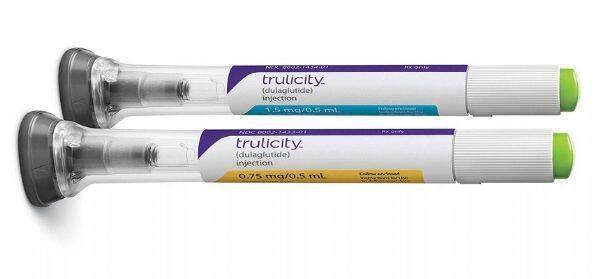
Trulicity is a glucagon-like peptide-1 (GLP-1) receptor agonist (RA) administered once weekly. It has also been approved, in conjunction with diet and exercise, to improve glycemic control in adult patients with type 2 diabetes. In February 2020, Trulicity received U.S.FDAApproval of a new indication to reduce the risk of major adverse cardiovascular events (MACE) in adult patients with type 2 diabetes who have established cardiovascular (CV) disease or multiple CV risk factors. Notably, this approval makes Trulicity the first type 2 diabetes medication approved to reduce MACE risk in both primary and secondary prevention populations.
GLP-1 RAs are a highly prominent class of medications in the treatment of diabetes. GLP-1 RAs are not insulin; rather, they are a novel class of insulin secretagogues. Their mechanism of action is similar to that of the endogenous hormone GLP-1, promoting the body’s own insulin secretion in response to food intake. They offer potent glucose-lowering effects and a lower risk of hypoglycemia, while also havingWeight LossEfficacy and Advantages in Providing Cardiovascular Benefits.
Since its U.S. launch in 2014, Trulicity has become the most prescribed GLP-1 receptor agonist (GLP-1RA). In addition to its proven glucose-lowering efficacy and user-friendly delivery device, Trulicity is now also indicated to help reduce the risk of cardiovascular events in patients with type 2 diabetes. According to forecasts by pharmaceutical market research firm EvaluatePharma, Trulicity’s sales will reach $7.13 billion in 2024, making it the best-selling antidiabetic medication worldwide. (Bioon.com)
Original Source: Higher investigational doses of Trulicity® (dulaglutide) meaningfully reduced A1C and body weight in people with type 2 diabetes