

HuaXia BioTech Files for IPO: A Pioneer in Novel T-cell Immunotherapies with Proprietary STAR-T and TCR-T Platforms

BriSTAR Immunotech
Cellular Immunotherapy Product Developer
Cellular immunotherapy has emerged as a prominent area of oncology research in recent years, with CAR-T and TCR-T cell therapies accounting for a significant share. According to the study “The global landscape of cancer cell therapy” published by the Cancer Research Institute (CRI) in New York, as of March 2018, there were 753 ongoing clinical development programs for immune cell therapies worldwide, including 404 for CAR-T and 80 for TCR-T cell therapies.
Currently, two CAR-T drugs have been approved by the FDA for marketing in the United States, whereas no TCR-based therapies have yet reached the market. “The development of TCR-T drugs is doubly constrained by the diversity of HLA haplotypes and the varying antigenic sequences they present, which significantly increases the difficulty of obtaining and industrializing TCR sequences for treating the same disease across different individuals,” stated Dr. Zhao Xueqiang, CEO and Co-founder of Huaxia Yingtai. “If a platform-based process for efficiently acquiring specific TCR sequences can be established, it will enable the development of TCR sequences tailored to different HLA haplotypes and facilitate their translation into clinical applications.”
As an innovative biopharmaceutical company dedicated to the development and commercialization of cell-based immunotherapies for a wide range of diseases, with a focus on TCR-T therapies, Huaxia Yingtai has, within just two years of its establishment, built two proprietary T-cell immunotherapy drug development platforms—TCR-T and STAR-T—as well as a mature industrial-scale platform for process development and quality control. The company’s pipeline comprises more than ten candidates covering both solid tumors and hematologic malignancies, and it has initiated seven “First-in-Human” clinical studies.
Prior to founding Huaxia Yingtai, Professor Lin Xin served as a named chair professor at the University of Texas MD Anderson Cancer Center, Deputy Director of the Center for Inflammation and Cancer, and Director of the Department of Tumor Biology. With over 20 years of experience independently leading teams in fundamental T-cell research, he has published more than 100 scientific papers and served as principal investigator for over 30 projects funded by the U.S. National Institutes of Health (NIH) and the National Natural Science Foundation of China (NSFC). His team was the first in the world to identify CARMA1 as a key molecule in T-cell activation and comprehensively elucidate its signaling pathway, with these findings incorporated into the authoritative English-language textbook *Immunobiology*.
In 2014, Professor Lin Xin returned to China and began preliminary technical development of CAR-T and TCR-T therapies at Tsinghua University. Professor Lin stated, “It is the shared dream of scientists engaged in basic biomedical research to translate our findings into tools that benefit humanity, develop novel therapeutic approaches, alleviate suffering for cancer patients, provide personalized precision medicine, and leave our milestones in the history of humanity’s fight against cancer.”
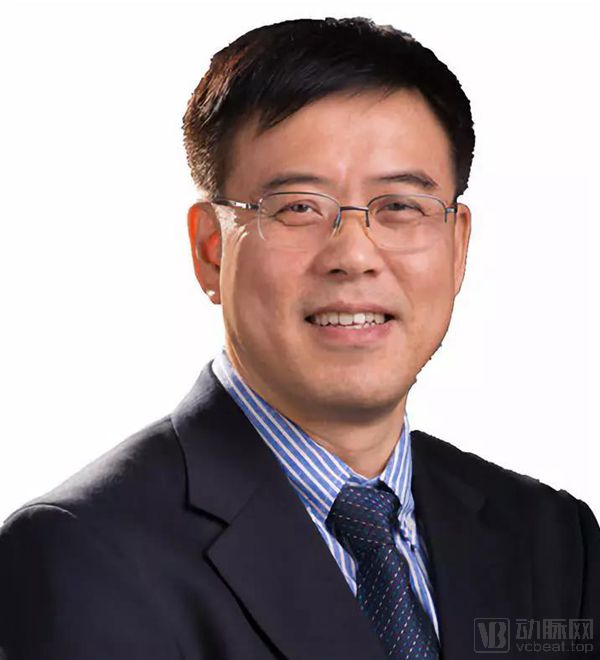
Professor Lin Xin, Chief Scientist of Huaxia Yingtai
In March 2018, Huaxia Yingtai was established, with Professor Lin Xin serving as Chief Scientist. Zhao Xueqiang, Co-founder and CEO, holds a Ph.D. in Tumor Immunology from the Chinese Academy of Sciences. In 2010, he joined Professor Lin’s laboratory at MD Anderson Cancer Center as a visiting scholar. At the end of 2013, he returned to Tsinghua University as an Associate Professor, where he collaborated with Professor Lin on the technological development of cellular immunotherapy. He managed a research team of over 30 members and oversaw research projects worth more than RMB 50 million, filing over 10 related invention patents. Since the establishment of Huaxia Yingtai at the end of 2017, he has been fully responsible for the company’s overall operations and management.
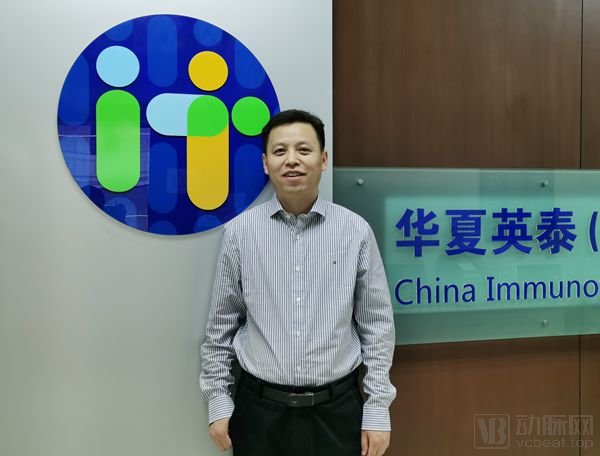
Dr. Xueqiang Zhao, CEO and Co-founder of Huaxia Yingtai
Currently, the company has established a product development team of over 40 members, attracting several professionals with extensive experience in drug development. The core technical personnel are all Ph.D. holders in immunology or medicine from renowned universities.
Huaxia Yingtai was established with support from the angel round of financing provided by Qinghe Ventures. As the investment management platform for technology transfer and achievement commercialization at Tsinghua University, Qinghe Ventures plays a vital role in Tsinghua’s innovation ecosystem. In October 2018, Huaxia Yingtai completed its Series B financing with support from Qinghe Ventures and Qifu Lingchuang Fund, which is affiliated with Zhongguancun Development Group. In December 2019, Huaxia Yingtai closed its Series A financing round, raising RMB 45 million. The round was led by Shanghai Jianxin Capital, with participation from Guanghua Venture Capital and Zhejiang Huacheng Group.
In December 2018, Huaxia Yingtai launched a clinical research project on TCR-T therapy. “Initially, we focused more on developing TCR-T therapies that might offer greater advantages for solid tumors. However, TCR-T therapy faces challenges such as HLA matching and limited target specificity, making it a medium- to long-term research endeavor,” stated Dr. Zhao Xueqiang. “CAR-T technology has already become highly mature in the treatment of hematologic malignancies. Professor Lin and I also considered whether CAR-T and TCR-T could be combined to create a cell therapy bridging the two approaches. This would not only validate the efficacy of TCR sequences but also accelerate the development of our clinical pipeline, which was the original intention behind the development of the STAR-T platform.” In May 2019, Huaxia Yingtai initiated clinical studies on STAR-T.
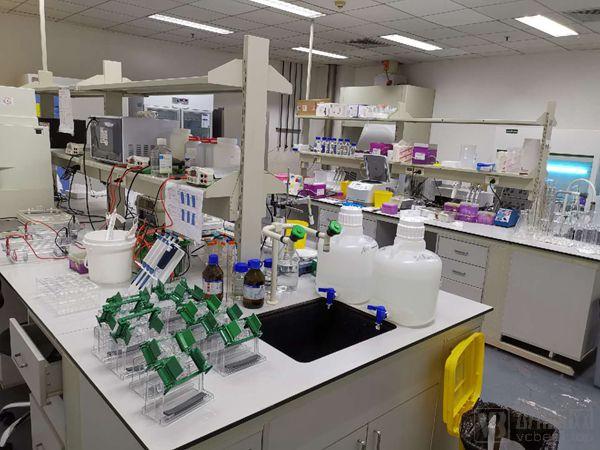
Huaxia Yingtai Laboratory
In December 2019, the patent dispute between Bristol Myers Squibb (BMS) and Gilead Sciences over CAR-T technology concluded with Gilead’s defeat. As a result, Kite Pharma, a subsidiary of Gilead, was required to pay $752 million in damages to Juno Therapeutics, a BMS subsidiary, and its partners. In April 2020, a judge ruled that the compensation amount be increased to $1.2 billion. In recent years, as an increasing number of biotechnology companies have joined the wave of CAR-T research and development, potential patent disputes have become a critical factor that CAR-T developers must consider. Structural patents for CARs include elements such as scFv single-chain antibodies targeting specific antigens, transmembrane domains, and co-stimulatory molecules. The STAR structure within the STAR-T platform is an innovative antigen-antibody receptor complex independently developed through a joint effort by Huaxia Yingtai and Tsinghua University, for which multiple PCT patent applications have been filed. From a structural perspective, STAR shares no similarity with CAR structures, thereby effectively avoiding patent disputes with international giants.
“Conventional CAR-T products feature a single-chain structure that targets a single antigen. If tumor cells undergo mutation, antigen loss may occur, leading to tumor relapse. Furthermore, since CAR-T cells can only target surface antigens, which constitute less than 20% of total cellular antigens, and rely on the co-activation effect of immune cells to eliminate tumor cells, T cells tend to become activated upon reaching the tumor periphery. This hinders their infiltration into solid tumors and results in gradual exhaustion within the bloodstream,” explained Dr. Zhao Xueqiang. It is reported that the dual-target structure of STAR-T can effectively prevent antigen escape and tumor relapse, prolong T cell survival in vivo, and reduce T cell exhaustion. Consequently, STAR-T demonstrates superior efficacy over CAR-T in the treatment of hematologic malignancies. Additionally, STAR’s structure is more similar to that of the T-cell receptor (TCR). By stepwise amplifying the natural, relatively mild TCR signals, it activates endogenous immune cells to exert anti-tumor effects, thereby minimizing side effects such as cytokine release syndrome.
The TCR-T industrialization platform is another core technology platform independently developed by Huaxia Yingtai. A commonality between T cell receptor-engineered T cell technology (TCR-T) and chimeric antigen receptor T cell technology (CAR-T) is that both employ genetic engineering to enhance T cells' ability to recognize and attack specific cancer cell antigens. Generally, the primary mechanism of the body's immune self-defense involves recognizing mutated cell antigens and inducing T cells to bind with them, thereby eliminating the mutated cells. Theoretically, for any given gene mutation, there exists a specific TCR sequence capable of binding with the body's T cells. "The fundamental cause of tumorigenesis is the accumulation of gene mutations and the reduction in TCR diversity. TCR-T therapy can supplement T cells with mutation-specific TCRs, offsetting the limitation of CAR-T therapy, which targets only cell surface antigens. This approach fundamentally and effectively addresses the issues of recurrence and metastasis in advanced-stage cancer," stated Dr. Zhao Xueqiang.
Nevertheless, the industrialization of TCR-T therapy still faces certain bottlenecks. TCR-recognized antigens must be presented by HLA molecules; however, there is a wide variety of HLA types in the human population, and antigen expression varies among individuals. Therefore, it is necessary to establish either a large-scale TCR library or an industrialized platform capable of screening for patient-specific TCRs. Huaxia Yingtai has already built an industrialized platform for high-throughput TCR acquisition, which includes an antigen epitope identification platform, a “tetramer platform” covering HLA typing for over 95% of the population, and a TCR screening and clone identification platform. In terms of target selection, Huaxia Yingtai utilizes viral targets to discover effective TCR sequences. “Viruses are exogenous, highly immunogenic, and most viral antigen epitopes are already known, making it easier to identify effective TCR sequences without the need for affinity optimization and avoiding off-target effects,” stated Dr. Zhao Xueqiang. Currently, this platform has screened out more than 100 experimentally validated TCR sequences with confirmed functionality.
In the therapeutic application of TCR-T cells for diseases associated with defined antigen epitopes (including viral antigens), a library of TCRs with verified functionality across diverse HLA types has been established. Upon patient enrollment, only HLA typing is required, and the corresponding TCR sequence can be selected from the library for treatment. Leveraging its core STAR-T and TCR-T platforms, Huaxia Yingtai is collaborating with Daopei Hospital, Fujian Provincial Cancer Hospital, Tsinghua University Changgung Hospital, and Peking University Cancer Hospital, among others, to conduct more than 10 registered “First-in-human” clinical studies. The company expects to submit the Investigational New Drug (IND) application for its first dual-target STAR-T project by the end of 2020.
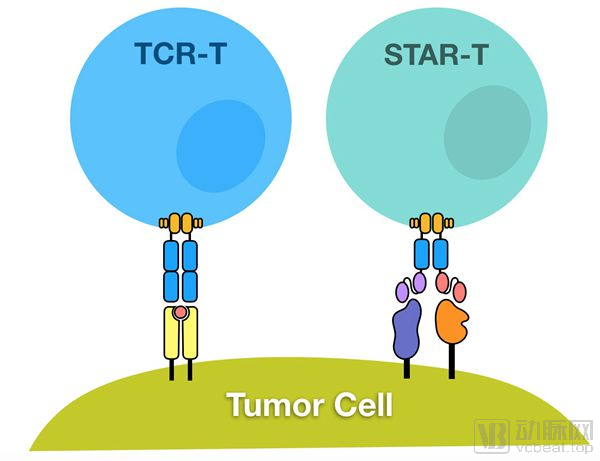
TCR-T and STAR-T Dual Technology Platforms
It is reported that Huaxia Yingtai will launch a new round of financing in the second half of 2020. The company is also actively seeking strategic collaborations with top-tier international pharmaceutical companies through license-out agreements or co-development models to jointly advance the product development of its TCR-T and STAR-T pipelines.