

Roche's VENTANA PD-L1 (SP263) Assay Approved in China as First Companion Diagnostic for Urothelial Carcinoma
May 15, 2020 09:55
CST Updated
09:55

Roche
Oncology Drug Research, Development, and Manufacturing
Roche Diagnostics
Diagnostic Solutions Provider
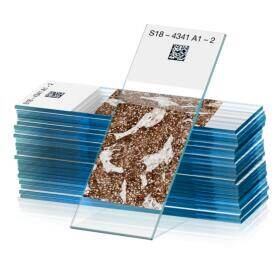
May 15, 2020, GlobalIn Vitro DiagnosticsLeader: RocheDiagnosisAnnouncement of the Official Approval and Market Launch of the VENTANA PD-L1 (SP263) Assay in China. This assay, by analyzing the tumor microenvironment’sTumorStaining and scoring of immune cells to assess patients' PD-L1 expression levels, providing information to guide clinicians' treatment decisions and improve the quality of life and survival outcomes for patients with urothelial carcinoma.
Urothelial carcinoma is the predominant histological subtype of bladder cancer, accounting for approximately 90% of all cases. According to the Global Cancer Statistics 2018, there were an estimated 549,393 new cases and 199,922 deaths from bladder cancer worldwide in 2018. In China, the estimated number of new cases was 82,270, with 38,208 deaths.
As one of the most promising research directions in the current field of oncology therapy, cancer immunotherapy works by mobilizing the body's immune system to enhance anti-tumor immunity, thereby inhibiting and killing tumor cells. In the clinical research progress of immunotherapy, programmed death 1 (PD-1)/programmed death ligand 1 (PD-L1) immune checkpoint inhibitors have achieved breakthrough advancements in cancer treatment in recent years, providingTumorA New Paradigm in Diagnosis and Treatment. PD-L1 is an immunosuppressive protein that affects the body’s ability to combat cancer. Studies have confirmed that patients with high PD-L1 expression are more likely to benefit from immunotherapy. Therefore, understanding PD-L1 expression levels holds significant value for guiding clinical diagnosis and treatment.

As an adjunctDiagnosisVENTANA PD-L1 (SP263) Assay for the Detection of PD-L1 in Urothelial CarcinomaTumorExpression of cells and immune cells to assist clinicians in evaluating patients' PD-L1 status. It is reported that this test is applicable for RocheDiagnosisBenchMark ULTRA Fully Automated Immunohistochemistry Staining Platform.
Mr. Yao Guoliang, General Manager of Roche Diagnostics China, stated, “Currently, there remains a significant unmet clinical need in the diagnosis and treatment of urothelial carcinoma, with both physicians and patients urgently requiring more effective therapeutic options. Precision medicine begins with accurate testing. The launch of the Roche VENTANA PD-L1 (SP263) assay in China, coupled with our collaboration with BeiGene, underscores Roche Diagnostics China’s commitment to leveraging innovativeDiagnosisOur solutions remain steadfast in our commitment to personalized medicine. Urothelial carcinoma is the first indication for which the VENTANA PD-L1 (SP263) Assay has been approved in China. Moving forward, we will continue to drive the approval of additional indications for this assay in China, thereby benefiting more Chinese patients.”
About VENTANA PD-L1 (SP263) Assay
VENTANA PD-L1 (SP263) Assay for the qualitative detection of programmed death ligand (PD-L1) in an increasing number of cancer indications. This assay is intended for use on the BenchMark ULTRA fully automated immunohistochemistry staining platform. The VENTANA PD-L1 (SP263) Assay is used to evaluate PD-L1 expression in urothelial carcinoma.Tumoror expression in immune cell membranes, is an effective tool to help determine the likelihood of response to immunotherapy in urothelial carcinoma.
About Roche
Roche is a global pioneer in pharmaceuticals and diagnostics, dedicated to advancing science to improve people’s lives. Pharmaceuticals andDiagnosisThese comprehensive advantages have positioned Roche as a leader in personalized medicine. The personalized medicine strategy aims to provide the right treatment for each patient in the optimal manner.
Roche is one of the leading biotechnology companies, providingTumor, immunology, infectious diseases, ophthalmology, and central nervous system disorders. Roche is alsoIn Vitro Diagnosticsand tissue-basedTumorDiagnosisone of the world's leading companies, andDiabetesLeader in the field of management.
Founded in 1896, Roche continues to seek prevention,Diagnosisoptimal pathways for disease treatment, and to make sustained contributions to society. Roche is also committed to collaborating with all stakeholders to improve patients’ access to innovative healthcare. Thirty medicines developed by Roche have been included in the World Health Organization’s Model List of Essential Medicines, including life-savingAntibiotics, antimalarial drugs, and cancer therapies. Roche has been named the most sustainable company in the pharmaceutical industry by the Dow Jones Sustainability Index for ten consecutive years.
Headquartered in Basel, Switzerland, Roche is active in more than 100 countries. In 2018, the company employed over 94,000 people worldwide, invested CHF 11 billion in research and development, and achieved sales of CHF 56.8 billion. Genentech, based in the United States, is a wholly owned subsidiary of the Roche Group. Roche is also the controlling shareholder of Chugai Pharmaceutical Co., Ltd. in Japan.
About BeiGene
BeiGene is a global, commercial-stage biotechnology company dedicated to the research, development, manufacturing, and commercialization of innovative medicines to improve therapeutic outcomes and drug accessibility for patients worldwide. Currently employing more than 3,500 people across mainland China, the United States, Australia, and Europe, BeiGene is accelerating the advancement of its diverse pipeline of novel cancer therapies.
Urothelial carcinoma is the predominant histological subtype of bladder cancer, accounting for approximately 90% of all cases. According to the Global Cancer Statistics 2018, there were an estimated 549,393 new cases and 199,922 deaths from bladder cancer worldwide in 2018. In China, the estimated number of new cases was 82,270, with 38,208 deaths.
As one of the most promising research directions in the current field of oncology therapy, cancer immunotherapy works by mobilizing the body's immune system to enhance anti-tumor immunity, thereby inhibiting and killing tumor cells. In the clinical research progress of immunotherapy, programmed death 1 (PD-1)/programmed death ligand 1 (PD-L1) immune checkpoint inhibitors have achieved breakthrough advancements in cancer treatment in recent years, providingTumorA New Paradigm in Diagnosis and Treatment. PD-L1 is an immunosuppressive protein that affects the body’s ability to combat cancer. Studies have confirmed that patients with high PD-L1 expression are more likely to benefit from immunotherapy. Therefore, understanding PD-L1 expression levels holds significant value for guiding clinical diagnosis and treatment.
As an adjunctDiagnosisVENTANA PD-L1 (SP263) Assay for the Detection of PD-L1 in Urothelial CarcinomaTumorExpression of cells and immune cells to assist clinicians in evaluating patients' PD-L1 status. It is reported that this test is applicable for RocheDiagnosisBenchMark ULTRA Fully Automated Immunohistochemistry Staining Platform.
Mr. Yao Guoliang, General Manager of Roche Diagnostics China, stated, “Currently, there remains a significant unmet clinical need in the diagnosis and treatment of urothelial carcinoma, with both physicians and patients urgently requiring more effective therapeutic options. Precision medicine begins with accurate testing. The launch of the Roche VENTANA PD-L1 (SP263) assay in China, coupled with our collaboration with BeiGene, underscores Roche Diagnostics China’s commitment to leveraging innovativeDiagnosisOur solutions remain steadfast in our commitment to personalized medicine. Urothelial carcinoma is the first indication for which the VENTANA PD-L1 (SP263) Assay has been approved in China. Moving forward, we will continue to drive the approval of additional indications for this assay in China, thereby benefiting more Chinese patients.”
About VENTANA PD-L1 (SP263) Assay
VENTANA PD-L1 (SP263) Assay for the qualitative detection of programmed death ligand (PD-L1) in an increasing number of cancer indications. This assay is intended for use on the BenchMark ULTRA fully automated immunohistochemistry staining platform. The VENTANA PD-L1 (SP263) Assay is used to evaluate PD-L1 expression in urothelial carcinoma.Tumoror expression in immune cell membranes, is an effective tool to help determine the likelihood of response to immunotherapy in urothelial carcinoma.
About Roche
Roche is a global pioneer in pharmaceuticals and diagnostics, dedicated to advancing science to improve people’s lives. Pharmaceuticals andDiagnosisThese comprehensive advantages have positioned Roche as a leader in personalized medicine. The personalized medicine strategy aims to provide the right treatment for each patient in the optimal manner.
Roche is one of the leading biotechnology companies, providingTumor, immunology, infectious diseases, ophthalmology, and central nervous system disorders. Roche is alsoIn Vitro Diagnosticsand tissue-basedTumorDiagnosisone of the world's leading companies, andDiabetesLeader in the field of management.
Founded in 1896, Roche continues to seek prevention,Diagnosisoptimal pathways for disease treatment, and to make sustained contributions to society. Roche is also committed to collaborating with all stakeholders to improve patients’ access to innovative healthcare. Thirty medicines developed by Roche have been included in the World Health Organization’s Model List of Essential Medicines, including life-savingAntibiotics, antimalarial drugs, and cancer therapies. Roche has been named the most sustainable company in the pharmaceutical industry by the Dow Jones Sustainability Index for ten consecutive years.
Headquartered in Basel, Switzerland, Roche is active in more than 100 countries. In 2018, the company employed over 94,000 people worldwide, invested CHF 11 billion in research and development, and achieved sales of CHF 56.8 billion. Genentech, based in the United States, is a wholly owned subsidiary of the Roche Group. Roche is also the controlling shareholder of Chugai Pharmaceutical Co., Ltd. in Japan.
About BeiGene
BeiGene is a global, commercial-stage biotechnology company dedicated to the research, development, manufacturing, and commercialization of innovative medicines to improve therapeutic outcomes and drug accessibility for patients worldwide. Currently employing more than 3,500 people across mainland China, the United States, Australia, and Europe, BeiGene is accelerating the advancement of its diverse pipeline of novel cancer therapies.