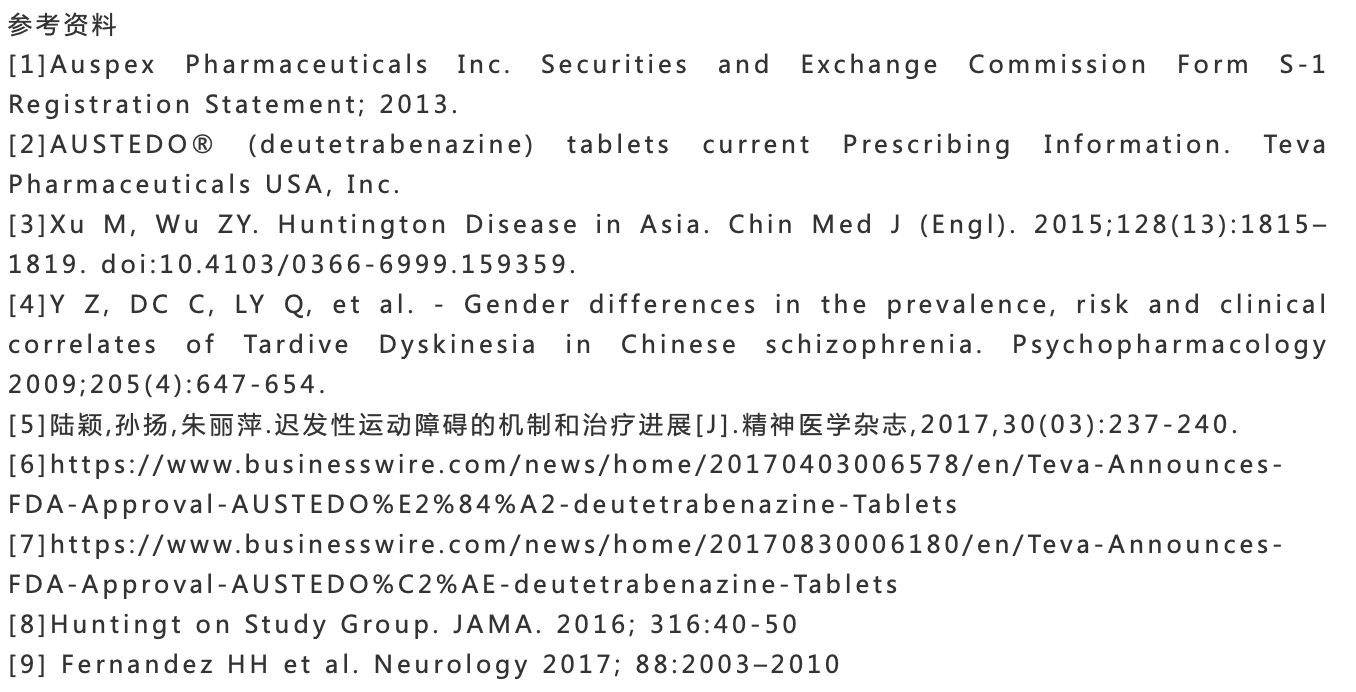
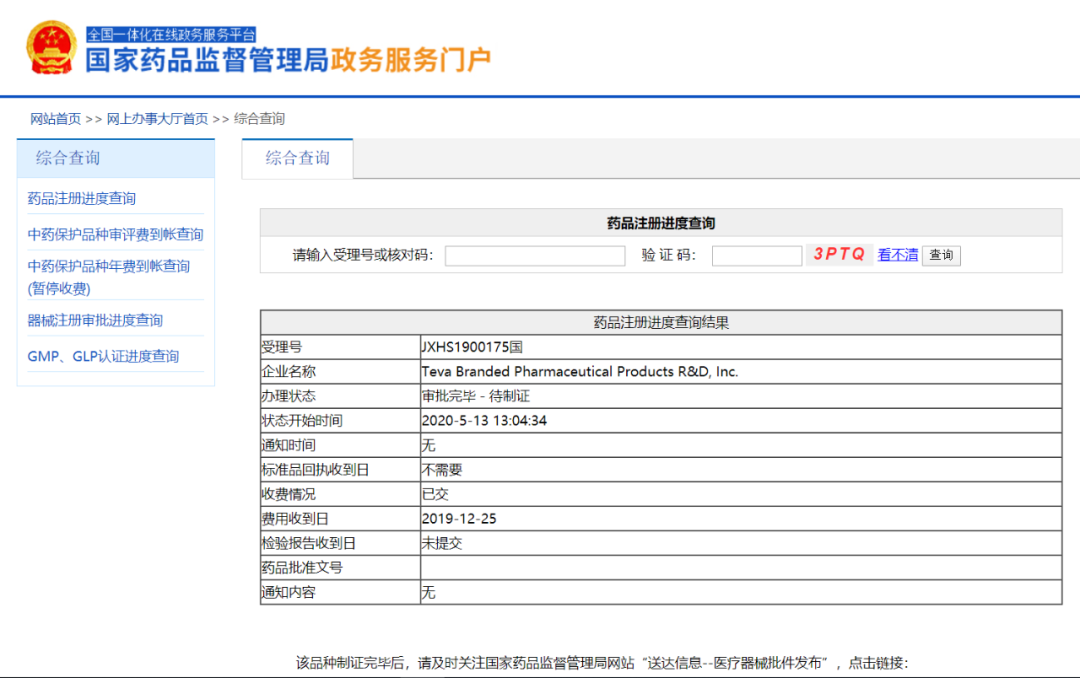
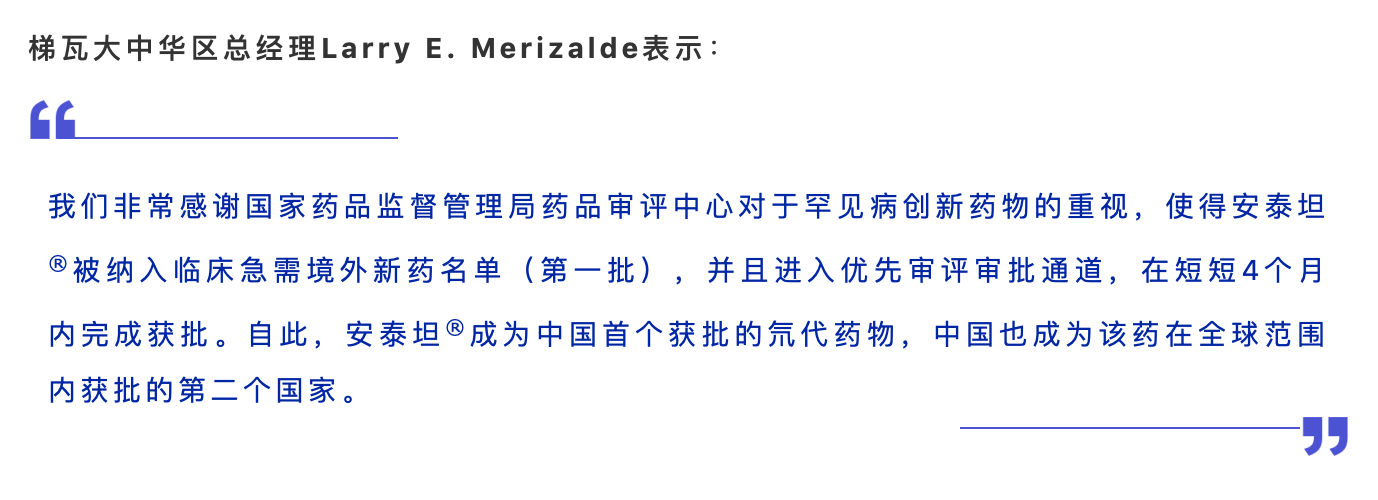
On May 18, Teva Pharmaceutical Information Consulting (Shanghai) Co., Ltd. announced that its innovative drug Austedo® (deutetrabenazine tablets) had been officially approved by the National Medical Products Administration (NMPA) of China, following priority review and approval, for the treatment of chorea associated with Huntington’s disease (HD) and tardive dyskinesia (TD) in adults. China is the second country globally, after the United States, to approve this medication. The deuteration technology employed in Austedo® provides the active ingredient with a favorable pharmacokinetic profile, thereby allowing for reduced dosing frequency, while demonstrating efficacy and an acceptable safety and tolerability profile in patients with HD-associated chorea and adult TD [1-2].
Huntington’s disease is a rare, fatal neurodegenerative disorder with an estimated prevalence of approximately 0.4 per 100,000 individuals in Asia [3], and a mean age of onset of 40 years. Chorea (involuntary, random, and sudden writhing and/or twisting movements) is one of the most prominent manifestations of this disease, occurring in approximately 90% of patients.
Tardive Dyskinesia is a debilitating movement disorder characterized by repetitive and uncontrollable movements of the tongue, lips, face, trunk, and limbs. The prevalence of TD among Chinese patients with schizophrenia who have received long-term antipsychotic treatment is 33.7% [4]. It may be caused by certain medications used to treat mental health conditions, implying that one in three schizophrenia patients using these drugs may suffer from TD.
This disease not only affects patients' treatment adherence but also impacts their quality of life and social functioning [5]. Currently, there is no clearly effective therapy for TD in China.
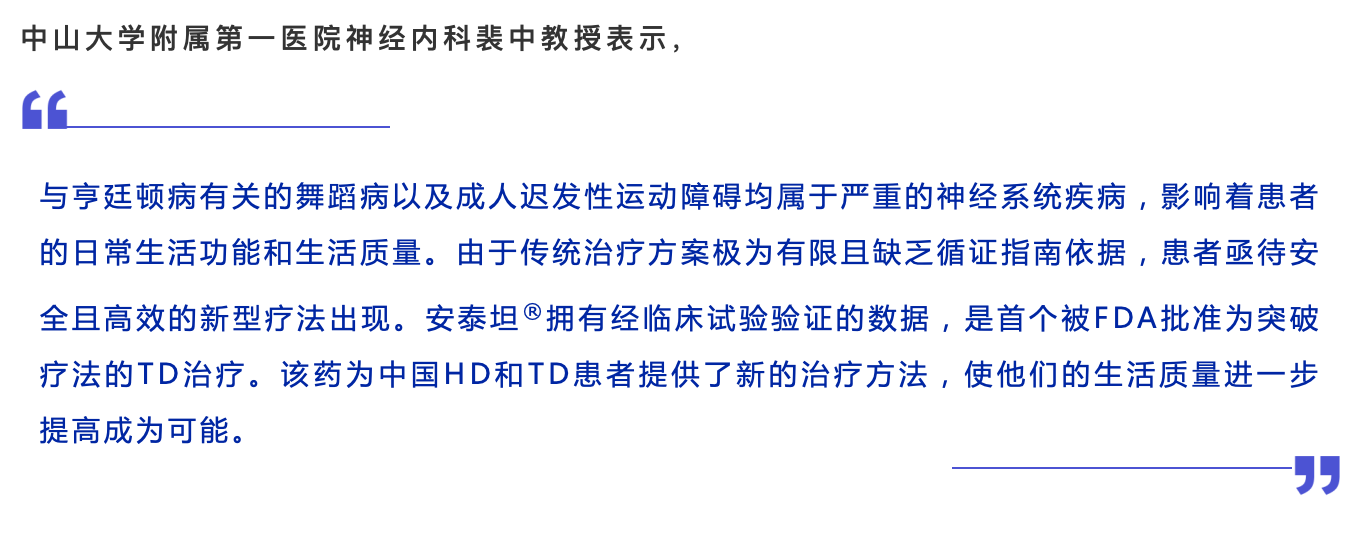
About Antitan®
Austedo® was approved by the U.S. FDA in April 2017, becoming the first deuterated drug approved by the FDA and the second drug in history to treat chorea associated with Huntington’s disease [6]. Currently, this drug has been approved in both the United States and China. In the U.S., its approved indications include chorea associated with Huntington’s disease (HD) and tardive dyskinesia (TD) in adults. The FDA’s approval of Austedo® represents an important new treatment option for HD patients and highlights the need for more therapeutic resources for this underserved patient population. The TD indication was approved as a breakthrough therapy. We believe that physicians treating tardive dyskinesia will appreciate the dose flexibility of this therapy, as well as its ability to directly target movement disorders without disrupting ongoing treatments for underlying diseases [7].
Clinical Trials Approved for Huntington’s Disease-Associated Chorea [8]
The approval of Austedo® for the treatment of chorea associated with Huntington’s disease is based on the results of a randomized, double-blind, placebo-controlled, multicenter trial involving 90 patients with manifest chorea associated with Huntington’s disease. The primary clinical endpoint of the study was the Total Maximal Chorea Score (TMC score). The study results demonstrated that Austedo®:
Demonstrated significant therapeutic efficacy. The mean improvement in Total Maximal Chorea (TMC) score was 4.4 in the deutetrabenazine group versus 1.9 in the placebo group (P < 0.0001). The proportion of patients with an improvement of more than 6 points in TMC score was 33% in the deutetrabenazine group compared to 2% in the placebo group. According to the Unified Huntington’s Disease Rating Scale (UHDRS), the mean improvement was 7.4 in the deutetrabenazine group versus 3.4 in the placebo group (P = 0.002). It significantly increased the treatment success rate. Based on the Patient Global Impression of Change (PGIC), the treatment success rate was 51% in the deutetrabenazine group versus 20% in the placebo group (P = 0.002); according to the Clinical Global Impression of Change (CGIC), the treatment success rate was 42% in the deutetrabenazine group versus 13% in the placebo group (P = 0.002). It exhibited a favorable safety profile. The incidence of neuropsychiatric events was low among patients who initiated treatment.
Clinical Trials on Tardive Dyskinesia in Adults [9]
The approval of Austedo® for the treatment of tardive dyskinesia in adults is based on the results of two Phase III randomized, double-blind, placebo-controlled, parallel-group studies. The study results demonstrated that Austedo® has significant therapeutic efficacy. At Week 12, the improvement in Abnormal Involuntary Movement Scale (AIMS) scores was 3.3 in the deutetrabenazine group compared to 1.5 in the placebo group (P<0.001). The proportion of patients with an AIMS score improvement of more than 50% was 33% in the deutetrabenazine group versus 12% in the placebo group (P=0.007). It significantly increased the treatment success rate. In a pooled analysis of the ARM-TD and AIM-TD studies, at Week 12, patients treated with deutetrabenazine were more than twice as likely to achieve treatment success compared to those receiving placebo (odds ratio: 2.1; P=0.005), and the mean Clinical Global Impression of Change (CGIC) score was higher in the deutetrabenazine group (48%) than in the placebo group (30%). It has a favorable safety and tolerability profile. Deutetrabenazine had no negative impact on somnolence, body weight, or cardiometabolic parameters.
About Teva
Teva is a global pharmaceutical company headquartered in Israel. As the world’s largest “medicine cabinet,” it boasts a portfolio of over 1,800 molecular compounds and 35,000 products. In the United States, one out of every seven prescriptions filled is for a Teva product. Over the past decade, Teva has saved the U.S. healthcare system more than $215 billion. Our mission is to become a global leader in generic and biopharmaceutical medicines, thereby enhancing and improving patients’ quality of life. Currently, Teva employs approximately 45,000 people worldwide, operates in more than 60 countries, and reported annual sales of nearly $19 billion in 2018.
Now that Teva has entered China, as part of its global mission, Teva China will vigorously expand its local business in the coming years. We plan to launch our first independently developed innovative drug, Antitan®, in the first half of next year, providing high-quality medications to millions of patients in China. In the future, Teva is committed to delivering newer and better drugs to Chinese patients at a faster pace.