

Awarded FDA Breakthrough Designation! Alumnus of Nanjing University Re-enters Entrepreneurship with "Pulmonary Drug Balloon," Ending the Nightmare of Airway Restenosis
Recently, Airiver Medical, a U.S.-based clinical-stage innovative medical device company, officially announced that its core product for the treatment of Benign Central Airway Stenosis (BCAS)Pulmonary Drug-Coated Balloon (Airiver Airway DCB), successfully obtained the grant from the Center for Devices and Radiological Health (CDRH) under the U.S. FDABreakthrough Device Designation。
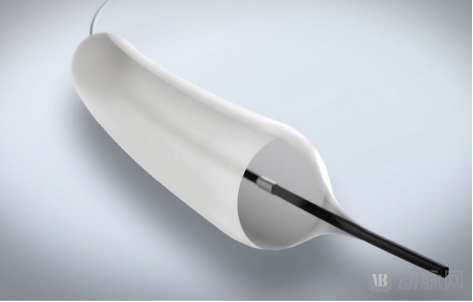
Image source: Airiver Medical.com
Airiver DCB willStandard Balloon Dilation Technology and Dedicated Drug Delivery TechnologyCombined, paclitaxel can be precisely delivered to the narrowed area, achievingAirway Dilation and Therapeutic Drug DeliveryThe dual objectives. This regulatory approval not only validates the core value of the product in terms of technological innovation and addressing unmet clinical needs, but also brings a novel solution to break the restenosis dilemma and achieve long-term airway patency for patients with benign central airway stenosis globally. Moreover, it becomes a key milestone in the cross-technology application within the field of interventional pulmonology.
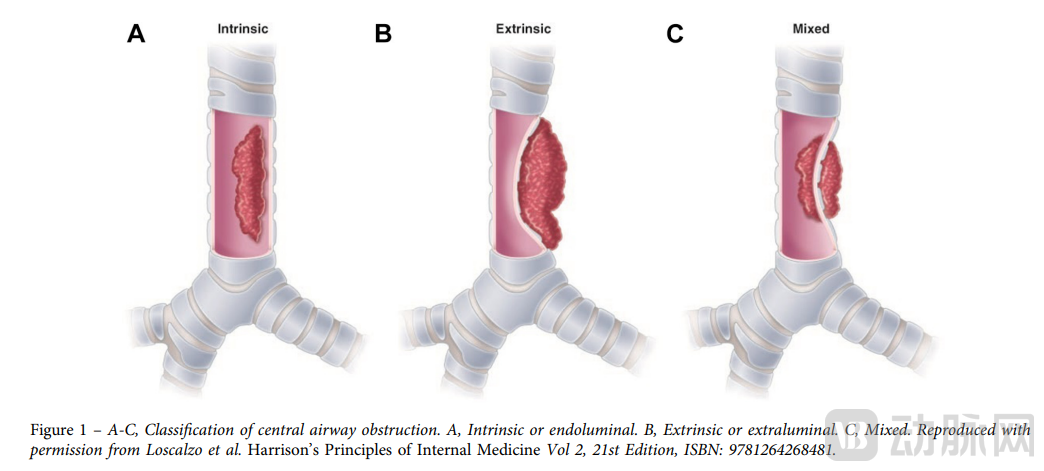
Benign central airway stenosis refers to the narrowing of the trachea, left and right main bronchi, and the right middle lobar bronchus caused by various benign lesions, which can lead to varying degrees of respiratory distress or even suffocation and death in patients. The "Expert Consensus on Bronchoscopic Intervention for Diagnosis and Treatment of Benign Central Airway Stenosis" points out,Compared with malignant airway stenosis, the management of BCAS is more challenging and prone to long-term complications.At the same time, due to the long survival period of patients, both patients and their families have higher expectations. They find it difficult to accept severe short- and long-term complications caused by surgery. Therefore,Benign central airway stenosis is one of the challenges in the field of interventional respiratory medicine.
Source: Harrison's Principles of Internal Medicine
As one of the most dangerous emergencies in respiratory medicine, common causes of benign central airway stenosis include prolonged endotracheal intubation, tracheostomy, infections such as tuberculosis, and complications following lung transplantation. According to an article published in the Journal of Kunming Medical University,The global annual incidence of BCAS is approximately 100,000 to 150,000 cases, of which about 40% of patients require interventional treatment.。With the improvement of critical care medical treatment capabilities and the annual increase in lung transplant surgeries, this patient population continues to expand, making clinical needs increasingly urgent.
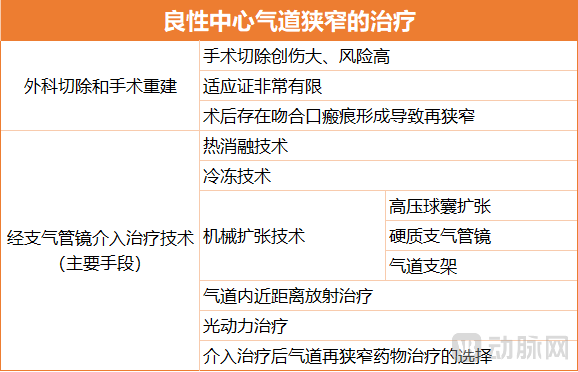
The article also pointed out that surgical procedures were once the main treatment for BCAS, but due to their invasive nature,The rate of restenosis after surgery is as high as 15% to 40%., the clinical application has been significantly limited. With the development of interventional pulmonology, tracheoscopic intervention therapy has gradually become an important treatment option due to its minimally invasive nature, repeatability, and good short-term efficacy.
VCBeat Mapping
However, although mainstream interventional solutions can temporarily restore airway patency,But the restenosis rate remains high., patients often need to undergo a second or even multiple surgeries. Taking the most widely used balloon dilation as an example, although this method can quickly relieve symptoms, it cannot suppress scar tissue formation, leading to postoperative restenosis. According to information displayed on the VCBeat website,The United States performs approximately 100,000 stent placement and dilation procedures each year.; Ablation methods such as laser and cryotherapy only target superficial lesions, with limited efficacy for deep hyperplasia; although stents can provide more durable mechanical support, they also carry additional risks such as displacement, infection, and tissue hyperplasia.
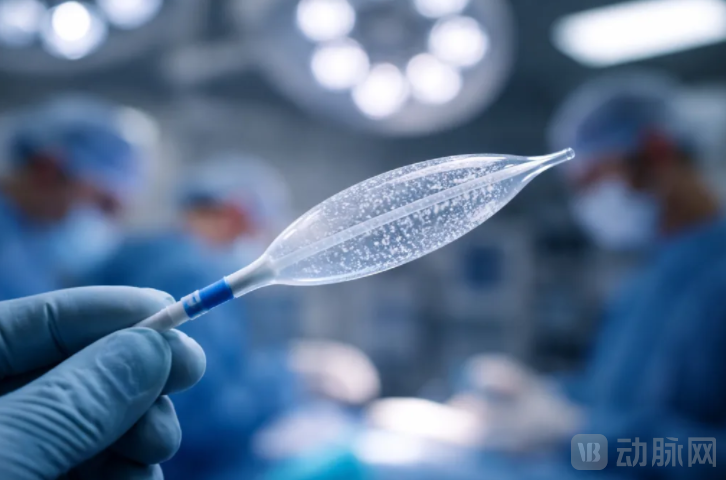
The growing patient base year by year and the limitations of existing therapies together form the treatment logic of Airiver's pulmonary drug-coated balloon——By significantly reducing the restenosis rate through "mechanical dilation + drug suppression," the number of retreatments and the burden on patients are decreased, thereby filling this clinical gap.
Source: pharmadevicenews.com
From the technical origin, drug-coated balloons stem from the field of cardiovascular intervention, with the core principle being theAntiproliferative drugsCoated on the surface of the balloon, it achieves precise localized drug release when the balloon dilates the lesion area, inhibits excessive smooth muscle proliferation, and reduces the risk of restenosis from the root cause. This technology has been successfully applied and clinically validated in the fields of coronary and peripheral vascular interventions.
However, applying this technology to the field of respiratory intervention is not a simple "copy" of the technique — the airway differs significantly from vascular tissue in terms of mucosal structure, airflow dynamics, and exposure to secretions, all of which introduce new complexities for the migration of DCB technology.
The Airiver DCB system consists of three core components:Balloon catheter compatible with bronchoscope working channel, precise dose paclitaxel coating (standardized at 3.5 μg/mm²), and controlled dilation systemIts working mechanism is clear and controllable: under the guidance of a bronchoscope, the balloon precisely reaches the narrowed area, and upon inflation, simultaneously completes mechanical dilation and local drug release; paclitaxel inhibits fibroblast proliferation and collagen deposition, blocking scar tissue formation.Complete removal of the balloon post-operation, with no foreign body residue, achieving the ideal therapeutic outcome of "intervention without implantation."
Airiver Medical's key pivotal clinical trial (OXYGEN-1) is expected toEnrolled over 200 patients with central airway stenosis in the United States, aiming to compare the therapeutic effects of Airiver DCB with those of conventional plain balloon angioplasty, which is currently the standard procedure.Currently, the first patient has been successfully treated at the Medical University of South Carolina.
In addition, this study also aims to evaluate the safety outcomes associated with localized paclitaxel delivery.Despite the long history of paclitaxel's application in drug-coated balloon (DCB) technology for vascular interventions, recent studies related to peripheral artery disease have indicated a potential increased relative risk of mortality associated with paclitaxel. As a result, regulatory scrutiny of this product has intensified, posing significant challenges for the future registration and market approval of Airiver DCB.
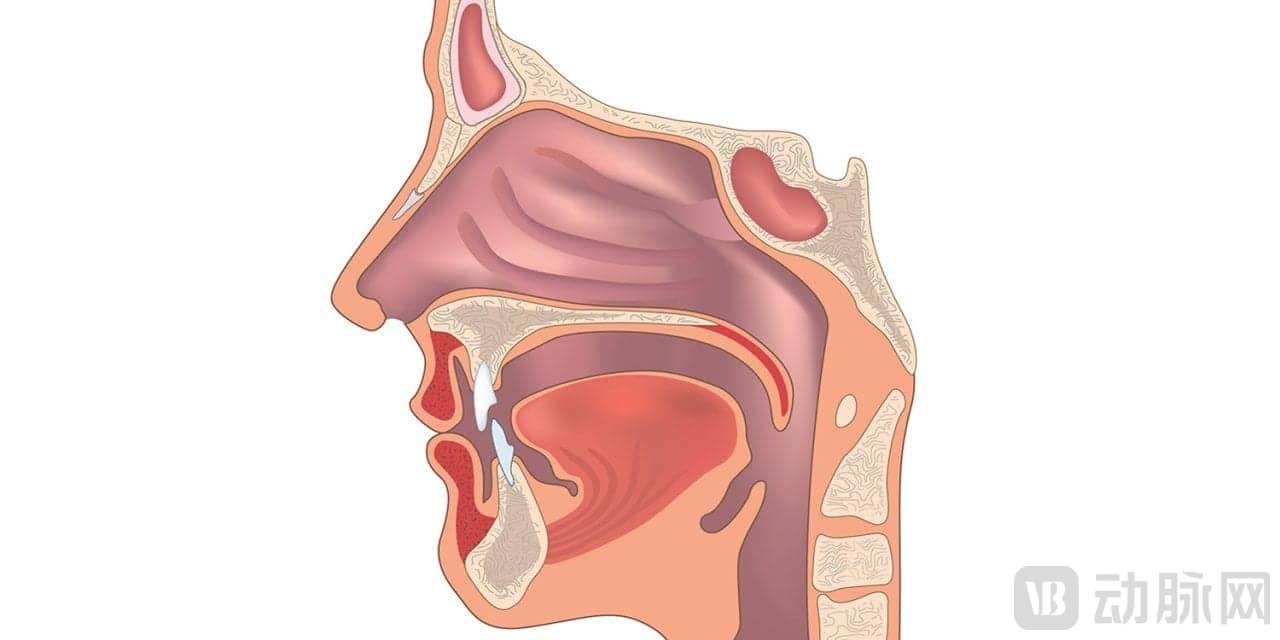
At the same time, Airiver adopts a platform-based R&D strategy, synchronously deploying DCB core technology for central airway stenosis andChronic Rhinosinusitis (CRS)Two Major Indications: The Nasal DCB Has Passed the Investigational Device Exemption (IDE) Application, Planning to Enroll up to 300 Patients with Chronic Rhinosinusitis (NCT05883462), Aiming to Evaluate the Safety and Effectiveness of ESSpand Drug-Coated Balloon as an Adjunctive Treatment for Endoscopic Sinus Surgery (ESS).
Source: respiratory-therapy.com

Lixiao Wang, Ph.D., Founder, CEO & CTO of Airiver MedicalHe is an internationally recognized top expert in the field of drug-coated balloons and a serial entrepreneur with over two decades of experience. Wang Lixiao graduated from the School of Chemistry and Chemical Engineering at Nanjing University with a bachelor's degree, earned his Ph.D. from the University of Wisconsin in the United States, and completed postdoctoral research at the University of Minnesota. He served as an assistant professor at Nanjing University before entering the medical device industry, where he held key positions at leading companies such as Lutonix, Boston Scientific, and Bard. As the primary inventor of the first FDA-approved drug-coated balloon for treating peripheral artery stenosis, he holds more than 200 U.S. authorized patents in this field.