

FDA Grants Priority Review to GSK's Nucala as First Targeted Biologic for Hypereosinophilic Syndrome (HES)
May 28, 2020 17:21
CST Updated
17:11

GSK
Pharmaceutical R&D Manufacturer

FDA
U.S. Food and Drug Administration

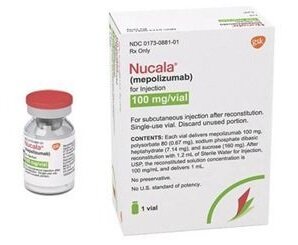
May 28, 2020 /BioValleyBIOON/ --GlaxoSmithKline(GSK) recently announced that the U.S. Food and Drug Administration (FDA) has granted priority review to a supplemental Biologics License Application (sBLA) it submitted, which seeks approval of the anti-inflammatory drug Nucala (mepolizumab) for the treatment of patients with hypereosinophilic syndrome (HES). HES is a rare, life-threatening disease caused by eosinophilic inflammation, with limited current treatment options.
If approved, Nucala will become the first targeted biologic therapy for the treatment of HES, transforming the treatment landscape for patients with HES. HES will also become the third indication for Nucala, which has previously been approved as an add-on maintenance therapy for the treatment of severe eosinophilicAsthma(SEA), eosinophilic granulomatous polyangiitis (EGPA).
Nucala is the first treatment proven to reduce flares (worsening of symptoms or eosinophil levels exceeding the threshold requiring treatment escalation) in this rare disease. In the United States,FDANucala has previously been granted Fast Track designation and Orphan Drug designation for the treatment of HES; in the European Union, the EMA has granted Nucala Orphan Drug designation for the treatment of HES.
This application is based on the positive results from the pivotal Phase III clinical study (NCT02836496). This was a randomized, double-blind, placebo-controlled, 36-week study evaluating the efficacy and safety of Nucala for the treatment of severe hypereosinophilic syndrome (HES) in adolescents and adults. Severe HES was defined as having experienced at least two HES flares within the previous 12 months and a blood eosinophil count ≥1,000 cells/µL. In this study, a total of 108 patients were randomized to receive subcutaneous injections of Nucala 300 mg (3 × 100 mg) or matched placebo every four weeks, while continuing their current HES therapy. The primary endpoint was the proportion of patients experiencing at least one HES flare during the 32-week treatment period. Secondary endpoints included: time to first HES flare (defined as the time from randomization to the occurrence of an HES flare), the proportion of patients experiencing at least one HES flare during treatment weeks 20–32, the annualized rate of HES flares, and the change from baseline in fatigue severity as assessed by Item 3 of the Brief Fatigue Inventory (BFI).
The results showed that the study met its primary endpoint: during 32 weeks of treatment with standard of care, the proportion of patients experiencing at least one HES flare was significantly reduced by 50% in the Nucala group compared with the placebo group (56% vs. 28%; p=0.002). The secondary endpoints were also statistically significant and supported the primary endpoint findings. Data showed that, during the 32-week treatment period, the risk of first HES flare was reduced by 66% in the Nucala group versus the placebo group (hazard ratio [HR]=0.34; 95% CI: 0.18–0.67), the annualized rate of HES flares was reduced by 66% (rate ratio [RR]=0.34; 95% CI: 0.19–0.63), and fatigue scores improved (p=0.036). Safety outcomes in this study were consistent with the known safety profile of Nucala.
Nucala is believed to work by reducing eosinophil levels in the blood, with evidence suggesting that this drug has the potential to become a targeted treatment option for a range of inflammatory diseases caused by eosinophilia. Data from the aforementioned pivotal Phase III studies are highly encouraging, offering hope to patients with HES.
Hypereosinophilic Syndrome (HES) is a group of rare disorders affecting approximately 20,000 individuals worldwide. It is characterized by the presence of elevated levels of eosinophils in the blood and tissues, leading to progressive damage to any organ in the body over time. If left untreated, the condition can be fatal. HES commonly affects the skin, heart, lungs, gastrointestinal tract, and central nervous system. Symptoms of HES may include cough, fever, and fatigue,Asthma, dyspnea, wheezing, recurrent upper respiratory tract infections, abdominal pain, vomiting, diarrhea, rash, arthritis, myalgia, and arthralgia. Clinically, the treatment goal for HES is to reduce eosinophils in the blood and tissues, prevent organ damage, and slow disease progression. Clinical treatment regimens for this condition typically include glucocorticoids, immunomodulatory therapy, and cytotoxic therapy.
The active pharmaceutical ingredient in Nucala, mepolizumab, is a monoclonal antibody that specifically targets interleukin-5 (IL-5). IL-5 is a cytokine that regulates the growth, activation, and survival of eosinophils (a type of white blood cell) and provides critical signals for their migration from the bone marrow to the lungs and other organs. Nucala binds to human IL-5, thereby blocking its interaction with receptors on the surface of eosinophils. By inhibiting this receptor binding, Nucala reduces eosinophil levels in the blood, tissues, and sputum, which in turn diminishes eosinophil-mediated inflammation.
Based on the aforementioned mechanism of action, Nucala is being developed for various diseases caused by eosinophil-mediated inflammation. The drug has already been approved in 21Clinical Trials, evaluated in over 3,000 patients across multiple eosinophilic indications. Currently, GSK is evaluating the potential of Nucala for the treatment of HES, nasal polyps, and chronic obstructive pulmonary disease (COPD).
Nucala was approved in late 2015 as the first biologic therapy targeting IL-5 to be marketed globally. To date, Nucala has been approved in the United States, Europe, and more than 20 other markets as an add-on maintenance treatment for severe eosinophilicAsthma(SEA) patients. In the United States and the European Union, Nucala is also approved for the treatment of pediatric SEA patients aged 6 to 17 years. Furthermore, in multiple markets including the United States, Japan, and Canada, Nucala has been approved as an add-on maintenance therapy for adult patients with eosinophilic granulomatosis with polyangiitis (EGPA). (Bioon.com)
Original Source:FDA grants priority review of Nucala for patients with Hypereosinophilic Syndrome (HES)