

Roche’s OCREVUS (ocrelizumab) Receives EU Approval for New 2-Hour Infusion Protocol Administered Twice Yearly
May 29, 2020 16:26
CST Updated
16:26

Roche
Oncology Drug Research, Development, and Manufacturing

European Commission
The European Commission, abbreviated as the EU Commission, is a supranational body under the European Union. Within the EU political system, the European Commission primarily undertakes executive tasks, thus being roughly equivalent to the government in a national system. However, the European Commission has other functions as well. In particular, except for the few circumstances specified in the treaties, the European Commission is the only institution with legislative power in the EU legislative process.

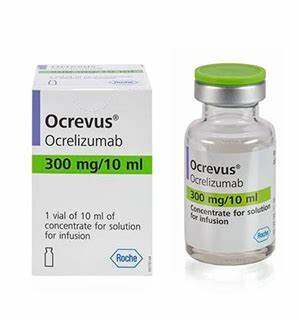
May 29, 2020 /BioValleyBIOON/ -- Roche recently announced that the European Commission (EC) has approved a 2-hour infusion regimen for Ocrevus (ocrelizumab), a new, shorter-duration infusion schedule administered twice yearly for the treatment of patients with relapsing forms of multiple sclerosis (RMS) or primary progressive multiple sclerosis (PPMS).
This approval allows the infusion time for Ocrevus to be reduced from the current 3.5 hours to 2 hours.Regarding medication, Ocrevus is administered via intravenous infusion every 6 months. The initial dose consists of two 300 mg infusions separated by a 2-week interval, followed by subsequent doses of a single 600 mg infusion.
It is worth mentioning that in the European Union,Ocrevus 2-Hour Infusion Protocol Approved Within One Month of SubmissionCurrently, this protocol is also under review by the U.S.FDAreview, with the review results expected to be obtained on December 14, 2020.
Ocrevus received the world’s first approval in the United States in March 2017 and has since been approved in 90 countries worldwide. It is the first and only medication approved for the treatment of relapsing forms of multiple sclerosis (RMS), including relapsing-remitting MS (RRMS), active or relapsing secondary progressive MS (SPMS), and clinically isolated syndrome (in the US market), as well as primary progressive multiple sclerosis (PPMS).
Ocrevus is administered via intravenous infusion every 6 months, requiring only two infusions per year, which can significantly improve patient treatment adherence. Real-world experience with Ocrevus is rapidly accumulating, with over 160,000 patients worldwide having received treatment with this medication.
This latest approval is based on data from the randomized, double-blind ENSEMBLE PLUS study. Conducted in patients with relapsing-remitting multiple sclerosis (RRMS), the study demonstrated that the 2-hour Ocrevus infusion regimen (289 patients) had a consistent safety profile compared with the conventional 3.5-hour infusion regimen (291 patients), with comparable frequency and severity of infusion-related reactions (IRRs) between the two regimens. In this study, the first dose was administered according to the approved dosing regimen (two 300 mg intravenous [IV] infusions separated by 2 weeks), while the second and subsequent doses (600 mg IV infusion) were administered using the shortened 2-hour regimen. The primary endpoint of the study was the occurrence of IRRs following the first randomized 600 mg infusion (Frequency/severity assessment during infusion and 24 hours post-infusion)Proportion of patients.
Data showed that the incidence of infusion-related reactions (IRRs) was comparable between the 2-hour infusion group (24.6%) and the 3.5-hour infusion group (23.1%). IRRs in both groups were predominantly mild or moderate in severity, with over 98% of IRRs resolving completely. No complications occurred, and there were no life-threatening, serious, or fatal IRRs. During the study, no patients discontinued due to IRRs, and no new safety signals were identified.
Levi Garraway, M.D., Chief Medical Officer and Global Head of Product Development at Roche, stated: “The European approval of the Ocrevus two-hour infusion regimen administered twice yearly will further enhance the patient treatment experience while also increasing healthcare system capacity. More than 160,000 patients worldwide have received Ocrevus, and the shorter infusion time may help patients and healthcare institutions achieve the ultimate goal of slowing MS disease progression.”
Multiple Sclerosis (MS) is a chronic inflammatory, demyelinating disease of the central nervous system that affects approximately 2.3 million people worldwide, with no curative medication currently available. MS occurs when the body’s immune system abnormally attacks the myelin—the insulating layer and supportive structure surrounding nerve cells in the brain, spinal cord, and optic nerves—causing inflammation and associated damage. This damage can lead to a range of symptoms, including visual impairment, muscle weakness, speech difficulties, severe fatigue, and cognitive dysfunction; in severe cases, it can result in mobility impairments and disability. The average age of onset for multiple sclerosis is typically between 20 and 40 years, making it the leading cause of non-traumatic disability among young and middle-aged adults.
Ocrevus is a humanized monoclonal antibody that selectively targets CD20-positive B cells, a specific type of immune cell considered to be a key factor in causing myelin and axonal damage, which can lead to disability in patients with multiple sclerosis (MS). Preclinical studies have confirmed that Ocrevus selectively binds to the CD20 cell surface protein expressed on specific B cells, but does not bindStem Cellsand CD20 protein on the surface of plasma cells, thereby preserving important functions of the immune system.(Bioon.com)
Original Source: Roche’s OCREVUS (ocrelizumab) Shorter 2-Hour Infusion Timeapproved in Europe