

RuiXin Medical Completes China's First Large-Scale Prospective Clinical Trial in CT-FFR, Leading the Billion-Dollar Cardiovascular AI Diagnostics Market

RaysightMed
Medical Imaging Product Developer
Since 2018, the development of AI-powered healthcare in the cardiovascular field has surged dramatically. Within just two years, a total of eight artificial intelligence products received special approval for innovative medical devices, with those targeting the cerebrovascular and cardiovascular sectors accounting for half of these approvals.
RaysightMed’s coronary artery blood supply function (CT-FFR) assessment software has entered the innovation green channel and completed China’s first large-scale, prospective clinical trial, achieving globally leading accuracy. Meanwhile, RaysightMed’s cardiovascular intelligent diagnostic platform is the world’s first fully automated “morphology + functionality” coronary heart disease imaging analysis system.
According to the "Report on Cardiovascular Diseases in China 2018," the number of patients with cardiovascular diseases in China has reached 290 million. Cardiovascular disease accounts for 45.50% and 43.16% of all deaths in rural and urban areas, respectively, meaning that two out of every five deaths nationwide are due to cardiovascular diseases. This enormous patient population places significant pressure on already strained medical resources. Merely increasing resource supply from the treatment side is not feasible; instead, we need to shift the focus of care upstream to the prevention stage, controlling the incidence of cardiovascular diseases at their source. This requires earlier and more precise medical testing and services.
CT-FFR, developed by RaysightMed, offers a solution in this regard. By leveraging this diagnostic tool, physicians can more effectively promote screening for coronary heart disease, reduce patients’ medical expenses, thereby alleviating the financial burden on the national healthcare insurance system, and deliver higher-quality medical resources and services to society.
Regarding this technology, Professor Jiangtao Hou from the Faculty of Medicine at The Chinese University of Hong Kong, who participated in the review of RaysightMed’s innovation, stated: “CT-FFR requires neither vasodilator drugs nor pressure wires and equipment. More importantly, CT-FFR is non-invasive, significantly reducing risks associated with the diagnostic process and effectively alleviating patient anxiety. CT-FFR can reduce the number of unnecessary diagnostic coronary angiographies and avoid complications such as coronary artery spasm and perforation that may result from invasive FFR. Furthermore, it provides a basis for selecting target lesions and assessing the benefits of revascularization in the treatment of multivessel disease. We hope that RaysightMed will promptly promote the clinical application of its independently developed CT-FFR technology in China, offering domestic physicians an additional technical option for physiological assessment and providing patients with a better and more precise diagnostic tool.”
RaysightMed, which has passed the special approval process for innovative medical devices, is a leader in this sector. Within a year and a half, RaysightMed completed three rounds of financing, each exceeding RMB 100 million, led by Guoke Jiahe, Matrix Partners China, and Huachuang Capital, respectively. It has also established clinical and research collaborations with top-tier cardiovascular and cerebrovascular institutions, including Fuwai Hospital, Anzhen Hospital, and Zhongshan Hospital Fudan University. In terms of commercial operations, RaysightMed’s CT-FFR product has been deployed in 120 hospitals, and the company has built numerous third-party partnerships, successfully achieving the commercial implementation of its CT-FFR solution.
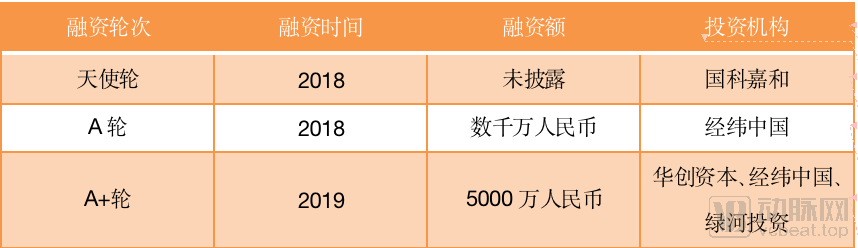
RaysightMed Secures Over 100 Million Yuan in Three Rounds of Funding Within Two Years
The approval of the “Coronary Artery Blood Supply Function Assessment Software” through the Special Approval Procedure for Innovative Medical Devices stems from RaysightMed’s extensive expertise in CT-FFR technology and clinical applications. As is well known, gaining entry into the green channel for innovative medical devices requires meeting stringent criteria: being the first of its kind in China, demonstrating fundamental improvements in product performance or safety compared to similar products, achieving international leading standards in technology, and possessing significant clinical application value. In addition to its innovative technologies and patents, the core evidence supporting RaysightMed’s approval came from a large-scale, prospective clinical trial involving 330 cases.
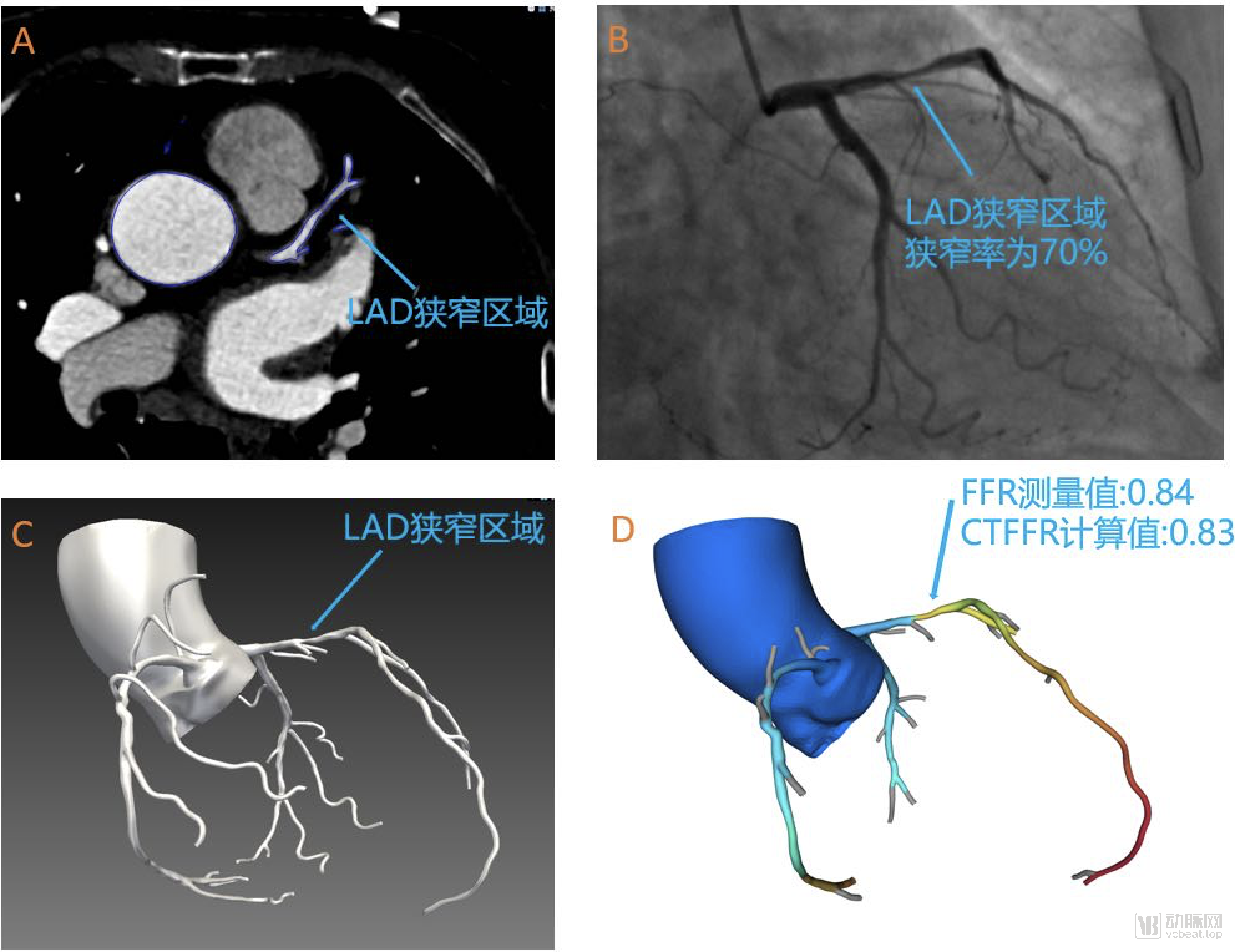
A: Original coronary CTA images; B: Coronary angiography;C:Raysight SoftwareAutomatically fromCTAConstructing the Coronary Artery Tree inThree-DimensionalModel;
D:RaysightMedHeartCT-FFRSimulation Results (Small DiameterYu1.8mm(branch not displayed)
The figure displays a diagnostic case using RaysightMed CT-FFR. In this case, coronary angiography revealed a 70% stenosis in the proximal left anterior descending (LAD) artery, which would be considered positive according to traditional diagnostic protocols and typically warrant invasive interventional treatment. The RaysightMed CT-FFR calculation yielded a value of 0.83, indicating a negative result, consistent with the gold-standard FFR measurement of 0.84. This case illustrates that assessing coronary stenosis alone is insufficiently precise, and functional indices are crucial for the accurate diagnosis of coronary artery disease.
For a long time, clinical trials of CT-FFR have often been limited to retrospective studies, and the number of patients enrolled in the few prospective trials has been extremely limited. Therefore, conducting such a large-scale prospective clinical trial is undoubtedly a major breakthrough in the field of FFR.
RaysightMed completed China’s first large-scale prospective clinical trial of CT-FFR with 330 cases, nearly 100 more than the largest trial conducted globally. The entire process of this clinical trial—from clinical protocol design, patient enrollment planning, selection of research sites, protocol implementation, image analysis, to statistical data analysis—was designed and participated in by top experts both domestically and internationally. To validate the product’s generalizability and ensure data diversity and breadth, RaysightMed selected six nationally authoritative cardiovascular hospitals, including Anzhen Hospital and Fudan University Zhongshan Hospital, as clinical trial centers.
In addition to the challenges posed by cross-regional, multi-center trials, close collaboration between radiology and cardiology experts must be ensured during implementation—a requirement rarely encountered in other clinical trials. Furthermore, while the COVID-19 pandemic has presented significant challenges to global economic activities, RaysightMed’s ability to complete its clinical trials with high quality and on schedule under such pressure clearly demonstrates the determination, strength, business execution capabilities, and organizational coordination skills of the RaysightMed team.
Regarding the product, RaysightMed’s CT-FFR requires only the patient’s cardiac CT images to accurately calculate the blood supply function at every location along each vessel and generate diagnostic reports to support clinical decision-making. The core technical advantages of the RaysightMed team lie in cardiovascular image analysis and computational fluid dynamics, stemming from the founders’ over ten years of research and professional experience in these two related fields. Over the past two years, the RaysightMed R&D team has dedicated itself to refining various vessel segmentation models and plaque analysis algorithms, validating multiple boundary condition combinations for mechanical simulations, and continuously optimizing the product framework, software, and algorithms. This effort has resulted in a highly intelligent and precise integrated platform that better aligns with hospital workflows and physicians’ operational habits.
The founding partner team constitutes the core soft power of a startup, laying the foundation for corporate development. In this regard, RaysightMed possesses a talent advantage that is difficult for other companies to match. Its three founders—Zheng Lingxiao, Lan Hongzhi, and Ma Jun—are all PhD holders who returned to China after studying at prestigious American universities. Before their return, they conducted research and worked at institutions such as Johns Hopkins University, Stanford University, Dassault Systèmes, and the da Vinci Surgical System, accumulating years of expertise in fields including medical imaging and fluid dynamics.
Over the past two years, RaysightMed has assembled a PhD- and Master’s-level R&D team with innovation as its core value, accounting for 50% of the company’s workforce. The team comprises returnee PhDs and Master’s graduates from top universities worldwide, including Stanford, Johns Hopkins, RPI, Tulane, University of Michigan, and University of Bern, as well as high-caliber talent from leading Chinese institutions such as Tsinghua University, Wuhan University, Beihang University, and Shenzhen University. Meanwhile, RaysightMed’s business team members all come from top multinational corporations with over ten years of deep expertise in the cardiovascular field, bringing extensive experience in clinical promotion. Their professionalism will comprehensively accelerate the market adoption and application of this technology.
Diagnosing coronary artery disease (CAD) based on medical imaging presents a significant challenge. Currently, some intelligent products on the market provide information limited to what clinical experts can derive from images, such as extracting the degree of vascular stenosis and plaque characteristics from coronary CT angiography. However, these morphological features are insufficient for assessing the blood supply function of diseased vessels, which is crucial for clinical decision-making. Other companies, both domestic and international—including HeartFlow in the United States—focus primarily on functional assessment but lack comprehensive morphological analysis. Furthermore, whether for morphological or functional evaluation, most existing products rely heavily on manual intervention and fail to achieve a high level of automation.
Leveraging years of technological expertise, RaysightMed has developed and launched the world’s first fully automated “morphological + functional” algorithm for coronary artery disease (CAD) analysis. By simply inputting imaging data, physicians can receive accurate analyses of morphological features—such as coronary stenosis and plaque—along with critical functional parameters like CT-FFR, essential for CAD diagnosis. This provides radiologists and cardiologists with a comprehensive, one-stop solution.
In 2020, the field of cardiovascular functional assessment showed strong momentum. Invasive FFR wire measurement was recognized by expert consensus as the most accurate gold standard for diagnosing stable coronary artery disease, receiving the highest recommendation level (Class I, Level A) in clinical guidelines. FFR calculation technology based on invasive coronary angiography was approved by the Beijing Municipal Health Commission for inclusion in the medical service fee schedule (charged at RMB 3,800 per case), and larger-scale post-approval clinical studies and validations are underway. HeartFlow’s FFRCT product has gained insurance coverage in the United States, Europe, Japan, and other regions, achieving large-scale commercial application. Meanwhile, RaysightMed’s CT-FFR technology boasts globally leading accuracy and automation levels, having completed large-scale prospective clinical validation. This positions it to advance more rapidly in domestic regulatory approval and market expansion. The RaysightMed business team, in close collaboration with its R&D department, is fully committed to promoting clinical trials of its products, accelerating the deployment and promotion of the CT-FFR series and other related products in China.
CT-FFR technology is merely the beginning of RaysightMed’s penetration into the core market. Moving forward, RaysightMed will continue to deepen its R&D efforts in a series of cardiovascular products, strengthening its technological advantages in “morphology + functionality” and achieving breakthroughs across both upstream and downstream segments. It is reported that the company plans to complete the packaging of multiple products this year, including FFR calculation based on invasive coronary angiography, intelligent analysis based on intravascular ultrasound (IVUS), plaque risk assessment, and PCI procedural planning. These developments will significantly enrich RaysightMed’s product portfolio, providing clinicians with a comprehensive suite of precise analytical, predictive, and evaluative results.
While building its core product portfolio, RaysightMed has also conducted a series of cutting-edge studies on cardiovascular diseases. Leveraging multimodal data, RaysightMed can not only diagnose stable coronary artery disease (CAD) but also predict the formation of atherosclerotic plaques and assess and forecast the risk of plaque rupture in acute CAD. This approach is gradually transforming physicians’ experience-based diagnostic and treatment practices toward personalized, precision-quantified, and controllable, predictable care.