

Major Breakthrough: China's First CRISPR-Based Gene Therapy for Severe β-Thalassemia Successfully Cures Patients

BRL Medicine
Cell and Gene Therapy Drug Developer
On July 22, 2020, VCBeat learned that BRL Medicine Inc. (hereinafter referred to as “BRL Medicine”) had, for the first time, disclosed the clinical trial results of its collaborative study with Xiangya Hospital of Central South University, titled “A Clinical Study on the Safety and Efficacy of Autologous Hematopoietic Stem Cell Transplantation with γ-Globin Reactivation for the Treatment of Severe β-Thalassemia.” The results showed that two patients who received the treatment had become free from transfusion dependence, were cured and discharged, and are currently under follow-up.
It is worth mentioning that this isAsia’s First Gene-Editing Therapy for Thalassemia(abbreviated as thalassemia), alsoThe World’s First Successful Case of Treating β0/β0-Type Severe Thalassemia Using CRISPR Gene-Editing Technology(β0/β0 homozygotes refer to the complete inability to synthesize β-globin chains, classified as severe thalassemia)。
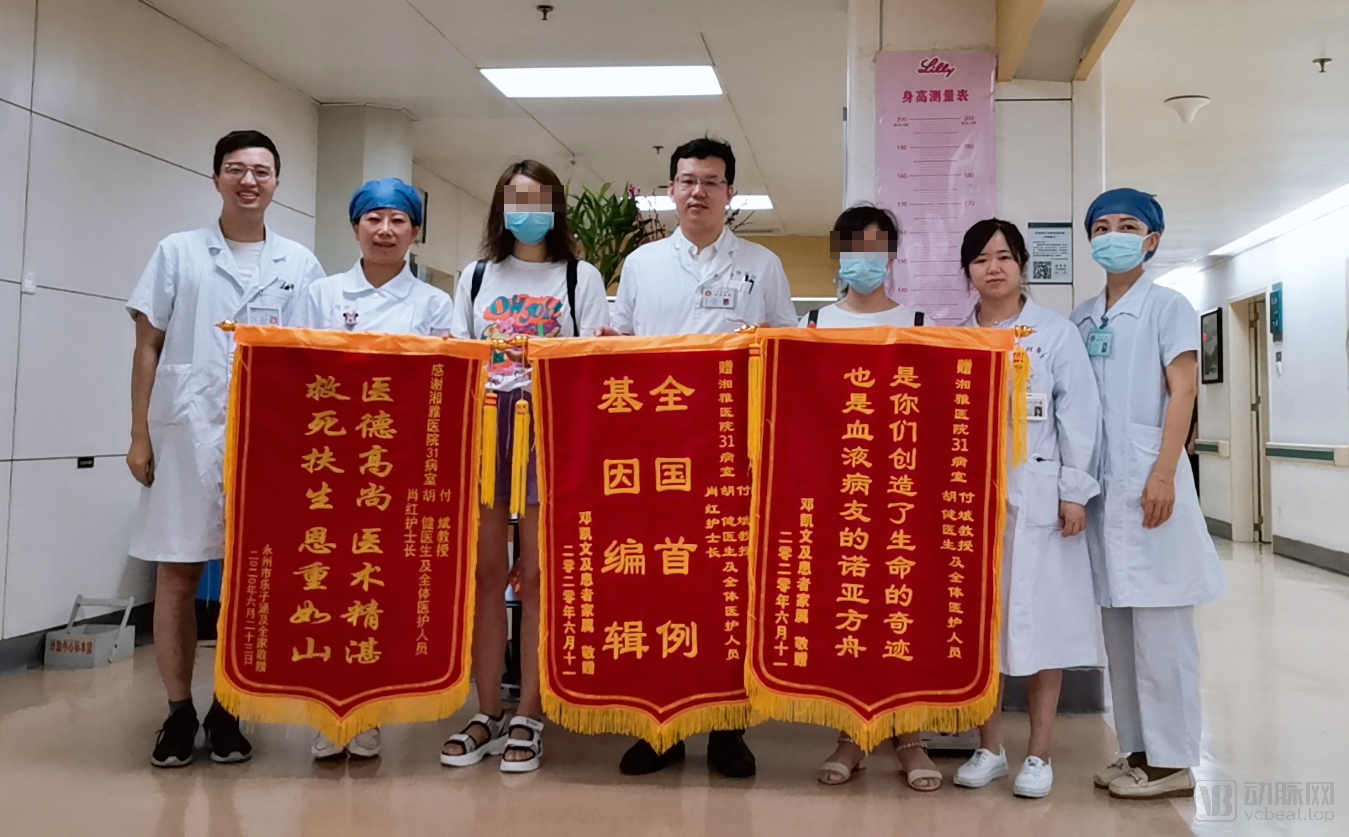
The patient’s family and the principal investigator (PI) of this clinical study, Professor Fu Bin’s team from the Department of Hematology at Xiangya Hospital
Gene editing has long been a hotly pursued avenue for treating thalassemia. From CRISPR Therapeutics to Vertex Pharmaceuticals, pharmaceutical companies in Europe and the United States have already used gene-editing technologies in clinical trials to cure patients with thalassemia. However, there had been no reported cases of successful cures for thalassemia using gene-editing technology in China or even across Asia—until BRL Medicine broke this status quo.
VCBeat documents this historic moment, recreating the full scope of this clinical trial for readers and showcasing BRL Medicine’s innovative gene-editing strategy.
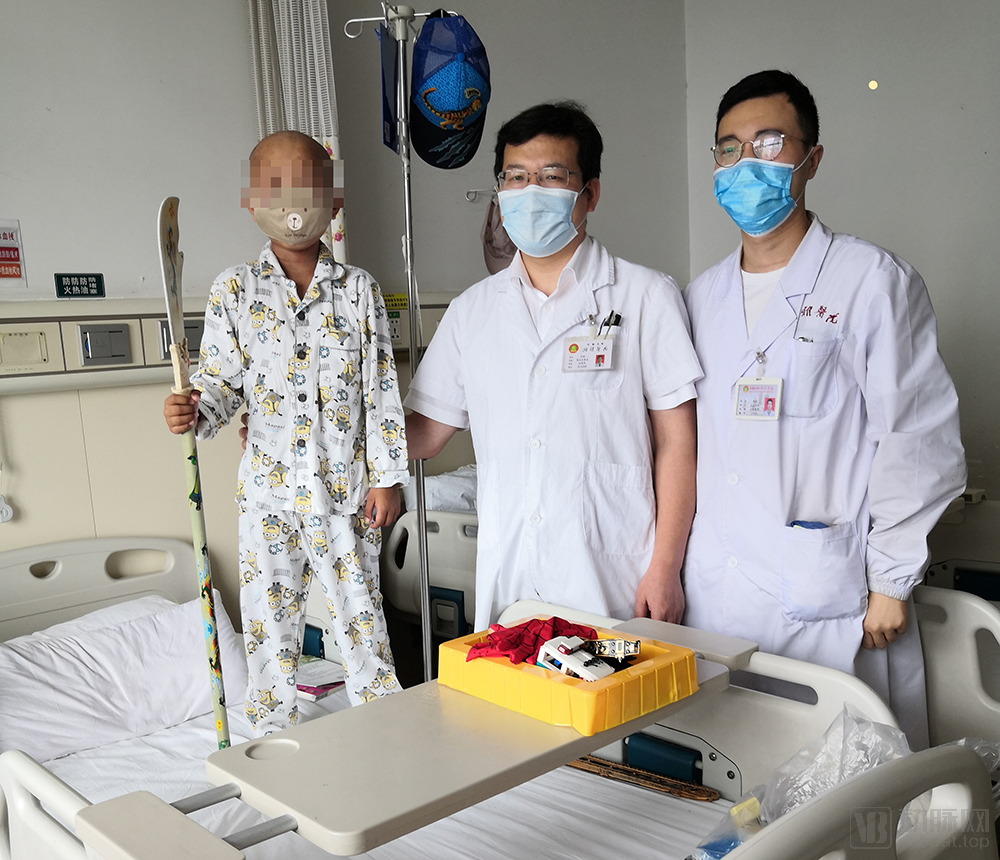
Thalassemia Patients Undergoing Treatment and Their Attending Physicians
The two treated patients were male children aged 7 and 8 years, both suffering from transfusion-dependent severe β-thalassemia (genotypes β0/β0 and β0/β+, respectively). Prior to treatment, their transfusion frequency was approximately two units of red blood cells every 15–20 days. Before receiving the therapy, the patients underwent hematopoietic stem cell (HSC) mobilization and apheresis. BRL Medicine performed HSC isolation and gene editing, followed by reinfusion of the edited cells into the patients. Following transplantation with gene-edited HSCs, both patients successfully achieved hematopoietic stem cell engraftment and hematopoietic reconstitution.
Post-transplantation, fetal hemoglobin (HbF) levels in both patients began to rise significantly one month after the procedure. At the 60-day follow-up, HbF levels had increased to 76 g/L and 97 g/L, respectively. Data from the 75-day follow-up showed that total hemoglobin levels reached 129 g/L and 115 g/L, respectively, indicating that both patients were no longer transfusion-dependent. Follow-up assessments for both patients are currently ongoing.
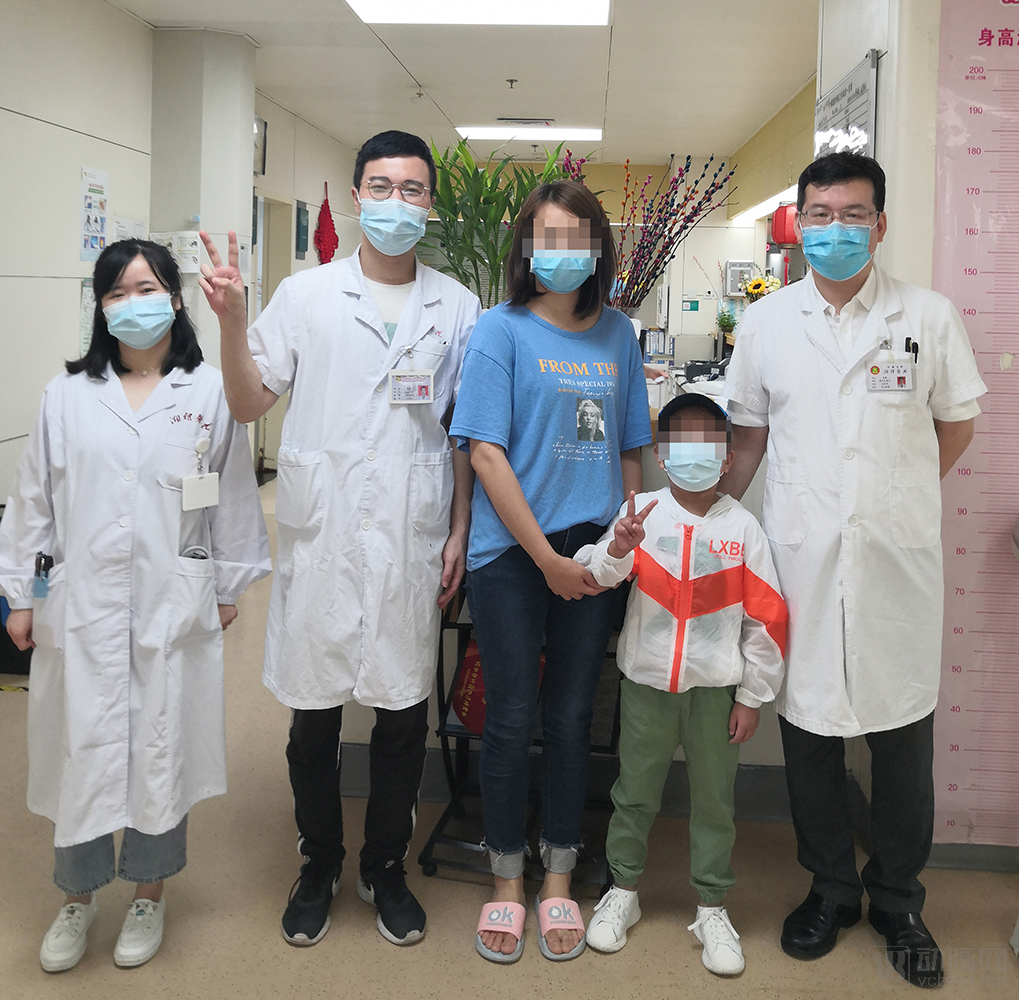
Thalassemia Patient Cured and Discharged
Professor Chen Fangping, Department of Hematology, Xiangya Hospital, Central South University“Basic research and clinical practice in gene therapy have elevated the treatment of thalassemia to unprecedented levels. After dedicating many years to hematopoietic stem cell transplantation for thalassemia, I am delighted to witness how gene-editing technology is delivering more convenient, safer, and more definitive therapeutic outcomes for patients. The progress achieved in our collaborative clinical research with BRL Medicine demonstrates our capacity to provide a novel and comprehensive solution for thalassemia, thereby saving numerous Chinese families affected by thalassemia from poverty, disability, and death.”
During human embryonic development, hemoglobin primarily consists of tetramers formed by γ-globin (encoded by the HBG gene) and α-globin, known as fetal hemoglobin (HbF). After birth, HBG expression is silenced, while the HBB gene begins to express β-globin, which replaces γ-globin to form tetramers with α-globin, resulting in adult hemoglobin (HbA).
Clinical studies have found that some individuals with HBB gene defects do not exhibit severe clinical phenotypes of β-thalassemia, suggesting that reactivating fetal-stage HBG expression in thalassemia patients and achieving higher levels of HbF could alleviate symptoms or even lead to a complete cure.
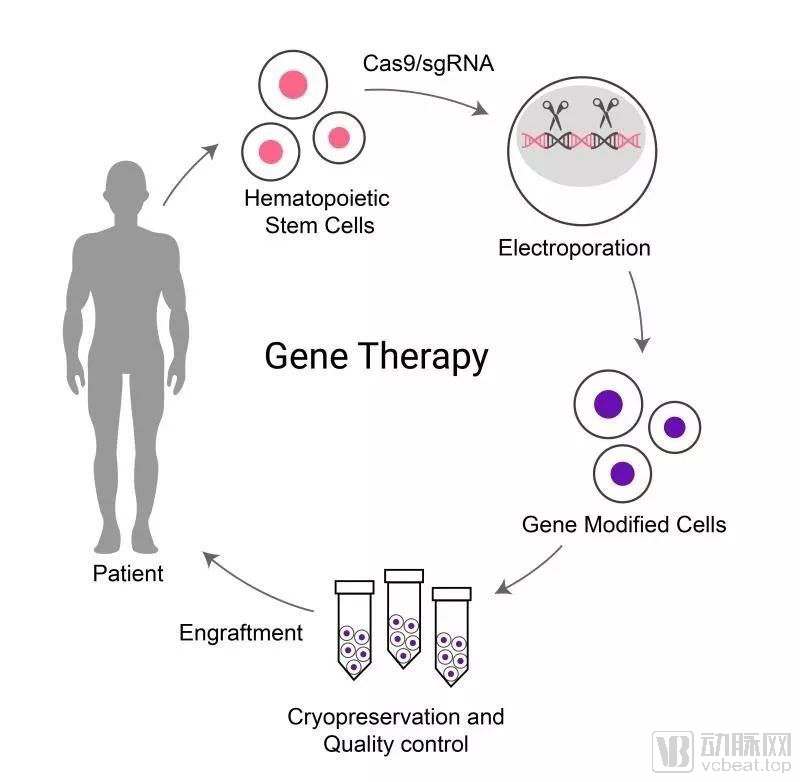
Strategies for Treating Thalassemia Based on Gene Editing Technology
This clinical studyHematopoietic stem cells (HSCs) are isolated from the patient, undergo gene editing at specific loci using CRISPR/Cas9 technology, and are then autologously transplanted back into the patient. This process activates endogenous HBG expression, significantly increasing γ-globin levels in red blood cells, restoring hemoglobin levels to the normal range, and completely eliminating transfusion dependence., becoming a treatment that may potentially alleviate or even cure thalassemia.
“Gene editing technology for the treatment of thalassemia is at the forefront of the global gene therapy field. To date, only CRISPR Therapeutics in the United States reported successful cases in 2020, where two β0/β+ patients were freed from transfusion dependence for 5 and 15 months, respectively, after receiving treatment.”Dr. Wu Yuxuan, Scientist at BRL Medicine“He stated that among the patients treated by BRL Medicine in this trial, one had β0/β0 thalassemia with a complete deletion of the β-globin gene. This case presented greater therapeutic challenges compared to clinical trials conducted in the United States. Overcoming the hurdle of treating β0/β0 thalassemia signifies that all forms of transfusion-dependent thalassemia can be curable through this therapeutic strategy.”
Meanwhile,Mr. Xi Zaixi, CEO of BRL MedicineHe stated, “The advent of the gene therapy era has brought new insights and concepts into the nature of diseases and their cures. BRL Medicine has always shouldered the mission of ‘leading innovation through gene editing, developing breakthrough therapies, and benefiting all humanity,’ striving to successfully apply gene-editing tools—representing the pinnacle of biotechnology—to disease research and treatment. Among these efforts, thalassemia is the most widely distributed monogenic inherited disorder globally, affecting the largest population. As China is a country with a high prevalence of thalassemia, this clinical study makes gene therapy based on gene editing a promising new clinical treatment option for patients with β-thalassemia. This approach not only offers lifelong health benefits to a vast number of thalassemia patients but also significantly alleviates pressure on blood banks.”
Thalassemia is the most widely distributed monogenic hereditary disease globally, affecting the largest population. According to data from the "Blue Book on Thalassemia Prevention and Control in China (2015)," there are currently approximately 30 million thalassemia gene carriers in China, involving a family population of 100 million. Additionally, there are about 300,000 patients with moderate to severe thalassemia, and this number is increasing at an annual rate of approximately 10%.
Currently, the standard treatment for thalassemia isRegular Blood TransfusionandAdequate Iron Chelation Therapy, not only may cause severe complications and organ damage in patients, but also imposes a significant financial burden on their families.
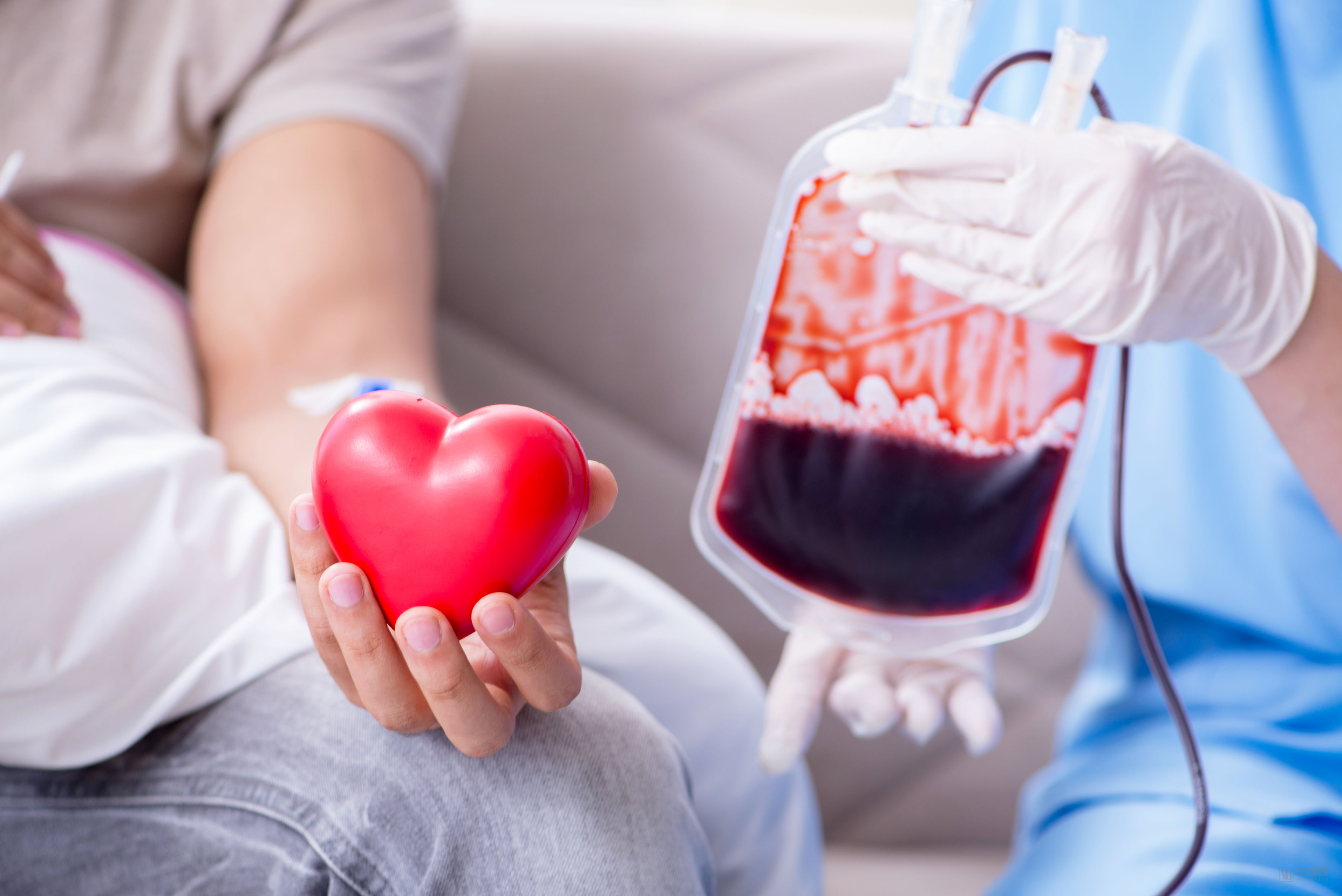
Through this clinical trial by BRL Medicine, we have witnessed the hope that gene therapy brings for curing patients with β-thalassemia. It is poised to become a novel clinical treatment regimen for β-thalassemia patients in China, not only offering lifelong health to a vast number of thalassemia patients but also significantly alleviating the pressure on the national blood bank system.
In recent years, the rapid advancement of gene-editing technologies has ushered in a new era. The industry transformation driven by technologies such as CRISPR/Cas9, base editing, and CAR-T is intensifying, revealing the immense potential of these emerging innovations. Gene therapy offers the possibility of fundamentally curing genetic disorders, achieving lifelong remission with a single treatment. This represents a significant breakthrough for patients with genetic diseases, particularly those suffering from monogenic rare diseases.
About BRL Medicine
BRL Medicine Inc. is committed to becoming a globally leading gene and cell therapy company in the era of new commercial civilization. With the mission of “leading innovation through gene editing, developing breakthrough therapies, and benefiting all humanity,” BRL Medicine has relied on its self-developed R&D center and the “Shanghai Gene Editing and Cell Therapy Research Center” co-established with East China Normal University. Over the past five years, the company has generated 105 patent achievements, launched investigator-initiated trials (IITs) for five projects across eight renowned hospitals, and advanced three of these projects into the Investigational New Drug (IND) application stage.Nature Biotechnology,Nature MedicinePublished 12 high-level academic papers in internationally renowned journals.
BRL Medicine has established three major technology platforms for gene editing, cell therapy, and gene therapy. With a 6,000-square-meter GMP pilot-scale production base and an operational team of nearly 100 professionals, the company ensures the rapid translation and application of innovative research outcomes. Driven by patient needs and clinical feedback, BRL Medicine continuously accelerates the iterative development of its R&D products. Upholding a philosophy of openness, sharing, and mutual benefit, BRL Medicine collaborates with global innovators across the biopharmaceutical ecosystem to expedite the translation and commercialization of novel therapies, ultimately benefiting patients worldwide suffering from genetic disorders and malignant tumors.