

TriArm Therapeutics Files IPO Prospectus: Revolutionizing Cell Therapy with Transposon-Based Platform
TriArm Therapeutics
Cellular Immunotherapy Product Developer
“It is said that every atom within our bodies originates from ancient stardust, which, driven by dreams, collided and inspired one another, gradually forming stars and planets, and ultimately, us...” This is the origin of the Chinese name for TriArm Therapeutics (Stardust Biotech), embodying a unique romance that organically integrates science with the arts.
TriArm Therapeutics is a next-generation cell therapy company initiated by Panacea Venture and co-founded in late 2018 by CEO Dr. Jay Zhang and Chief Scientific Officer Dr. Jim Lu. Dr. Jay Zhang has established multiple companies focused on therapeutic products in both China and the United States; Dr. Jim Lu previously served at the U.S. FDA for over a decade, specializing in the review of cell therapies. The company’s core team comprises seasoned management and R&D professionals from the biopharmaceutical technology sector, most of whom are senior scientists from major pharmaceutical companies in China and abroad, with an average of more than 20 years of in-depth industry experience.
Currently, TriArm Therapeutics has its operational headquarters in Shanghai, with R&D branches in Taipei and Regensburg, Germany. The company focuses on the clinical translation of innovative cell-based immunotherapy products and is committed to providing next-generation cell therapy solutions for cancer patients. VCBeat (WeChat ID: vcbeat) conducted an exclusive interview with Dr. Jay Zhang, CEO of TriArm Therapeutics, to reveal to readers how next-generation cell therapy strategies will revolutionize existing cellular therapies.
1Pain Points of Current Cell Therapies: High Costs, Complex Processes, and Severe Cytokine Storms
Cell therapy has gained increasing momentum in recent years. From CAR-T to TCR-T, scientists are leveraging the human body’s own immune system to combat cancer. Despite rapid advancements over the past few years, while some CAR-T therapies have received regulatory approval for market launch, this emerging form of cellular immunotherapy still faces numerous clinical challenges that urgently need to be addressed.
From a straightforward perspective, Novartis’s marketed CAR-T therapy, Kymriah, is priced at $475,000 per treatment course. Such an “astronomical” price has deterred many patients with acute lymphoblastic leukemia. Price is only one factor; the cumbersome and lengthy manufacturing process during product preparation, the use of viruses as transfection vectors, and side effects such as cytokine release syndrome induced by CAR-T cell therapy further limit the widespread clinical adoption of CAR-T cell therapies.
To address the pain points associated with existing cell therapies, the field has developed new strategies. A currently popular approach involves converting autologous CAR-T cells into universal (off-the-shelf) CAR-T therapies to reduce treatment costs. However, this strategy introduces certain potential risks, such as immune rejection in patients. Furthermore, the cytotoxic efficacy of universal CAR-T cells engineered via gene knockout to avoid immune rejection remains debatable, raising safety concerns. Additionally, non-viral transfection methods, an emerging area of interest, offer new hope but still require clinical data to validate their safety and efficacy.
2Addressing Critical Pain Points: Unveiling Transposons—Non-Viral T Cell Transduction Completed in 2 Days
Addressing the numerous pain points of existing cell therapies, TriArm Therapeutics has adopted a novel strategy to optimize cellular immunotherapy. This approach not only significantly reduces the cost of cell therapy but also effectively avoids cytokine release syndrome (CRS), a common side effect associated with such treatments. Built upon three generations of exploratory research, this strategy has already yielded preliminary safety data from human clinical trials. The company’s product pipeline has entered the clinical trial phase, with plans to rapidly advance industrialization and final commercialization in the near future.
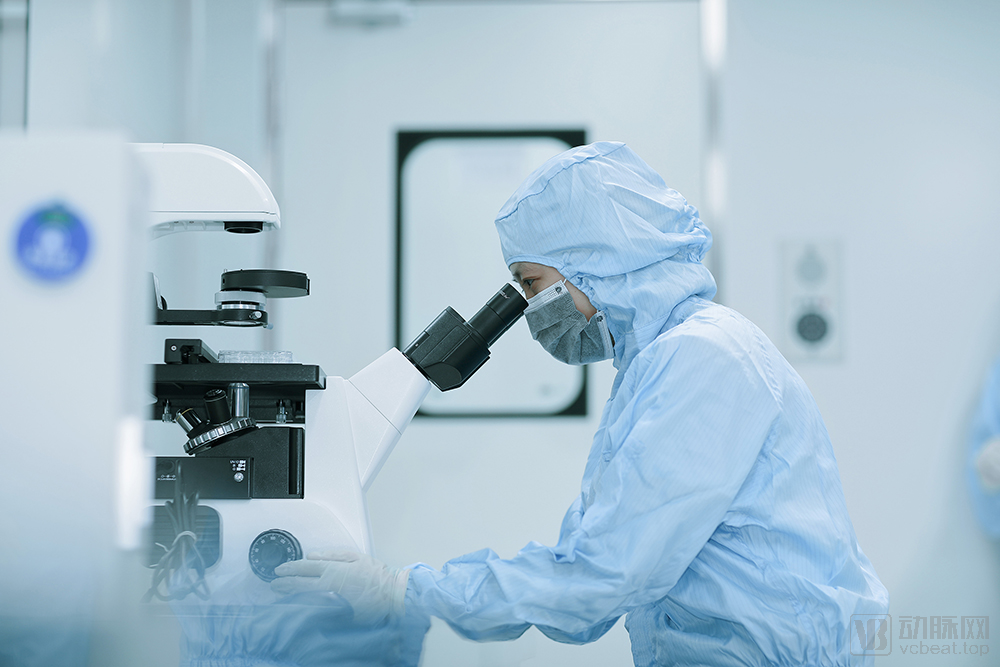
Stardust GMP Cell Production Facility
“Our proprietary technology lies in our abandonment of the traditional method of using viral vectors to infect T cells for ‘CAR-T’ preparation, opting instead for a non-viral approach to engineer T cells,” Dr. Jay Zhang told VCBeat.
The “non-viral approach” mentioned by Dr. Jay Zhang is, in fact, a gene-editing method based on a transposon system.Transposons are a class of DNA sequences that can be transferred to other segments of the genome under the action of transposase.This phenomenon was first discovered by the renowned American cytogeneticist Barbara McClintock, who was awarded the 1983 Nobel Prize in Physiology or Medicine.
Transposons, also vividly known as "jumping genes," why do they jump?Dr. Zhang explained the underlying mechanism: “Behind transposons lies an enzyme called ‘transposase,’ which we can imagine as a ‘crab’ crawling along the DNA. When it encounters a favorable DNA segment, it uses its crab claws to snip it out, and then inserts the excised fragment into another location on the DNA.”The jumping property of transposons has revealed to scientists their immense potential for application—genetic engineering.。This has given rise to a revolutionary new gene-editing technology. Because it leverages transposase, a protein that had been inactive in the animal kingdom for tens of millions of years but was later reactivated through genetic engineering reconstruction—much like Sleeping Beauty awakened by the prince—scientists have vividly named it the "Sleeping Beauty" (gene transfection) technology. TriArm Therapeutics utilizes this technology to perform "transposon infection" on T cells, thereby replacing viral infection and enabling the rapid and efficient production of CAR-T cells.
In comparison, T cells infected via the transposon method can more rapidlyPreparation Completed Within 2 DaysIn contrast, viral infection methods require prior expansion of T cells followed by batch transduction, with the entire process taking more than 10 days to complete. Moreover, TriArm Therapeutics possesses not just ordinary transposon technology, but a platform that has been specifically optimized over several years and has accumulated extensive safety data from years of human clinical trials. Therefore, this technology held by TriArm Therapeutics is currently the closest to clinical application.
3Three Birds with One Stone: In Vivo Expansion of CAR-T Cells Enhances Targeted Cytotoxicity While Avoiding CRS
Rapid CAR-T Cell Manufacturing: TriArm Therapeutics’ “Transposon Strategy” Simplifies Process Optimization, Reducing the Cost of Cell Therapy
Cost reduction is only one aspect; CAR-T therapy based on transposon integration can also perfectlyAvoid Cytokine Stormside effects. Dr. Zhang explained, “We do not need to extensively expand CAR-T cells ex vivo; instead, only a small number of engineered CAR-T cells are infused back into the patient. We program the T cells with specific instructions so that these CAR-T cells precisely target cancerous cells in vivo and activate memory T cells. Upon contact with tumor tissue, these memory T cells undergo robust expansion into tumor-specific T cells with high recognition accuracy, attack cancer cells, and ultimately collaborate with the immune system to eliminate the tumor.”
This process can be vividly understood as follows: When “criminal gangs (tumor tissues)” emerge in a city, we deploy a small, highly specialized police unit (CAR-T) capable of precisely identifying the criminals into the heart of the gang to engage them in combat. These heroic operatives rapidly replicate and expand their numbers, leading to a substantial multiplication of the special forces on-site, thereby further enhancing their combat efficacy. Ultimately, they collaborate with grassroots forces to eradicate the criminals.
This approach not only avoids the consequences of “disturbing the residents” (cytokine release syndrome, CRS) caused by an excessive influx of “police” into the “city,” but also ensures that the proliferating T cells are highly specific “SWAT team” members. In contrast, in traditional CAR-T therapy, the CAR-T cells are “middle-aged” cells that have already undergone several rounds of proliferation ex vivo. Upon reinfusion into the patient, these cells face challenges such as impaired sustained expansion and diminished cytotoxic potency.
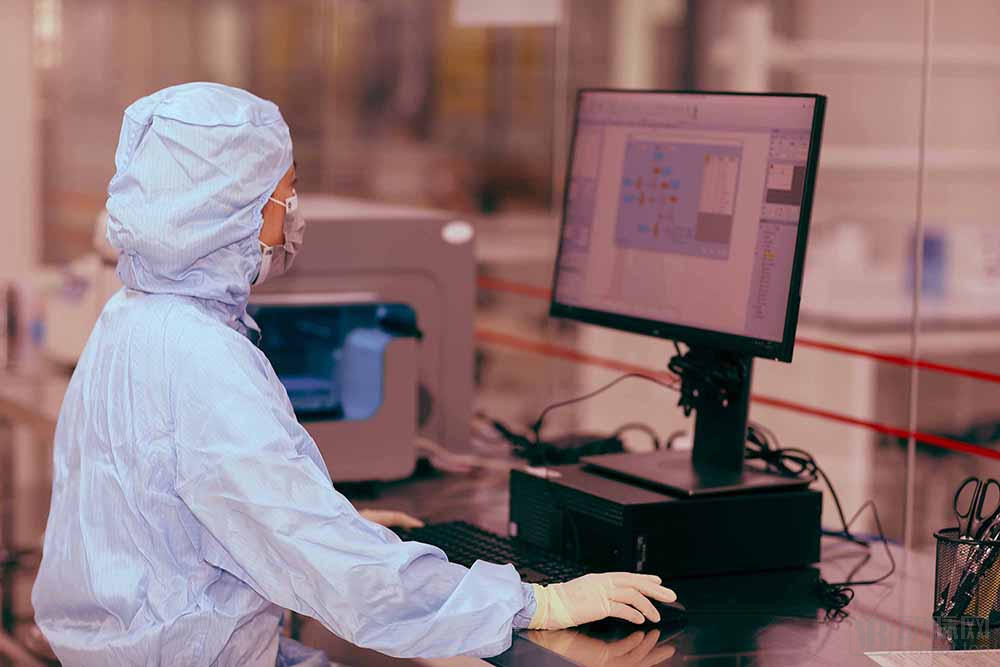
TriArm GMP Cell Manufacturing Facility
TriArm Therapeutics' transposon strategy optimizes existing CAR-T therapies,It can be described as “killing three birds with one stone,”Not only does it avoid the side effects associated with traditional cellular immunotherapy, such as cytokine release syndrome, but it also selectively (rather than indiscriminately) enhances the vitality of CAR-T cells, thereby reducing the research and development costs of conventional cell therapies., providing affordable cell immunotherapy products for cancer patients and paving the way for eventual industrialization and commercialization.
TriArm Therapeutics completed its Series A financing last year, with participation from international investors including multinational venture capital firms. The company has recently launched a new round of Series B financing, aiming to raise tens of millions of US dollars. The proceeds will primarily support TriArm’s subsequent clinical trials and the advancement of high-quality projects. Just as stardust coalesces to form stars, it forms us. Today, TriArm Therapeutics calls upon resources and talent from all sectors to join forces in pursuing a promising future.