

"Consensus Report on Clinical Evaluation and Application of Neurosurgical Instruments" Officially Released!
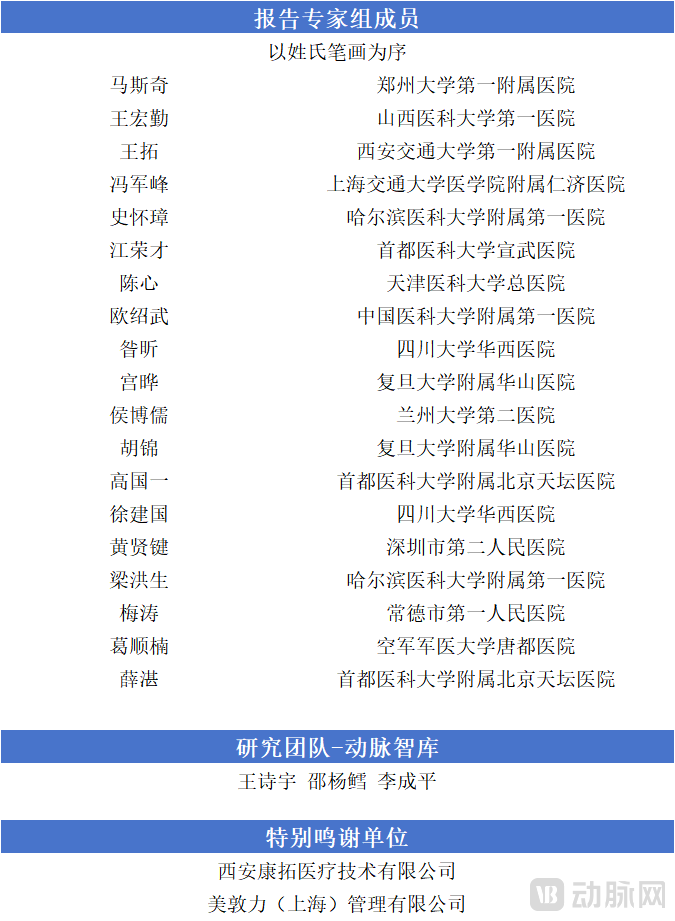
In 2023, the Innovation and Translation Medicine Branch of Neurosurgery (ITMNS) of the China Aging Wellness Association published the "Neurosurgical Medical Device White Paper." This white paper systematically organized the classification, technical principles, and current clinical applications of mainstream medical devices in the neurosurgical field, providing authoritative reference for the industry.
To further deepen the research value, the ITMNS branch, based on the results of the 2023 White Paper, selected three types of core products.(Skull Repair System, Surgical Hemostatic Materials, Intracranial Pressure Monitor), conduct in-depth specialized evaluations and analysis. This evaluation will focus on the technical innovation, clinical efficacy, safety, and application scenarios of the devices. Through quantitative assessments and expert reviews, an evaluation report with both academic value and practical guidance will be produced to promote the precise development and standardized application of neurosurgical devices.
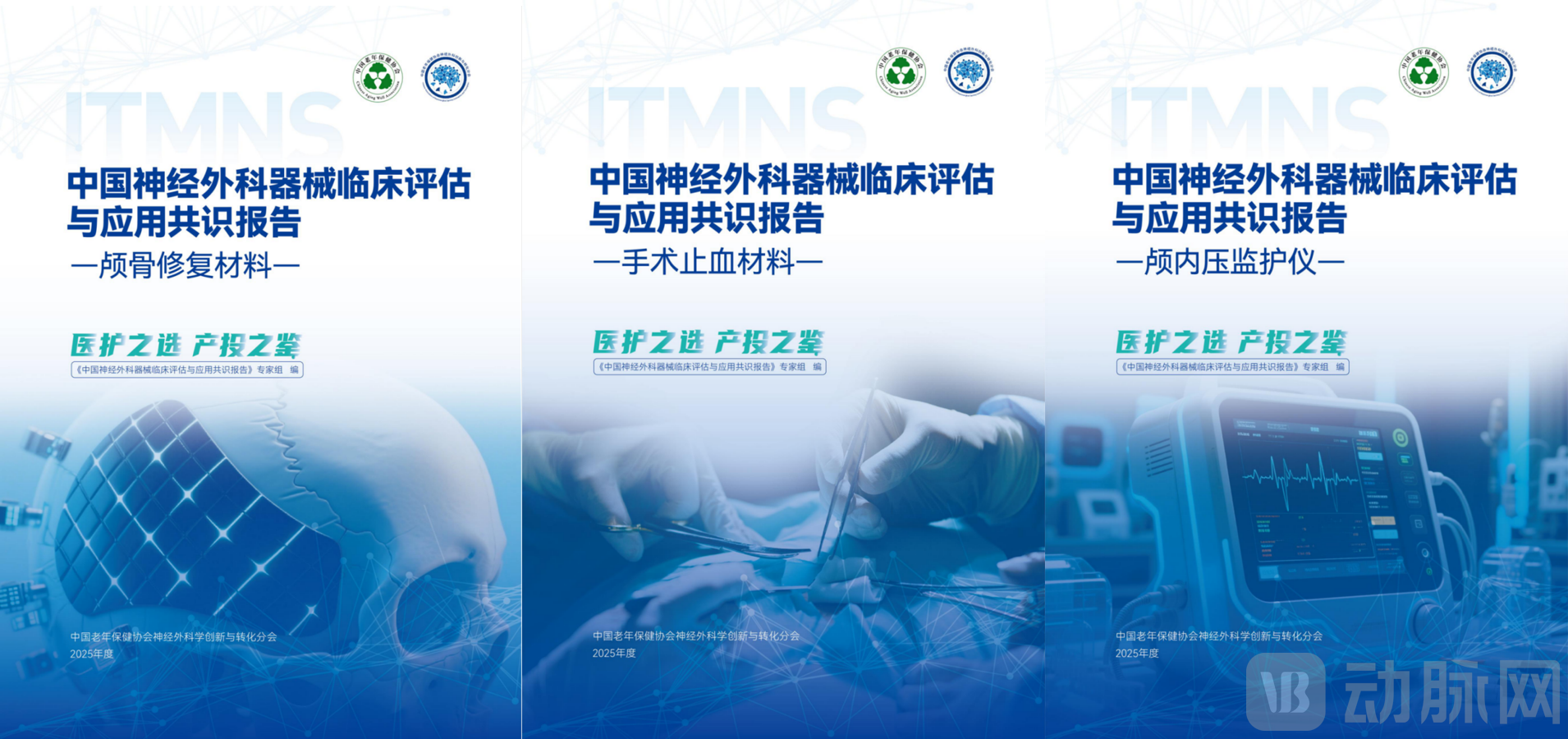
1Cranioplasty Materials
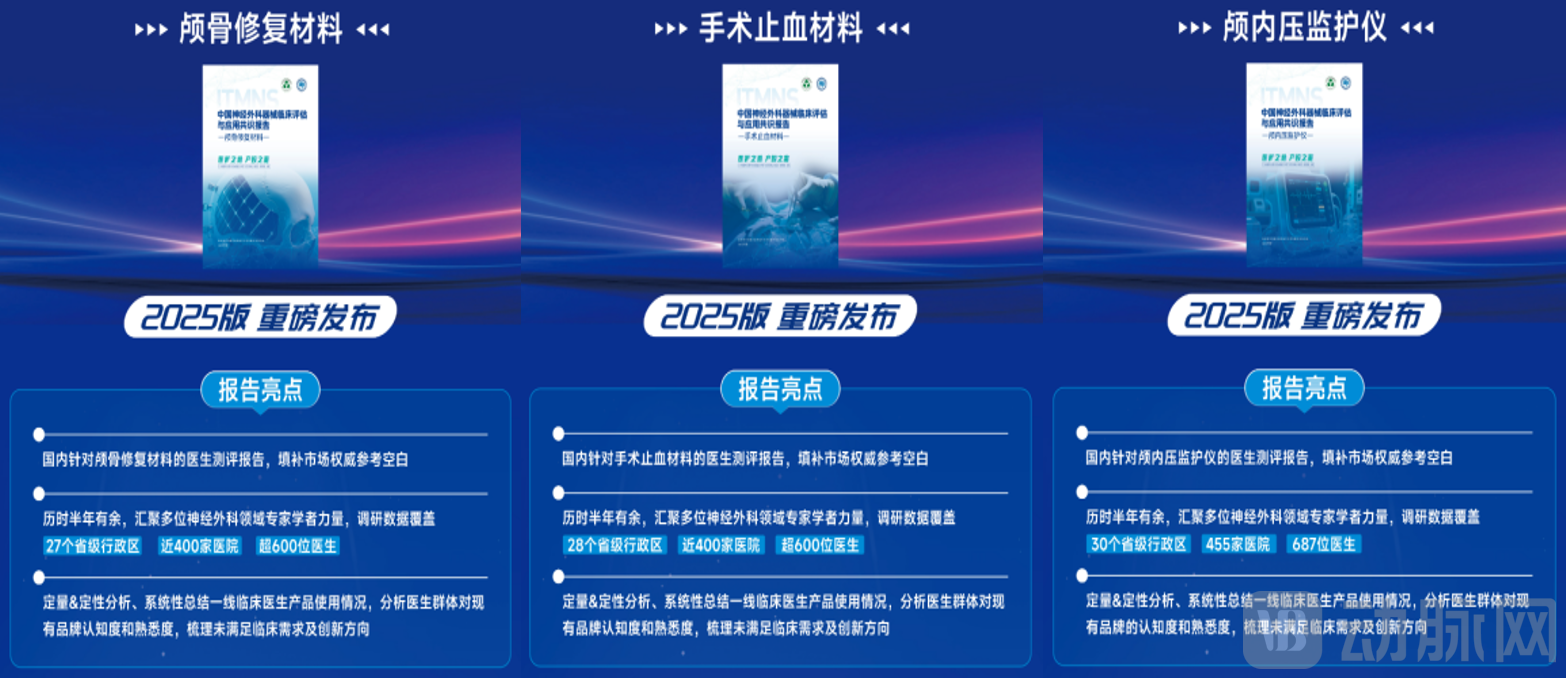
The project team adopted a research method combining offline interviews with online questionnaires. The online research covered 27 provinces in China, 377 hospitals, with a total of 612 participating doctors. Through systematic analysis of the research data and interviews with industry enterprises and clinical experts, we have drawn the following key conclusions:
(1) Titanium mesh/titanium alloy remains the most frequently used cranial repair material by neurosurgeons currently, while PEEK material shows strong penetration potential.
(2) Foreign brands still dominate doctors' perceptions of cranial repair materials, while domestic brands have made breakthroughs in the PEEK material field.
(3) As the industry gradually matures, the requirements of clinicians for cranial repair materials are shifting from单一的“刚性安全性”to“综合生物性能与患者体验”.
(4) More than half of doctors embrace innovation, with new material development becoming the most focused area of innovation in skull repair materials for neurosurgeons.

Innovative Directions in Doctor-Approved Skull Repair Materials
2Surgical Hemostatic Materials
The project team adopted a research method combining offline interviews with online questionnaires. The online survey covered a total of 28 provincial administrative regions in China, 375 hospitals, with the participation of 626 doctors. Through systematic analysis of the survey data and interviews with industry enterprises and clinical experts, we have drawn the following key conclusions:
(1) Foreign brands still dominate doctors' awareness of hemostatic materials, while domestic brands have made breakthroughs in the field of absorbable regenerated oxidized cellulose.
(2) Neurosurgeons have a high overall satisfaction with hemostatic material products, and "postoperative adhesion" is the core pain point of various types of hemostatic materials currently.
(3) The requirements of clinicians for hemostatic materials have shifted from "simple hemostasis" to "rapid, safe, suitable for minimally invasive procedures, and multifunctional integration."
(4) Clinicians' preference for innovative trends focuses on addressing current pain points, namely, practical materials that are "low-profile, low-residue, and visually assessable."
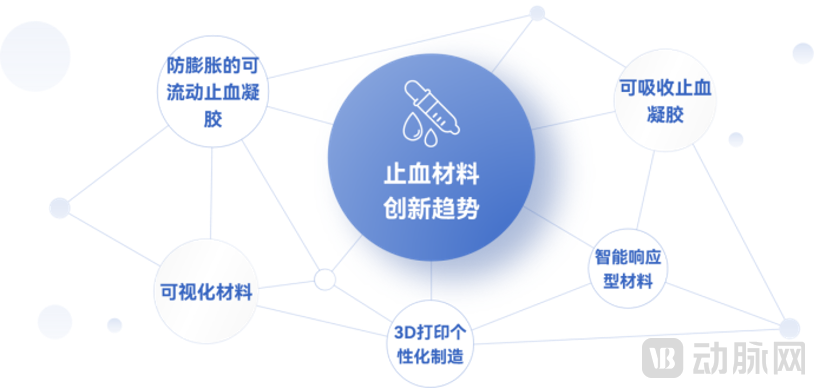
Innovative Directions in Doctor-Approved Surgical Hemostatic Materials
3Intracranial Pressure Monitor
The project team adopted a research method that combines offline interviews with online questionnaires. The online survey covered 30 provinces in China, 455 hospitals, with a total of 687 participating doctors. Through systematic analysis of the survey data and interviews with industry enterprises and clinical experts, we have drawn the following key conclusions:
(1) Invasive monitoring is the gold standard for ICP monitoring; among non-invasive monitoring, TCD, radiological imaging methods, and ONSD ultrasound are the three most commonly used technologies.
(2) The core considerations for neurosurgeons in choosing different invasive monitoring technologies are the convenience of surgical operation, data embeddability in hospital information systems, AI early warning functions, and support for continuous monitoring.
(3) Neurosurgeons have a relatively high overall satisfaction with current invasive monitoring products. The high demands of the monitoring process on doctors and the surgical environment, along with the high cost of equipment, are the core pain points.
(4) Neurosurgeons' requirements for invasive monitoring products have evolved from the "useful" stage to the "user-friendly" stage, which demands higher accuracy and better operational experience. Invasive ICP monitoring products are showing innovations in three major directions.
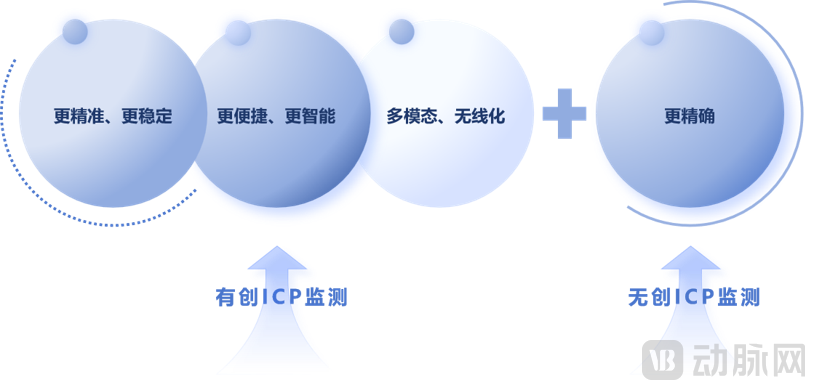
Doctor-Approved Innovation Directions for Intracranial Pressure Monitors
Units or individuals with procurement needs, please contact the ITMNS Secretariat.
Contact: Mr. Dong 18721416687