


On September 9, Bayer’s BAY 1817080 tablets were approved for clinical trials in China, indicated for the treatment of refractory and/or unexplained chronic cough (RUCC).

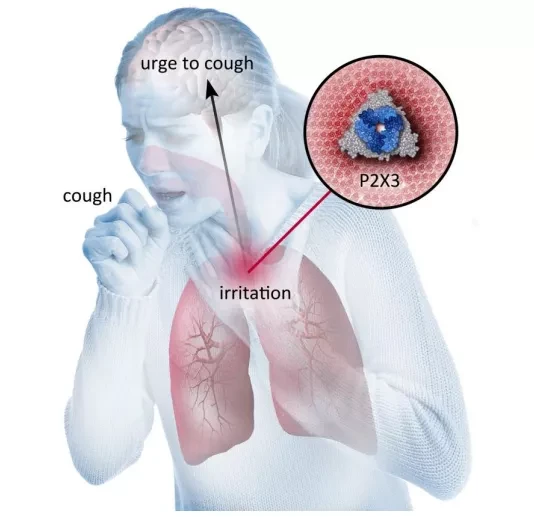
Chronic cough (cough lasting more than 8 weeks) has a prevalence of approximately 10% among adults worldwide. Currently, no new drugs have been approved for the treatment of chronic cough. BAY 1817080 is a P2X3 receptor antagonist; overactivation of P2X3 receptors is considered to be associated with sensory neuron hypersensitivity. Sensory neuron hypersensitivity occurs following airway and lung injury or infection, leading to persistent and frequent coughing.
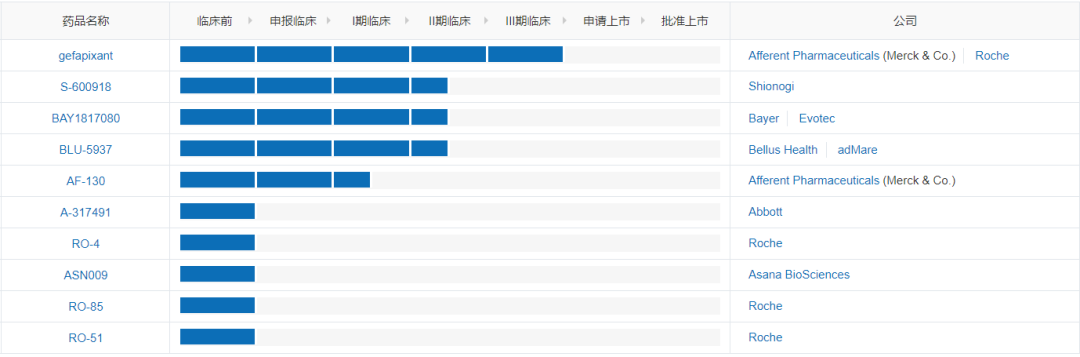
The most advanced P2X3 receptor antagonist globally is Merck’s gefapixant, which effectively reduces cough but is associated with taste-related side effects. Other investigational drugs, such as BAY 1817080, S-600918, and BLU-5937, are currently in Phase II clinical trials.
P2X3 Receptor Antagonists Under Investigation
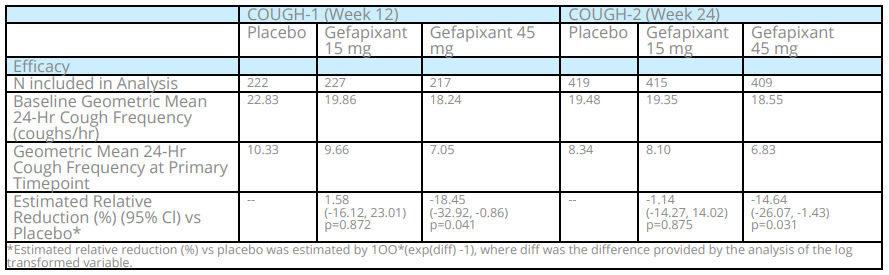
Data from two Phase III studies (Cough-1 and Cough-2) recently presented by Merck & Co. at the European Respiratory Society International Congress showed that gefapixant 45 mg reduced 24-hour cough frequency by 18% and 15%, respectively, compared with placebo, with statistical significance. However, analysts considered these results somewhat disappointing compared to previously reported Phase II findings, and the drug’s serious adverse effect of taste disturbance may limit its use.
Results of the Cough-1 and Cough-2 Studies
BLU-5937, another P2X3 receptor antagonist with a favorable safety and tolerability profile, failed to meet the primary endpoint of reducing cough frequency in patients in the Phase II RELIEF study. However, it significantly reduced cough frequency in patients with high-frequency cough (awake cough frequency ≥ the baseline median of 32.4 coughs/hour). The Phase IIb clinical study of this drug in patients with high-frequency cough is scheduled to initiate in Q4 2020.