

Takeda Accelerates Innovative Drug Development Centered on Patients to Advance Rare Disease Care in China

Takeda
Biopharmaceutical Manufacturer
Due to its large population base, rare diseases are not actually rare in China.According to incomplete statistics, there are approximately 20 million patients with rare diseases in China. This large patient population has long faced a series of predicaments, including high misdiagnosis rates, prolonged time to diagnosis, low treatment rates, lack of available therapies, insufficient medical insurance coverage, and heavy economic burdens.
In recent years, driven by the active advocacy of various patient organizations and caring individuals from all sectors of society, the Chinese government has gained awareness of the myriad challenges faced by patients with rare diseases and has begun to sequentially introduce relevant policies to meet their needs for effective treatment.
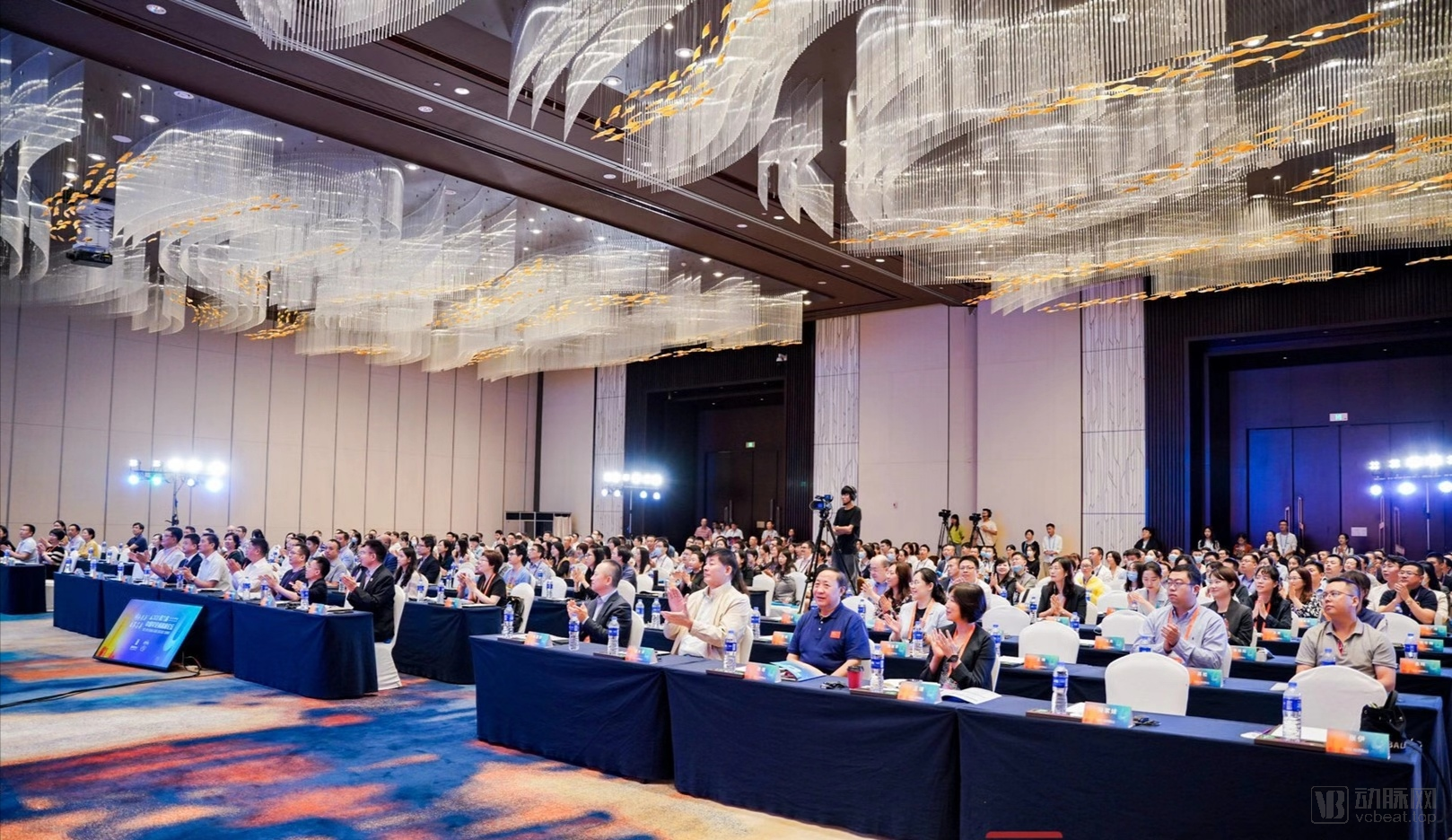
The 9th Rare Disease Summit
September 12-13, 2020The Koude Rare Disease Center, in collaboration with West China Hospital of Sichuan University, joined hands with the local government and experts from various fields of rare diseases to hold the 9th Rare Disease Summit Forum in Chengdu.The forum conducted in-depth discussions on how to address patient needs, focusing on various industry topics such as disease education, collaboration with patient organizations, rare disease drug development, and drug accessibility.
As a leader in the field of rare diseases, Takeda actively and deeply participated in this conference. To gain an overview of Takeda's relevant initiatives in the rare disease sector in recent years, VCBeat (WeChat ID: vcbeat) conducted interviews at the conference withDr. Lin Wang, Head of Takeda Asia Development CenterConducted an exclusive interview.
Accelerating Rare Disease Initiatives: Doubling Down on the Chinese Market
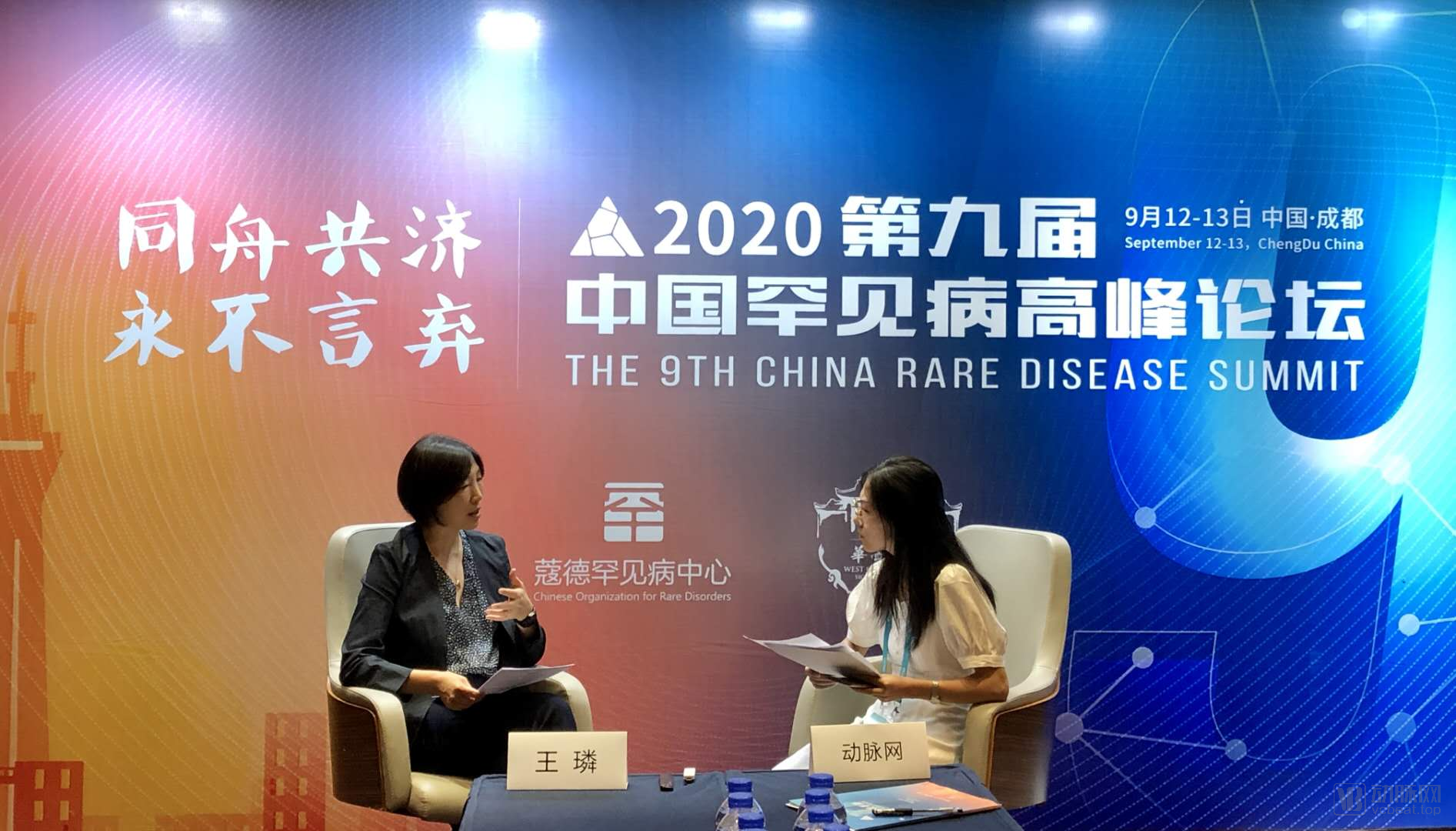
VCBeat Exclusive Interview with Dr. Wang Lin, Head of Takeda’s Asia Development Center
Discussing China’s current policies on rare diseases, Dr. Wang Lin stated, “In recent years, the increasing number of approved innovative products for rare diseases and the growing inclusion of rare-disease medications in national reimbursement negotiations demonstrate that the government is placing greater emphasis on the rare-disease field. This presents a favorable market access opportunity for Takeda and other pharmaceutical companies.”
Since the National Medical Products Administration issued the “Opinions on Encouraging Drug Innovation and Implementing Priority Review and Approval” in 2017, which included rare disease therapeutics within the scope of priority review, the state has subsequently rolled out multiple policies targeting rare disease drugs.
In May 2018, the National Health Commission and four other ministries jointly formulated the First Batch of Rare Diseases Catalogue, officially announcing 121 rare diseases for the first time. Subsequently, an announcement was issued on optimizing drug registration review and approval procedures, and a fast-track review and approval channel was established for overseas new drugs urgently needed in clinical practice. These measures further improved the efficiency of marketing approval for relevant drugs and shortened the time required for overseas rare disease drugs to enter the Chinese market.
A series of initiatives and favorable policies implemented by the Chinese government in the field of rare disease drugs have opened doors for Takeda and other pharmaceutical companies. Dr. Wang Lin told VCBeat,“China has now become one of the four key regions in Takeda’s global R&D.”
Since 2018, the Takeda Asia Development Center has been progressively achieving synchronized drug development in China and globally, along with simultaneous submission of new drug applications.
“Currently, Takeda’s China R&D team has further advanced data sharing with Europe and the United States in the field of rare disease clinical research. In the future, China’s participation in global rare disease clinical trials is expected to increase, providing Chinese patients with more opportunities to engage in international new drug clinical trials. This not only accelerates the regulatory submission process for new rare disease drugs in China but also helps ensure that these innovative therapies reach Chinese patients earlier.”
Patient-Centric: Engaging Patients Throughout Every Stage of New Drug Development
“What touched me most was an exchange with a patient organization representative at the conference. He noted that while rare diseases are, by definition, rare, living with one is profoundly painful, as patients endure immense and often misunderstood pressures—physically, psychologically, and financially—leaving them ‘isolated and without support.’”
What Is Patient-Centricity? For Dr. Wang Lin, the ability to alleviate the suffering of patients with rare diseases defines the purpose of his work at the Takeda Asia Development Center.
When discussing the optimal pathway for orphan drugs from overseas to enter the Chinese market, Dr. Wang Lin stated, “From an R&D perspective, I believe the best approach is to generate more data on Chinese patients. Whether patients participate in early-stage R&D design or clinical trials, such involvement can enhance our understanding of the disease status among Chinese patients and help accumulate more real-world patient data. These data can serve as evidence during the drug access process, enabling our market access teams and government authorities to make informed decisions.”
Dr. Wang Lin emphasized more than once in the interview the importance of conducting drug research based on patient needs. “Takeda is making every effort to enable Chinese patients to participate in global clinical trials at an earlier stage,” she said with satisfaction. “The country now encourages genuine innovation and supports China’s early integration into global innovative efforts. This has changed the previous situation where foreign studies had already entered Phase II or III clinical trials while China might have only just begun related research.”
Dr. Wang Lin told VCBeat that Takeda has completed a Phase II clinical study on developmental and epileptic encephalopathies (DEEs) in children. In this trial, China contributed nearly one-third of the patients, which has been immensely helpful in gaining a deeper understanding of the needs of patients across different regions.
“Enrolling Chinese patients in early-stage clinical trials ensures that the global registration of the drug covers China, thereby facilitating its prompt approval in the country and enabling Chinese patients to benefit from it at the earliest opportunity.” From Dr. Wang Lin’s gentle words and sincere gaze, one can truly sense her deep care for patients.
Currently, 30% of Takeda’s clinical research teams have developed Patient Engagement Plans (PEPs). Meanwhile, the company plans to ensure that all clinical research teams participate in or track at least one patient collaboration project within fiscal year 2020.
“Strengthening patient engagement helps improve R&D effectiveness and accelerate the introduction of innovative therapies. Clinical trial design requires patient guidance and a genuine understanding of patients’ needs.” This reflects Takeda’s “patient-centric” mission.
Actively collaborate with patient organizations to deeply explore patient needs
Due to the small number of cases and the dispersed patient population, data collection and clinical recruitment for rare diseases often face significant challenges. So, how can we enhance the willingness of patients with rare diseases to participate in clinical trials? How can we gain a comprehensive understanding of patients’ true pathological characteristics and diagnostic and treatment needs from multiple aspects of their lives, rather than focusing solely on their disease symptoms?
“Collaboration with patient organizations is critically important,” stated Dr. Wang Lin. “During the clinical trial enrollment phase, patient organizations serve as a bridge by sharing aggregated clinical recruitment information from various companies with patients, thereby enabling eligible participants to learn about and enroll in clinical trials at the earliest opportunity.”
Throughout the entire drug development lifecycle, continuous information collection is essential. Dr. Wang Lin stated that in-depth collaboration with patient organizations enables pharmaceutical companies to gain a deeper understanding of patients’ actual needs. “What needs can a drug meet? What needs does it fail to address? What are the other circumstances of the patients? … Such big data can play an important guiding role in our future research on next-generation therapies.”
“Takeda is committed to bringing clinical trials of innovative products to China at an early stage by actively collaborating with patient organizations. Through these clinical trials, we can engage with more experts and hospitals, helping them enhance their understanding of the disease. These doctors, in turn, disseminate knowledge through online and offline presentations, thereby raising awareness among physicians in remote areas and ultimately improving patients’ understanding of the disease.”
Actually,Takeda has been continuously supporting patient organizations in China for many years, represented by the Center for Rare Diseases (CORD), to help promote public education on rare diseases and build an information exchange platform.
At the recently concluded inaugural Takeda Rare Disease Patient Exchange Summit, Takeda supported the China Rare Disease Patient Organization Empowerment Project initiated by the Wuxi Lingshan Charity Foundation. The project aims to enhance the advocacy capabilities of rare disease patient groups in China, explore pathways for rare disease coverage in the country, and improve the quality of life for patients with rare diseases in China.
This patient organization empowerment initiative will deliver two core outputs:A Patient Organization Growth Map,To provide a basis for patient tissue culture;A Patient Organization Empowerment SystemEstablish competency standards for patient organizations to precisely cultivate the key capabilities currently needed.
Leading the Direction of Development in the Field of Rare Diseases, Shouldering Greater Expectations from Patients with Rare Diseases
Since completing the acquisition of Shire, the “leader” in the rare disease field, in 2019, Takeda has leaped to become a frontrunner in rare diseases, thereby breaking into the top ten global pharmaceutical companies.Currently, rare diseases have become one of Takeda’s four core therapeutic areas of R&D focus, standing alongside its other three major therapeutic areas: oncology, gastroenterology, and neuroscience.Approximately 50% of Takeda's current R&D pipeline has received orphan drug designation from the U.S. Food and Drug Administration.
Dr. Wang Lin told VCBeat,Takeda is currently focusing on three major categories of rare diseases: rare immune disorders, metabolic disorders, and hematologic disorders.Rare immune diseases include hereditary angioedema; rare metabolic disorders include Gaucher disease, Fabry disease, and lysosomal storage disorders; rare hematologic diseases include hemophilia and thrombocytopenic purpura.
In addition, Takeda is also focusing on certain rare diseases within its other three core therapeutic areas, such as developmental and epileptic encephalopathies in children (neuroscience), ulcerative colitis, and Crohn’s disease (gastroenterology). Many of these rare diseases have not yet been officially classified as “rare” in China and are not included in the national list of rare diseases. “However, the patients are real, and their needs are genuine.” Takeda is planning to advance the research, development, and regulatory registration processes for relevant therapies in China.
Over the next 3–5 years, Takeda will introduce 15 new drugs to the Chinese market, with nearly half of them being rare disease therapies.
A Call for Collaborative Efforts Across All Sectors: Diagnosis and Treatment of Rare Diseases Is a Societal Issue
According to Dr. Wang Lin, the management of rare diseases has been a gradually evolving process worldwide. Europe and the United States started earlier than China, thus accumulating more experience. But “The diagnosis and treatment of rare diseases is a societal issue. From policy to health insurance, it requires the joint attention and efforts of multiple stakeholders, including the government, hospitals, research institutions, and enterprises.Dr. Wang Lin believes that the greatest challenge in the field of rare diseases in China is “insufficient awareness of rare diseases, as well as the challenges in their diagnosis and treatment.”
“China is not short of patients with rare diseases. As Mr. Huang Rufang just said at the conference, ‘We should find them’ before we can provide them with innovative drugs.”
Rare diseases constitute a specialized field,Takeda calls on all sectors of society to join hands in making rare diseases no longer rare, ensuring that innovative medicines are equitably accessible to every patient with a rare disease, so that they have access to effective treatments.