

Jiangsu Aierkang Biopharma Secures Nearly RMB 100 Million to Advance Novel Cell Therapy for Dry AMD

EyeCure
Cell and Gene Therapy Technology Research and Development Developer
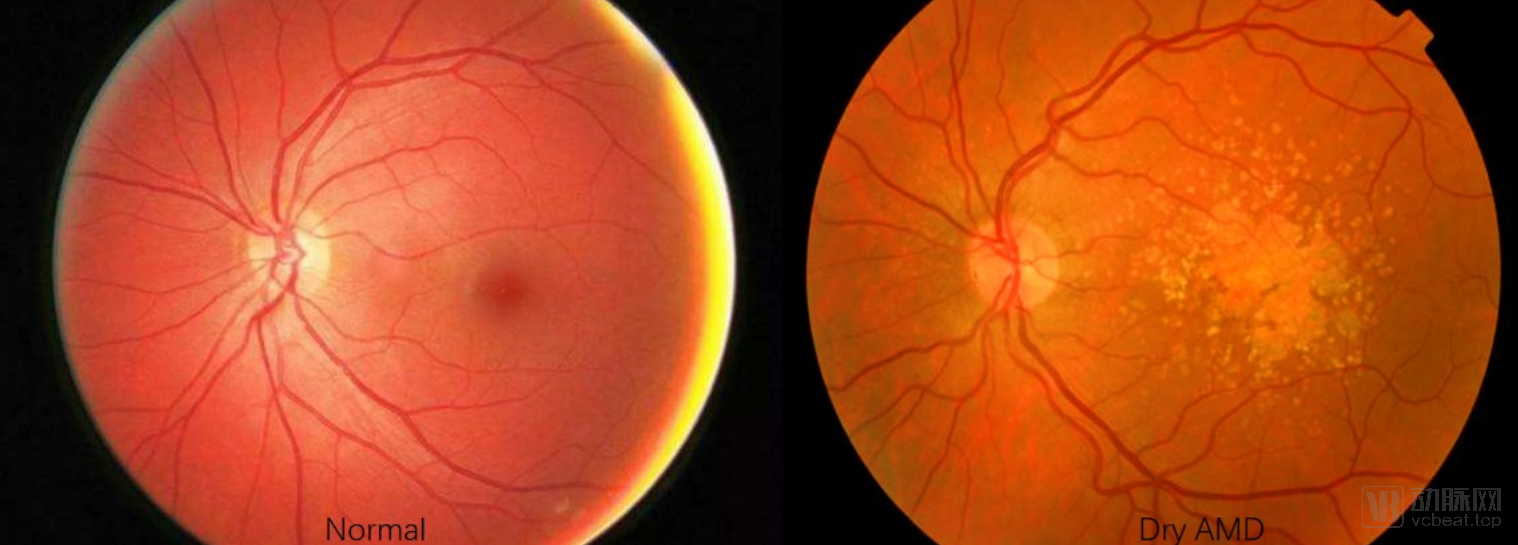
The central region of the retina, approximately 5 mm in diameter, is known as the macula. At its center lies a small depression called the fovea centralis, which is the area of the retina with the sharpest visual acuity. The retina is thinnest at this location, allowing for the most accurate reception and resolution of light information. Routine vision tests during health checkups primarily assess the central visual acuity of the macular region. Even minor pathological changes in the macula can impair vision.
The prevalence of macular degeneration increases with age; it is also known as Age-related Macular Degeneration (AMD), or senile macular degeneration.This is the leading cause of irreversible blindness among individuals aged 50 and older.
Currently, there are approximately hundreds of millions of AMD patients worldwide, with over 46.2 million AMD patients in China.
The primary etiology of age-related macular degeneration (AMD) lies in the impaired phagocytic and digestive capacity of the retinal pigment epithelium (RPE) for the outer segment discs of photoreceptors. Consequently, incompletely digested disc remnants accumulate within the basal cytoplasm of RPE cells and deposit on Bruch’s membrane, forming drusen. In the early stages, the condition is asymptomatic, with slow progression of vision loss, manifesting as mild to moderate metamorphopsia and difficulty reading. As the disease progresses, patients experience a decline in central visual acuity and geographic atrophy of the macula.
Age-related Macular Degeneration (AMD) is classified into dry and wet forms, both of which can cause blindness. Among them, the incidence of wet AMD accounts for10-15%, currently available therapeutic drugs on the market include Conbercept and Ranibizumab, but there are still no approved treatments for dry AMD, which has a high incidence rate.
For wet AMD, the two drugs—Conbercept and Ranibizumab—generated sales of RMB 1.183 billion and RMB 1.246 billion, respectively, in China last year. In comparison to wet AMD treatment, the market size for dry AMD drug products is expected to reach at least RMB 10 billion after their launch.
EyeCureTargeting this sector for market entry, with a focus on the research and development of cell therapies for dry age-related macular degeneration (AMD).
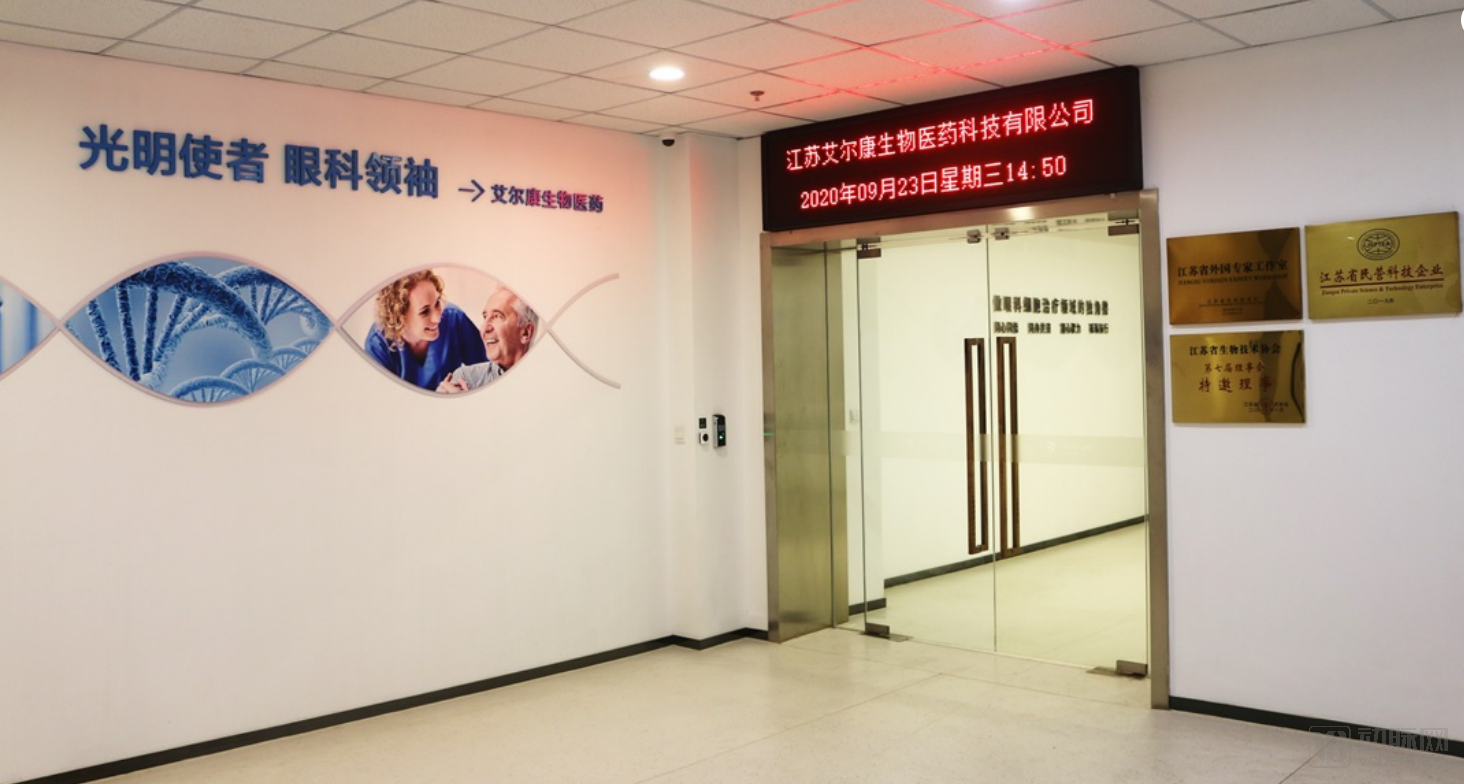
EyeCure Company Images
Dr. Fang Panfeng, Technical Director of EyeCureHe told VCBeat that transplanting healthy RPE cells is currently the most promising treatment for AMD. He mentioned that since 1991, researchers have been attempting RPE cell transplantation as a replacement therapy. From animal experiments to clinical trials, researchers have repeatedly demonstratedTransplantation of healthy RPE cells to replace damaged RPE cells can improve vision in patients with AMD.
However, there are currently several methods for culturing human cells intended for transplantation, such as differentiation induction of embryonic stem cells, directed differentiation of induced pluripotent stem cells (iPSCs), and proliferation of unipotent stem cells. Which cell culture method is optimal? The answer varies depending on the technical perspective. EyeCure has chosen mass production of unipotent stem cells.
Embryonic stem cells and pluripotent stem cells are currently the most widely used and extensively applied cell culture methods, owing to their ability to proliferate indefinitely and differentiate into any cell type. However, if techniques for the proliferation of specific unipotent stem cells are mastered, enabling the direct cultivation of large quantities of specific cells, the mass production of unipotent stem cells would appear to be a superior option.
Dr. Fang Panfeng provided an explanation: “EyeCure RPE cells express higher levels of core RPE genes, more closely resembling RPE cells under physiological conditions, and thus exhibit the highest viability.“Compared with RPE cells derived from human embryonic stem cells (hESC) and induced pluripotent stem cells (iPSC), EyeCure’s RPE cells offer greater advantages and application value.”
The advantages of EyeCure's RPE cell products are specifically reflected in the following aspects:
1. Safer:EyeCure RPE cells are a type of adult stem cell with unipotent differentiation potential. They undergo only directed proliferation and differentiation, essentially avoiding the generation of other contaminating cell types, and are non-tumorigenic. In contrast, RPE cells derived from human embryonic stem cells (hESCs) and induced pluripotent stem cells (iPSCs) possess the capacity to differentiate into any cell type, making it technically challenging to control their specific directional proliferation and differentiation. If undifferentiated hESC or iPSC residues remain during the culture process, there is a high safety risk.
2. More uniform:EyeCure’s RPE cell differentiation exhibits excellent synchronicity and uniformity. In contrast, although RPE cells derived from hESCs and iPSCs achieve high purity, the prolonged differentiation process results in heterogeneous differentiation stages within the same culture vessel; for instance, pigment deposition, which is closely associated with the degree of differentiation, varies significantly among cells.
3. Shorter Production Cycle:EyeCure’s RPE cell manufacturing process is simple and stable, with a short proliferation and differentiation period, allowing the entire production cycle to be completed within 40 days. In contrast, the manufacturing processes for RPE cells derived from hESCs and iPSCs are significantly longer, often requiring two to three months.
4. High Batch Yield:Each batch of EyeCure’s RPE cells can be expanded to yield doses for thousands to tens of thousands of patients, while the upcoming version 2.0 RPE cells are expected to achieve a scale of 500,000 patient doses per batch. In contrast, RPE cells derived from hESCs and iPSCs suffer from low differentiation efficiency, high labor intensity, and low single-batch yields. Although recent advancements in hESC- and iPSC-derived RPE cell differentiation technologies have reduced the need for manual selection, these processes remain far from large-scale industrial application.
Jiangsu EyeCure Biopharmaceutical Technology Co., Ltd. (hereinafter referred to as “EyeCure”) was established in 2015 and is located in the Science and Technology Entrepreneurship Park of Wuxi High-tech Industrial Development Zone, on the shores of Lake Taihu. The company chose this location not only because Wuxi, as one of the birthplaces of China’s national industry, boasts a robust environment for technological innovation, but also because it is the hometown of Professor Fan Guoping, the founder of EyeCure.
As a tenured professor at a prestigious U.S. university, Professor Fan Guoping recognized the robust demand and favorable environment for biomedical development in China through his academic engagements there. He aims to leverage his expertise and adapt the operational models of Silicon Valley’s high-tech companies to advance the research, development, and commercialization of ophthalmic stem cell therapies in China.
Years of accumulated professional connections enabled him to quickly assemble a group of like-minded, outstanding entrepreneurial partners who formed the core of the company’s team. In the words of Dr. Fang Panfeng, this core team comprises distinguished scientists in the field of cell biology, elite technical experts, and seasoned operational professionals, representing an integrated framework that seamlessly bridges science-led innovation, technological translation, and industrial commercialization.
Professor Fan Guoping, as the team’s leader, exemplifies the team’s scientific excellence; Dr. Fang Panfeng provides technical expertise to address challenges in translating scientific discoveries into technological applications; and Vice President Wang Zhigang leverages his extensive industry experience to drive the final stage of project commercialization.
The excellent team delivered a series of impressive strategic moves in succession after the company’s establishment.
In 2015, EyeCure was selected as one of the first batch of leading talent entrepreneurship projects in Wuxi High-Tech Zone;
In 2016, EyeCure was selected for the first batch of the "Taihu Talent Plan" under the Emerging Industries Entrepreneurial Leading Talent Program;
In 2018, EyeCure achieved outstanding results in the finals of the A+ category at the Southern Jiangsu Global Maker Competition and in the Growth Category finals of the 6th “Entrepreneurship Jiangsu” Science and Technology Entrepreneurship Competition, and was recognized as an outstanding enterprise in the 7th China Science and Technology Entrepreneurship Competition.
In January 2018, EyeCure’s RPE cells received the inspection report from the National Institutes for Food and Drug Control (NIFDC). In August of the same year, EyeCure held its first pre-submission meeting with the Center for Drug Evaluation (CDE).Currently, the company has completed all preclinical research. In April this year, the company formally submitted an application for clinical trial approval to the Center for Drug Evaluation (CDE) of the National Medical Products Administration (NMPA), classifying its RPE cells as a Class I biological new drug under the category of somatic cell therapy products.
Backed by its strong capabilities, EyeCure has frequently attracted capital interest. Prominent investment firms such as Dingtong Capital, Shengshan Capital, CDH Investments, and Huafang Capital have generously provided funding to support its development. Within the first two years of its establishment, EyeCure successively completed its angel round and Series A financing. Combined with government financial subsidies, EyeCure has currently secured approximately¥100 millionFunding.
The eye is one of the immune-privileged organs in the human body, yet weak immune responses can still occur. EyeCure’s RPE cells exhibit very low immunogenicity. Version 1.0 of its RPE cell therapy has passed clinical trials, demonstrating the ability to maintain improved vision in patients for over three years. In several early-stage clinical trial cases conducted by the company, no immune rejection reactions have been observed to date.EyeCure also plans to establish an HLA matching bank to further reduce the risk of immune rejection.Dr. Fang Panfeng stated, “Our ultimate goal is to enable patients to benefit for life from a single transplantation of RPE cells.”
There are two common approaches for transplanting RPE cells into the subretinal space of patients with AMD. One involves implanting the cells as a "patch," while the other entails injecting them as a cell suspension. Transplantation using the "patch" format causes greater ocular trauma and presents higher surgical complexity; however, it allows allogeneic RPE cells to be arranged more regularly and stably at the lesion site. In contrast, cells delivered via suspension injection can spontaneously integrate and align at the corresponding retinal locations, significantly reducing surgical risk.
EyeCure chose toCell Suspension Injectionvia transplantation.
In recent years, EyeCure’s most significant collaborations have primarily focused on conducting clinical research partnerships abroad for the treatment of age-related macular degeneration (AMD) and retinitis pigmentosa. Key partners include Jiangsu Province People’s Hospital, Beijing Tongren Hospital, Shanghai General Hospital, Shanghai East Hospital, and Wuxi No. 2 People’s Hospital.
In a clinical study conducted in collaboration with Jiangsu Province Hospital to evaluate the efficacy of human-derived RPE cell transplantation for AMD, four out of the first five AMD subjects showed significant visual improvement: one subject gained 12 letters on the ETDRS chart at 12 months compared to baseline, while three other subjects gained 5, 17, and 9 letters respectively at 18 months. The two subjects with the longest follow-up achieved substantial therapeutic benefits, with visual acuity improving by 12–18 letters compared to baseline at 24–36 months post-surgery.
It is also worth noting that EyeCure, in collaboration with Beijing Tongren Hospital and the Beijing Institute of Ophthalmology, treated three patients with Leber’s Congenital Amaurosis (legally blind). Following RPE cell injection surgery, one of the patients experienced an improvement in visual acuity of five letters.
Although the number of subjects was limited, these clinical studies preliminarily demonstrated:RPE cell transplantation not only demonstrates favorable safety and efficacy in the treatment of patients with age-related macular degeneration (AMD), but also holds significant potential for treating patients with inherited congenital amaurosis.
Dr. Fang Panfeng stated that although the company’s current primary focus is on treating dry age-related macular degeneration (AMD), its RPE cell product has a broad range of applications. Fundus diseases encompass various conditions, many of which involve the need for RPE cell repair, thereby significantly expanding the indications for EyeCure’s RPE cell product.
“RPE cells have a broad range of applications,” stated Dr. Fang Panfeng. “In addition to their potential in treating numerous fundus diseases, some researchers are even using RPE cells for spinal cord injury repair. EyeCure will develop new products, such as mesenchymal stem cell products, corneal endothelial cell products, corneal epithelial cell products, and stromal cell products. For any ocular disease that can be treated through stem cell-like regenerative approaches, EyeCure will explore therapeutic applications.”
Currently, EyeCure is equipped with a dedicated R&D laboratory, featuring a B+A grade cleanroom area compliant with GMP standards, four pilot-scale cell production workshops, and supporting quality control testing laboratories.
According to VCBeat’s interviews, EyeCure plans to launch a RMB 50 million Series A+ financing round this October. The funds raised will be primarily used for filing with the U.S. FDA for orphan drug designation for its RPE cell therapy targeting retinitis pigmentosa abroad, and for developing new pipeline products in China. EyeCure is expected to officially initiate clinical trials for age-related macular degeneration (AMD) in China early next year, at which time it will commence Series B financing. The proceeds from this round will be allocated to planning product manufacturing facilities and headquarters-based R&D.
Regarding the company’s future development plans, Dr. Fang Panfeng stated that EyeCure will remain committed to the research and development of ophthalmic cell-based therapeutics, aiming to secure clinical trial approvals for three investigational new drugs within the next three years. Meanwhile, the company will expand into international markets by filing for clinical trial approvals in Europe and the United States, collaborating on overseas clinical trials, and pursuing drug marketing authorizations. Currently, EyeCure is establishing the EyeCure Research Institute and expanding its talent pool within the Clinical Medicine Department, with the goal of attracting top-tier professionals, strengthening collaboration among industry, academia, research institutions, and healthcare providers, and advancing the development of its drug pipeline.