

Qihan Bio, Led by Dr. Luhan Yang, Pioneer in Multiplex Genome Editing and Transplant Immunology, Files for IPO

Qihan Biotech
Gene Editing Technology Developer
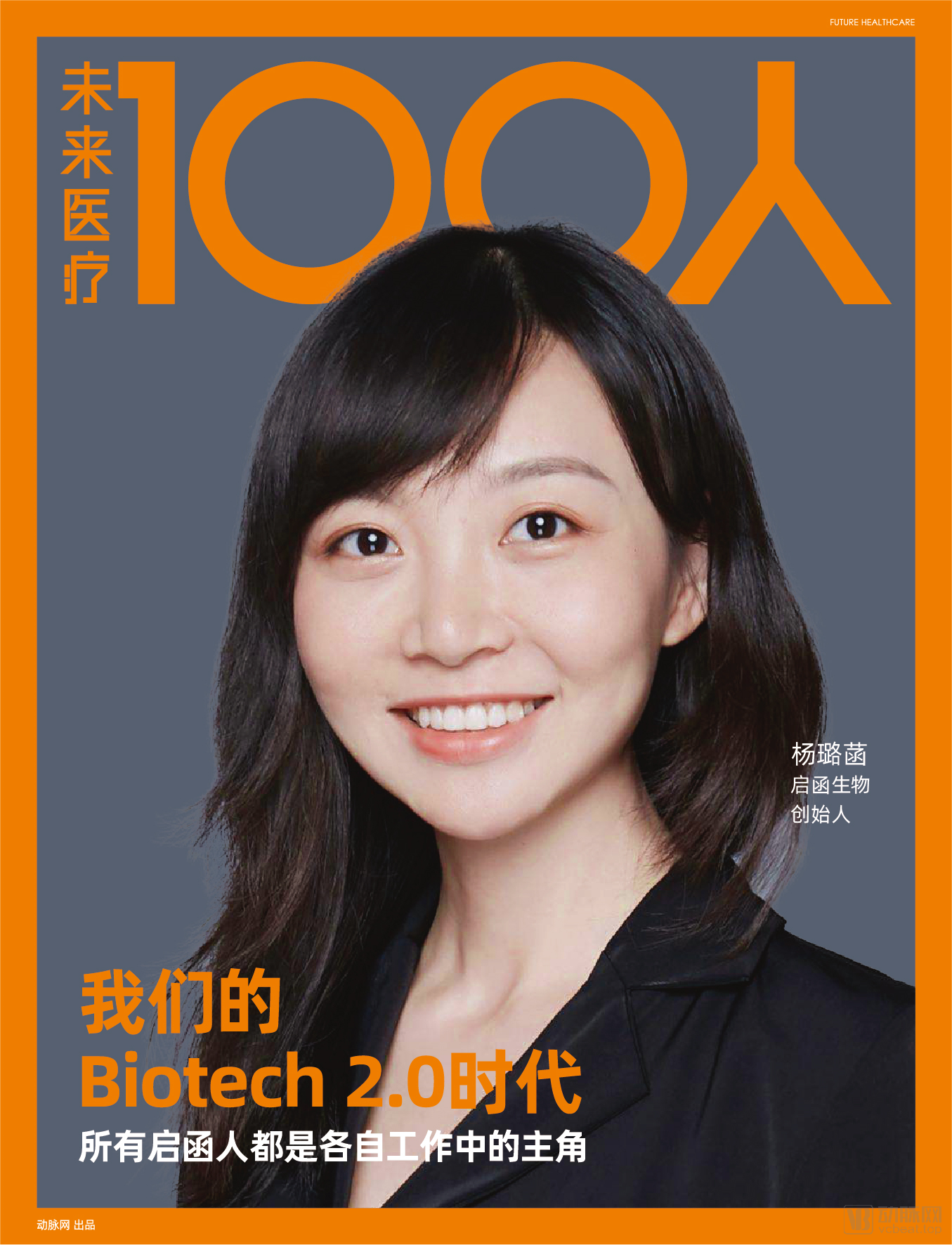
During our university years, the brightest science students flocked to the School of Life Sciences. We received top-tier education during the period of our lives when hard work matters most. We need a platform to unleash our potential and make an impact, and we hope that platform is Qihan Biotech.
——Yang Luhan
Yang Luhan’s morning routine meeting ran slightly late, pushing the scheduled interview back by 20 minutes. Colleagues from Hangzhou Qihan Biotech Co., Ltd. gave us a tour of the company’s offices before leading us to a conference room on the other side.
The conference room is modest in size, with approximately thirty workstations. Through the windows, the laboratory and the busy figures within are visible, all appearing deeply focused. Along the corridor leading to the conference room, there is a promotional area for Qihan Biotech, as well as a new office space and a gym, seemingly prepared to welcome new members.
While waiting, we browsed the newly launched official website of Qihan Biotech. The description of Qihan Biotech on the website is more specific than before. The technological foundation remains the multi-gene editing platform and the transplant immune compatibility platform, while product development has expanded from organ therapy to include cell therapy.
New office spaces, a new official website, and expanded business operations—a series of changes seem to signal that this Chinese leader in gene-editing technology is entering its 2.0 era. Yet, what intrigues us even more is what new chapter in disease treatment Luhan Yang is leading the company to pioneer, inspiring both Neil Shen and Kexiang Zhou to willingly lend their support.
Yang Luhan is one of the most clear-headed entrepreneurs we have ever talked to.
She often uses “first,” “second,” and “third” to summarize and organize her logic, making it easy to grasp the full scope of what she intends to convey. Moreover, throughout our conversation, she remained consistently relaxed. Even when addressing impromptu topics, she was able to articulate her views clearly after brief reflection.
This conversation begins with Yang Luhan’s recent life. Prior to the dialogue, she had just completed her quarantine period after returning from the United States.
“During the quarantine period, I spent every day reading literature and discussing the latest developments with my colleagues, with no other distractions. I even wished I could go back into quarantine for two more days,” Yang Luhan said with a smile.
In 2008, after graduating with a bachelor’s degree from Peking University, Luhan Yang went to Harvard University to pursue her doctoral studies under the supervision of renowned geneticist Professor George Church.
“There were over 100 people in our lab at the time, each working on different projects. It was truly like a child entering a candy store, with all sorts of interesting things to choose from and learn.” In George Church’s laboratory, Luhan Yang’s interest in biology grew day by day, helping her realize that scientific achievements ultimately need to go through the process of research translation to enter actual clinical practice.
Therefore, after the publication of an article in Science in 2013 on the application of CRISPR systems for genome editing in human cells, Luhan Yang co-founded eGenesis with George Church in 2014 to translate this groundbreaking scientific achievement into clinical applications. In 2017, Yang returned to China with her research findings and established Qihan Biotech. She has now returned to China full-time, devoting herself entirely to the development of Qihan Biotech.
Since the founding of eGenesis, Luhan Yang has been adorned with various accolades:
Named by Forbes US as one of the 30 Most Influential Under-30 Rising Stars in the Health Tech Sector;
Named a Young Global Leader by the World Economic Forum in Davos;
Named one of the 50 Most Influential People in the World by U.S. Bloomberg Businessweek;
Named one of the 30 most visionary figures of our time by The New York Times;
Named one of the 40 Most Influential Leaders Under 40 in Global Healthcare by Fortune magazine.
Coupled with a series of interviews and media exposures at the time, Yang Luhan seemed to have transformed from an obscure scientist or entrepreneur into a public figure.
However, Yang Luhan herself does not see it that way. She still identifies as a researcher and entrepreneur, with her role as a researcher taking precedence over her entrepreneurial identity.
“Although I haven’t conducted experiments in the laboratory for six or seven years, I review data and read scientific literature every day. This is what excites me and where my strengths lie. I still consider my primary identity to be that of a researcher, and I hope that all the data and achievements from Qihan Biotech can be presented to the community in the form of scientific papers,” she said.
According to her, conducting scientific research is about “seeking truth,” whereas entrepreneurship focuses more on uniting those around you to strive toward a common goal. These are two distinct dimensions that require a delicate balance between them.
“I believe that everyone has different mediums and modes of engagement with society; entrepreneurship and scientific research are the languages through which I communicate with the world,” said Yang Luhan.
From 2017 to 2018, the spotlight on Luhan Yang and the xenotransplantation sector she was associated with brought significant media exposure to Qihan Biotech. It was not until 2019, as the hype surrounding Luhan Yang gradually faded, that Qihan Biotech slowly returned to calm.
From Yang Luhan’s perspective, she has never positioned herself as a public figure, so where does the “buzz” come from?
However, the decline in media exposure had no impact whatsoever on the development of Qihan Biotech. The year 2019 marked several key milestones in the company’s growth. In September 2019, Qihan Biotech completed a $25.5 million Series A+ financing round, attracting investment from CMB International and Legend Star, with continued participation from its Series A investor, Sequoia Capital.
In late 2019, Qihan Biotech’s paper on “Pig 3.0” was published as a preprint on bioRxiv. Science promptly followed up with a commentary titled “Extensive Mammalian Germline Genome Engineering,” stating that Qihan Biotech’s Pig 3.0 represented a significant step toward safe and effective xenotransplantation of organs.
On September 21, 2020, this landmark paper was finally officially published in the Nature subsidiary journal *Nature Biomedical Engineering*.
“Our paper on Pig 3.0 was entirely based on work conducted at Hangzhou Qihan Biotech Co., Ltd. Over the past two years, we have devoted substantial effort to this project. Of course, our partners also provided support in other areas, including eGenesis, Yunnan Agricultural University, and the clinical physician team,” said Yang Luhan.
When discussing scientific achievements, Yang Luhan’s demeanor immediately brightened: “First, this represents a major breakthrough in xenotransplantation. We not only eliminated porcine endogenous retroviruses (PERV) but also completely altered the immune phenotype of pigs. In in vitro assays, the phenotypes of the engineered pig cells and human cells were consistent, with virtually no distinguishable differences. Second, we modified 42 loci in the pig genome, achieving an unprecedented level of complexity in high-throughput gene editing. Third, this validates the strength of our platform, which encompasses not only gene-editing technology but also our capability to identify genes associated with immune rejection.”
In 2020, Yang Luhan concluded her frequent travels between China and the United States to devote herself fully to the development of Qihan Biotech. That same year, Qihan Biotech also witnessed significant shifts in its business operations. The cell therapy business line officially embarked on its journey, becoming a crucial pillar in the company’s growth.
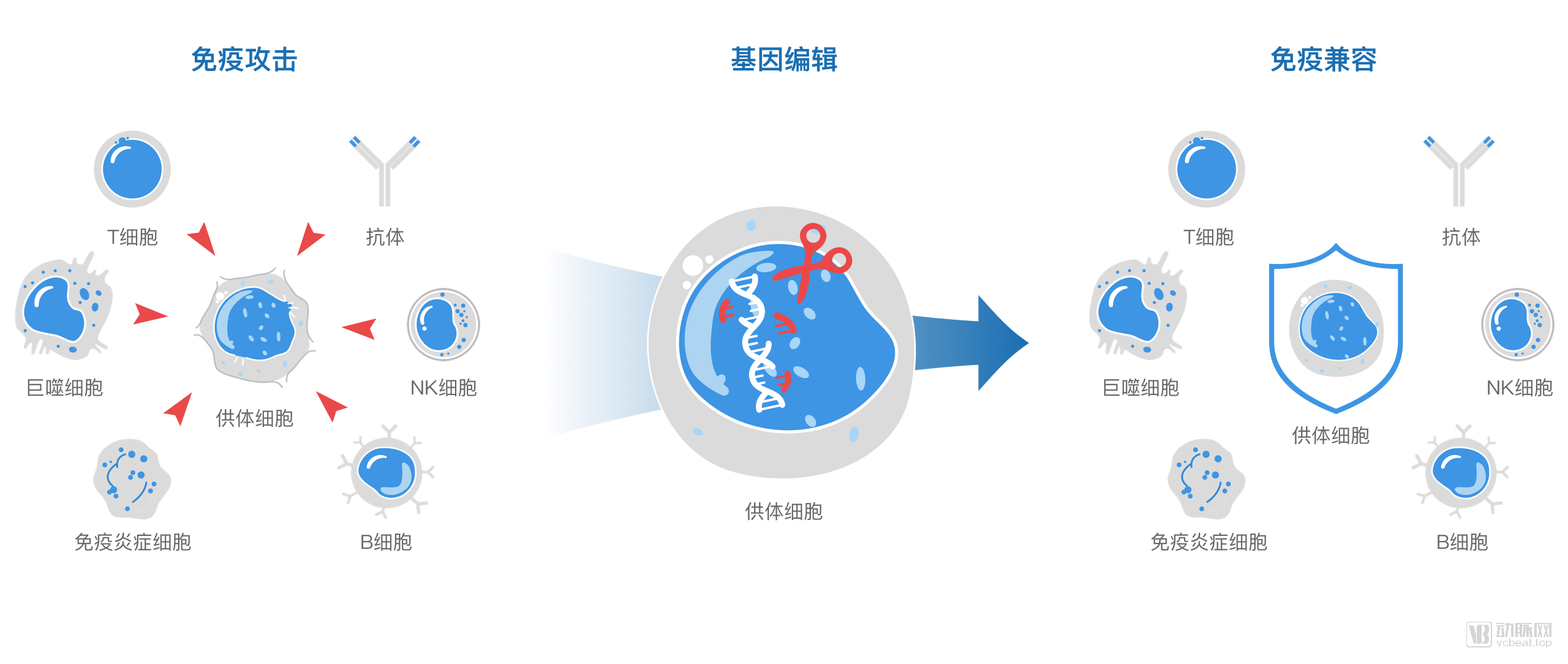
Qihan Biotech's Technology Roadmap
“From the inception of Qihan, we established our vision for the future. Qihan Biotech is not merely a xenotransplantation company; we aim to become the leading gene-editing enterprise in China, and indeed, worldwide. Early on, we evaluated our two core technology platforms: the multi-gene editing platform and the transplant immune compatibility platform. These platforms offer advantages not only in xenotransplantation but also in the development of allogeneic cell therapy products. Furthermore, we believe that the industry trend will see cell therapies precede organ therapies. Therefore, we strategically positioned ourselves in the field of cell therapy at an early stage,” said Yang Luhan.
In this strategic decision, she had a clear understanding of Qihan Biotech’s technical foundation and strengths, as well as how to leverage its advantages while mitigating its weaknesses.
Qihan Biotech is not developing autologous immune cell therapy products, but rather off-the-shelf, universal cell therapy products. The experience Qihan Biotech has accumulated in xenotransplantation animal models enables the company to rapidly identify genes in human cells that influence immune rejection responses. By editing these genes, Qihan Biotech aims to enhance the immunocompatibility of its cells, thereby achieving low-risk, or even risk-free, allogeneic cell therapy.
In other words, the cell therapy product development to be undertaken by Qihan Biotech and its previous research on xenotransplantation address the same key issue: how to resolve immune rejection in allogeneic transplantation.
“We have also spoken with many companies developing U-CART products. One of the key challenges they currently face is uncertainty about which genes to modify in order to completely avoid immune rejection. This is precisely where our strength lies,” said Yang Luhan.
In addition to innovations in target editing, Qihan Biotech has also adjusted its manufacturing process. While most immune cell therapy products opt to expand and edit T cells, Qihan Biotech has chosen to advance the editing step by directly editing stem cells, then inducing the edited stem cells to proliferate and differentiate, thereby producing large quantities of the required cells.
First, costs can be significantly reduced. Stem cells that have undergone a single round of editing can continuously proliferate and differentiate, producing large quantities of immune cells ready for direct application in patients. Second, editing efficiency is substantially improved. Once Hangzhou Qihan Biotech identifies a single successfully edited cell, it can be expanded into a cell line; immune cells produced from this line will fully retain the genetic edits made at the stem cell stage. Third, there is no need to worry about off-target effects or recombination. During the single-cell screening phase, any cell lines exhibiting off-target mutations or recombination are filtered out by researchers. Consequently, only products verified to be effective and free of serious side effects will ultimately be used in clinical practice.
With a clear strategy and a finalized plan, 2020 marked the year when Yang Luhan decided to return to China full-time, and Hangzhou Qihan Biotech Co., Ltd. officially embarked on its exploration in the field of cell therapy.
Upon returning to China, Yang Luhan’s efficiency doubled. Recently, Qihan Biotech announced a commercial partnership with an undisclosed cell therapy company that is a leader in clinical manufacturing, differentiation, and GMP-grade human stem cells. Qihan has begun developing applications for immunocompatible human stem cells within clinical-grade GMP stem cell platforms, thereby enabling the advancement of the first batch of cell therapy products for human clinical trials.
On the surface, it may appear that Yang Luhan’s full-time return drove this development. However, Yang Luhan does not believe there is a connection between the two events: “I think entrepreneurship and innovation are highly fluid processes. Many things happen naturally when the time is right, rather than being entirely pre-planned. This recent breakthrough is built upon our accumulation over the past few years. We believe that our technological explorations to date have provided sufficient foundation for us to enter the cell therapy industry, so we went ahead and took the plunge.”
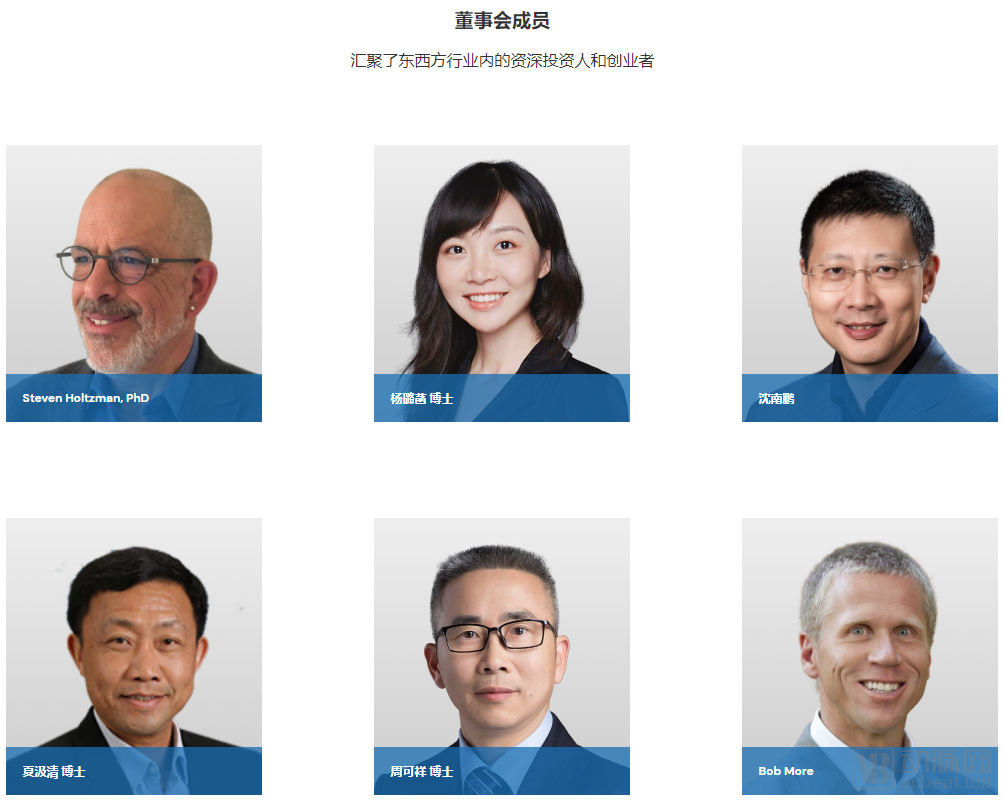
Board Members of Qihan Biotech
When we first learned that Hangzhou Qihan Biotech had decided to enter the cell therapy field, we assumed it was due to pressure from investors to find an industry capable of delivering rapid results. However, after speaking with Luhan Yang, we realized the actual situation was vastly different from our initial assumptions.
“Our shareholders have been ever so good to us.” Yang Luhan’s remark that they were “ever so good” may well represent her highest praise for anything.
Yang Luhan continued, “Our investors are highly visionary. For instance, Dr. Zhou Kexiang calls me once or twice every week to discuss the latest developments, and he is always pleased and expresses his full support for us. Mr. Shen (Shen Nanpeng) is also very supportive; whenever I ask him to help connect me with someone, he does his best to assist and always follows through on his promises. We are very fortunate to have such a group of investors who trust and support us, which is crucial to our development.”
We received nearly identical responses from other team members at Qihan Biotech. “We haven’t felt much pressure; the feedback we’ve received has been almost uniformly, ‘How are you progressing so quickly?’ At least thus far, we have exceeded their expectations,” said Gao Yangbin.
Gao Yangbin, a college classmate of Yang Luhan, currently serves as the Executive Director of R&D at Qihan Biotech. When Yang Luhan was preparing to establish Qihan Biotech, she reached out to him first, and Gao Yangbin naturally became the company’s “Employee No. 1.”
“Yang Luhan possesses a unique leadership aura and is exceptionally serious and conscientious, particularly in her self-discipline. She has the ability to bring clarity to complex situations and handle matters effectively, which I truly admire,” said Gao Yangbin. Yang Luhan’s “seriousness and conscientiousness” are perhaps more evident in her professional life. For instance, at the onset of the epidemic in early 2020, she chose to return to China immediately, joining her colleagues who had remained on duty to work on the front lines.
“I have a vivid memory of Wuhan’s lockdown on January 23. I had booked my return to Hangzhou for January 24. During the Spring Festival, six or seven colleagues stayed behind to care for the animals and cell cultures, foregoing their usual family reunions. We cooked together at the office and lodged in nearby apartments. It was only through this close-quarters interaction that I humorously discovered my own culinary ineptitude,” Yang Luhan recounted with wit.
Qihan Biotech’s team comprises over thirty members, most of whom are young professionals in their 20s and 30s—an age prime for striving and ambition. These individuals have entrusted their career aspirations to Qihan Biotech, and Yang Luhan is committed to responding to their dedication. This commitment is reflected not only in the team’s frontline efforts during the pandemic but also in tangible benefits, such as the company’s well-equipped rest areas, snack stations, and gym.
“When I was in university, the top science students all enrolled in the School of Life Sciences. We received the best education during the years when we needed to work hardest. I believe we need a platform to unleash our potential and passion, and I hope that platform is Qihan Biotech. Now that we have the resources, we aim to provide as much support as possible for each team member, both physically and mentally,” said Yang Luhan.
What Constitutes Success for Qihan Biotech?
In response, Yang Luhan stated, “Although we diligently focus on the most fundamental tasks every day, we are, in essence, an idealistic team. When it comes to defining success for Qihan Biotech, opinions vary: some may consider successful entry into clinical trials as achievement, while others believe that final regulatory approval and market launch of our products constitute success. However, I was deeply moved by a remark made by Gao Yangbin. He said that we can only deem ourselves successful when, if our loved ones or friends fall ill and require treatment, we can confidently and proudly recommend our own products to help solve their problems.”
After concluding our conversation with Yang Luhan and Gao Yangbin, we stayed at Qihan Biotech for lunch. The break area at Qihan Biotech features a large dining table and a small bar counter. The Qihan Biotech team gathered around the large dining table, while Yang Luhan and Gao Yangbin discussed project progress by the bar counter.
The conversation between Yang Luhan and Gao Yangbin focused on the details of a project. Gao Yangbin’s demeanor remained much the same as during the interview, nodding along while interjecting his own viewpoints amidst Yang Luhan’s remarks. In contrast, Yang Luhan displayed a seriousness and acuity that stood in stark contrast to the relaxed tone of their earlier exchanges. It was only when she finished her discussion and returned to the large dining table to join her colleagues that she reverted to her usual, composed state.
At this point, we seemed to gain some understanding of the “serious and earnest” Yang Luhan as described by Gao Yangbin. Whether in a serious or relaxed state, Yang Luhan’s demeanor appeared to influence everyone at Qihan Biotech, giving this young team a balanced sense of tension and ease.
Thanks to her sincere and humble nature, Yang Luhan has attracted a group of outstanding friends who offer her support and assistance. Jack, a business advisor at Qihan Biotech and a healthcare investor she met during her time at Harvard, remarked, “People around her can sense her transition from an excellent scientist to a successful entrepreneur. As both a friend and a business partner, it is hard not to be inspired by such a charismatic individual.”
Although Yang Luhan is the protagonist of the day, she also relies on a team of colleagues to realize this vision and build this enterprise. This aligns with the core values of Qihan Biotech: “Every Qihan employee is the protagonist in their own role; each of your efforts contributes to building Qihan into a leading biopharmaceutical company.”