

Pfizer and Mayo Clinic Global Bridges Announce Strategic Collaboration to Enhance Tobacco Dependence Treatment Education in China
Pfizer
Pharmaceutical R&D Developer
Mayo Clinic
Mayo Clinic specializes in caring for patients with serious and complex conditions, operating across five states and providing care to more than one million people annually from all 50 U.S. states and nearly 140 countries. Mayo Clinic is ranked No. 1 by U.S. News & World Report.
SHANGHAI, Nov. 16, 2020 /PRNewswire/ -- Pfizer, a global leader in biopharmaceuticals, has recently entered into a strategic collaboration with Mayo Clinic's Global Bridges initiative. The two parties will work together to expand the sharing of educational resources by providing Chinese-language medical training materials on tobacco dependence treatment to healthcare professionals in China. This initiative aims to facilitate timely access to medical professional information and resources aligned with global standards, thereby jointly advancing equity and accessibility in global health.
Health equity implies an equitable distribution of societal medical resources; however, linguistic barriers among nations pose a significant obstacle to achieving the goal of global health equity and accessibility. Beyond national economic conditions, the educational background of healthcare professionals, including their language proficiency, is a key determinant of the quality of medical services. Failure to access timely and effective information and medical resources prevents the provision of cutting-edge treatment plans to patients. To address accessibility issues in health equity arising from language differences, Pfizer has collaborated with Mayo Clinic’s Global Bridges program in the field of tobacco dependence treatment. Through a resource-sharing training initiative, Chinese-language medical training materials are provided to healthcare professionals in China, enabling them to access direct and timely academic resources.
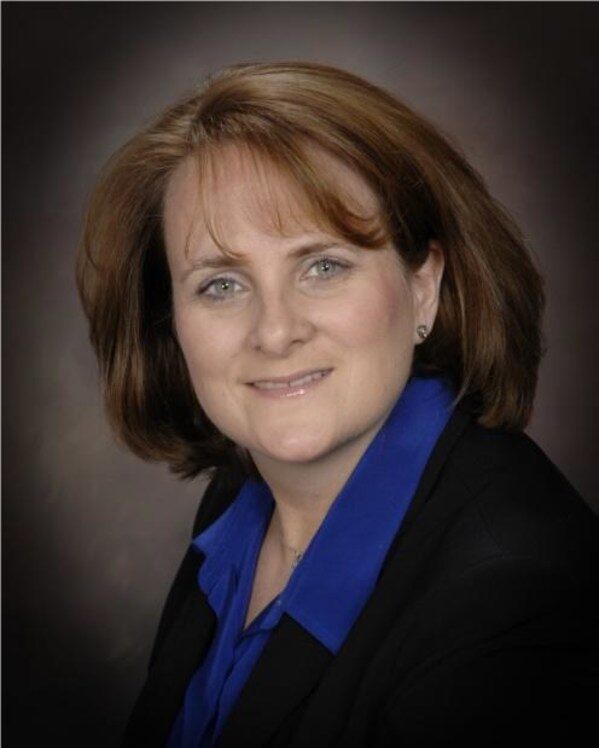
Ms. Maureen Doyle-Scharff, Head of Pfizer Global Medical Grants
Head of Pfizer Global Medical GrantsMaureen Doyle-ScharffThe woman stated, “Pfizer has long maintained a robust foundation of collaboration with China’s medical community. The healthcare sector is evolving rapidly, with new technologies, systems, devices, innovative drugs, and treatment regimens continually emerging. Healthcare professionals need to promptly learn about these advancements to provide better treatment options for patients. However, language barriers undoubtedly hinder the speed at which healthcare professionals can access information and resources. By sharing essential medical and training materials with healthcare providers in their local language, we can deliver more effective diagnosis and treatment to patients, ultimately improving their health outcomes. This collaboration between Pfizer and Mayo Clinic’s Global Bridges represents our first step toward advancing health equity and accessibility globally, including in China. Moving forward, we will continue to work hand in hand with China’s medical community to benefit more patients and promote the health and well-being of the entire population.”
Pfizer Global Medical Grants provides funding support for independent projects in the global healthcare sector (including scientific research, quality improvement, and medical education), dedicated to advancing medical and scientific innovation to improve health outcomes for more patients.
Tobacco use poses one of the most serious public health challenges worldwide, and tobacco dependence is a chronic disease. The “2015 China Adult Tobacco Survey Report” indicates that approximately one million people in China die each year from tobacco-related diseases, with the number of smokers reaching around 350 million. With support from Pfizer, healthcare professionals in China will gain access to a Chinese-language online course on tobacco dependence treatment developed by the Nicotine Dependence Center (hereinafter referred to as “NDC”) at Mayo Clinic. Through videos, lectures, and interactive activities, this course helps Chinese healthcare providers acquire essential skills to deliver better patient care. Ultimately, it aims to enhance smokers’ awareness of the harms of tobacco, increase their likelihood of successful cessation, and improve the overall health status of the population.
Mayo Clinic has been a global leader in the understanding and treatment of tobacco dependence for 25 years. Established in 1988, the Mayo Clinic Nicotine Dependence Center (NDC) was one of the first centers dedicated to the treatment of tobacco dependence. The NDC’s treatment and management model has become the standard for numerous medical centers worldwide, with more than 58,000 individuals achieving successful smoking cessation through its services. In 2010, the center launched Global Bridges to expand the scope and reach of the NDC’s medical health education initiatives, establishing service communities around the world to advance evidence-based treatment for tobacco dependence. “No matter where you are, quitting smoking is one of the most important things you can do to improve your health and quality of life,” said Dr. J. Taylor Hays, Director of the Mayo Clinic Nicotine Dependence Center and Chief Executive of Global Bridges.
As one of the earliest foreign pharmaceutical companies to enter China, Pfizer is committed to becoming an integral part of China’s healthcare system and delivering life-changing breakthrough innovations to patients. The Tobacco Dependence Treatment Training Resource Sharing Project exemplifies Pfizer’s commitment to supporting the Healthy China initiative. Moving forward, Pfizer will leverage its own capabilities as a fulcrum to continue integrating domestic and international resources, collaborate closely with all sectors of society, actively explore innovative cross-sector and cross-industry cooperation models, and contribute to the sustainable development of China’s healthcare industry.