

Takeda's myPKFiT® Launches in Yunnan, Ushering in a New Era of Personalized Therapy for Hemophilia A Patients

Takeda
Biopharmaceutical Manufacturer
December 19,myPKFiT®— Pharmacokinetics (PK)-guided management tool for hemophilia A (congenital factor VIII deficiency) launched in Yunnan.
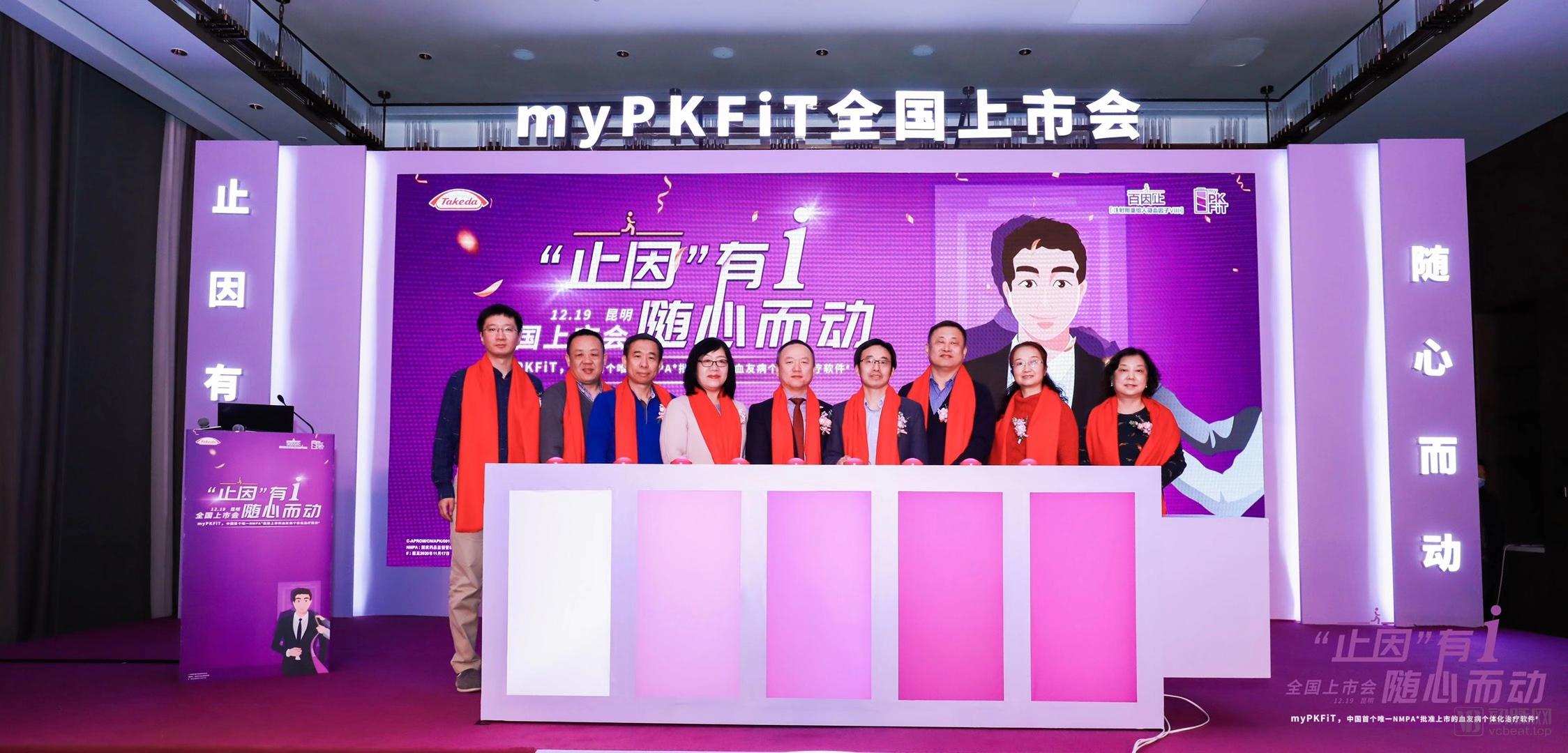
myPKFiT® China Launch Event Photos
As early as one month ago (November 19), myPKFiT®has already been approved by the National Medical Products Administration (NMPA) for use in patients aged 16 years and older (weighing 45 kg or more) receiving Baiyin Zhi®(Patients with Hemophilia A treated with Recombinant Human Coagulation Factor VIII for Injection).
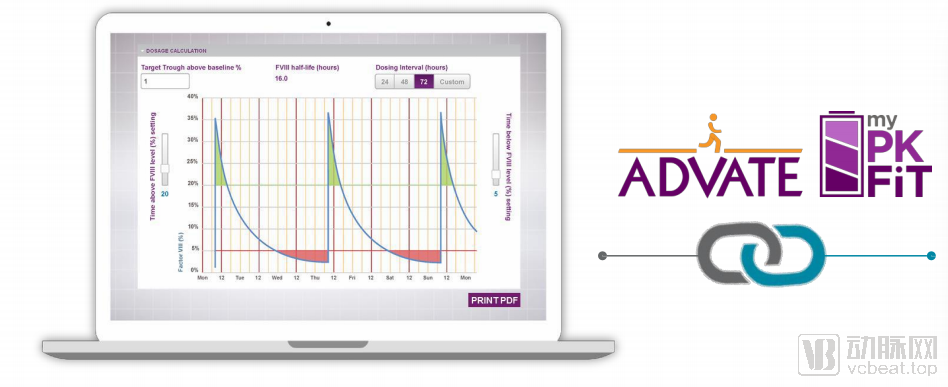
It is understood that myPKFiT®It is China’s first management tool supporting pharmacokinetics (PK)-guided hemophilia care, and to date, the only individualized prophylactic FVIII dosing guidance software approved by the National Medical Products Administration, intended for use by licensed healthcare professionals (HCPs) familiar with the treatment of hemophilia A.
This management tool, in conjunction with Baiyin Zhi®Its use enables personalized adjustment of coagulation factor VIII (FVIII) dosing for hemophilia patients based on individual characteristics and needs, ushering in a new era of personalized treatment for hemophilia patients in China.
Hemophilia is a rare recessive genetic disorder primarily caused by a deficiency of clotting factors, leading to impaired blood coagulation. Depending on the specific clotting factor that is deficient, it is classified into hemophilia A and hemophilia B, with hemophilia A being the more common type.
Currently,There are approximately 136,000 patients with hemophilia in China, among whom those with hemophilia A account for approximately 80%–85% of the total hemophilia patient population.Its symptoms mainly manifest as bleeding in the joints, muscles, and deep tissues, or hemorrhage in internal organs such as the gastrointestinal tract and central nervous system. If patients experience recurrent bleeding without timely treatment, it can lead to joint deformities or pseudotumor formation; in severe cases, it may be life-threatening.
However, the overall treatment landscape for hemophilia patients in China remains far from optimistic.
Due to the public's lack of awareness about hemophilia, many patients miss opportunities for early diagnosis and treatment. As hemophilia is relatively rare, many physicians lack relevant knowledge, leading to occasional misdiagnoses and missed diagnoses.
According to statistics, only 10% of hemophilia patients in China are registered, with a diagnosis rate of less than 10%. Furthermore, as the primary treatment approach for patients in China is on-demand therapy rather than standardized prophylactic treatment, over 30% of patients receive no treatment or only occasional treatment, while fewer than 10% receive standardized prophylactic therapy, resulting in an overall low treatment rate among hemophilia patients.
Behind the grim treatment outlook lies the harsh reality of high disability rates among hemophilia patients:According to statistics, the incidence of key disabilities among hemophilia patients in China is as high as 77.7%.
In fact, unlike many genetic disorders, patients with hemophilia can achieve a “zero-bleeding” state and lead normal lives by receiving long-term, regular, and standardized treatment.
However, the high cost of medical expenses largely restricts hemophilia patients from adopting long-term, effective treatments. According to statistics, only 3.7% of families with hemophilia patients in China can fully afford the medical costs. Many hemophilia patients choose on-demand replacement therapy with concentrated clotting factors as their primary treatment method.
Because on-demand replacement therapy involves administering concentrated clotting factors only when patients experience overt bleeding to achieve effective hemostasis, it cannot prevent the occurrence of critical pathological changes. Over time, this approach continues to cause joint and muscle damage in patients, leading to a predicament characterized by high disability rates and poor quality of life.
Furthermore, repeated intravenous infusions of clotting factors several times a week can lead to the development of factor VIII inhibitors in approximately 10%–30% of patients. These inhibitors hinder effective control of bleeding and may even increase the risk of mortality.
Even when not administered as on-demand therapy, the prevailing practice in China involves low-dose regimens. Clinical evidence indicates that, compared with on-demand therapy, low-dose regimens significantly reduce bleeding episodes in patients with hemophilia but do not reduce the incidence of arthropathy. Therefore,"Chinese Guidelines for the Treatment of Hemophilia (2020 Edition)" emphasizes: Actively promote the widespread adoption of standardized prophylactic treatment for hemophilia patients (especially pediatric patients), and initiate prophylactic therapy with preferred recombinant factor VIII as early as possible.
The guidelines indicate that optimal individualized regimens tailored to patients can be developed based on factors such as age, bleeding phenotype, pharmacokinetic (PK) characteristics, and lifestyle, by adjusting the dose, concentration, and frequency of injected clotting factors, thereby effectively preventing under-treatment or over-treatment.
When it comes to “prophylactic therapy,” many readers may misunderstand it, believing that it is not a conventional treatment approach. In this regard,Professor Yang Renchi, Director of the Center for Diagnosis and Treatment of Thrombosis and Hemostasis, Institute of Hematology & Blood Diseases Hospital, Chinese Academy of Medical SciencesProvided an explanation.
Professor Yang told VCBeat, “Just as diabetic patients need to regularly take glucose-lowering medications or inject insulin, and hypertensive patients need to regularly take antihypertensive drugs, we propose that prophylactic treatment for hemophilia patients follows the same principle.” Professor Yang stated,Prophylactic therapy refers to "preventing bleeding episodes in patients with hemophilia.", in fact, its formal term should be "regular replacement therapy." The goal of prophylactic treatment is to enable hemophilia patients to grow and live like normal individuals by regularly and systematically administering the specific clotting factor they lack.
Prophylactic therapy is also the currently recommended treatment regimen for hemophilia on the international stage. This approach aims to have patients receive regular, adequate-dose injections of hemophilia therapeutic agents in the absence of bleeding episodes, thereby maintaining plasma clotting factor levels, reducing the risk of clinical and subclinical bleeding, preventing arthropathy, and ultimately avoiding disability.
The 2020 World Federation of Hemophilia guidelines also state that prophylactic treatment for hemophilia patients should aim for higher trough level targets, ultimately striving for “zero bleeding” (since patients still face a risk of bleeding at a trough level of 1%, most clinicians prefer to achieve higher trough levels of ≥3%–5% or even higher).
In myPKFiT®Guided Baiyin Zhi®(Recombinant Human Coagulation Factor VIII for Injection) treatment allows for the development of optimal, individualized regimens tailored to each patient’s age, bleeding phenotype, pharmacokinetic (PK) profile, and lifestyle. This approach effectively reduces the risk of bleeding in patients with hemophilia, optimizes therapeutic outcomes and drug accessibility, thereby enhancing patients’ confidence in treatment and improving adherence.
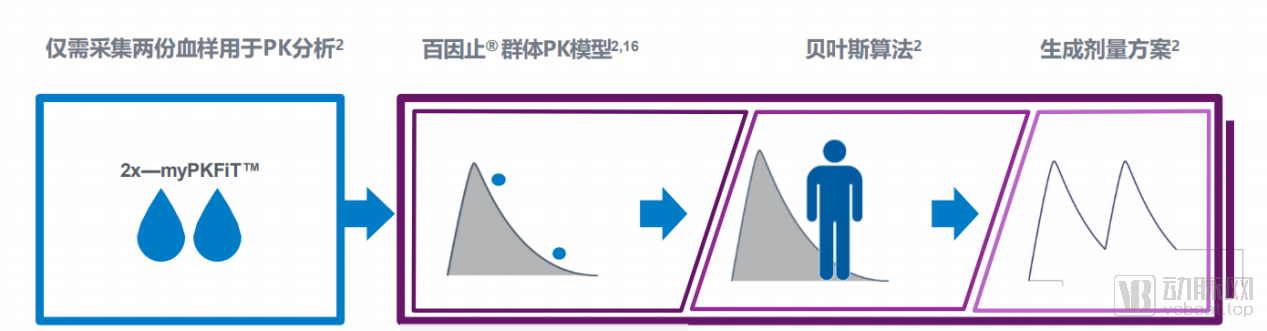
myPKFiT, using validated Bayesian methods to assess long-term bleeding patterns in patients with hemophilia A worldwide®Based on over 2,000 copies of Baiyin Zhi®Modeling was performed using blood sample data from users (including patient data from China), ensuring the data is specific and reliable.
Compared with traditional methods, myPKFiT®Minimal Patient Blood Sampling Required(More than 50% of patients require only two blood samples, while patients suspected of having special pharmacokinetic (PK) characteristics require three to four blood samples), enabling the determination of patient-specific PK parameters and the recommendation of appropriate FVIII dosing, thereby significantly improving patient adherence.
Interim analysis data from the UK-PK study showed that PK-guided standardized treatment increased the proportion of patients with zero bleeding episodes to 50% and improved patient adherence by 92.5%. Regarding treatment costs, a comparative study indicated:Compared with standard therapy, PK-guided therapy can reduce the overall treatment cost by 10.67%.
In Professor Renchi Yang’s view, myPKFiT®The launch of this management tool is a boon for both physicians and patients with hemophilia A. He told VCBeat that due to individual differences in age, bleeding phenotype, pharmacokinetic (PK) characteristics, and lifestyle, the elimination half-life of clotting factors varies from person to person. Previous clotting factor dosing regimens often overlooked such inter-individual variability, applying nearly identical treatment protocols to different patients. This approach was clearly suboptimal for patients.
“myPKFiT®"The launch of management tools enables clinicians to provide precise dosing tailored to the individual differences of patients with hemophilia A, while reducing the frequency of blood sample collection. For patients, more personalized and precise treatment regimens can effectively lower their risk of bleeding, thereby enhancing their confidence in treatment and improving adherence," said Professor Yang Renchi regarding myPKFiT.®The management tool has received high recognition.
Based on the patient’s individual needs and treatment plan, healthcare professionals can use myPKFiT® to determine infusion doses and frequencies tailored to the patient’s metabolic characteristics, as well as schedule infusion times that align with their personal activity routines.
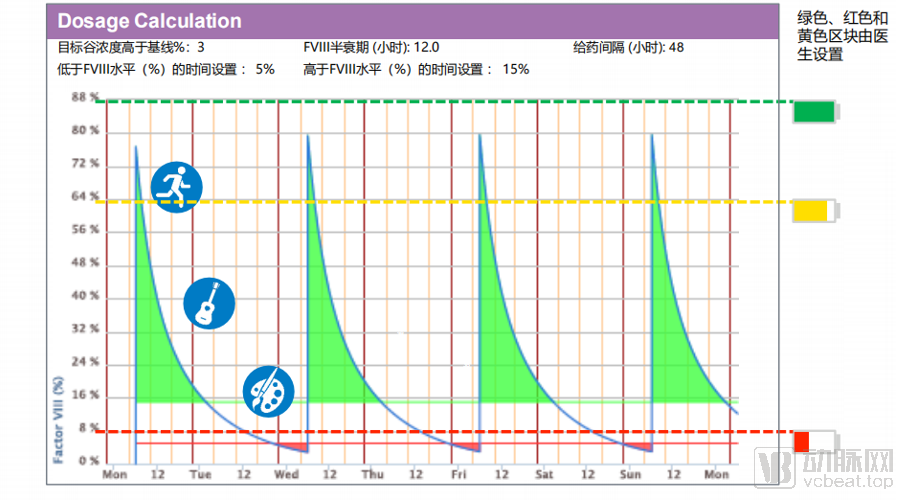
Utilizing the output results, myPKFiT®Patients can also be educated on personalized prevention strategies: as understanding of pharmacokinetics (PK) deepens, patients will increasingly recognize the importance and necessity of precision medicine, as well as the benefits of PK for individualized treatment regimens, therapeutic outcomes, and quality of life.
In terms of data security assurance, Takeda stated that myPKFiT®Data servers have been established within China and are subject to Chinese legal regulations. This approach ensures that no individual patient data is collected, while also guaranteeing high transmission speeds and the security of data transmission and storage.
To provide hemophilia patients in China with a better experience of personalized treatment services, Takeda stated that it expects to launch myPKFiT within the next year.®Patient Management Platform, to better support personalized hemophilia treatment and benefit patients in China.
It is understood that myPKFiT®The patient management platform can estimate real-time FVIII levels for each hemophilia A patient, enabling them to continuously monitor their factor VIII activity and achieve a lifestyle as unrestricted as that of the general population to the greatest extent possible.