Chineo Medical Appoints Professor Gao Bin as CSO: Launching a Multi-Pronged T Cell Assault on Solid Tumors
Chineo
Developer of Tumor and Immune Disease Therapeutics
On February 18, 2021, Beijing Chineo Medical Technology Co., Ltd., a representative company in China for innovative cell therapy technologies such as TIL and neoantigen therapies, announced the appointment of Professor Gao Bin as its Chief Scientific Officer (CSO).
Professor Gao Bin holds a tenured position at University College London (UCL) in the United Kingdom, is a professor at the University of Chinese Academy of Sciences, and serves as an adjunct professor at the University of Tokyo. He is the principal investigator for the National 973 Program, the Ministry of Science and Technology’s international cooperation projects, and major national projects under the 11th Five-Year Plan. He previously served as Chief Scientist at Adaptimmune, a leading global company in the TCR-T field.
During his studies in the United Kingdom, Professor Gao Bin studied under Professor Alain Townsend of the University of Oxford, a pioneer in T-cell specific recognition. He devoted many years to researching the mechanisms of T-cell antigen presentation and T-cell recognition, and is committed to the engineering modification of immune cells, demonstrating profound expertise and significant accomplishments in this field.
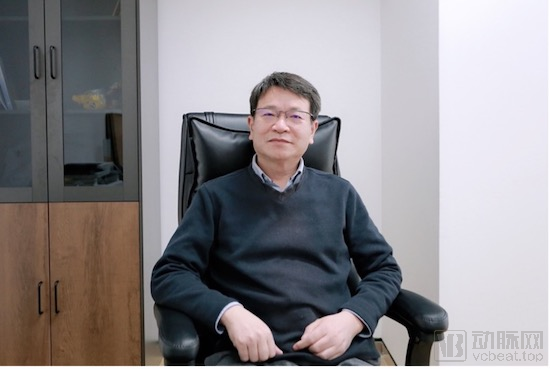
Professor Gao Bin, CSO of Chineo
Recently, VCBeat conducted an exclusive interview with Professor Gao Bin. The following is a verbatim transcript of the interview.
VCBeat:You have been researching in the field of immunotherapy for nearly three decades. How did you initially enter this field?
Professor Gao Bin:During my doctoral studies in immunology at the Academy of Military Medical Sciences, the academic community had just elucidated the mechanisms by which T cells recognize non-self and defend against foreign viruses. Professor Alain Townsend of the University of Oxford was the first to discover that peptide binding to major histocompatibility complex (MHC) molecules determines T cell specificity. The peptide-MHC complex provides the first signal, triggering T cell activation and proliferation, thereby clearing foreign antigens (such as viruses) and exerting immune protective functions.
Since coming to the UK for my studies, I have always hoped to join Professor Townsend’s laboratory for research.
In 1997, I joined a vaccine company in Cambridge, UK, where I led a team responsible for vaccine development projects. Due to the lack of theoretical guidance, my desire to join Professor Townsend’s laboratory grew even stronger. By chance, I finally had the opportunity to work at the Institute of Molecular Medicine, University of Oxford, conducting research on antigen processing mechanisms and T-cell response mechanisms. Later, I was fortunate to receive direct supervision from Professor Townsend. My work led to the discovery of calreticulin, a protein involved in antigen processing, revealing its critical role in this process.
In recognition of my contributions to the field of antigen processing mechanisms, I joined University College London (UCL) in 2001 as a Lecturer, dedicated to teaching and research on engineering T cells for immunotherapy, and was awarded tenure at UCL in 2003.
In 2005, I was honored with the title of “Distinguished Overseas Scholar” by the Chinese Academy of Sciences (CAS). At the invitation of Professor Gao Fu, then Director of the Institute of Microbiology, CAS, I began serving as Deputy Director of Microbiology and Immunology at CAS and Director of the Center for Immunology at the Institute of Microbiology. Concurrently, I served as the Chinese Co-Director of the CAS–University of Tokyo Joint Laboratory of Microbiology and Immunology, and was selected as a scholar under the CAS “Hundred Talents Program.”
For the past three decades, I have been engaged in teaching and research in the fields of T cell recognition and immunotherapy.
VCBeat:We note that you also served as Chief Scientist at Adaptimmune, a representative company in the global TCR-T field. Could you please introduce the application prospects of TCR-T technology?
Professor Gao Bin:My Oxford University colleague, Dr. Bent Jakobsen, founded Avidex, a company based on T-cell recognition mechanisms, which was later restructured into Immunocore and has recently been successfully listed in the United States.
In 2012, Dr. Jakobson invited me to join Adaptimmune as Chief Scientist to help establish the company, where I participated in building the early-stage corporate platform, developing cell manufacturing processes, strategizing intellectual property portfolios, and collaborating with Dr. Rosenberg from the NIH and Professor Carl June on TCR-T clinical research. I witnessed Adaptimmune’s rapid growth prior to its initial public offering.
Adaptimmune’s primary focus is on TCR-T technology, a field that is similar to but distinct from CAR-T therapy. While CAR-T cells can only recognize cell surface antigens, TCR-T technology equips T cells with engineered T-cell receptors, enabling the recognition of antigen targets regardless of whether they are expressed intracellularly or on the cell membrane surface.
However, TCR-T therapy also has its limitations: on one hand, TCR-T employs a single fixed target, making it difficult to address the heterogeneity of solid tumors. On the other hand, the applicability of TCR-T is limited not only by target expression but also by the patient's HLA type.
VCBeat:Currently, CAR-T therapy has yet to achieve a breakthrough in the field of solid tumors. In your view, what are the key challenges for immunotherapy in overcoming solid tumors? How do you perceive the limitations of therapies or agents such as CAR-T, TCR-T, neoantigens, and PD-1 monoclonal antibodies in tackling solid tumors?
Professor Gao Bin:Cancer is a systemic, heterogeneous, individualized, and evolving disease; therefore, any therapy targeting local lesions (such as surgery and radiotherapy) or any therapy with a single, fixed target (such as targeted drugs, CAR-T, and TCR-T) may struggle to achieve a cure.
T cells are characterized by their diversity, individual specificity, and adaptability, making them natural adversaries of tumors. Individuals with robust immune system function, such as young people, are less susceptible to developing tumors. Therefore, enhancing T cell function through technological interventions may represent a more potent strategy for combating tumors than directly targeting tumor lesions. This is, in essence, the core principle of immunotherapy.
However, immunotherapy for solid tumors still faces several major challenges:
First, the heterogeneity of solid tumors. Tumors are composed of various cancer cells carrying different genetic mutations. Conventional targeted therapies, including CAR-T and TCR-T therapies, can only target one specific type of mutated cancer cell, which easily leads to target escape. Even if this particular type of cancer cell is the most abundant, and even if it is completely eradicated, it remains difficult to prevent the growth of other cancer cells with different mutations.
Second, the immunosuppressive effect of the solid tumor microenvironment on T cell function. For instance, PD-L1 is a common inhibitory signal within the tumor microenvironment. Anti-PD-1 monoclonal antibodies represent one therapeutic strategy; however, these agents relieve inhibition across all T cells, including those potentially capable of attacking normal cells, thereby increasing the risk of autoimmune diseases. Even setting aside the adverse effects of autoimmunity and focusing solely on tumor-recognizing T cells whose inhibition is reversed by anti-PD-1 monoclonal antibodies, these drugs merely restore limited “native” functionality to such T cells. Moreover, the quantity of these T cells is typically insufficient to effectively treat advanced-stage cancer.
Third, challenges in cell expansion processes. To obtain a sufficient quantity of T cells, cell therapy technology is required to generate a vast number of T cells ex vivo. However, the initial yield of tumor-recognizing T cells is often limited, necessitating an expansion of these cells by thousands or even tens of thousands of times in vitro. Such high-magnitude ex vivo cell expansion presents significant technical and process-related challenges.
Fourth, the cell preparation cycle is lengthy. The process of isolating tumor-recognizing T cells in vitro and expanding them to a high fold typically requires a prolonged preparation period, whereas patients with advanced-stage cancer often cannot afford to wait for such an extended duration.
Fifth, the high cost of cell preparation. Culturing such a large quantity of cells in vitro requires substantial manufacturing costs, which may result in prohibitively expensive product pricing and limit its clinical application.
To use a perhaps imperfect analogy, if cancer cells are likened to enemy troops entrenched in fortifications on an island, T cells are our Marine Corps.
First, we must identify soldiers capable of recognizing enemy forces to address the first challenge. Simultaneously, we must ensure that our naval soldiers (T cells) can defeat enemy soldiers (cancer cells) in one-on-one combat on land, thereby resolving the second challenge. Furthermore, we must guarantee that the number of our soldiers (total T cell count) is sufficient, at least not significantly lower than that of the enemy. Only by achieving these conditions can we defeat the enemy; indeed, if these criteria are met, we are highly likely to emerge victorious.
To my knowledge, nearly all previous anti-tumor products have been designed to address a single issue from an isolated perspective. No product has yet offered a comprehensive, holistic solution to the multitude of challenges mentioned above.
VCBeat:Over the past two years, tumor-infiltrating lymphocyte (TIL) therapy has been gaining momentum and is regarded by the industry as a new hope for treating solid tumors. Based on your summary just now, can TIL therapy address the major challenges mentioned above?
Professor Gao Bin:TIL Therapy May Be a Promising Solution to the Challenge of Tumor Heterogeneity.
Identifying specific T cells corresponding to each antigen in heterogeneous tumors through artificial methods akin to neoantigen therapy is time-consuming and labor-intensive. In contrast, tumor-infiltrating lymphocytes (TILs) naturally harbor pre-screened clonal populations of tumor-recognizing T cells that target personalized, diverse, and heterogeneous tumor antigens. The current mainstream TIL therapy involves enriching these TILs and expanding them ex vivo on a large scale.
In theory, TIL therapy can address the challenge of specific recognition of heterogeneous tumors. However, over decades of development, TIL technology has consistently faced two intractable manufacturing challenges: how to enrich TILs and how to expand them. Specifically, since TILs are exhausted T cells, the key lies in stably enriching TILs from tumor tissues while maintaining their functional state without causing excessive exhaustion, and expanding their quantity to 10^10–10^11 cells.
Professor Rosenberg from the U.S. NIH and Iovance’s TIL therapy have, to some extent, addressed this manufacturing challenge, achieving relatively favorable clinical outcomes in a limited number of cancer types.
However, TIL therapy currently has significant limitations. This technology only addresses the challenges of heterogeneity and expansion processes (i.e., difficulties one and three mentioned above), but issues related to the tumor microenvironment, manufacturing lead time, and cost remain unresolved. Furthermore, current TIL therapy has a major inherent limitation: the raw material for cell manufacturing can only be derived from the patient’s surgical tissue. On one hand, most patients with advanced-stage disease are poorly tolerant of surgery, which severely restricts the application of this therapy. On the other hand, patients with advanced-stage disease often present with multiple tumor lesions, and tumor mutations may differ between these lesions. Consequently, TILs obtained from a single surgical specimen may not necessarily recognize cancer cells in other lesions.
VCBeat:Why did you choose to join Beijing Chineo Medical Technology Co., Ltd.?
Professor Gao Bin:The “Supercharged TIL” series of cell products developed by Chineo represents the only comprehensive solution I have encountered to date that simultaneously addresses the five major challenges outlined above. In particular, Chineo’s fourth-generation product, “Supercharged cTIL,” requires only the collection of TILs from peripheral blood, eliminating the dependence on surgical tissue samples for TIL isolation. This breakthrough overcomes the traditional limitation of TIL therapy relying on surgically resected tumor tissue, making TIL therapy accessible to nearly all patients and significantly expanding the eligible population. This approach is akin to conducting multi-dimensional warfare in the fight against cancer: enhancing enemy recognition (overcoming tumor heterogeneity), improving individual soldiers’ combat capabilities on land (counteracting immunosuppressive microenvironments), and optimizing force ratios (through advanced expansion processes)—all achieved in a cost-effective, rapid, and universally accessible manner. Arguably, this constitutes the most promising solution currently available for conquering cancer.
VCBeat:The concept of “three-dimensional T-cell warfare” against cancer that you mentioned is very intriguing. Similar approaches are currently being explored in the industry, such as neoantigen vaccines combined with PD-1 inhibitors, or other multi-drug “cocktail” therapies. How do you view the differences between “supercharged TILs” and these approaches?
Professor Gao Bin:First, “supercharged TILs” are administered as a monotherapy, whereas your reference involves combination therapy with multiple agents; these are not comparable on the same dimension. In the future, “supercharged TILs” may also be combined with other therapies. Furthermore, the feasibility of multi-drug combination strategies hinges primarily on whether they can address the five major challenges mentioned above without significantly increasing toxic side effects. For instance, the combination of neoantigen vaccines and PD-1 monoclonal antibodies theoretically exhibits synergistic effects: neoantigen vaccines address tumor heterogeneity, while PD-1 inhibitors tackle the immunosuppressive microenvironment. However, this combination still has certain limitations. First, it remains uncertain to what extent neoantigen vaccines can resolve the issue of heterogeneity. Second, combining them with PD-1 monoclonal antibodies may lead to autoimmune-related toxicities. Third, this regimen still fails to address the challenge of expanding cell numbers (i.e., altering the balance of power between host and tumor, which constitutes Challenge #3).
The “supercharged TIL” design simultaneously addresses all five aforementioned challenges within a single product, enabling a “multi-dimensional assault” on tumors while ensuring a high level of safety.
VCBeat:What new technological elements will you bring to Chineo by joining the company at this stage?
Professor Gao Bin:Leveraging my extensive experience in R&D management within both basic research and industry, I aim to uphold Chineo’s culture of disruptive innovation to build a globally competitive R&D team and innovation platform, thereby enhancing R&D efficiency and sustaining the technological leadership of the company’s products.
Furthermore, “Super TIL” is a platform-based design concept from which multiple new products can be derived. The industrialization of each product requires development in terms of process details. Meanwhile, “Super TIL” is not perfect and needs continuous evolution and iteration to better fulfill its mission of conquering cancer. These are the challenges we need to address and overcome.