

Biotech Bets on Lilly's Return, BI Spends $500 Million on Autoimmune Small Molecules

Boehringer Ingelheim
Developer of Innovative Drugs and Therapies

Sitryx
Developer of Immuno-Oncology and Immuno-Inflammation Therapies
On February 26, Boehringer Ingelheim (BI)Announcement withSitryx Therapeutics (Sitryx) has reached an exclusive agreement worth over 500 million US dollars. BI will obtain one of Sitryx's assets.Preclinical Small Molecule InhibitorsProjectThe global exclusive license, this project provides a novel oral treatment method with potential disease-modifying effects, covering multiple indications for autoimmune and inflammatory diseases.
According to the terms of the agreement,Sitryx Grants Boehringer Small Molecule Inhibitor ProjectMultiple candidate products and related intellectual propertyThe exclusive global licensing rights.BI is fully responsible for the project, including further research, clinical development, and commercialization. Sitryx is eligible to receive upfront payments and near-term milestones, as well asTotal Exceeds$500 millionPotential development, regulatory and commercialization milestone payments, in addition to tiered royalties on future sales.
Notably, in August 2025, which has just passed, Eli LillyReturnedCollaborative pipeline SYX-1042 (already advanced to Phase I clinical trials). This product stems from a collaboration between Eli Lilly and Sitryx Therapeutics Limited, which was established in 2020 with a $50 million upfront payment and a potential total value of $880 million. How is this biotech company able to secure a large preclinical project collaboration deal shortly after a return of rights?
1Sitryx: Developing Oral Small Molecule Autoimmune Drugs, Returns Become BD Accelerators
Sitryx, founded in 2018 by world-leading researchers in the fields of immunology and metabolism, is dedicated to exploring the role of metabolic pathways in immune cell function and developing novel oral therapies based on this research. The core technical team includes Houman Ashrafian, Luke O'Neill, Jonathan Powell, Jeff Rathmell, Michael Rosenblum, and Paul Peter Tak. Together, they have published over 1,000 papers in this field and achieved several key breakthroughs in understanding how the energy states of immune cells play a critical role in regulating disease activity.
Since its establishment, this star team in the field of immunometabolism has been highly regarded by several multinational corporations (MNCs) for the long term. It completed a $30 million Series A financing round in 2018, received an additional $39 million in financing in 2023, and has cumulatively raised $85 million by 2025. Investors include SV Health Investors, Eli Lilly and Company, Sofinnova Partners, Longwood Fund, GSK, and Oxford Science Enterprises.
In 2020, Eli Lilly and SitryxReach a 5-year cooperation to jointly developFour preclinical compounds discovered by Sitryx for autoimmune diseases. Lilly will pay $50 million upfront and $10 million in equity investment. Sitryx is eligible to receive up to $820 million in development milestone payments, as well as commercial milestone payments and royalties.
In 2023, Eli Lilly exercised its global exclusive license rights to develop and commercialize SIT-011 (a post-translational modification regulator targeting chronic autoimmune and inflammatory diseases, with the indication under development being multiple sclerosis), triggering an undisclosed milestone payment. At that time, the two parties were also...Collaborative Development of the Second Candidate DrugSIT-047 is a drug that modulates one-carbon metabolism.
In 2024, Eli Lilly initiated the first-in-human Phase I clinical study of SYX-1042. This is a post-translational modification modulator program targeting chronic autoimmune and inflammatory diseases. In August 2025, as the five-year collaboration period came to an end, Eli Lilly returned SYX-1042 based on "strategic considerations and priority adjustments for the pain and inflammation portfolio."
However, the official website shows that the collaborative research on SYX-1042 has been successfully completed, yielding positive first-in-human data. With the return of SYX-1042, Sitryx is evaluating how to prioritize continued internal development or potential further collaboration.
For Sitryx, this not only marks the return of its core asset but also provides the Sitryx team with experience in collaborating with multinational corporations (MNCs) and clinical expertise. More importantly, it completes the critical validation of their technology platform — SYX-1042 has been successfully advanced to the human stage with positive data generated.Proved the predictive capability of its platform in terms of drugability and safety.
More importantly, the team adapted in advance.MNC-level compliance standards, clinical operations, and global regulatory strategies, transforming from a startup reliant on validation from large pharmaceutical companies to a mature Biotech with independent clinical operation capabilities.Lilly's decision to return the asset based on strategic priority adjustments rather than data issues, in fact, sends a positive signal about the quality of the asset to subsequent partners.
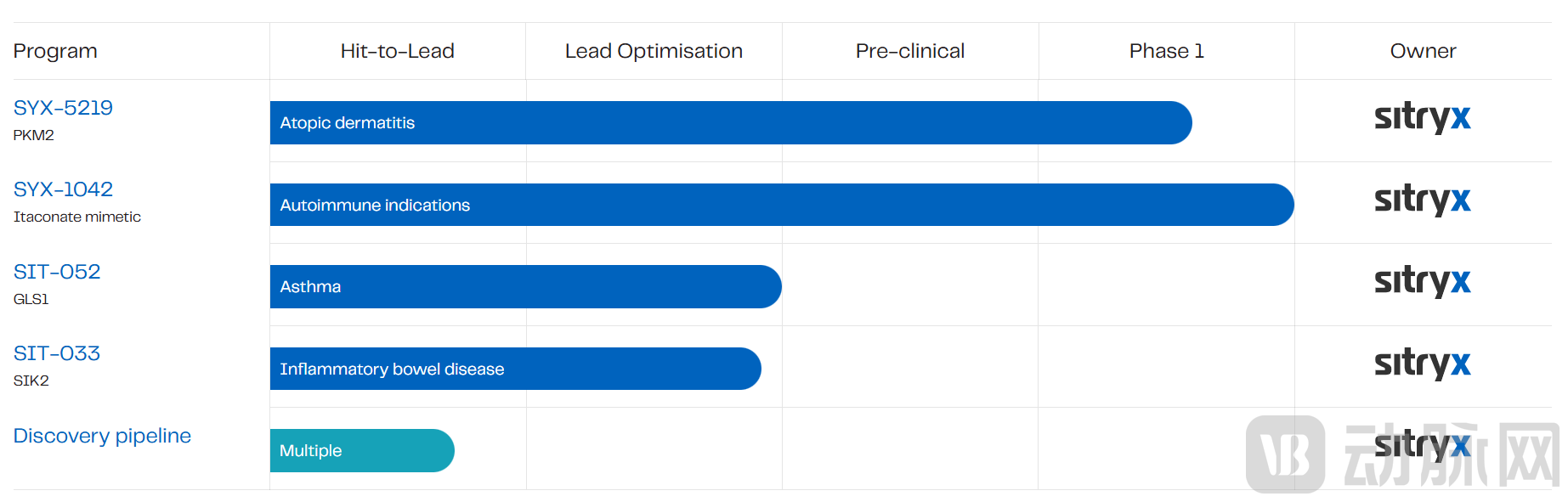
Looking back at this collaboration, BI bypassed the core assets that were returned and chose a cooperation path similar to Eli Lilly's — developing multiple preclinical projects based on platform cooperation. The underlying logic is that what MNCs are optimistic about isSitryx's underlying technology logic and product discovery engine with iterative potential.
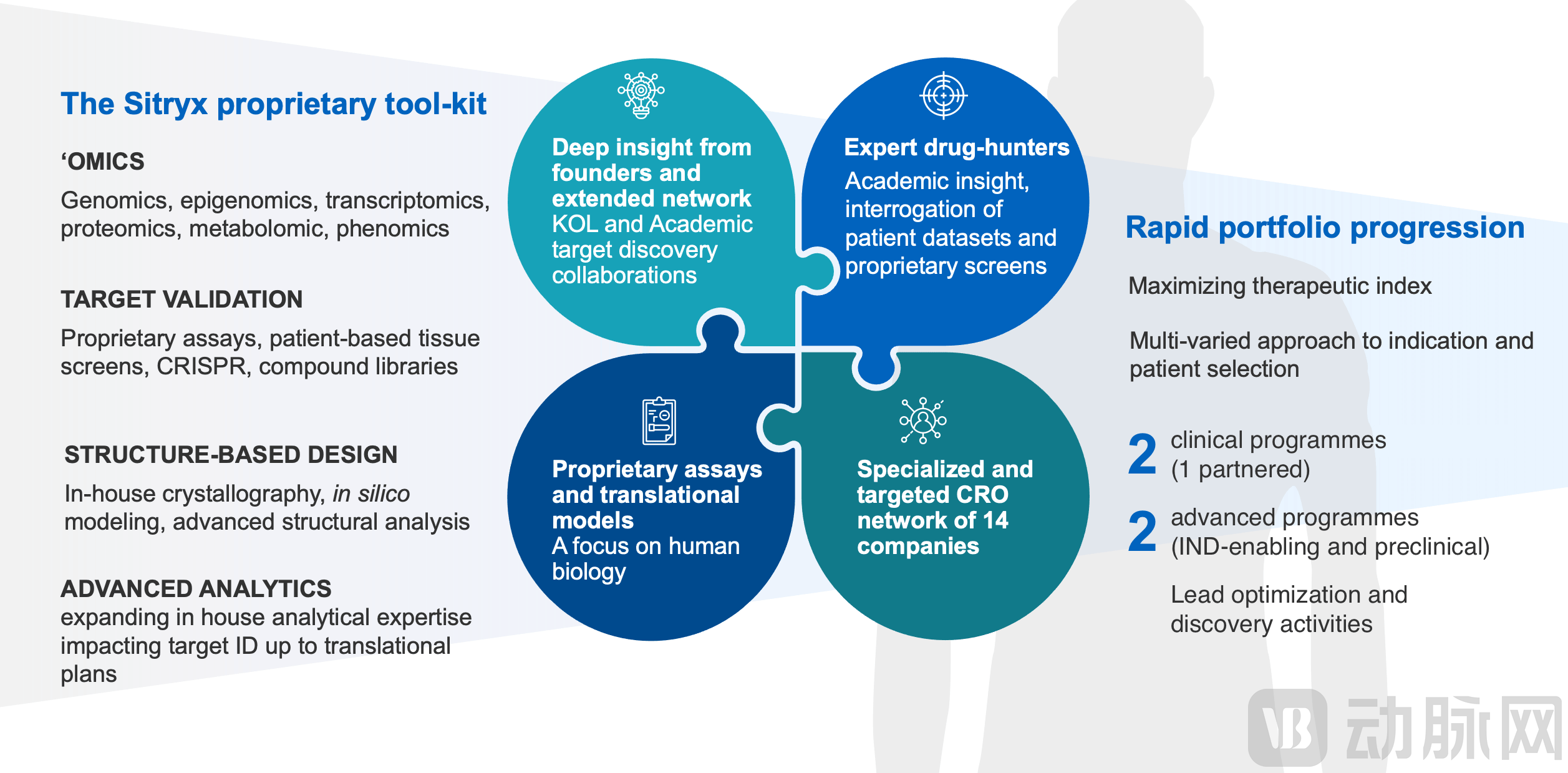
Sitryx Discovery Engine Drives Drug Development by Uniquely Leveraging Interdisciplinary Expertise
Sitryx Team Believes That Metabolic Pathways Play a Central Role in Regulating Immune Cell Function and Activation, and the Dysregulation of These Pathways Can Affect Immune Responses and Contribute to the Progression of Chronic Autoimmune and Inflammatory Diseases. Meanwhile, Metabolic Changes Within Immune System Cells Can Drive Disease Pathology. Therefore, by Intervening in Cellular Metabolism, Inflammation and Tissue Damage Can Be Reversed and Resolved, Leading to Better Therapeutic Outcomes.
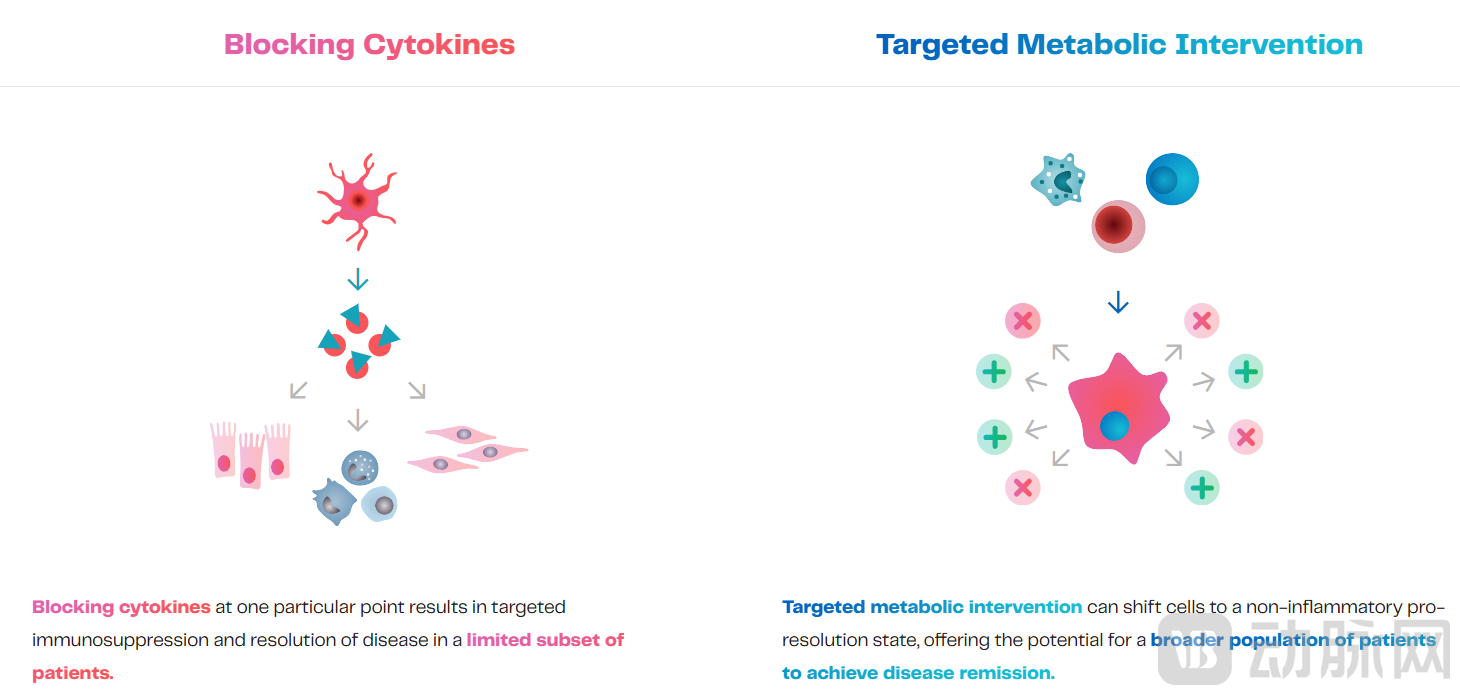
Comparison of Current Immunotherapy with Sitryx Immunotherapy
Current immunological, anti-inflammatory, and tumor drugs achieve targeted immune suppression and disease remission in a limited number of patients by intervening in specific pathways and blocking cytokines.And Sitryx willBy altering the status of different combinations of immune cells, "targeted metabolic intervention" transforms cells into a non-inflammatory, pro-resolution state, thereby achieving disease remission for a broader patient population.
Sitryx's R&D pipeline also includes PKM2 modulator SYX-5219 for atopic dermatitis (Phase I clinical trial), GLS1 inhibitor SIT-052 for allergic asthma, and SIK2 inhibitor SIT033 for ulcerative colitis.
2BI: The Second Autoimmunity BD Deal of the Year, Establishing a Diversified Matrix of Biologics + Small Molecules
On January 27, Simcere Pharmaceutical and Boehringer Ingelheim announced a licensing and collaboration agreement to jointly develop Simcere's preclinical-stage TL1A/IL23p19 bispecific antibody SIM0709 for the treatment of inflammatory bowel disease (IBD).Obtain the global rights to the project outside of Greater China. Simcere Pharmaceutical can receive an upfront payment, as well as milestone payments based on development, registration, and commercial success, potentially reaching up toA payment of 1.058 billion euros, in addition to royalties on net sales outside of Greater China.
At a deeper level of consideration, oral small-molecule drugs have significant advantages over injectable formulations in terms of patient compliance and ease of administration.。Collaborating with Sitryx not only further expands the preclinical immunology product pipeline but also creates a differentiated portfolio of oral small molecules and injectable biologics, which will cover the full spectrum of patient needs in autoimmune and inflammatory diseases in the future.
In fact, BI has entered a highly active period of BD in 2025. According to data from GlobalData's Pharmaceutical Intelligence Center,In 2025, Boehringer Ingelheim signed the most licensing agreements in over a decade., more than 50% of the agreements are concentrated in the fields of oncology and immunology, reflecting the urgency of addressing the patent cliff and reshaping the growth curve.

2025-2026 BI Autoimmunity Field BD Inventory (VCBeat Mapping)
In the autoimmune field, BI cooperation presentsEarly Project BiasAndComplementary Technical RoutesThe Trend:Sitryx collaboration advances multiple preclinical small molecule inhibitor programs, with several candidate pipelines in progress; collaborations with Kyowa Kirin, CDR-Life, and Simcere Pharma also focus on preclinical pipelines or undisclosed early-stage projects. Meanwhile,ThroughCue Biopharma, CDR-Life and Simcere Pharmaceutical Layout Large Molecule Antibody Drugs, while through Kyowa Kirin andSitryx Advances Next-Generation Oral Small Molecule Therapies, Forming “Injection+ Oral" full scene coverage.