

Major Breakthrough: China's First Homegrown Innovative Hepatitis B Drug Nears Approval

Hansoh Pharma
Pharmaceutical Research, Production, and Sales
Recently, according to the website of the Center for Drug Evaluation under the National Medical Products Administration, Hansoh Pharma has completed the submission of the first round of supplementary materials for its Class 1 new drug, "Amtenofovir Tablets." If approved in the first half of the year as predicted by industry insiders, it will become China's first independently developed innovative antiviral drug for hepatitis B, marking a significant and pioneering step for Hansoh Pharma in the field of hepatitis B treatment.
As is well known, hepatitis B is the most prevalent infectious disease in China. Although widespread vaccination has significantly reduced the transmission rate of hepatitis B, given China’s vast population base, the market demand for hepatitis B medications remains enormous and is expected to maintain a high growth trajectory in the future. At this juncture, Hansoh Pharma enters the hepatitis B market with its flagship product, “Amtenofvir Tablets,” offering an optimized Chinese solution to tens of millions of hepatitis B patients.
China, a Nation with a High Burden of Liver Disease: The Road to Chronic Disease Management Is Long and Arduous
There are approximately 70 million chronic hepatitis B virus (HBV) carriers in China, including 20 to 30 million patients with chronic hepatitis B. Over the past decade, the number of new cases has been around 1 million annually, accounting for one-third of all Class A and Class B infectious diseases. Hepatitis B remains the most prevalent infectious disease in China and constitutes a serious public health challenge.
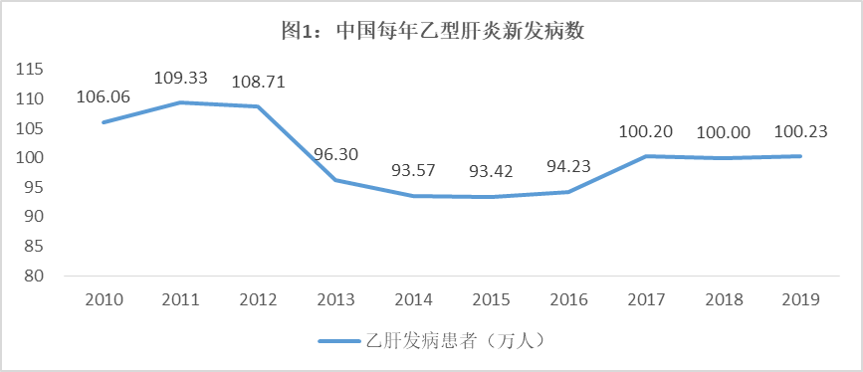
The annual incidence of cirrhosis in patients with chronic hepatitis B who have not received antiviral therapy is 2%–10%, and the annual incidence of hepatocellular carcinoma (HCC) in patients with cirrhosis is 3%–6%. Clinically, approximately 80% of HCC cases are attributed to hepatitis B virus infection. It is estimated that between now and 2030, more than 10 million people in China may develop cirrhosis and liver cancer due to chronic hepatitis. Therefore, controlling the progression of chronic hepatitis B is of paramount importance.
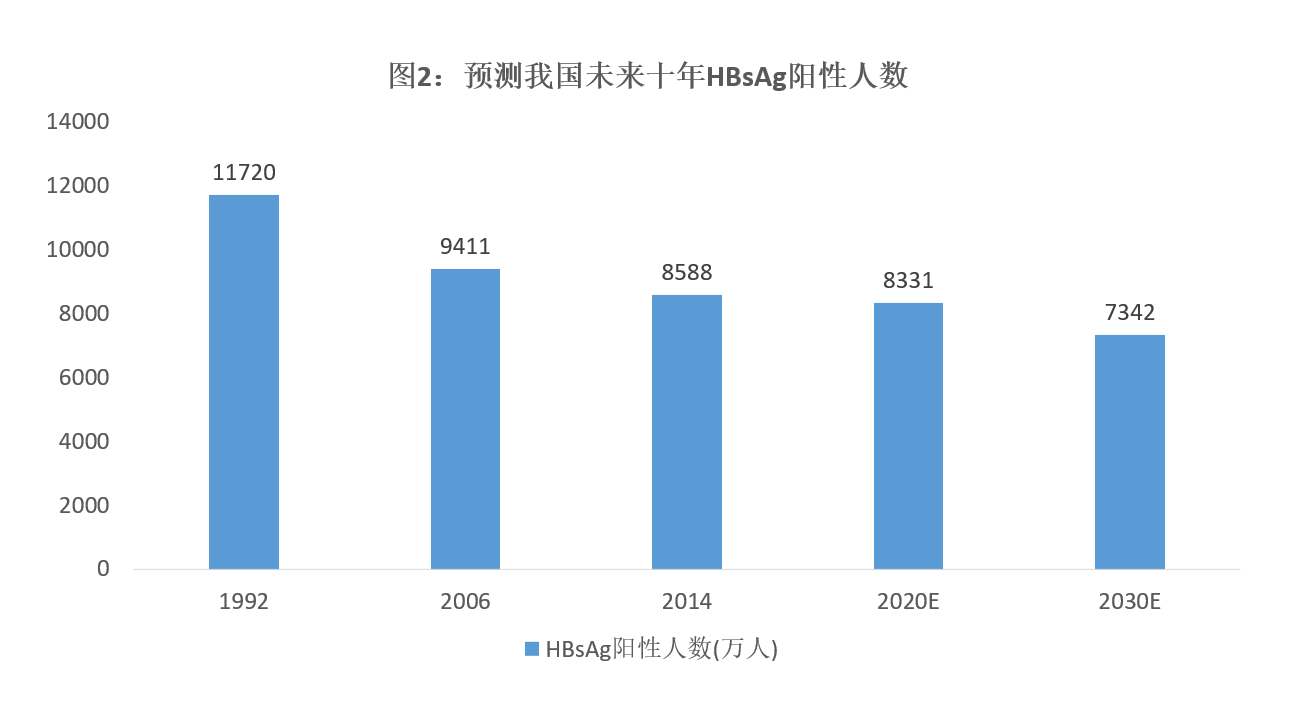
In May 2016, the 69th World Health Assembly released the first global strategy against viral hepatitis, aiming to eliminate viral hepatitis as a major public health threat by 2030. Its core targets are to reduce new hepatitis B infections by 90% and hepatitis B-related mortality by 65% by 2030, based on 2015 baseline data. However, according to WHO estimates, if current interventions are maintained, China will still have 60 million people living with hepatitis B and 680,000 hepatitis B-related deaths by 2030, representing a significant gap from the WHO’s 2030 targets. Therefore, eliminating hepatitis B requires efforts in five key areas: promoting hepatitis B immunization programs, preventing mother-to-child transmission, ensuring the safety of blood products and injections, preventing hepatitis transmission among people who inject drugs, and improving diagnosis and treatment rates for hepatitis B. Currently, China has made remarkable progress in the first four areas, significantly controlling new infections. To reduce hepatitis B-related mortality, however, improving diagnosis and treatment rates has become an urgent priority.
A Multi-Billion Market Eagerly Awaits Iterative Innovative Drugs
According to the recommendations in the "Guidelines for the Prevention and Treatment of Chronic Hepatitis B" (2019 Edition), first-line treatment options include potent nucleos(t)ide analogs with a low resistance barrier and pegylated interferon. The nucleos(t)ide analogs primarily consist of tenofovir alafenamide, entecavir, and tenofovir disoproxil fumarate. The clinical use of lamivudine, adefovir dipivoxil, and telbivudine is explicitly not recommended.
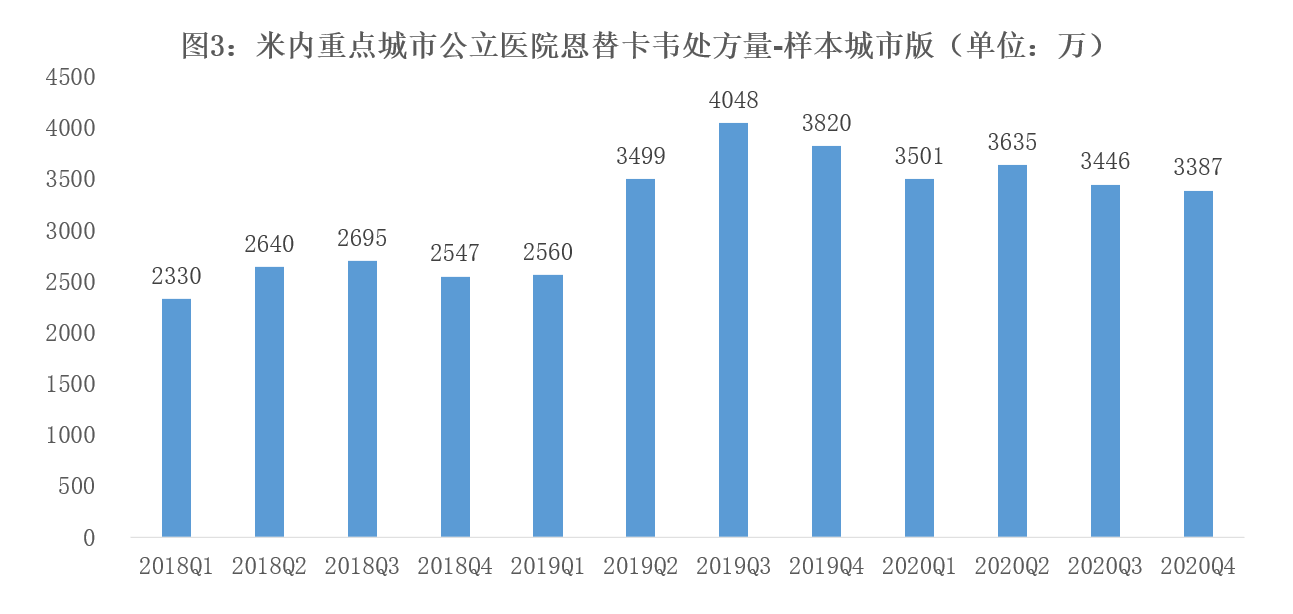
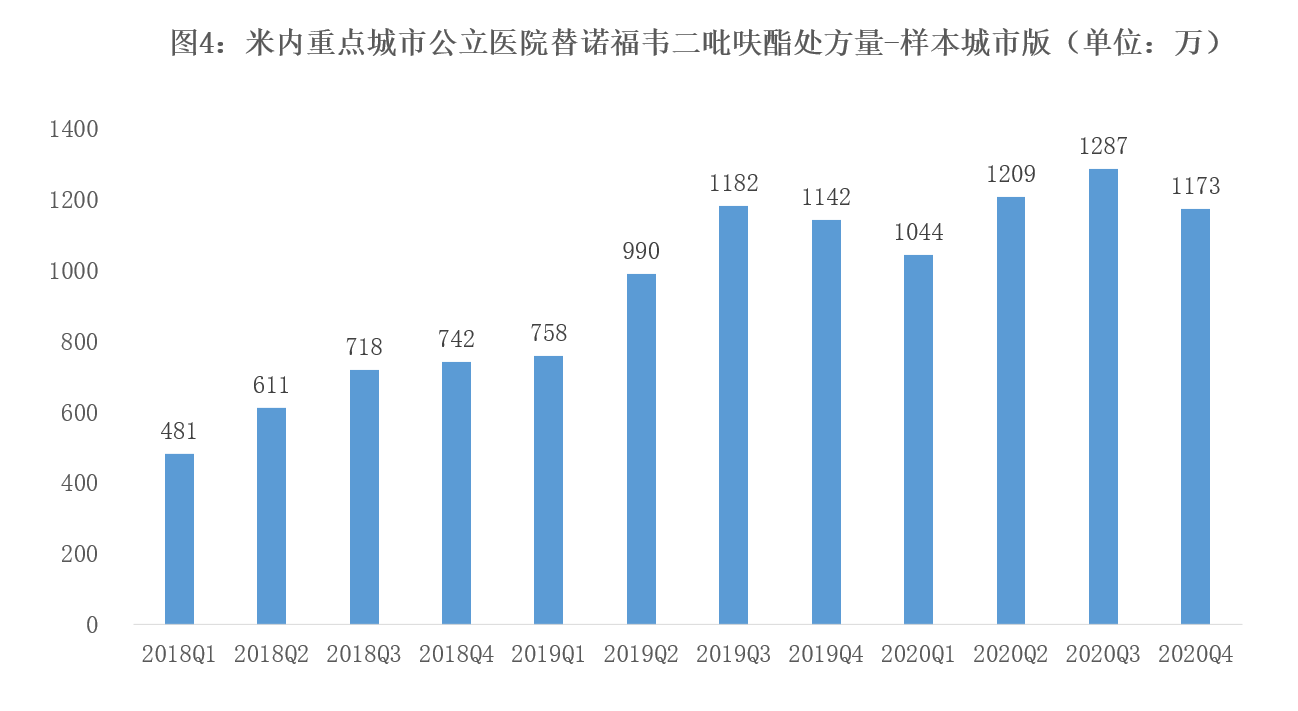
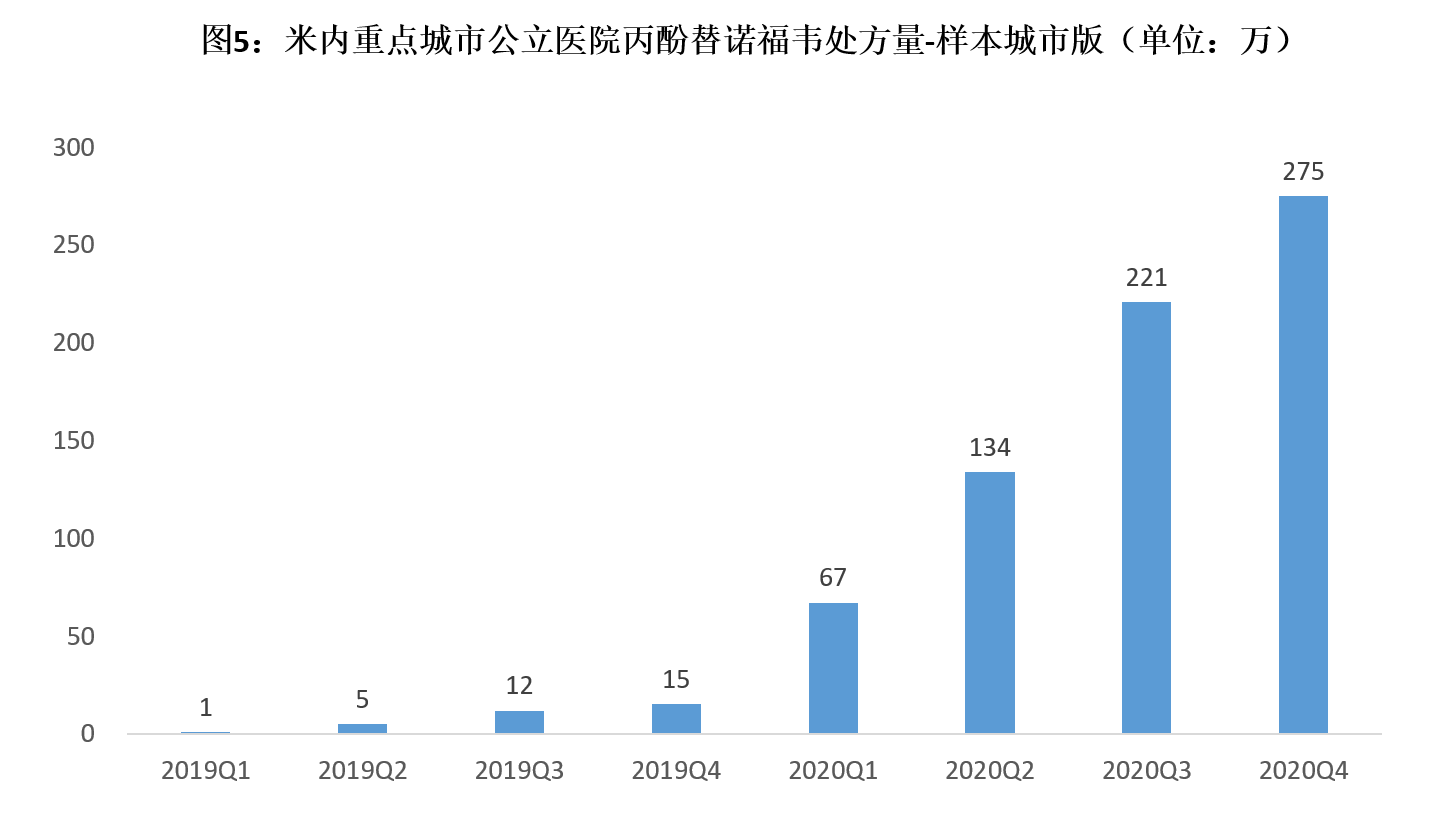
In 2019, the sales revenue of nucleoside analogues in urban public hospitals in China (national extrapolated data) reached RMB 7.1 billion, suggesting that the total market size exceeded RMB 10 billion. According to the chemical drug database for key urban public hospitals on Menet, the prescription volume of entecavir has shown a downward trend in recent years, gradually being replaced by tenofovir disoproxil fumarate and tenofovir alafenamide, which are safer and more effective. The competitive landscape of the hepatitis B market is poised for restructuring. Notably, Gilead’s tenofovir alafenamide fumarate was approved for import at the end of 2018 and has demonstrated strong momentum due to its efficacy and competitiveness.
In the field of hepatitis B drug development, low effective dosage and low resistance rates remain key areas of focus for improving nucleos(t)ide analogs. Additionally, as some nucleos(t)ide analogs cause bone and kidney damage, safety is also a major concern for medical professionals. In summary, nucleos(t)ide analogs that are potent at low doses, exhibit low resistance, and demonstrate high safety profiles align with clinical needs and correspond perfectly with the rapidly growing market performance.
From “Made in China” to “Created in China”
Ametenofovir Tablets are a Class 1 new drug independently developed by Hansoh Pharma. As a novel nucleotide reverse transcriptase inhibitor, it inhibits reverse transcriptase through a mechanism similar to that of nucleoside reverse transcriptase inhibitors, thereby simultaneously exhibiting potential anti-HIV-1 activity.
As a prodrug of tenofovir (TFV), adefovir alafenamide exhibits higher plasma stability, improved safety, and liver-targeting capabilities through structural optimization, thereby enhancing drug bioavailability. The drug has minimal impact on bone mineral density and renal function. Early clinical study results have also confirmed its favorable tolerability and safety profile in healthy volunteers and patients with chronic hepatitis B (CHB), with pharmacokinetic characteristics and efficacy meeting expectations.
At the 2021 Annual Meeting of the Asian Pacific Association for the Study of the Liver (2021 APASL), researchers from Nanfang Hospital, Southern Medical University, and Jiangsu Hansoh Pharmaceutical Group Co., Ltd. (the operating entity of Hansoh Pharma) jointly presented the 48-week results of a large-scale Phase III clinical study of this drug in Chinese patients with chronic hepatitis B (CHB). Clinical data demonstrated that amtenovir tablets not only ensured robust anti-hepatitis B virus efficacy but also exhibited superior safety, making them an excellent choice for long-term treatment in adult patients with chronic hepatitis B.
It is foreseeable that China’s hepatitis B market is about to undergo a transition from “Made in China” to “Created in China.”
Compared with currently marketed nucleos(t)ide analogues, amlitenofovir alafenamide tablets are a newcomer; however, backed by impressive clinical data, this product holds the potential to drive updates and iterations in treatment regimens. We look forward to the imminent market launch and inclusion in the National Reimbursement Drug List of Hansoh Pharma’s amlitenofovir alafenamide tablets, so as to benefit patients with hepatitis B at an earlier date. The future is promising.