What Does a Brain-Computer Interface Company Poised for Future Success Look Like? |
Cover Source|IC photo
Brain-Computer Interfaces Are Taking a Significant Step from the Laboratory to Reality.Recently, Neuralink, the brain-computer interface company founded by Elon Musk, announced that it has officially begun recruiting participants for its human clinical trials. The trial primarily targets patients with quadriplegia caused by amyotrophic lateral sclerosis (ALS), aiming to verify the safety of the implant and surgical robot, as well as to demonstrate the device’s ability to help paralyzed patients control external devices using their thoughts. After years of negotiations with the U.S. Food and Drug Administration (FDA), Neuralink’s human clinical trials are finally set to commence.For brain-computer interface (BCI) technology to make significant strides, a key element is the ability of implants to be inserted into the human brain; however, once inside, long-term in vivo biocompatibility is crucial. Therefore, this trial will involve a five-year follow-up period, with the entire study expected to take approximately six years to complete. Although Synchron, which employs endovascular implantation of BCI devices, has already conducted six human clinical cases prior to this, Neuralink has clearly generated far greater momentum, bolstered by the star power of Elon Musk.In China, despite the winter of financing in the life and health sector, invasive brain-computer interfaces have experienced a "mini spring" in funding since 2022, with continued high interest in this field this year. Compared to the science-fiction-like distant future of decoding the human brain or achieving digital immortality, the application of brain-computer interface technology in medical scenarios—such as treating previously incurable diseases like treatment-resistant depression, Parkinson’s disease, and paralysis—has already shown some potential for becoming a reality.This does not mean that one can advance boldly. In 2023, investors acted with greater caution. Several questions remain to be answered regarding the path forward:1. In 2023, what were the most critical and high-barrier key technologies for brain-computer interfaces?2. What Does a Brain-Computer Interface Company Poised for Future Success Look Like in China?3. How should we view the markets and scenarios where brain-computer interface technology can be applied and generate revenue?36Kr will address these questions one by one in the following article.Logic of Brain-Computer Interface SystemsAre Flexible Electrodes the "Decisive Weapon" for Invasive Brain-Computer Interfaces?
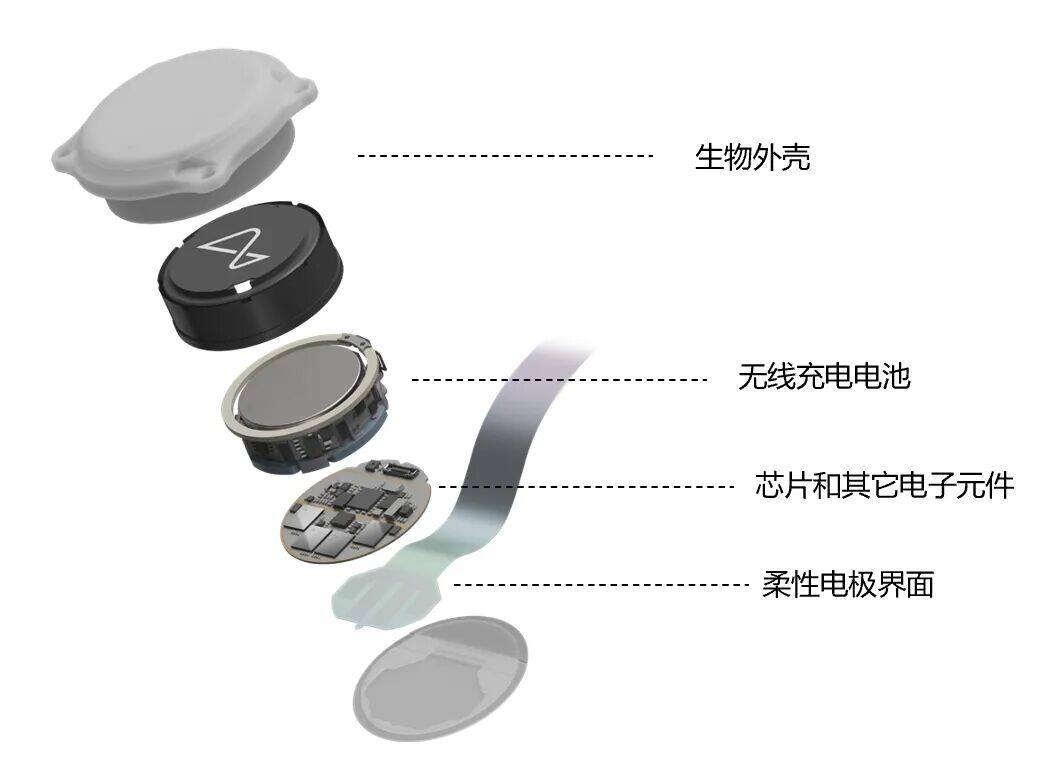
In the invasive brain-computer interface (BCI) sector, more than one interviewee told 36Kr that “only those with R&D capabilities in flexible electrodes have earned a seat at the BCI table.” The miniaturization, flexibility, and high-throughput capacity of electrode technology are not only the focal points for R&D teams and companies, but the capital market also shows strong favor for “flexible electrodes.”As the interface for electroencephalogram (EEG) signal acquisition and stimulation in brain-computer interface systems, implantable electrode technology has a long history. Many years ago, the US company Blackrock conducted human clinical trials using rigid Utah electrodes (proposed in 1989 by a research group led by Professor Normann from the Department of Bioengineering at the University of Utah), but it has yet to receive approval for market launch.The underlying reason is that the human brain is a very soft tissue, with a consistency similar to tofu. After hard electrodes are implanted into the cortical tissue, they resemble rows of steel needles inserted into tofu. Body movements can cause electrode displacement, and severe immune responses may lead to the electrodes being encapsulated by scar tissue, resulting in rapid degradation of the quality of acquired electroencephalographic (EEG) signals.“Once an electrode fails, it must be ‘picked out’ from the brain tissue. ‘It is like inserting a needle board into tofu; when you pull it out, the tofu becomes shredded. Removing the electrode leaves a defect in the cerebral cortex, causing irreversible damage to the cortical tissue. In terms of safety, this does not meet the evaluation criteria for medical devices,’ explained Li Xiaojian, a researcher at the Shenzhen Institute of Advanced Technology, Chinese Academy of Sciences, on why brain-computer interface products using rigid electrodes have yet to gain market approval.”Furthermore, electrodes traditionally used in neuromodulation devices such as Deep Brain Stimulation (DBS) and Spinal Cord Stimulation (SCS) are capable of acquiring coarse local field potentials (LFPs) or electrocorticography (ECoG) signals. In contrast, novel high-throughput neural electrodes are designed to capture spike signals—high-frequency electrical pulses emitted at the single-neuron level—which can be decoded and encoded.By analogy, if local field potential (LFP) signal acquisition captures the sound emanating from an entire basketball court, then neuronal spike signals represent the sounds produced by each individual on the court. The precision and data volume of the acquired signals are entirely on different scales. This simultaneous enhancement in both quality and quantity may also drive an upgrade in the paradigm of brain science research.Although silicon-based rigid electrodes still hold certain advantages in the neuroscience community for acquiring high-throughput, precise neural signals, some teams have begun exploring “high-throughput flexible electrodes” to extend their service life after implantation in the human body. These efforts aim to identify new materials and manufacturing processes that enable long-term in vivo presence while accurately recording neuronal signals. In China, academic leaders capable of developing flexible electrodes are scarce; they primarily come from prestigious institutions such as the Chinese Academy of Sciences, Peking University, and Tsinghua University, and are increasingly securing capital support to launch startups.NeuroXess, co-founded by Tao Hu and Peng Lei, it has launched a multimodal electrode that combines silk fibroin with MEMS electrodes. The MEMS flexible electrodes are coated with silk fibroin to enhance rigidity during implantation; after implantation, the surface silk fibroin degrades, allowing the electrodes to regain flexibility. This approach eliminates the need for large-craniotomy incisions, further minimizing implantation trauma. In addition, Naohu possesses the capability to develop and implant tungsten wire electrodes, enabling it to pursue brain-computer interface systems through multiple technological pathways.Jieti Medical, co-founded by scholars Zhao Zhengtuo and Li XueBy adopting a novel process, the bending stress is reduced by decreasing electrode thickness, given that the inherent flexibility of the material itself is difficult to further enhance. Through micro- and nanofabrication techniques, electrodes are fabricated to cellular dimensions—approximately 1/300 to 1/200 the diameter of a human hair—thereby reducing the bending stress of ultra-flexible electrodes to the magnitude of intercellular forces.MicroMind Medical, founded by Li Xiaojian, launch high-density meshUltra-Compliant Neural Electrode ArrayBased on MEMS technology, utilizing micron-scale ultra-thin structures combined with nanotechnology to enhance neural compatibility and conductivity. High spatiotemporal precision neural signals can be obtained by adhering to the surface of the cerebral cortex, avoiding brain damage caused by penetrating electrodes.National Center for Nanoscience and TechnologyFang Ying collaborated with Song Qi, former CEO of Keya Medical, to co-found Zhiran Technology., Fang Ying’s team has also accumulated years of expertise in the research of neural tassel electrodes and ultra-flexible microelectrode arrays, integrated on micron-thick polymer substratesUltra-flexible Microelectrode Arrays, the interface with neural tissue has been proven to stably record neuronal activity over the long term.Axoft, founded by Jia Liu, Assistant Professor at the Harvard John A. Paulson School of Engineering and Applied Sciences, it has developed flexible, subcellular-scale three-dimensional macroporous nanoelectronic devices. By using artificially synthesized polymer tissue scaffolds and integrating a large number of electrodes at the tissue interface via photolithography, the devices maintain the same softness as neuronal tissue. As early as 2015, it was verified that such flexible materials could address limitations such as electrode instability and the propensity to trigger immune responses in brain-computer interfaces.“In addition to the aforementioned academic leaders and startups in the field of brain-computer interfaces, researchers in China capable of developing flexible electrodes include Dai Xiaochuan from Tsinghua University, Duan Xiaojie from Peking University, and Song Enming from Fudan University; these are essentially the key teams,” an investor who had previously invested in a brain-computer interface company told 36Kr, describing their earlier mapping efforts.“Flexible electrodes are a prominent challenge that needs to be addressed in the current research and development of brain-computer interfaces. When we initially invested in NeuraTiger, we engaged a professional law firm to conduct a detailed FTO (Freedom-to-Operate) patent due diligence on the company’s flexible electrode technology and products. Across the entire sector, patents are most concentrated, and manufacturers place the greatest emphasis, on the electrode component,” said Li Jincheng, project lead at Zhongping Capital, the lead investor in NeuraTiger’s Series A funding round, in an interview with 36Kr.Whether fibrous flexible electrodes or flexible electrode arrays, the development of electrode technology and supporting systems is driving brain-computer interface technology from the laboratory to industrial applications.The case from the Second Affiliated Hospital of Zhejiang University School of Medicine, in which a paralyzed patient was able to eat youtiao (fried dough sticks) and drink cola via an implanted Utah electrode-based brain-computer interface, once garnered widespread attention. However, it is understood that the patient’s expenses amounted to tens of millions of yuan, and signal decoding required an entire cabinet of supporting equipment, meaning the patient was confined to hospital wards for long-term activity.For broader application, defining the product form factor of brain-computer interfaces (BCIs) has become a key engineering challenge for various companies. While the technical capabilities of flexible electrodes are important, BCIs involve far more than just electrodes; the supporting components and system integration capabilities collectively determine the future of product applications.Composition of the Neuralink N1 Brain-Computer Interface ImplantElectrodes, Chips, Algorithms… The Indispensable Full-Industry-Chain Capability
“The founder has an impressive background, a solid theoretical technical foundation, and a clear, pragmatic product pipeline strategy.” In a medical device investment group chat, an investor expressed admiration for a brain-computer interface (BCI) company that had recently passed its regulatory review, prompting fellow group members to speculate about which company had received such praise. However, shortly thereafter, the investor disappointedly revealed that their firm had been rejected by the company.Amid the winter-like investment climate in the life and health sector, genuine success stories are rare.Well-recognized by investors, the brain-computer interface (BCI) company is MedLinker, founded by Li Xiaojian. In this overheated sector, “valuation rationality” is one of the key factors attracting investors to MedLinker. “Although the BCI field offers immense potential and a high ceiling, it is a relatively long-term endeavor. Neither the company nor our shareholders aim to artificially inflate valuations; instead, we all maintain a rational approach, which is essential for achieving sustainable, step-by-step growth,” said Liu Dan, Senior Partner at CDH VGC and lead investor in MedLinker’s angel round.From a business perspective, a more compelling reason, as Li Xiaojian stated to 36Kr, is that “on domestic technology platforms, Weiling has successfully validated the entire chain, including high-density, ultra-flexible neural electrode arrays, electronic chips, data acquisition and decoding algorithm systems, and animal trials conducted on monkeys.”As is well known, the more mature an industry becomes, the more specialized its division of labor. However, in emerging industries such as brain-computer interfaces (BCIs), underlying device technologies are not yet fully developed, and there is a lack of mature suppliers across all segments. Taking chips as an example, Peng Lei, founder of Naohu Technology, told 36Kr that his company had previously sourced chips from overseas, but their technical specifications failed to meet the long-term development needs of their product systems. “Apart from Neuralink, few foreign companies offer products with 256 or more channels directly, and Neuralink’s chips are not available for commercial sale. Since our system requires a high number of chip channels, we opted to develop our own chips.”"Some products lack suppliers, and even for those with authorized distributors, it is difficult to procure high-quality components. 'During our research, a principal investigator (PI) noted a significant quality disparity between electrodes purchased directly from the original US manufacturer and imported electrodes obtained through domestic distributors. The imported electrodes sourced via domestic distributors exhibited inferior product quality and shorter service life. The industry is also eager for access to high-quality research tools,' shared Li Jincheng."For this very reason, companies in the brain-computer interface (BCI) sector, despite being in their early stages, must shoulder a comprehensive suite of responsibilities by independently developing various core components. Only by establishing capabilities across the entire industrial chain can they successfully integrate product systems for use in research or clinical settings.Thus, leveraging its proprietary technological strengths,The scope extends from electrode technologies for brain signal acquisition, to high-channel, low-power chips, to algorithmic systems for signal decoding, surgical robots for electrode implantation, and even animal trials in dogs and monkeys, as well as the clinical resources required to conduct exploratory human trials., brain-computer interface companies are all striving to position themselves as "all-rounders."“Once a company or team establishes a leading advantage in the brain-computer interface (BCI) field, it becomes extremely difficult for competitors to catch up and surpass them.” Liu Dan drew an analogy with the new drug development sector: if a company originally focused on target A and then shifted to target B, the challenge might be rated at 50 out of 100; however, in the BCI field, the difficulty for latecomers attempting to “copy” the work of established BCI companies is as high as 90 out of 100. “It requires rebuilding an entire disciplinary ecosystem and ensuring alignment across interdisciplinary teams and business operations, which poses considerable challenges.”Indeed, as a highly interdisciplinary frontier field, brain-computer interfaces involve no fewer than ten academic disciplines and constitute an engineering endeavor that is both extremely capital-intensive and resource-demanding.Neuralink, founded by Elon Musk, completed a $280 million Series D financing round in August. Since its establishment eight years ago, the company has raised a cumulative total of $653 million, approaching RMB 5 billion. Over the past year or so, representative U.S. brain-computer interface companies such as Synchron, Paradromics, Precision, and Blackrock have each secured funding ranging from $50 million to $100 million.However, for domestic brain-computer interface (BCI) startups in China, given the difficulty in securing such substantial financial reserves, self-sustaining revenue generation, the phased launch of products, and the acquisition of sales-driven cash flow have seemingly become imperative during the protracted R&D journey.
 Brain-Computer Interfaces in Neuroscience Research Scenarios
For companies developing invasive brain-computer interfaces (BCIs), medical-grade BCI products must undergo regulatory approval, with the development-to-approval cycle often taking 5–8 years. Therefore, outside of medical scenarios,Brain-computer interface companies are flocking to the “brain science research market,” primarily providing scientific research tools and services to laboratories in China focused on brain science and brain-inspired research, neuroscience, language and cognitive functions, and psychological research.It is understood that the annual sales volume of brain-computer interfaces (BCIs) for the scientific research market in the United States is at least $100 million. If expanded to encompass the entire neuroscience research market, the potential could be even greater. In contrast, China’s “Brain Project” was implemented many years later than its U.S. counterpart, and its scientific research market is still in its nascent stage.In 2021, the Ministry of Science and Technology of China launched the “Brain Science and Brain-Inspired Intelligence” 2030 Program, with initial national funding exceeding RMB 3.148 billion and subsequent investments projected to surpass RMB 10 billion.Among the numerous companies providing research tools for brain science, BrainCo, whose technology originates from the Department of Neural Engineering at Tsinghua University, is at the forefront. Its developed wireless EEG acquisition system has been applied in brain science research scenarios such as biomedicine, psychology, and neuroscience; its transcranial electrical stimulation products are used in basic disciplines and clinical application research including neuromodulation, cognitive science, and psychology. It is reported that, combined with its clinically used EEG equipment, BrainCo’s revenue reached tens of millions of RMB in the first half of 2023, with annual revenue potentially exceeding 100 million RMB.In addition to non-invasive brain-computer interface (BCI) devices, invasive BCI companies represented by BrainCo (Naohu Technology) and Jieti Medical are also rolling out products such as flexible electrodes, chips, and robotic systems for electrode implantation surgery, intended for neuroscience research. Jieti Medical disclosed that its self-developed HNE ultra-flexible micro-nano electrodes have achieved commercial mass production, delivery, and large-scale implantation. BrainCo has developed two models of flexible electrode implantation surgical robots: one designed to support animal experiments on mice, rats, and rabbits, and the other suitable for implantation procedures in dogs, primates, and even humans. Peng Lei also stated to 36Kr that BrainCo’s revenue from scientific research products would reach RMB 20 million in 2023.So, what is the actual size of China’s market for brain science research tools and services? How many brain-computer interface (BCI) companies can share this market? Different assessments of this question also influence the strategic path choices of startups.Optimists believe that the market for brain science research in China is well-defined; although its current scale is small, it is poised for substantial growth in the coming years. More than one interviewee compared the ongoing “Brain Project” to the “Human Genome Project.” With the advancement of next-generation sequencing technologies, the cost of analyzing human genomic data, which once required billions of dollars, has dropped to the tens of thousands of yuan range, spurring the emergence of numerous companies providing sequencing tools and services. The Brain Project may similarly drive significant industrial expansion.“The research market for brain science should be viewed dynamically. Currently, brain science research is relatively cutting-edge, with many research paradigms still in the establishment phase, resulting in a high barrier to entry. Only a few top-tier universities and research institutes in China possess the capability to conduct such research. However, during the implementation of the Brain Project, continuous funding from the state and society, coupled with deeper scientific exploration, will inevitably lead to greater maturity in brain-computer interface (BCI) research tools and services. As research barriers lower and the diversity of research directions increases, the number of active brain science research groups could grow from dozens to hundreds or even thousands, similar to the trajectory seen in genomics research.” Li Jincheng, who has years of experience in the neuromodulation sector, believes that the research market will not only benefit BCI hardware companies but also likely give rise to a new wave of research service companies offering specialized services such as neural signal analysis and animal model development.However, Li Xiaojian, who has been immersed in the field of neuroscience for over two decades, believes that there are few laboratories in China with both the capability and the need to conduct high-throughput brain-computer interface (BCI) research. Due to the enormous workload associated with high-channel invasive BCIs, small-scale laboratories often lack the resources and personnel to support such experiments. Furthermore, high-end electrophysiological instruments have a steep learning curve, and scientific instrument suppliers invest heavily in “after-sales service.” “For the scientific research market, we have adopted a CRO (Contract Research Organization) service model, using our self-developed equipment to conduct experiments, collect data, and analyze data on behalf of others, thereby serving as a ‘data factory’ for generating research data.”If, in the context of scientific research, disagreements still exist regarding whether to proceed and how to do so;For brain-computer interface (BCI) companies, medical applications offer greater certainty. From motor disorders such as amyotrophic lateral sclerosis (ALS) and spinal cord injury, to neuromodulation areas like epilepsy and pain management, and further to psychiatric conditions such as depression and obsessive-compulsive disorder (OCD), the medical sector has become a “strategic battleground” for invasive BCI companies.Drug development is governed by the “double-ten” rule—$1 billion and 10 years—and the development of central nervous system (CNS) drugs is even more challenging. The potential demonstrated by invasive brain–computer interfaces in treating CNS disorders has attracted a growing number of participants to this field.
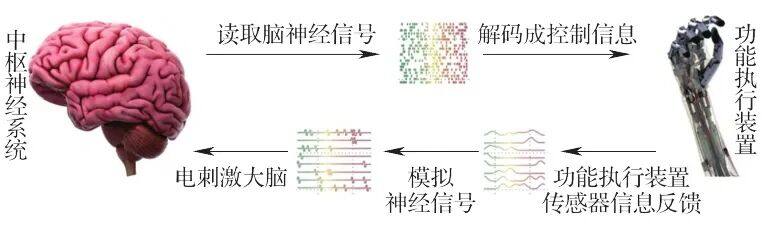
 Medical Application Scenarios of Brain-Computer InterfacesIf the concept of brain-computer interfaces (BCIs) is interpreted in a broad sense, the most widely used BCI currently is the cochlear implant. In this field, Nurotron, a Chinese company with strong capabilities in traditional electrode technology, has emerged. Consequently, traditional neuromodulation techniques such as Deep Brain Stimulation (DBS, also known as a brain pacemaker) and Responsive Neurostimulation (RNS) can also be included within the broad scope of BCIs. Previously, an exploratory clinical trial on “BCI treatment for refractory depression” conducted by Shanghai Ruijin Hospital utilized the DBS product from Jingyu Medical.However, the narrow definition of Brain-Computer Interface (BCI) hinges on substantial information exchange between the human brain and computers. This involves not only unidirectional stimulation from machine to brain but also signal acquisition, decoding, and feedback from brain to machine.
System Composition of Implantable Brain-Computer Interfaces
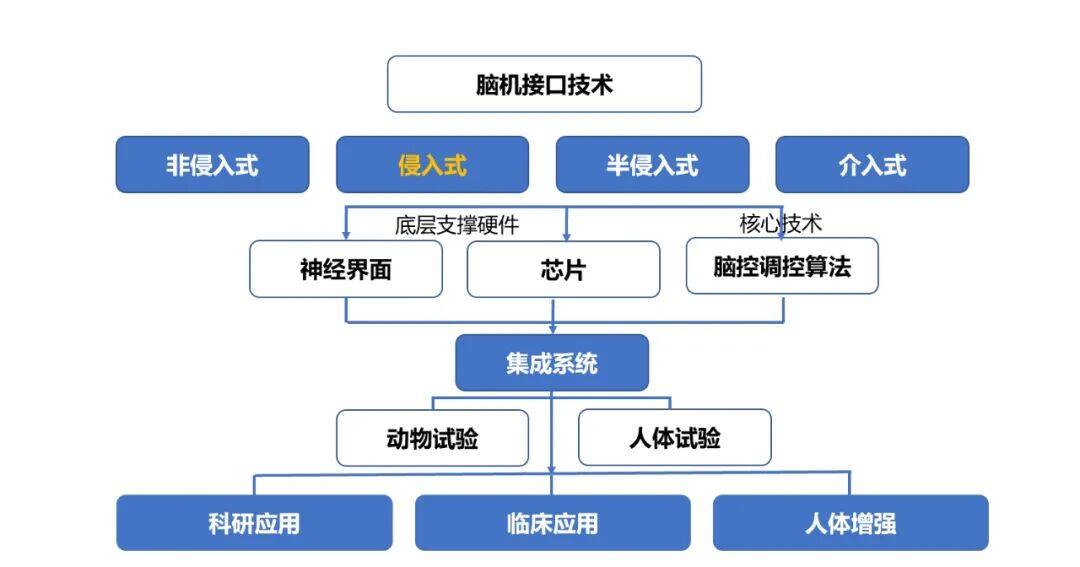
“The core of brain-computer interface (BCI) technology lies in the decoding of brain information. Hardware such as electrodes and chips serves merely as foundational supporting technology; the entire technological chain involves converting neural signals into data, extracting information, enabling interaction, and forming a closed loop,” explained Li Xiaojian. Therefore, deep brain stimulation (DBS) can only be considered a very preliminary application of BCI technology.“Unlike traditional medical device companies, brain-computer interface (BCI) companies are in an exploratory phase, prioritizing the high-channel-count reading and writing of neuronal activity to understand changes in patients’ neurons. Based on this research platform, they then determine whether a specific indication can be addressed with the optimal medical device.” Therefore, Peng Lei believes that the BCI technological roadmap can give rise to next-generation deep brain stimulation (DBS), responsive neurostimulation (RNS), vagus nerve stimulation (VNS), and spinal cord stimulation (SCS) devices, with fundamentally different mechanisms and stimulation modalities.“In the future, if closed-loop brain-computer interface systems are developed as medical devices, I believe they might be named ‘feedback neuromodulators,’ because the ultimate therapeutic effect is still achieved through neural stimulation. From this perspective, brain-computer interfaces are not more advanced than DBS, but they are indeed more scientific and intelligent in terms of functional implementation,” analyzed an investor who has long focused on the brain-computer interface sector.As a medical device, in terms of system capabilities, brain-computer interfaces (BCIs) can, on one hand, improve the quality of life for patients with terminal or severe illnesses, such as assisting those with amyotrophic lateral sclerosis (ALS) or spinal cord injuries in communication and mobility; on the other hand, they can intervene in disease processes to ameliorate symptoms and slow progression. In cases involving the loss of neural functional connectivity in the brain, BCIs are employed to attempt repair and reconstruction of neural pathways for the treatment of functional brain disorders, with typical applications including post-stroke rehabilitation training. The emergence of BCIs has provided greater possibilities for the treatment of functional brain disorders.Despite high expectations, invasive brain-computer interfaces (BCIs) inevitably involve a certain degree of surgical trauma and require long-term implantation. Taking into account factors such as implantation efficacy and medical device registration and review regulations, many related companies have prioritized targeting rare diseases (e.g., amyotrophic lateral sclerosis) and terminal conditions lacking clinical solutions (e.g., spinal cord injury) to provide restoration or substitution of motor function. Subsequently expanding to severe disorders (e.g., Parkinson’s disease, Alzheimer’s disease) and mild chronic conditions (e.g., treatment-resistant depression, pain management) has become the R&D roadmap for numerous BCI companies.Meanwhile, diagnostic applications such as “identification of eloquent brain areas during neurosurgery” and refractory epilepsy with clearly defined pathogenesis are also the preferred indications for brain-computer interface companies both in China and abroad.In the capital markets, brain-computer interfaces (BCIs) are not simply valued as medical devices; instead, they enjoy a higher sector premium. The reason for this isAs a platform technology, brain-computer interfaces (BCIs) may evolve into a therapeutic platform in the future, leveraging a universal hardware foundation to treat various indications.“Brain-computer interface companies will inevitably pursue multiple pipelines, addressing a variety of indications—particularly those with high disease-related expenditure—thus corresponding to a higher market ceiling,” said Jia Yan, Director at China Renaissance and holder of a Ph.D. in Neurobiology from the University of Cambridge.Specifically,The key to determining whether similar brain-computer interface systems can be used for intervention lies in assessing whether the pathogenic mechanisms and etiologies of different indications are similar.。For instance, spinal cord injury and stroke can both lead to paralysis; although the clinical presentations are similar, their etiologies differ. The former requires functional replacement therapy, whereas the latter involves rehabilitative therapy, resulting in significant differences in the corresponding brain-computer interface (BCI) systems. Conversely, for conditions with different clinical manifestations but similar underlying causes—such as blindness and limb motor impairments caused by dysfunction in specific brain functional areas—the therapeutic BCI systems, particularly the hardware components, are remarkably similar.“The advantages of implantable brain-computer interfaces lie in the acquisition and decoding of cortical signals, as well as the delivery of reverse electrical stimulation,” explained Li Xiaojian. Different regions of the cerebral cortex correspond to distinct human physiological functions. Brain-computer interfaces can extract functional signals from these brain regions, thereby enabling interaction with the external environment. For a given set of brain-computer interface hardware, selecting different brain regions for interaction means addressing the realization of different human physiological functions.Wen Gang, a partner at Kaifeng Venture Capital, also expressed similar views, suggesting that in the future, similar diseases with strong etiological correlations may be integrated and addressed by a single brain-computer interface (BCI) system. “Currently, BCIs primarily process electrical brain signals, but will later expand to include chemical signals. In the future, it may be possible to employ one treatment system for disorders associated with abnormal electrical discharges, and a separate treatment system for conditions linked to abnormalities in chemical signaling.” He further noted that this vision will require more foundational research.
 Brain-Computer Interfaces: Far from Digital Immortality, Close to Curing Diseases and Saving Lives
As early as 2019, Elon Musk claimed that brains could be uploaded to the cloud to engage in conversations with virtual versions of oneself. The vision underpinning Neuralink’s high valuation extends far beyond treating rare diseases such as amyotrophic lateral sclerosis (ALS); it points toward future human-machine integration, consciousness uploading, and even digital immortality. However, given the current state of brain science, this remains a distant prospect, with some investors judging that “it is something that will not be considered for at least another 50 to 60 years.”Nowadays, the previous generation of neuromodulation technologies, represented by brain pacemakers, has become increasingly mature. In China, unicorns such as PINS Medical have emerged, with valuations exceeding RMB 15 billion and annual sales reaching hundreds of millions of yuan. Supported by abundant clinical resources in China, the indications for Deep Brain Stimulation (DBS) are expanding from Parkinson’s disease to psychiatric disorders such as treatment-resistant depression and autism.Meanwhile, next-generation brain-computer interaction and closed-loop brain-computer interface (BCI) technologies are flourishing. It is expected that domestic companies in China will successively obtain approval for human clinical trials in 2023 and 2024. In terms of development stages, most invasive BCI companies in China are currently at the Series A to B financing rounds, representing a relatively early stage with a long road ahead. As a platform-based therapeutic technology, BCI companies may also license out development rights for certain indications to neuromodulation-related companies in the future, sharing co-development rights to accelerate clinical research and application.As Brain-Computer Interfaces Become a Reality, Public Ethical Concerns Arise:Through brain-computer interface devices, large amounts of human brain signals are collected and decoded. Once data privacy and security issues arise, intruders may eavesdrop on the "whispers within the human brain," and could even use algorithms to precisely control a person's emotions. However, these are long-term risks.“Current technological exploration has by no means crossed ethical boundaries.” Furthermore, as a medical device, brain-computer interfaces are subject to regulatory review and approval of their core software algorithms during the registration process, which helps mitigate risks to a certain extent.For non-invasive brain-computer interfaces (BCIs), many companies secured funding in 2019 and 2021, when the financing environment for medical devices was favorable, and they actively pursued developments in sleep monitoring and intervention, attention monitoring, and the diagnosis of psychiatric disorders. As the consumer market places greater demands on channel resources and marketing capabilities, non-invasive BCI companies are still exploring their sales strategies. This has led to a certain degree of homogeneous competition among products and application scenarios, resulting in a relative decline in investor enthusiasm for this sector.Nevertheless, non-invasive brain-computer interfaces (BCIs) still hold broad prospects for application in healthy individuals and those with mild conditions, particularly in the rehabilitation of neurological impairments such as stroke, and in prosthetic limb control for amputees. Furthermore, beyond neural electrical stimulation, significant research progress has been made in using non-invasive techniques like transcranial magnetic stimulation (TMS) and transcranial ultrasound stimulation (TUS) for the treatment of psychiatric disorders.The human brain is so intricate that it is difficult to fully decipher it by relying on the human brain itself.Fifty years after the concept of brain-computer interfaces (BCIs) was introduced, their large-scale clinical application may only just be beginning. Today, scientists, enterprises, and investors engaging in this field are all striving to make significant contributions to research on “brain science” and “brain disorders.”By Hai Ruojing and Yang Xuan. First published on the WeChat official account 36Kr Pro (ID:krkrpro)。“36Kr Pro” is the official account under 36Kr.Exclusive venture capital coverage and insightful capital stories, all on 36Kr Pro