Neuralink Files for IPO: 22,000 Human Implant Surgeries Planned by 2030 to Counter Super AI

Neuralink
Brain-Computer Interface System Developer

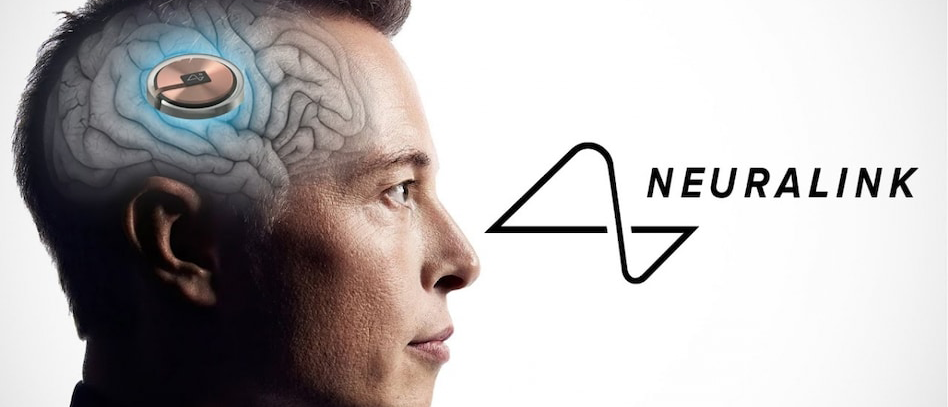
Recently, Elon Musk’s biographer published a lengthy article detailing the latest developments at Neuralink. Starting next year, Neuralink will begin implanting brain-computer interfaces in humans.
In 2024, 11 implantation surgeries are planned, while by 2030, this number is projected to increase 2,000-fold, with brain-computer interfaces slated for implantation in over 22,000 individuals.
Over the past three years, the author has made ten visits to Neuralink’s Silicon Valley factory and its Austin laboratory for interviews and tours, witnessing the continuous growth of Neuralink’s business.
Under the relentless pressure from Elon Musk, the “master of time management,” the team has made significant strides in both technology and ambition. The preparation for human trials has been extremely stressful, even to a degree that Musk himself had never experienced before.
After all, it took Tesla years to mass-produce cars, and SpaceX’s first three rockets all exploded.
However, Shivon Zilis, Neuralink’s Special Projects Director, stated: “Our first three rockets cannot explode. Such incidents cannot happen here.”
Neuralink’s Human Surgery: Removing a Large Section of the Patient’s Skull to Allow a Large Robot to Implant a Series of Electrodes and Ultra-Fine Wires into the Brain
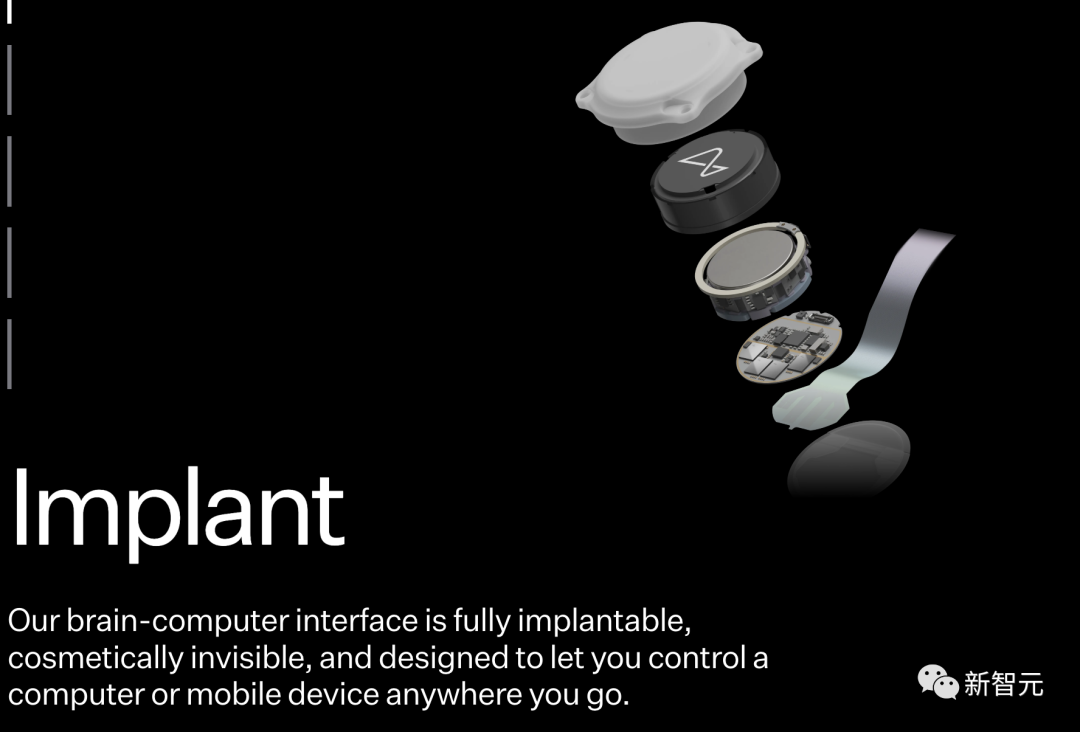
Once the robot completes the procedure, the missing section of the skull will be replaced by a brain-computer interface the size of a quarter coin, which will remain in place for several years.
Its task is to read and analyze human brain activity, then wirelessly transmit the information to a nearby laptop or tablet.
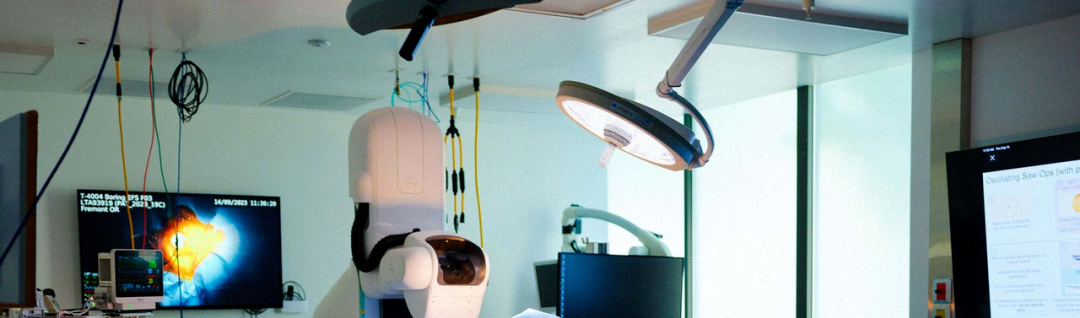
Neuralink’s goal is to demonstrate that the device can safely collect useful data from this region of a patient’s brain, a key step in translating human thoughts into a series of instructions comprehensible to computers.
Subsequently, Neuralink aims to transform humans into human-machine hybrids through brain-computer interfaces, thereby achieving a state of symbiosis between humans and artificial intelligence in the future.
At an internal Neuralink meeting in late last year, Elon Musk instructed staff to significantly accelerate their work pace, citing the need to ensure that hybrid human-brain implants remain competitive against the theoretically imminent emergence of superintelligent artificial intelligence; otherwise, human survival could be at risk.
“We need to get there before artificial intelligence takes over humanity,” Musk said.
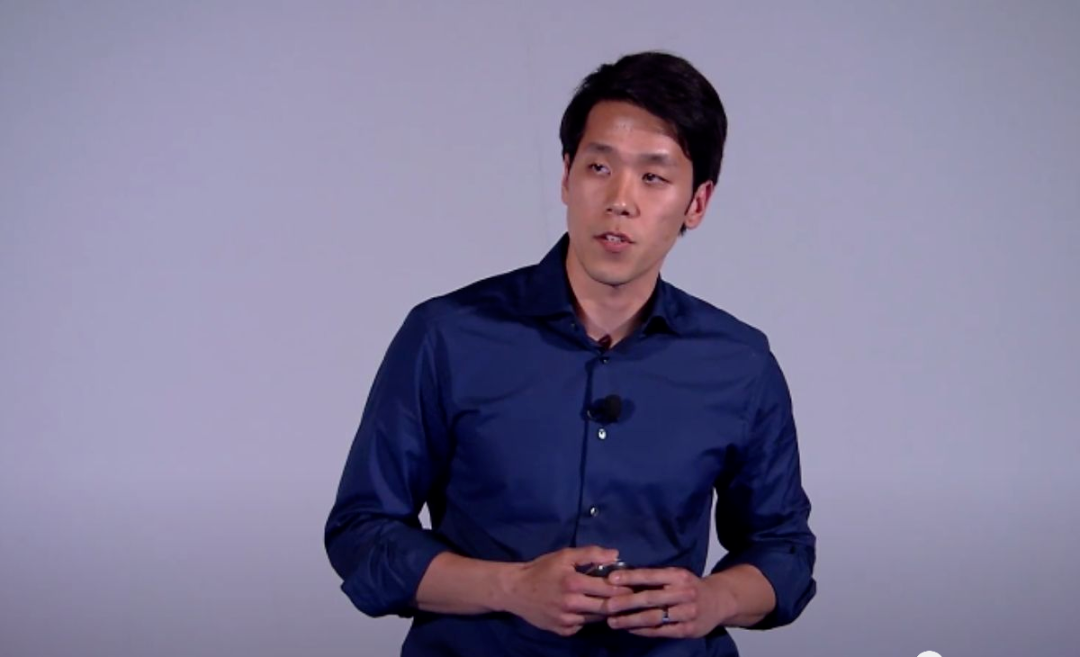
DJ Seo, Co-founder and Vice President of Engineering at Neuralink, also stated, “In fact, the long-term goal is to make brain-computer interfaces accessible to billions of people, unlocking human potential and transcending the limitations of our biological capabilities.”
From Concept to Human Trials: A 35-Year Journey
The History of Modern Brain Implants Began with Technological Breakthroughs in the 1990s.
The scientific principle is actually not complex: thoughts cause neurons to fire signals in specific patterns, and these patterns exhibit a certain degree of consistency within the brain.
When a person thinks about moving their arm and fingers, roughly the same neurons respond, regardless of whether they can actually move them.
When people intend to move the mouse cursor to click on a specific location on the computer screen, the brain also lights up in a similar and consistent manner.
The same applies to speech: if you can imagine speaking a letter or word, you will cause neurons to react in the same way as when actually speaking that letter or word.
Even if you are unable to speak, a trained brain-computer interface can discern your intentions and, in theory, speak on your behalf.
The real challenge lies in identifying the correspondence between neuronal activity and every entry in the human lexicon, which requires collecting and analyzing extensive data on brain signal patterns from numerous individuals.
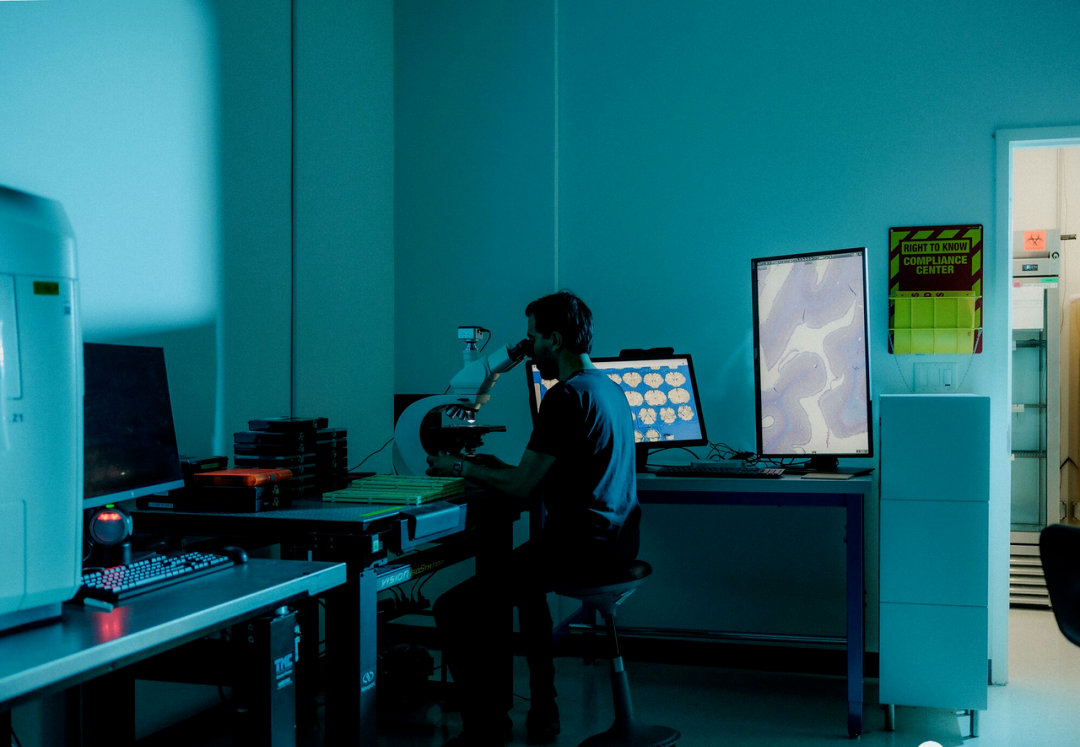
To obtain the clearest signals, the sensors must be placed as close to the neurons as possible.
In 2016, Musk co-founded Neuralink with seven scientists, personally contributing $100 million as startup capital. Since then, Neuralink has raised over $500 million in funding, including a $280 million round secured this year.
This has also drawn investors’ attention to other brain-computer interface (BCI) projects, including long-standing university initiatives and newer startups. According to PitchBook data, 37 BCI companies raised more than $560 million in funding last year.
Most of these companies share the same primary goal: to develop a brain-scanning device that can operate outside the laboratory. The ideal implantable device would possess robust computational capabilities, enabling it to record and input large volumes of data, while also transmitting data via powerful wireless signals.
All of this must be accomplished while consuming minimal battery power and maintaining low operating temperatures to avoid irritating or harming the patient. In addition to hardware, brain-computer interface companies must also master AI technologies capable of deciphering the correlation between neural signals and actual intent.
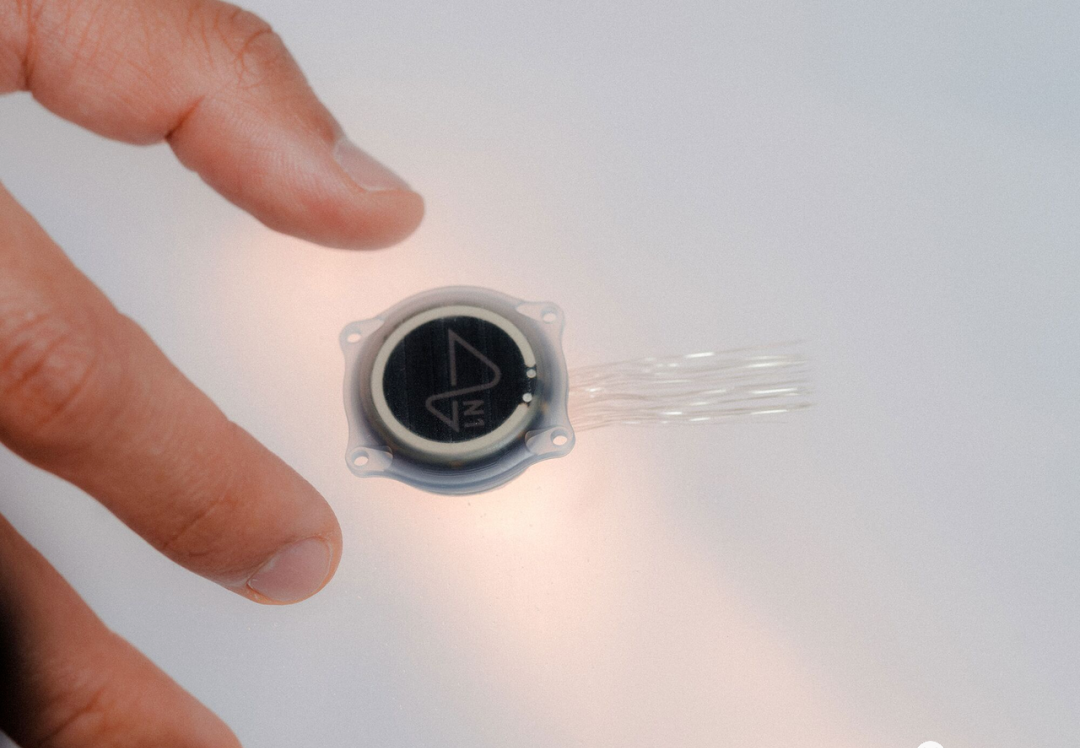
Neuralink’s implant is situated beneath the scalp, flush with the skull. It possesses sufficient computational power to process a wide range of operations far beyond thinking and clicking a mouse.
In the near future, this generation of brain-computer interfaces will enable high-speed typing and seamless cursor control.
Neuralink is also developing a complementary spinal implant designed to restore motor and sensory function in patients with paralysis.
“The company’s short-term goal is to develop a general-purpose brain-computer interface and restore autonomy in patients with neurological disorders that hospitals cannot effectively treat.”
“Neuralink co-founder and Vice President of Engineering DJ Seo said, ‘Then, in fact, the long-term goal is to make it accessible to billions of people, unlocking human potential and transcending the limits of our biological capabilities.’”
Although Neuralink’s progress is not the fastest within the industry, its foundational technology comes closest to realizing a general-purpose computer in the brain.
The implant features over 1,000 electrodes for collecting brain data. Neuralink hardware is a nested system comprising processing, communication, and charging subsystems, and also includes a battery and signal amplification devices.
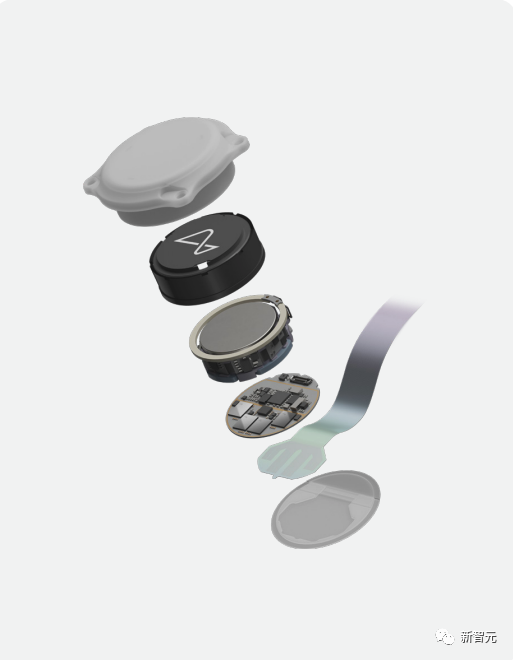
Meanwhile, competitors must still connect their implants via wires to bulky battery and amplifier units the size of pacemakers, which are typically surgically implanted in the patient’s chest.
Neuralink's battery can last for several hours and can be wirelessly charged within a few hours using a custom-designed baseball cap.
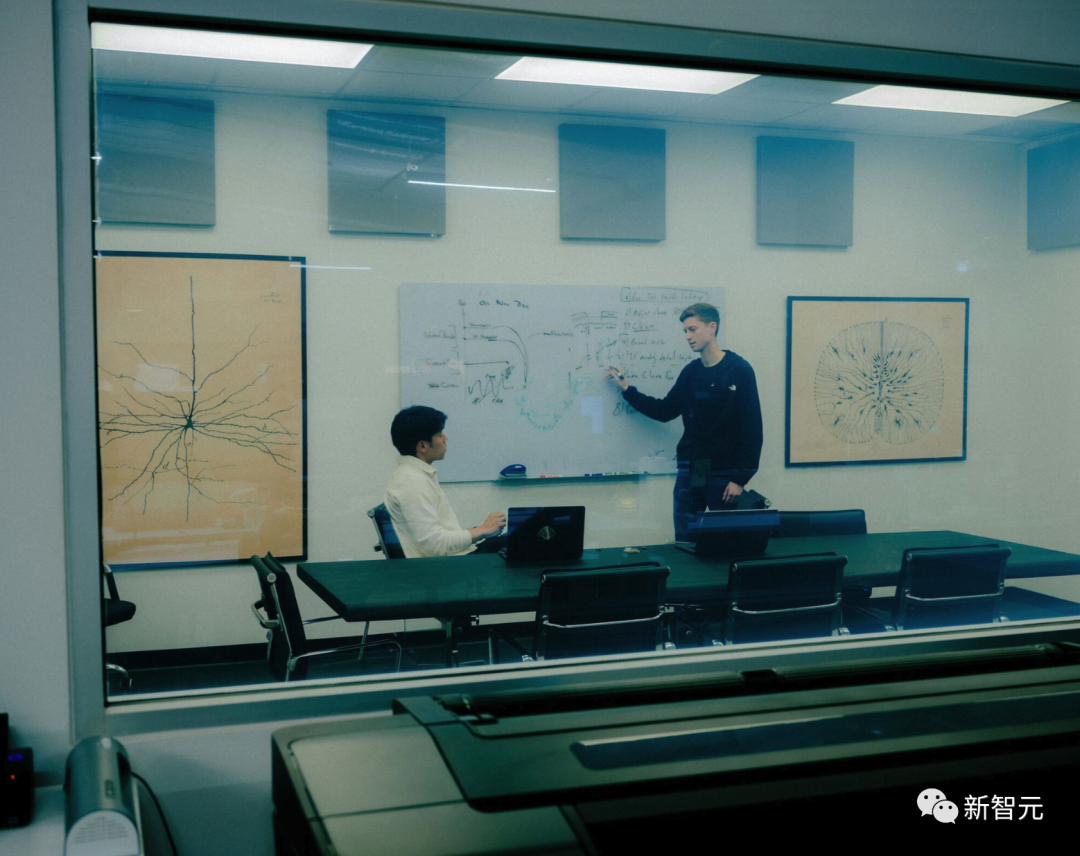
Time is running out; we must succeed before AI takes over humanity.
Seo and Musk are the founders who are still working at Neuralink.
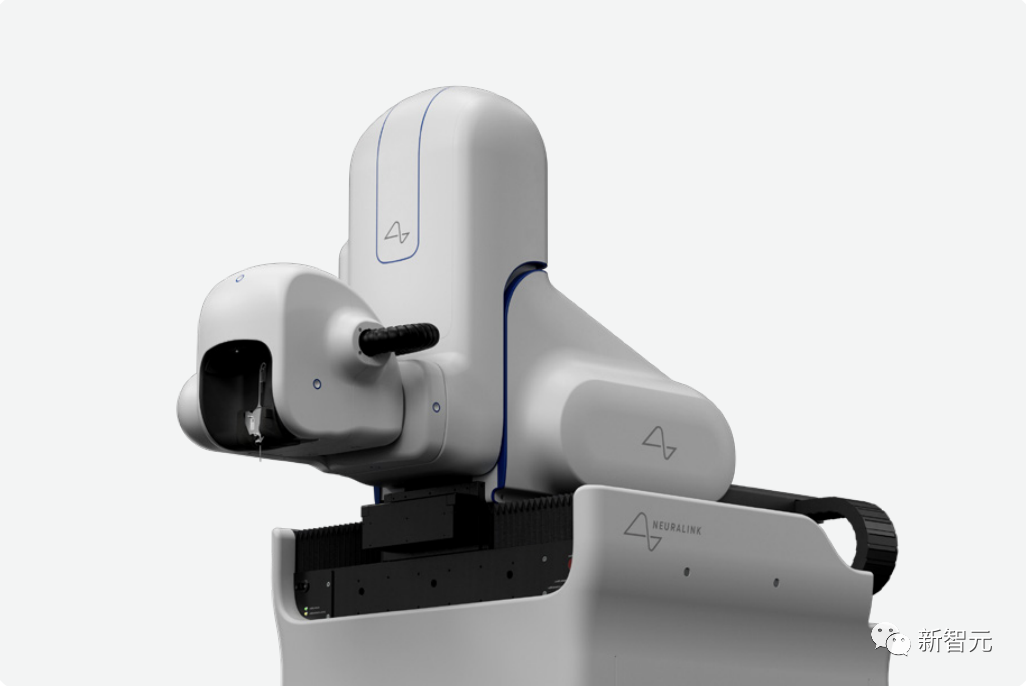
Seo is responsible for the development of implants and surgical robots.
Jeremy Barenholtz, a computer scientist who graduated from Stanford University just two years ago, has become one of the company’s key executives, overseeing the arduous approval process of the U.S. Food and Drug Administration.

Musk convened senior executives and engineers to brief him on the latest progress in human clinical trials. The team gathered around an IKEA-style rectangular table in the main workspace of the office. It was a large, open-plan space filled with computers, robotic prototypes, and testing equipment.
Musk, dressed in a black suit and holding a Red Bull, stood before the table and began inquiring about his competitors.
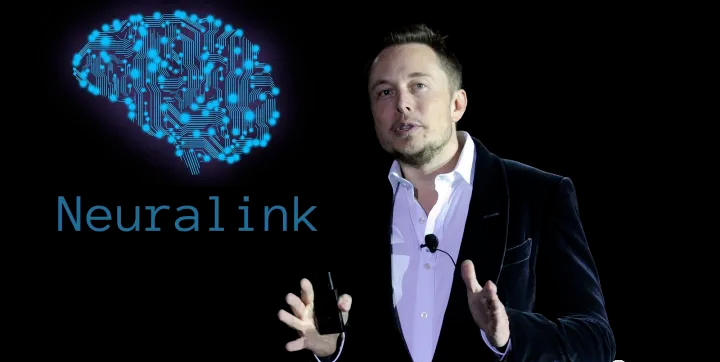
As employees presented the latest updates, he posed several technical questions to them. He paid particular attention to Synchron, a company that has received regulatory approval to commence human trials.
Musk urged Seo and other engineers to accelerate progress. He hopes that robots can complete surgeries in a shorter time, preferably without the assistance of human surgeons.
He hopes chip experts will forget what they learned in school and try simpler manufacturing techniques. He wants the implants to look smoother and last longer.
Musk engaged in a type of pattern matching for which he is particularly well-suited, anticipating how a series of design adjustments would impact mass production on the assembly line.
His “been-there-done-that” attitude seemed to convince employees that he was right—that he had a comprehensive master plan and knew they could execute it as scheduled.
Elon Musk’s management style has its merits. He has built the world’s most successful rocket company and the most valuable automobile company. Of course, many people are also aware that these companies were often in chaos during their early stages.
Barenholtz told Musk that the FDA wanted to wait at least one year after the company completed its first surgery before attempting to implant devices in more people.
But Musk stated, “If this device works well, all it takes is a letter to the FDA, and I guarantee they will approve the next step.”
It turns out that Musk’s judgment regarding the FDA was correct.
Neuralink has received enthusiastic interest from thousands of potential patients. The agency recently gave it the green light to conduct more implant trials in 2024 without undergoing a year-long evaluation period.
A few months later, Musk turned his attention more toward Onward, a company whose spinal implants adhere closely to the spine and deliver electrical pulses to help restore muscle function, enabling paralyzed patients to walk again.
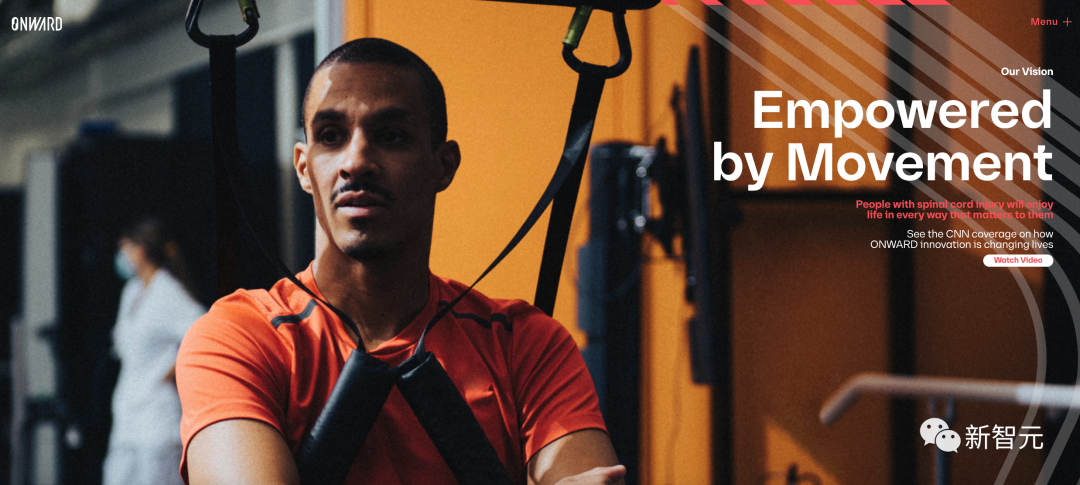
Neuralink has also begun developing its own spinal implants, pairing them with brain implants.
While listening to a report on advances in spinal technology, Musk, despite lacking formal medical training, was able to keep up with the discussion and offer suggestions.
His ideas sometimes deviate significantly from reality, yet they often hit the nail on the head.
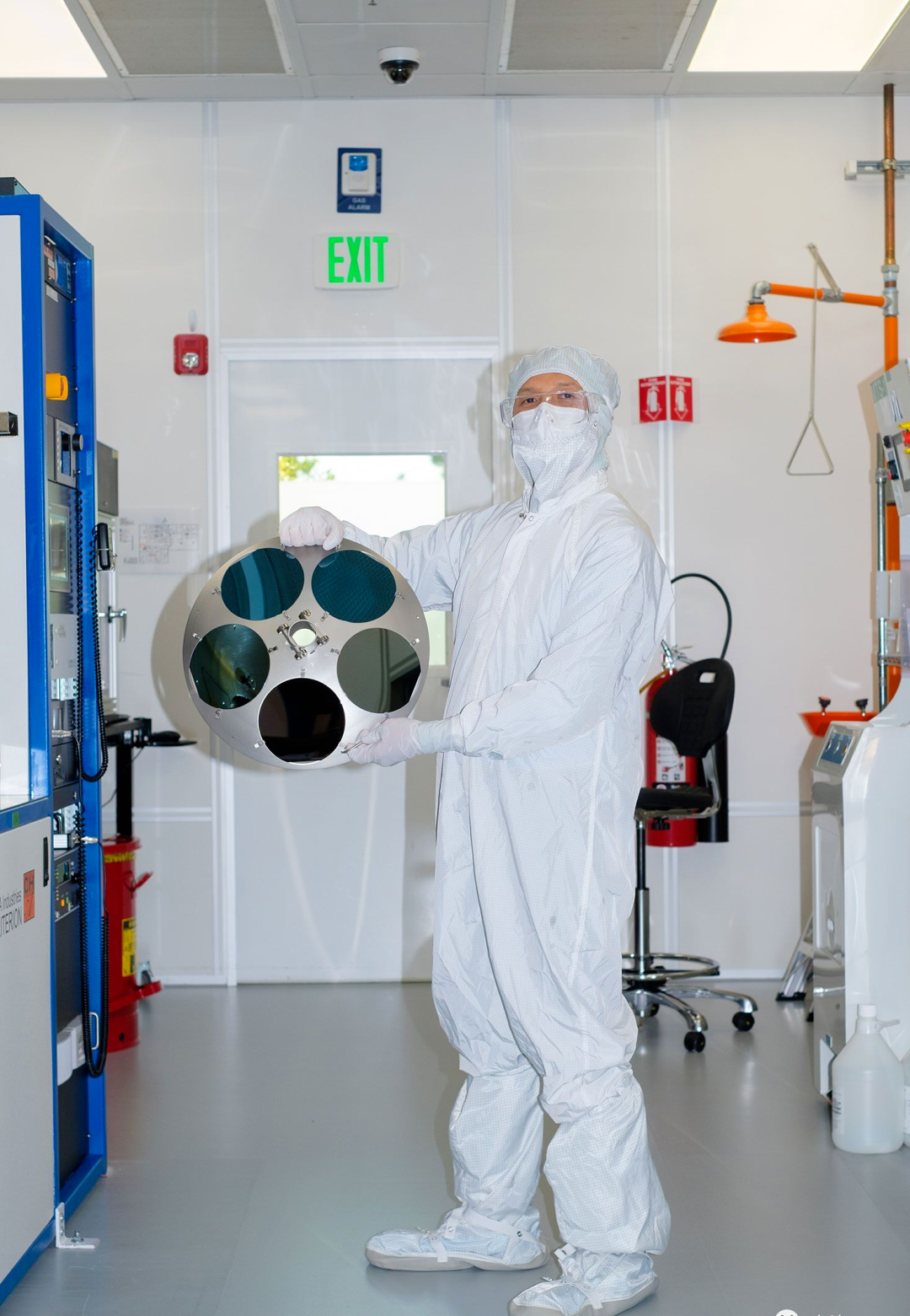
According to Zack Tedoff, head of brain interfaces at the chip division, semiconductor engineers once retooled the process for bonding wires to the company’s chips based on Elon Musk’s suggestions, boosting production speed by 50% and improving yield rates.
The team researching spinal implants returned to the drawing board to refine their technology, enabling their pigs to walk in a more natural manner.
And Zack Tedoff more or less began living in the office to meet every one of Musk’s demands.
It is estimated that the cost of each implantation surgery is approximately $10,500, including examinations, components, and labor fees, and about $40,000 will be charged to insurance companies.
The company projects that its annual revenue will reach $100 million within five years. Neuralink stated that it plans to perform 11 surgeries in 2024, 27 in 2025, and 79 in 2026. Subsequently, according to documents provided to investors, the number of surgeries will increase from 499 in 2027 to 22,204 in 2030.
Musk stated that staff need to significantly improve their work efficiency to ensure that human-implanted hybrid brains remain competitive with theoretical super artificial intelligence; otherwise, artificial superintelligence could exterminate humanity.
"We need to achieve our goals before artificial intelligence replaces humans."
"Sacrifices" in the Laboratory
Testing medical devices on animals is not a pleasant endeavor. To some extent, this practice constitutes an animal sacrifice on the altar of science, inflicting suffering on animals in the hope of alleviating human suffering.
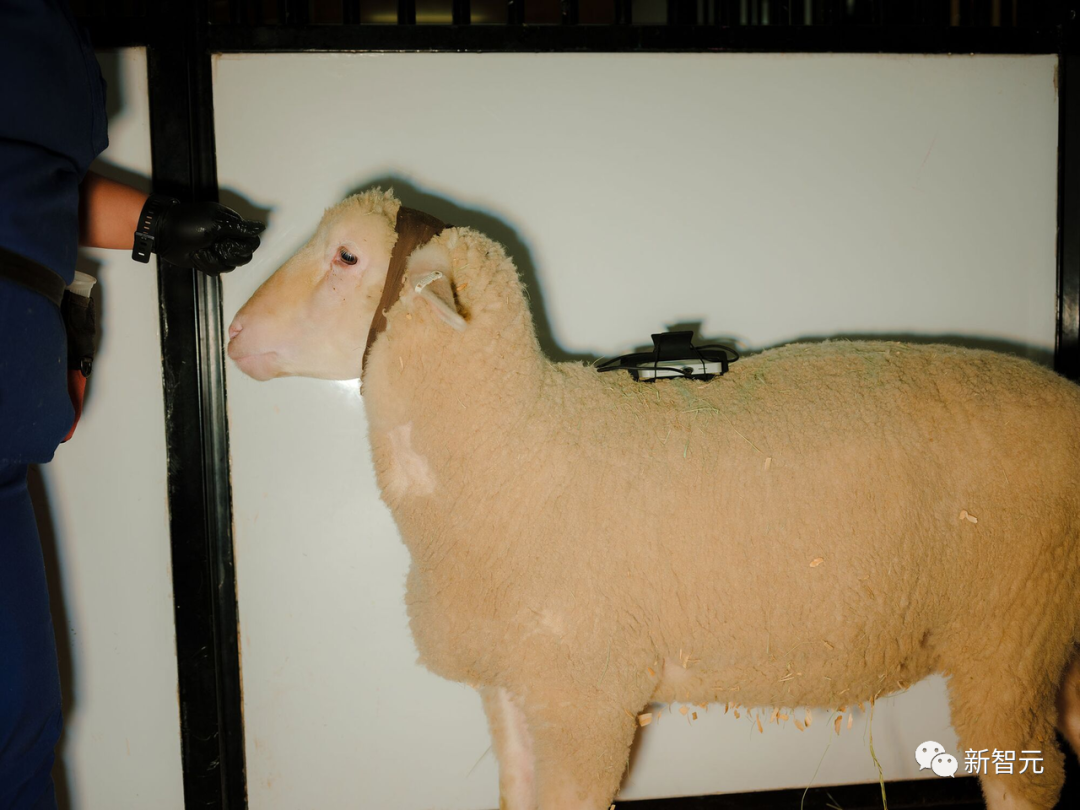
However, Neuralink Corp has faced particular scrutiny over its treatment of animal test subjects.
This year, multiple media outlets have published detailed reports on surgical complications, behavioral side effects, and long-term suffering, particularly among laboratory primates.
The report stated that some monkeys implanted with neural devices scratched their heads until they bled, or exhibited signs of despair or distress, ultimately leading to their euthanasia.
Neuralink Acknowledges Errors During Exploratory Surgery, Attributing Them to Human Error Rather Than Device Issues
and emphasized that those reports reflected past conditions, prior to the establishment of its own laboratory in Fremont, and that every effort had been made to provide better living conditions for the animals there.
Autumn Sorrells, who is responsible for managing Neuralink’s non-human subjects, said, “I will always find ways to protect the animals in front of me. We are called ‘killers’ and ‘animal abusers,’ and then we have to come to work, cuddle up with the sheep, and ensure they have a wonderful day. It’s so hard.”

She said that Neuralink’s animals have larger cages, more food and enrichment options, and far more social interaction than she observed in other laboratories.
The reporter observed that the same group of macaques has been residing in Fremont for three years. Each of them has different devices implanted in their brains. These devices are removable, and several of the monkeys have already been upgraded to newer models.
Seventeen monkeys remain active and healthy, providing brain data to Neuralink on-site; three were retired and sent to a sanctuary; and one was euthanized during the planned terminal surgery.
The spacious playroom is filled with toys, artificial trees, and amusement facilities. Music is frequently played throughout the facility, and televisions are ubiquitous, mostly broadcasting nature programs.
The primary role of the monkeys is to demonstrate that both the devices and surgical robots function as intended. When inclined, they also contribute to the company’s brain-computer interface efforts by playing computer games.
Neuralink has a room where monkeys sit in front of computers, staring at laptop screens outside their cages. They can choose games that involve using joysticks and touchscreens, or opt for games controlled solely by brain signals to perform clicks.
For example, in such a game, a 35 x 35 grid appears on the screen, and one square suddenly lights up. The monkey’s goal is to move the cursor to the illuminated square through cognitive processing. Over time, the monkey completes the task with increasing speed.
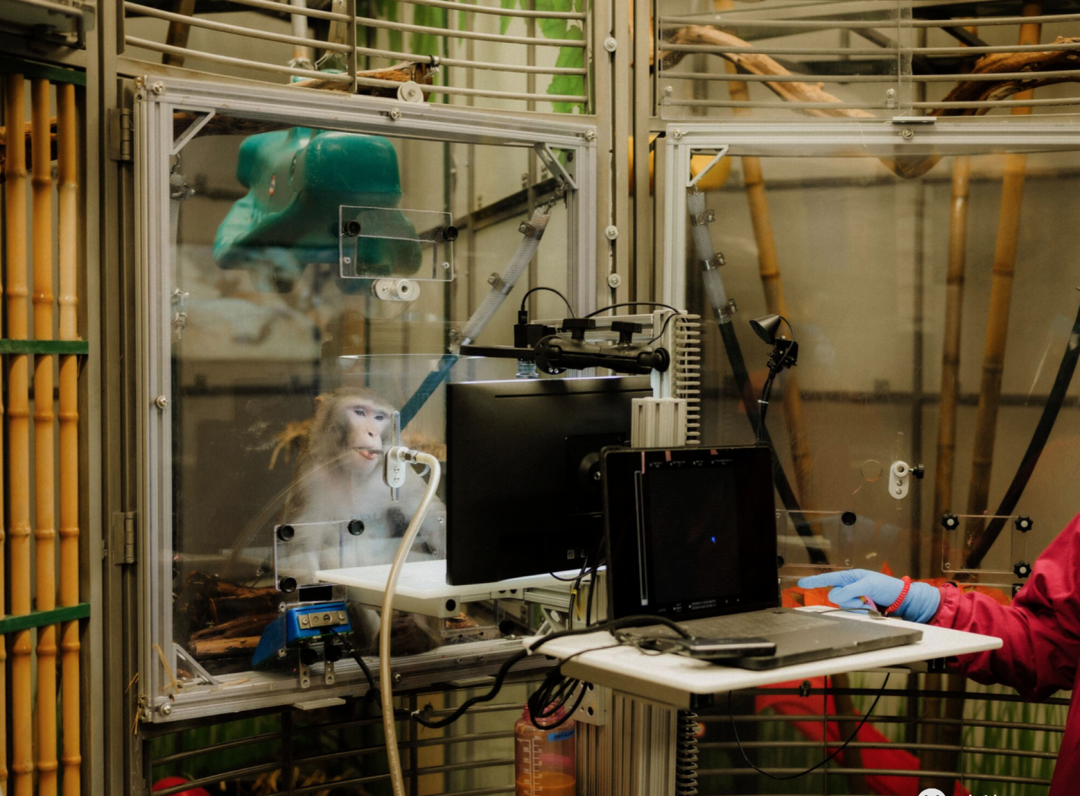
Neuralink Corp’s monkeys work while enjoying fruits and smoothies, stopping whenever they wish. “As soon as they leave what we call the ‘consent zone,’ it means they have completed their task, and we need to step back.”
The company began relocating its animal testing and most of its operations from California to Texas, constructing a larger campus on a 37-acre ranch on the outskirts of Austin.
The campus features a surgical facility with multiple operating rooms, a barn, a pathology building, and a sci-fi-themed staff bar.
Neuralink stated that it plans to build an indoor and outdoor facility for primates. Currently, dozens of sheep and pigs are housed there.
These pigs all carry small backpacks containing batteries that power a patch on top of their heads to keep the implants charged. There are also buttons in the animals’ enclosures, which they can press with their snouts to request food or to go for a walk outside the barn.
There is a long way to go from nasal buttons to 22,000 human implants. Just like rocket malfunctions, surgical errors or chemical leaks from implants into the brain would expose the company to significant risks.
Beyond basic safety, the device must also deliver on its promises. Humans will be able to demonstrate to the world information about the implants that monkeys cannot reveal, including where the technological limits lie.
Future implants may have 128 or more electrode leads. The next version of Neuralink’s custom chip is expected to extend battery life to 11 hours.
Seo said, “Our goal is to achieve all-day battery life, at which point patients will be able to charge the implant overnight via a charging pad embedded in their pillow.”
Although the goals Neuralink aims to achieve are extremely challenging, and although this may be yet another of Musk’s boasts, if successful, it will indeed significantly improve the lives of many people.
—— End ——
Source: New Zhiyuan
For academic sharing only. If there is any infringement, please leave a message, and it will be deleted immediately!

Join the Community
Welcome to the Brain-Computer Interface Community Exchange Group,
Exploring Topics in the Field of Brain-Computer Interfaces: Real-Time Tracking of Frontiers in Brain-Computer Interfaces.
Join WeChat Group:
Add WeChat: RoseBrain [Note: Name + Industry/Profession].
Join QQ Group: 913607986
Submissions Welcome
1. Submissions are welcome. For submission inquiries, please contact us on WeChat: RoseBrain
2. To join the community as a part-time creator, please contact us on WeChat: RoseBrain