Neuralink Files Prospectus for Groundbreaking Visual Cortex Chip to Restore Sight in the Blind

Neuralink
Brain-Computer Interface System Developer

Admitted Personally! Musk's Neuralink Is Developing a Chip.
“To be released ‘within a few years,’ using brain-computer interfaces to address blindness.”
In a reply to a netizen, Musk revealed for the first time new progress on the visual chip.
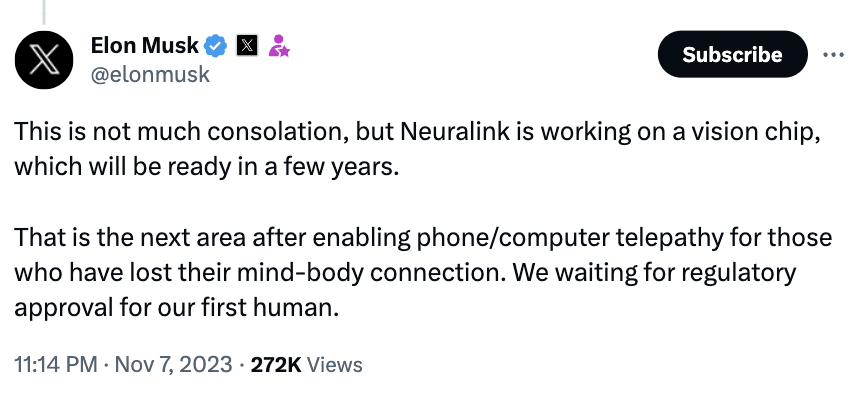
and stated: “We are awaiting regulatory approval for our first human clinical trial.”
Not long ago, Neuralink received approval for clinical trials and began recruiting patients with quadriplegia; reportedly, thousands of people are waiting in line to participate.
Following this announcement, many netizens expressed anticipation in the comments section, with some even starting to line up...
I may be the first.

# Treating Blindness with Brain-Computer Interfaces
The incident began when a netizen sought help on X, stating that his 14-year-old eldest son suffers from the rare eye disease CRB1 retinal dystrophy, and it has been difficult to find other families in similar situations or professionals to turn to for assistance.
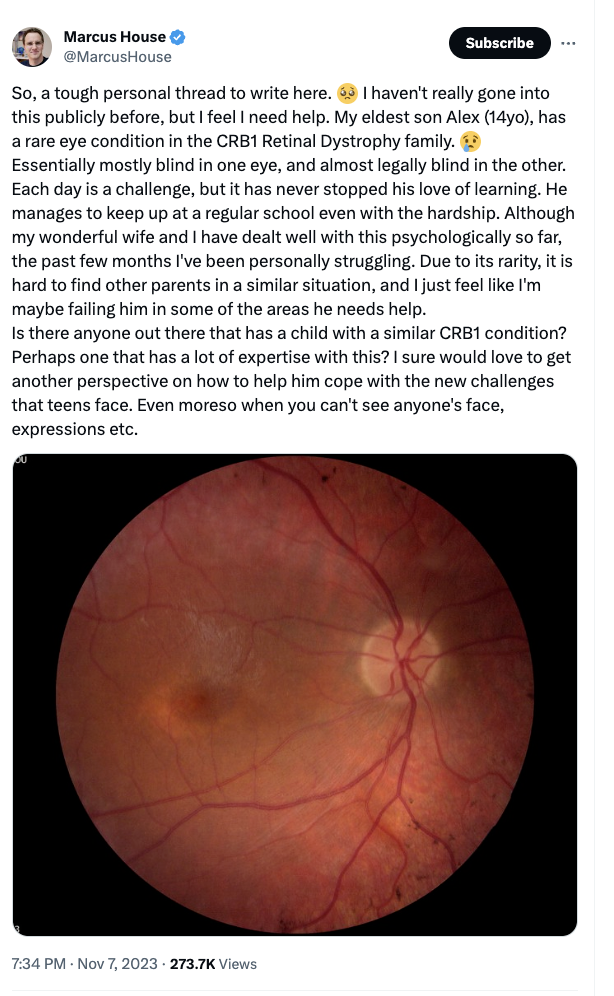
This post caught Musk's attention.
This is hardly comforting. However, Neuralink is developing a visual chip that could be available within a few years.
This is another area Neuralink has ventured into, following its development of treatments for patients with quadriplegia.
This netizen expressed gratitude: "I have been closely following Neuralink. It would be truly wonderful if it could ultimately achieve visual acuity exceeding 1.0."
Super Human abilities will rock!
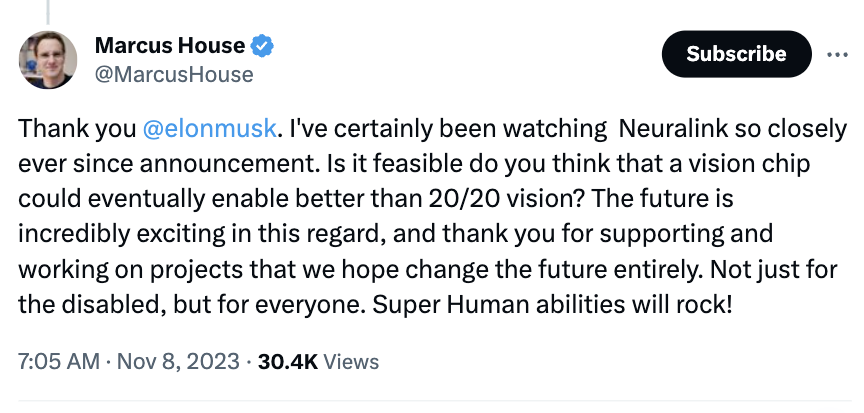
Other netizens expressed great anticipation, stating that it would represent a fundamental breakthrough on multiple levels.


# Neuralink: 11 Surgeries Next Year
Elon Musk previously revealed that Neuralink ultimately aims to create a device capable of establishing a symbiotic relationship between humans and machines—
People use only their minds to send messages or play games.
Individuals with neurological disorders are their primary target population for assistance.
At the “Show & Tell” event last December, Musk revealed that they would focus on applications in two areas:
Restore limb function in paralyzed individuals;
Restoring Vision to the Blind.
The former has been proceeding in an orderly manner. In May this year, Neuralink received approval to conduct human clinical trials, began recruiting volunteer subjects in September, and launched the PRIME study.

As of now, according to Bloomberg, Neuralink has not yet implanted its device in humans, but thousands are queuing up for it.
Next year, they plan to perform surgeries on 11 patients, with the number of surgical cases projected to reach 22,000 by 2030. According to the previously outlined approach, the procedure involves drilling a hole in the human skull and implanting a coin-sized chip.
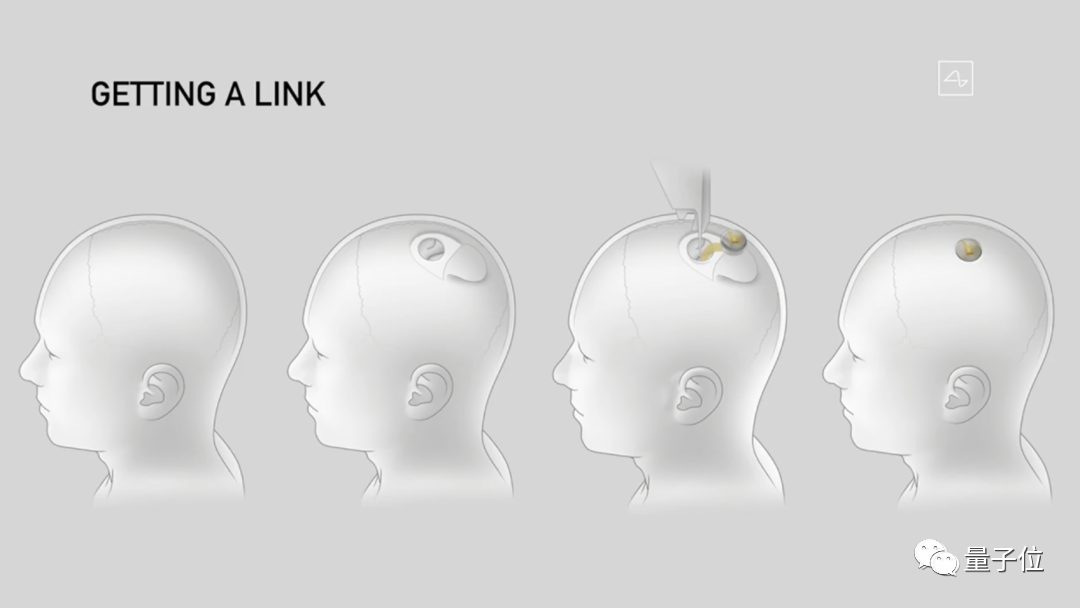
So, are you excited about this visual chip?
—— End ——
Source: QbitAI
For academic sharing only. If there is any infringement, please leave a message and it will be deleted immediately!

Join the Community
Welcome to the Brain-Computer Interface Community Exchange Group,
Exploring Topics in the Field of Brain-Computer Interfaces: Real-Time Tracking of Frontiers in Brain-Computer Interfaces
Join the WeChat group:
Add WeChat: RoseBrain [Note: Name + Industry/Profession].
Add QQ Group: 913607986
Submissions Welcome
1. Submissions are welcome. For submission inquiries, please contact us on WeChat: RoseBrain
2. To join the community as a part-time creator, please contact WeChat: RoseBrain