Neuralink's First-in-Human 'Mind-Reading' Implant: Scientific Hopes, Ethical Concerns, and Technological Innovation

Neuralink
Brain-Computer Interface System Developer

Neuralink, founded by Elon Musk, aims to transform our understanding of brain-computer interfaces, turning science fiction into reality. In an announcement released on January 29, Musk declared that Neuralink had successfully implanted its “mind-reading” device into a human for the first time.
Brain-Computer Interface (BCI) serves as a bridge connecting the brain to external devices. This technology can capture and decode brain activity, enabling individuals who have lost mobility due to severe paralysis to control computers, robotic arms, wheelchairs, and other devices solely through their thoughts. In addition to Neuralink, other research teams are also racing to develop similar technologies, with some even having entered the human clinical trial phase.
Neurotechnology researchers have adopted a stance of both caution and excitement toward Neuralink’s recent human clinical trial. Mariska Vansteensel, a neuroscientist at the University Medical Center Utrecht in the Netherlands and President of the International Brain-Computer Interface Society, stated, “I look forward to seeing them demonstrate the safety of the technology. From current perspectives, this technology performs excellently in measuring brain signals, at least in the short term. However, its long-term effects remain a critical question.”
However, public knowledge of this trial remains quite limited. Apart from Musk’s posts, there is no external verification that the trial has actually begun. Moreover, detailed information about the trial primarily stems from a study protocol used for recruiting participants. In response, Tim Denison, a neural engineer at the University of Oxford, stated, “We need to know more details, such as where the implantation surgery is performed and what specific outcomes the trial will assess.”

What is even more puzzling is that this trial was not registered on the ClinicalTrials.gov website. Managed by the U.S. National Institutes of Health, this public repository of scientific research information requires researchers to disclose trial details and protocols before recruiting participants. Many medical journals also make such registration a prerequisite for publishing research findings, in order to protect the rights and welfare of clinical trial participants. However, Neuralink, headquartered in Fremont, California, did not respond to requests for comment on why it failed to register this trial on the website.
Nature magazine also conducted a comparative analysis of Neuralink’s implant and other brain-computer interface technologies. The article pointed out that this trial is not only about technological advancement but may also raise ethical and privacy concerns.
How Does Neuralink’s Chip Differ from Other BCIs?
Like Blackrock Neurotech in Salt Lake City, Utah, Neuralink targets the activity of individual neurons by recording via electrodes that penetrate the brain. In contrast, other companies tend to place electrodes on the brain’s surface, interpreting brain activity by recording the average signals from neuronal populations.
However, recent studies have shown that more complex cognitive processes, such as inner speech, may be decoded through averaged signals. Synchron, a company based in New York, has successfully demonstrated how low-bandwidth surface brain-computer interfaces (BCIs) can achieve basic smartphone control.
Neuralink’s innovation lies in its fully implantable wireless system, a first in the field of brain-computer interfaces. Previous implantable systems required physical connections to computers via ports through the skull, which not only increased the risk of infection but also limited practical applications.
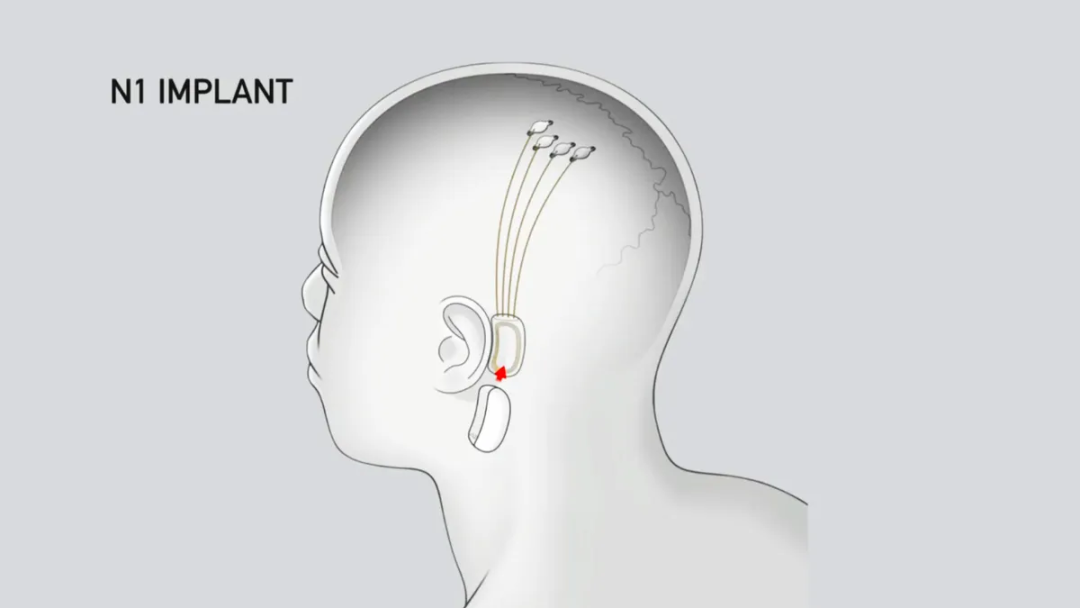
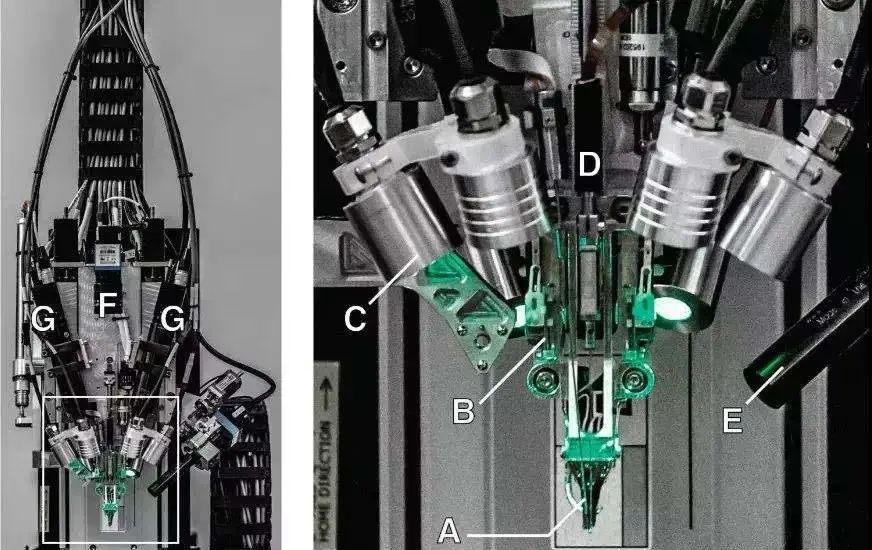
According to Neuralink’s research manual, its chip contains 64 flexible polymer threads, providing 1,024 sites for recording brain activity. This number far exceeds that of Blackrock Neurotech’s brain-computer interface (BCI) device, which is currently the only single-neuron recording system implanted in humans for long-term use. Therefore, the Neuralink device is expected to significantly increase the bandwidth of brain-computer communication. Furthermore, Neuralink has particularly emphasized the flexibility of its threads and stated that it is developing a robot to implant these threads into the brain.
Tim Denison, a neural engineer at the University of Oxford in the United Kingdom, expressed approval, stating, “The various approaches are all exciting.” However, he also emphasized that the key question now is which method performs best in terms of safety, signal quality, durability, and user experience. He said, “For the benefit of patients, we need to conduct sustained technological exploration.”
What Will Scientists Learn from Neuralink’s Human Trials?
Although Neuralink has not disclosed many specific details regarding the trial objectives, experts speculate that the primary focus will be on the safety of the device. Dennison pointed out that at this stage, scientists will closely monitor the direct effects of the implanted device, such as whether issues like stroke, bleeding, or vascular injury occur, while also not overlooking the possibility of infection. Long-term follow-up will be critical for assessment to ensure that the implanted device does not trigger any potential safety concerns.
Neuralink’s research manual states that volunteers will be followed for five years. This period is not only used to assess the functionality of the device, but also requires volunteers to use the device at least twice a week to control a computer and provide feedback on their experience.
Mariska Vansteensel, a neuroscientist at the University Medical Center Utrecht in the Netherlands and President of the International Brain-Computer Interface Society, focuses on the stability of neural signal quality. She stated that it is crucial to determine whether the quality of neuronal signals declines over time after implantation. After all, replacing electrodes is not easy with current technology, making the long-term maintenance of signal quality critical to the effectiveness of the device.
Denison was curious about the performance of Neuralink’s wireless system. How does such a wireless system perform in a non-laboratory environment?
What Concerns Do Scientists Have About Neuralink's BCI?
Neuralink’s human clinical trials have commenced, making the safety and well-being of volunteers the primary concern. Although the U.S. Food and Drug Administration (FDA) had previously rejected Neuralink’s application, it has since approved this trial. However, some researchers have expressed concerns over the trial’s failure to register on ClinicalTrials.gov, sparking public scrutiny regarding transparency and ethical considerations.
Denison expressed concern, stating, “My assumption is that the FDA and Neuralink are complying with regulations to some extent. However, the key issue is that we have not seen the specific protocols, so we cannot ascertain the exact details and standards of the trial.”
For patients who hope that BCI technology will improve their lives, openness and transparency of information are particularly important. Ian Burkhart, co-founder of the BCI Pioneer Alliance in Columbus, Ohio, was paralyzed after a diving accident and had a Blackrock chip implanted in his brain.
Burkhart expressed excitement over Neuralink’s achievements but also emphasized the importance of information disclosure. He stated, “If Neuralink were to release more details about its clinical trials, its work would be better understood and supported. This is particularly important for patients who are eagerly hoping this technology will improve their lives; they have the right to know more details.”
—— End ——
Source: NetEase Technology
For academic sharing only. If there is any infringement, please leave a message, and the infringing content will be deleted immediately!

Join Community
Welcome to the Brain-Computer Interface Community Group Chat,
Exploring Topics in the Field of Brain-Computer Interfaces: Real-Time Tracking of Frontiers in Brain-Computer Interfaces
Join WeChat Group:
Add WeChat: RoseBrain [Note: Name + Industry/Profession].
Add QQ Group: 913607986
Call for Papers
1. Submissions welcome. For submission inquiries, please contact us via WeChat: RoseBrain
2. To join the community as a part-time creator, please contact WeChat: RoseBrain