

Elon Musk Officially Announces First Human Implantation of Neuralink's Brain-Computer Interface Chip

Neuralink
Brain-Computer Interface System Developer
▎ Edited by the WuXi AppTec Content Team
Recently, Mr. Elon Musk, founder of Neuralink, announced on the social media platform X that,The company has implanted a brain-computer interface chip into a human brain for the first time. The participant is recovering well, and preliminary results indicate that the implanted chip can detect electrical signals released by neurons in the brain.Mr. Musk also posted,This brain-computer interface product will enable users to control smartphones or computers with their thoughts.

In 2022, at Neuralink's launch event, Mr. Musk showcased a monkey capable of typing via thought control.A tiny brain-computer interface chip, embedded with electrodes and sensors, was implanted into the monkey’s brain. By interpreting the monkey’s brainwaves, the chip converts electrical signals into computer commands, enabling the monkey to select English letters displayed on a screen through thought alone, thereby completing typing tasks.
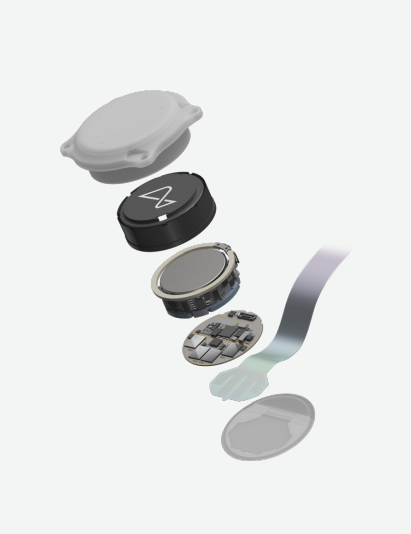
Image source: Reference [3]
Last May, Neuralink received FDA approval.Initiate Human Clinical Trials, evaluating the ability of its wireless brain-computer interface, named N1, to help paralyzed patients control peripheral devices with their thoughts. This clinical trial, named PRIME, will simultaneously evaluate three of the company’s investigational products. It will utilize a robot named R1 to implant the N1 brain-computer interface into the region of the patient’s brain that controls motor intention. The N1 implant contains 64 threads thinner than a human hair, which collectively house 1,024 electrodes. It is capable of recording electrical activity in brain regions and wirelessly transmitting information to external devices. Combined with the brain-computer interface software named the N1 User App, paralyzed individuals are expected to use their thoughts to manipulate external devices, such as moving a computer cursor or operating a smartphone.
Mr. Musk also stated that the company’sThe ultimate goal is to restore sight to the blind and enable the paralyzed to walk again through brain-computer interfaces.These goals, which once sounded somewhat science-fictional, are no longer out of reach thanks to the continuous advancements in brain-computer interface technology. A study published last year in Nature described how a research team at ETH Zurich enabled paralyzed patients to useNatural Walking via Thoughtcases. Brain-computer interfaces have also enabled stroke patientsSpeaking with Your Mind, with a speed approaching that of natural conversation. This year, Nature magazine listed brain-computer interfaces as one of the technologies to watch in 2024.7 Major Technologiesone. We look forward to the continuous advancement of this technology benefiting more patients.

Trending Now






▲To learn more about the application of cutting-edge technologies in the biopharmaceutical industry, please long-press to scan the QR code above and access “WuXi Live” to watch live discussions and highlights on related topics.


Share,PointLike,Watching, Focusing on Global Biopharmaceutical and Health Innovation