

Severe Aortic Regurgitation Indication Product +1! Jiangsu Approves a TAVR Product

Kokai Life Sciences
Developer, Manufacturer, and Distributor in the Field of Structural Heart Disease

CAUSPER MEDICAL
Cardiac Valve Implantation System Technology Product R&D and Production Manufacturer

Jenscare
Developer of interventional treatment technology for heart valves
Peijia Medical
Developer of Cardiac and Cerebrovascular Interventional Medical Devices
In February, the transcatheter aortic valve system (Registration No. 20263130289) of Kokai (Nantong) Life Sciences Co., Ltd. ("Kokai Life Sciences" for short) received approval from the National Medical Products Administration as an innovative medical device product.
This product is suitable for patients who, after being assessed by a cardiac team in conjunction with a scoring system, are considered to have symptomatic, severe aortic valve insufficiency (severe aortic regurgitation), are not suitable candidates for conventional surgical valve replacement, and are aged 70 years or older.
Previously, transcatheter aortic valve replacement (TAVR) products for severe aortic regurgitation were mainly held by companies such as Suzhou Jiecheng Medical Technology Co., Ltd., Jenscare Scientific Co., Ltd., and Peijia Medical (Suzhou) Co., Ltd. As one of the few approved products, the approval and market launch of Kokai Life Sciences' PIONEER TAVR product has further enriched the range of available products on the market.
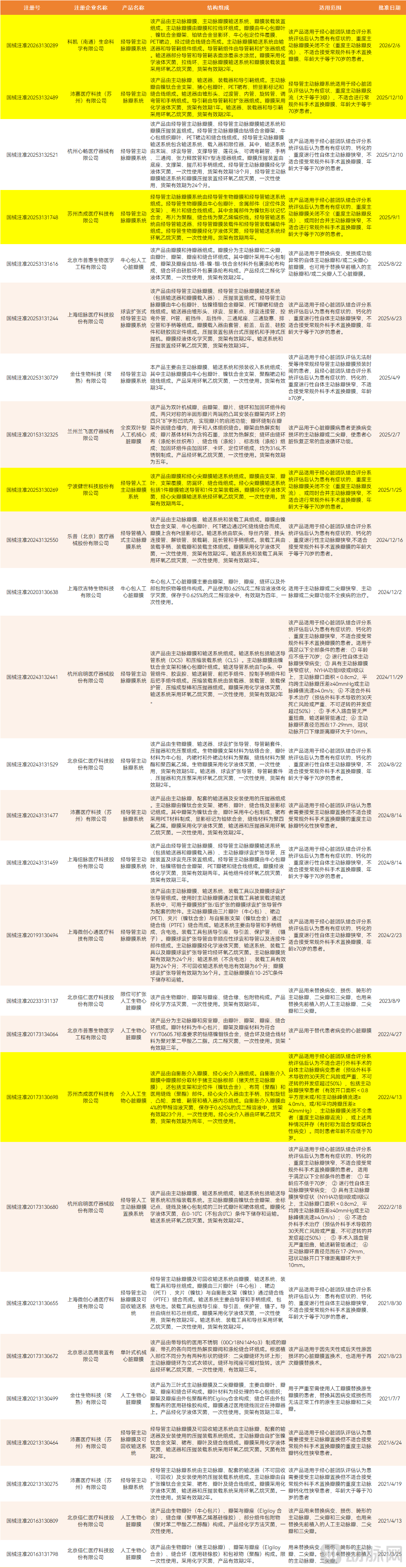
Aortic valve products approved for local enterprises; highlighted in yellow are products indicated for severe aortic regurgitation; compiled and charted by VCBeat; data source: National Medical Products Administration.
Valvular heart disease is a common cardiac condition both in China and internationally, primarily caused by rheumatic, degenerative, or infectious factors, leading to structural or functional changes in the aortic valve, mitral valve, tricuspid valve, and pulmonary valve. This results in abnormal hemodynamics of cardiac blood flow, ultimately causing heart failure.
With the acceleration of population aging, the issue of heart valve disease has become increasingly prominent, posing a serious threat to people's health and survival. Taking aortic valve disease as an example, research reports from Haitong Securities show that in 2021, the number of patients with aortic stenosis and aortic regurgitation in China reached 4.5 million and 4 million, respectively. By 2030, these figures are expected to increase to 5.2 million and 4.6 million, respectively. For treating aortic valve disease, artificial heart valves are primarily used:
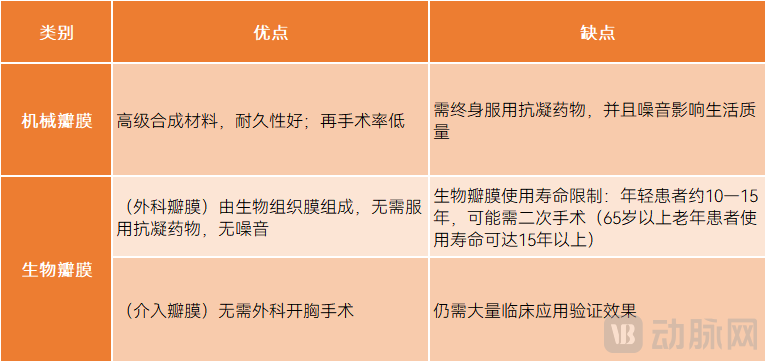
VCBeat
In traditional valve replacement surgery, it is necessary to perform open-heart valve replacement under general anesthesia and extracorporeal circulation support, which 30%-50% of patients with aortic valve disease cannot physically tolerate. TAVR, as a minimally invasive interventional treatment method, uses blood vessels or the cardiac apex as an access route to deliver a fully assembled artificial aortic valve through a catheter to the site of the diseased aortic valve for valve replacement. It has the advantages of low surgical risk and high tolerance in high-risk patients and is becoming the mainstream trend in heart valve disease replacement.
From the perspective of the TAVR technology pathway, it is currently divided into balloon-expandable valves and self-expanding valves. Among them, self-expanding valves deploy automatically as the delivery sheath retracts during release, with the working area located above the original valve annulus; whereas balloon-expandable valves are expanded within the annulus plane through balloon inflation during release. Self-expanding valves rely on the elasticity of nitinol stents for automatic expansion, featuring longer stents and a wider anatomical adaptability range, but with slightly weaker positioning accuracy and radial support; balloon-expandable valves achieve one-time shaping through balloon inflation, offering shorter stents, stronger radial support, more precise positioning, and lower rates of permanent pacemaker implantation, but with relatively weaker anatomical adaptability.
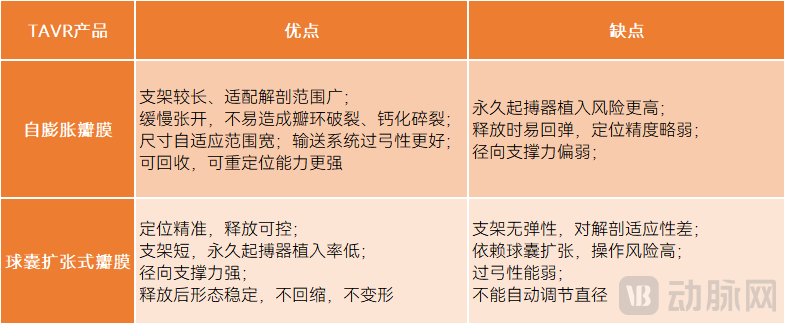
Compiled and charted by VCBeat
Kokai Life Sciences' PIONEER TAVR product, as a self-expanding valve, aims to address issues such as the precision of self-expanding valve positioning and the relatively high rate of permanent pacemaker implantation.
Kokai Life Sciences' PIONEER TAVR product consists of an aortic valve, an aortic valve delivery system, and a valve loading device.
Among them, the aortic valve is composed of the valve and the pull-line ring. The valve is made by suturing bovine pericardial leaflets, a nickel-titanium alloy frame, a platinum-iridium alloy imaging ring, bovine pericardial positioning membrane, and a PET skirt with suture threads. While ensuring excellent biocompatibility and durability of the valve, the self-expanding nickel-titanium alloy frame provides good wall apposition and sealing, effectively reducing the risk of valve displacement; the aortic valve delivery system consists of a delivery device and a catheter sheath assembly. It adopts hydrophilic coating technology, which can reduce intravascular friction, improve vascular passability, and lower the risk of complications during surgery; the valve loading device, through a unique pull-line ring design, allows for more precise valve deployment.
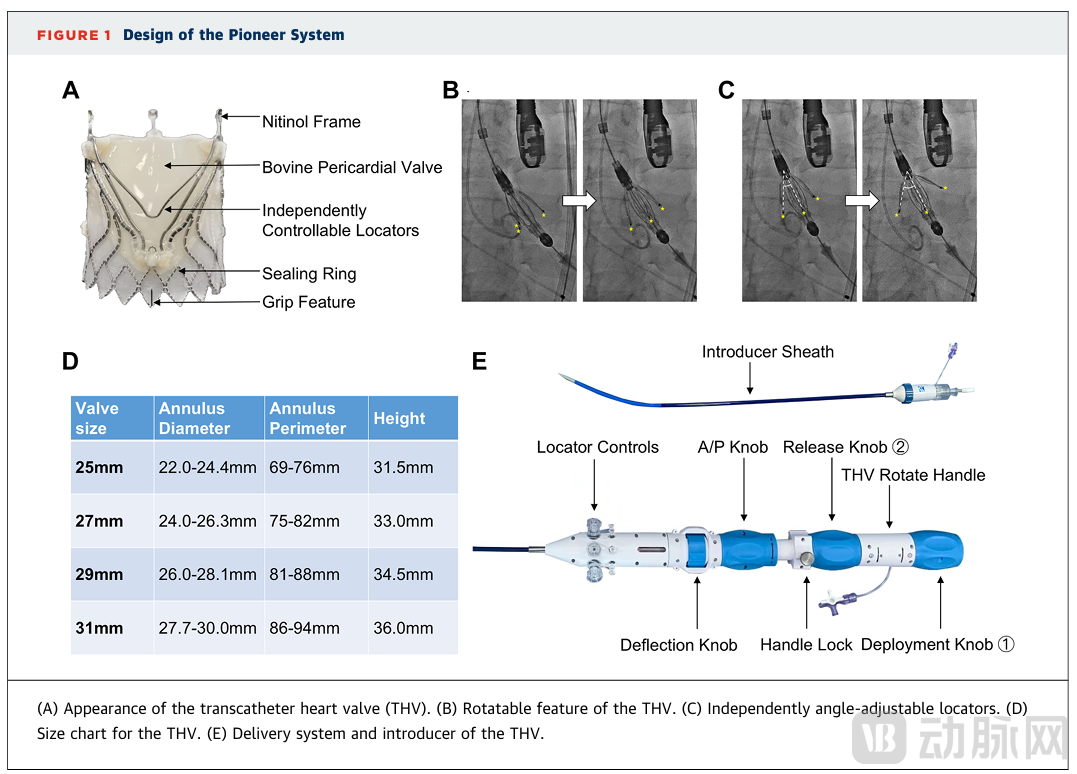 Source: Kokai Life Sciences WeChat Official Account
In terms of product design, its innovative nickel-titanium alloy stent features a flared inflow end with a gripping characteristic to enhance anchoring stability, as well as a circular outer sealing skirt aimed at ensuring better sealing and preventing paravalvular leakage. Additionally, three independently angle-adjustable nickel-titanium alloy positioners allow for real-time, patient-specific alignment based on different leaflet morphologies, optimizing leaflet capture accuracy and ensuring commissural alignment and precise positioning. The PIONEER valve is available in four sizes (25mm, 27mm, 29mm, and 31mm) and is suitable for native aortic annuli with diameters ranging from 22mm to 30mm. The delivery system employs a dual-segment, three-dimensionally adjustable bending technology, ensuring optimal coaxial alignment even in patients with a horizontal heart orientation.
In summary, the core innovations of this product lie in the following aspects:
Innovative 3D Spatial Bending Delivery System.Traditional TAVR delivery systems can only adjust within a two-dimensional plane, but the angles of the aortic arch vary greatly, especially in patients with horizontal hearts or large sinuses. Three-dimensional bending adjustment allows for more precise delivery of the valve to the intended position.
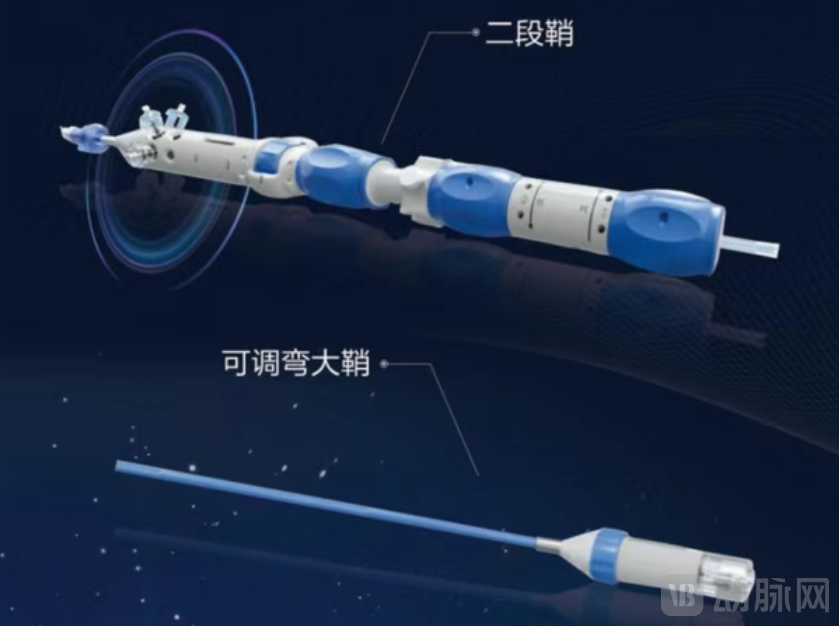 Source: Kokai Life Sciences Official Account
Using a positioning component independent operation control system.Traditional valves cannot be repositioned after deployment, which limits the surgical procedure. However, the positioning component of PIONEER TAVR allows for independent control—fixation first, then release. If the position is incorrect, adjustments can be made, significantly enhancing the controllability of the surgery.
Low oversize combined with valve barb structure.Patients with aortic regurgitation often have larger annuli. Traditional solutions use oversized valves to forcibly expand the annulus, which can compress the heart's conduction system and may necessitate pacemaker implantation. The unique barb structure design of the PIONEER TAVR product provides fixation force, allowing for smaller valve sizes that reduce compression on the heart's conduction system, thereby lowering the risk of pacemaker implantation.
On December 22, 2025, the Department of Cardiac and Great Vascular Surgery at West China Hospital of Sichuan University, in collaboration with 15 cardiac centers across China, published a paper titled "Mid-Term Outcomes of a Novel TAVR Device for Pure Aortic Regurgitation: A Prospective, Multicenter Trial" in the top journal of cardiovascular intervention, *JACC: Cardiovascular Interventions*. The study evaluated the PIONEER TAVR Aortic Regurgitation System independently developed by Kokai Life Sciences.
From May to November 2023, this prospective, multicenter, single-arm clinical study enrolled a total of 110 consecutive patients from 15 centers in China (all assessed by a multidisciplinary heart team as high-risk or inoperable).
The study results showed that, in terms of safety endpoints, the 30-day all-cause mortality rate was 1/110 (0.9%; 95% CI: 0.2%–5.0%). The 6-month and 1-year all-cause mortality rates were 2/110 (1.8%; 95% CI: 0.5%–6.6%) and 3/110 (2.7%; 95% CI: 0.9%–8.3%), respectively.
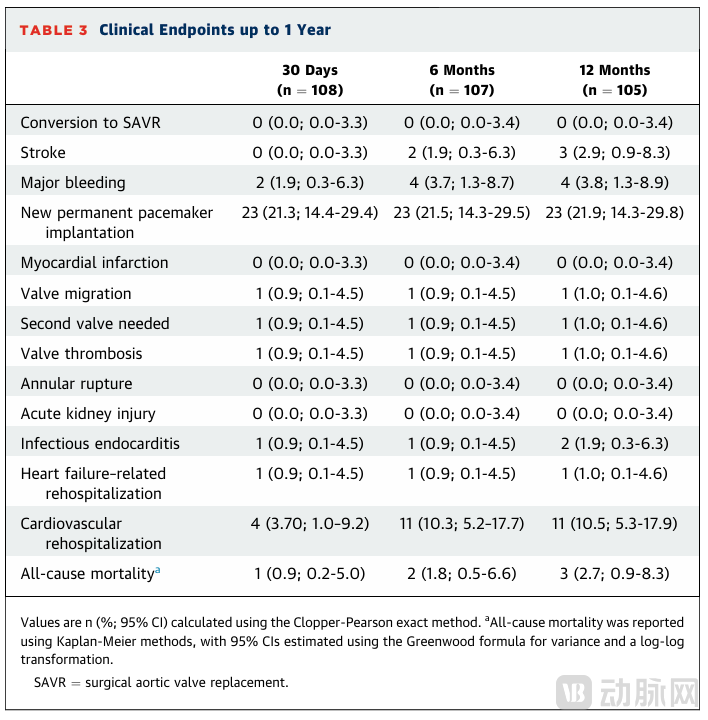
Clinical results as of the 1-year follow-up period, source: Kokai Life Sciences WeChat Official Account
In terms of the efficacy endpoint, it demonstrated significant functional improvement. Of the 105 patients, 103 (98.1%) did not experience NYHA Class III or IV heart failure symptoms. Among them, 60 patients (57.1%) were classified as NYHA Class I, and 43 patients (41.0%) were classified as NYHA Class II. During the one-year follow-up period, there was a sustained and significant improvement in the Kansas City Cardiomyopathy Questionnaire (KCCQ) scores.
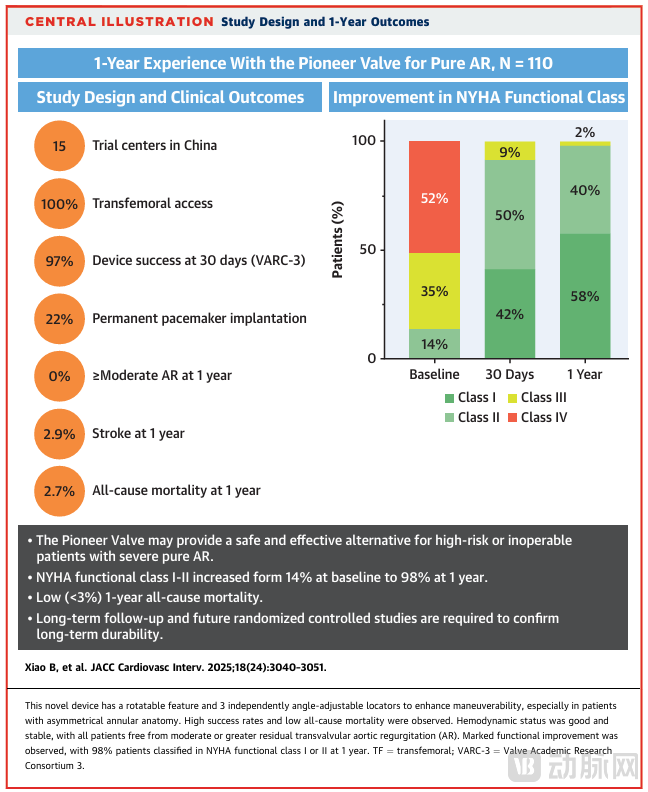
Study Design and One-Year Follow-Up Results, Source: Kokai Life Sciences Official Account
At the 1-year follow-up, 69 of 104 patients (66.3%) had no paravalvular leakage at all. Mild paravalvular leakage was observed in 34 patients (32.7%), and only 1 patient (1.0%) had moderate paravalvular leakage. Among 103 patients, 92 (88.5%) showed no transvalvular aortic regurgitation, while only 11 patients (10.6%) exhibited mild residual regurgitation at 1 year.
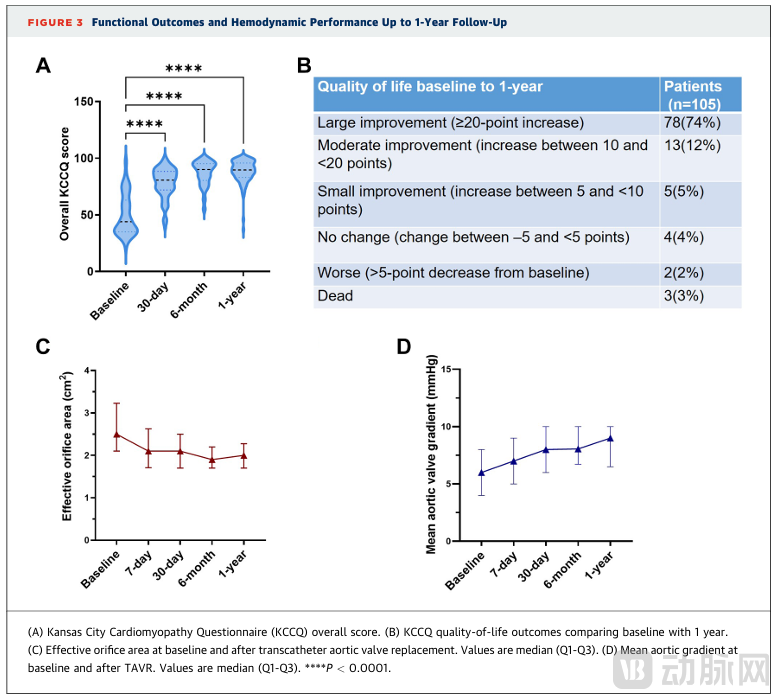 Functional Outcomes and Hemodynamic Performance: 1-Year Follow-Up Results; Source: Kokai Life Sciences Official WeChat Account
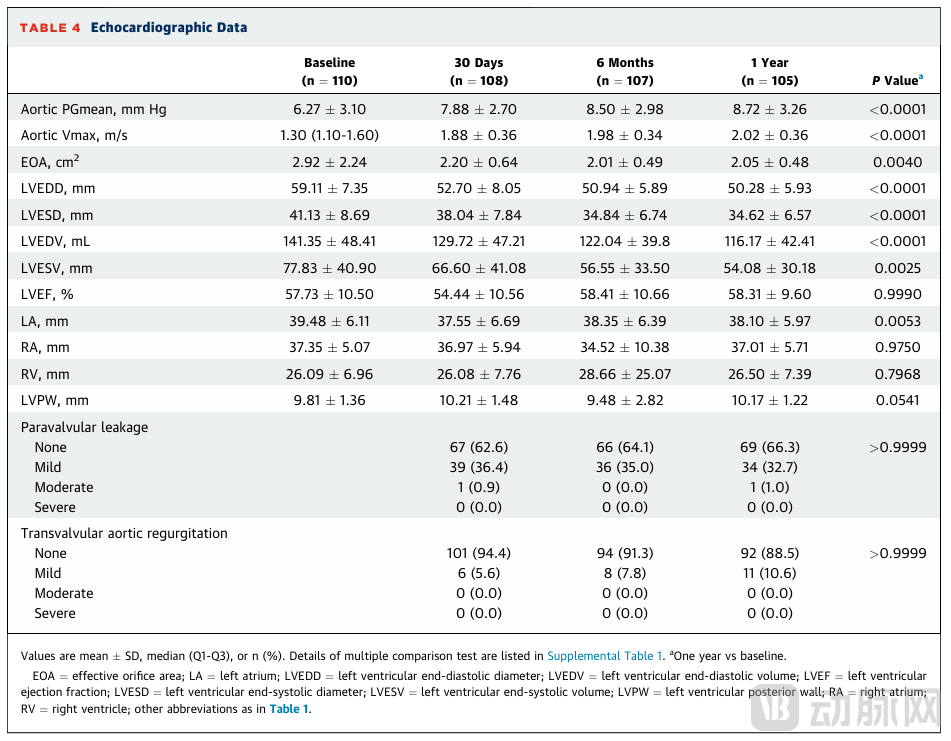 Echocardiography data; Source: Kokai Life Sciences Official WeChat Account
The research results indicate that the PIONEER TAVR valve offers a safe and effective alternative treatment option for patients with severe pure aortic regurgitation who are at high risk or inoperable, achieving favorable mid-term outcomes.
With the launch of this product, it will further enrich the current TAVR offerings for patients with severe aortic regurgitation, providing them with more diverse and excellent treatment options.