Synchron Launches Community-Centric BCI Registry for Stentrode Brain-Computer Interface

Synchron
Developer of implantable neural interface products
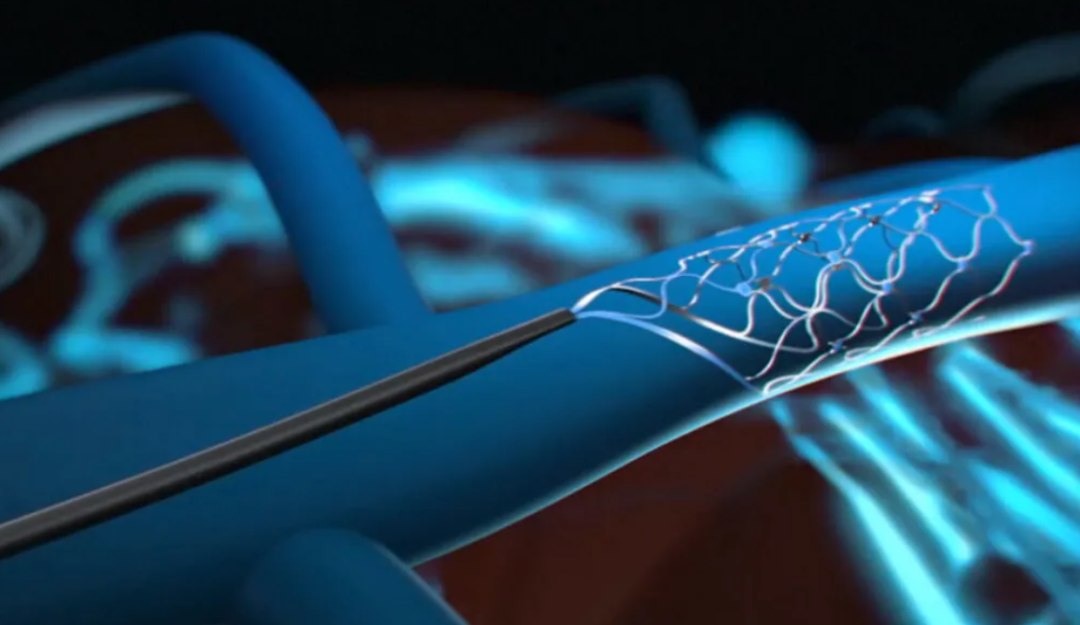
Synchron Announces Launch of Community-Centered Brain-Computer Interface (BCI) Registry, Bringing Together Patients, Caregivers, and Clinicians to Understand How BCI Technology Is Designed to Benefit Individuals with Mobility Impairments
Synchron’s BCI technology is primarily applied in the company’s Stentrode device, which aims to decode the brain’s neural signals and identify new ways to restore motor intent for controlling digital devices. Synchron’s BCI represents a novel approach to restoring function in patients with mobility impairments. By leveraging the individual’s vasculature, the device is implanted into the brain without requiring invasive brain surgery.
Synchron CEO and Founder Tom Oxley stated, “We are delighted to launch the community-centered BCI registry. A grassroots movement is underway in the field of brain-computer interfaces (BCI). We are creating a pathway for potential users and their physicians to engage and stay connected as we prepare for the next phase of clinical trials.”
“BCI technology enables patients with motor impairments to regain independence by controlling digital devices with their thoughts, offering a transformative pathway that allows individuals to perform daily tasks more easily and efficiently,” said Principal Investigator David Lacomis (University of Pittsburgh, USA). “From communication to online access to essential services, BCI technology represents a groundbreaking frontier for individuals and their families.”
About Synchron BCI
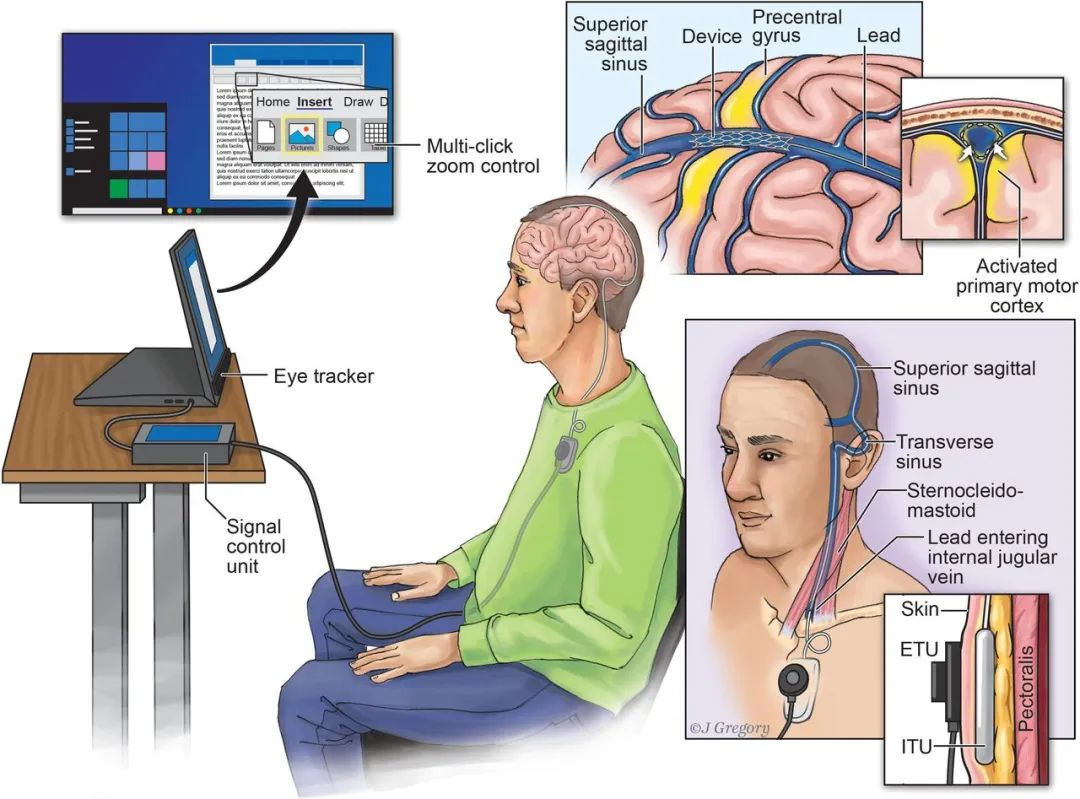
Synchron’s product suite consists of three components: the Stentrode sensor, which is delivered via blood vessels to the brain for electroencephalographic (EEG) signal acquisition; the BrainPort receiver, implanted in the patient’s chest to receive signals and enable wireless configuration; and the BrainOS operating system, which converts signals to facilitate external communication. The stentrode™, measuring 8 mm in diameter and 40 mm in length, is fabricated from a nickel-titanium flexible alloy. It is placed into the superior sagittal sinus of the brain via the jugular vein through a minimally invasive procedure. Upon reaching the designated location, the Stentrode automatically expands to adhere closely to the vessel wall, thereby capturing electrical signals.
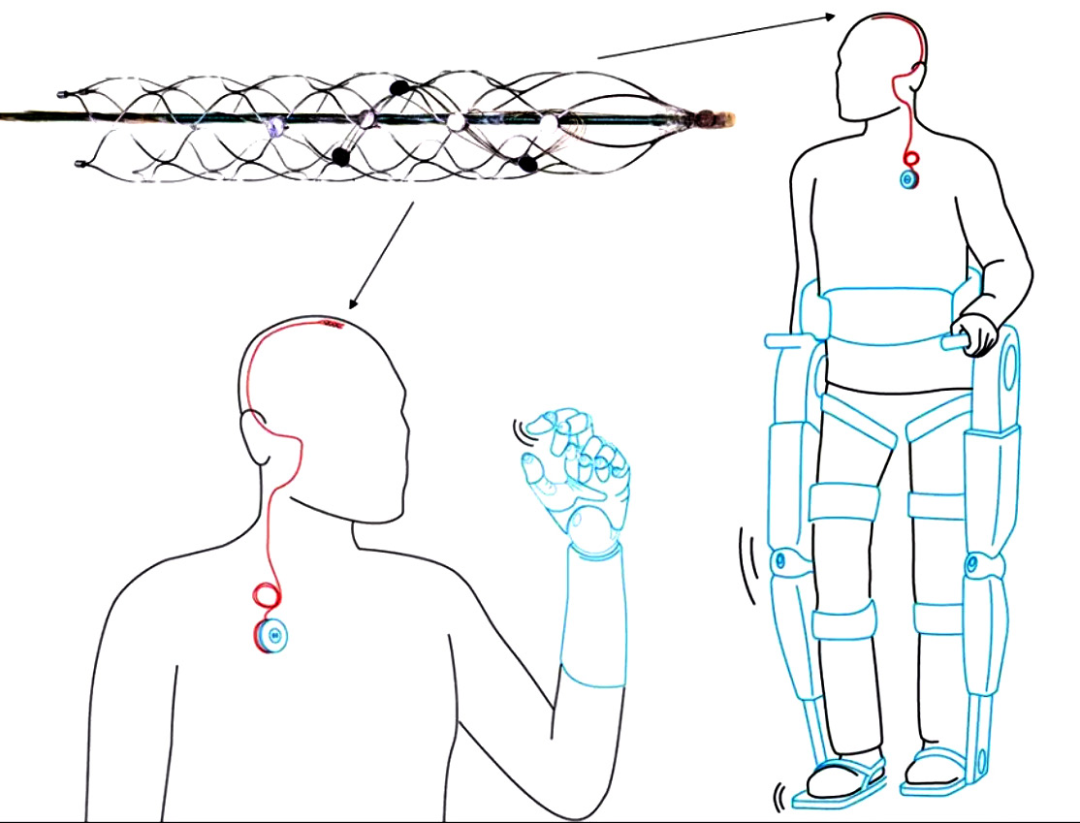
In 2020, the FDA granted the Stentrode™ Breakthrough Device designation. In October 2020, the device was implanted in two patients with amyotrophic lateral sclerosis (ALS), successfully enabling them to perform daily activities such as sending text messages and emails. In 2021, Synchron became the first company to receive an FDA Investigational Device Exemption (IDE) for clinical trials of a permanently implanted brain-computer interface (BCI).
About Synchron, Inc.

Synchron is an endovascular brain-computer interface (BCI) company headquartered in Brooklyn, New York, with research and development facilities in Melbourne, Australia. Since 2012, the company has been developing a BCI platform that eliminates the need for craniotomy by utilizing minimally invasive surgical techniques. The Synchron Switch™ BCI received FDA Breakthrough Device designation in 2020 and is currently undergoing human clinical trials in the United States and Australia. Synchron has published its findings in multiple peer-reviewed journals, including JAMA Neurology, Nature Biotechnology, Nature Biomedical Engineering, and JNIS. The company has strategically positioned itself in three key areas: neurorestoration, neuromodulation, and neurodiagnostics. The application closest to commercialization is neurorestoration, which is also the focus of the current clinical trials, aiming to help patients restore motor function through brain-computer interfaces. Neuromodulation and neurodiagnostics target psychiatric conditions such as insomnia and depression, offering new therapeutic options for patients and representing a substantial market opportunity.



CCI Cardiovascular Physicians Innovation Club
Long-press the QR code to follow us
This Issue's Feature: Shen Li
Responsible Editor: Chen Baolin
Author of This Article: Yunyexuan
Post-production: Ling Wujuan