

Best-selling in 120 countries, with 65% of revenue from overseas, Wuhan has produced a hidden champion in medical lasers.
In the past few years, as domestically-produced medical laser technology has gradually matured, its application in urology has started to show a divergence in technical approaches.
Against this backdrop, in December 2025, Wuhan Nuoyi Laser Technology Co., Ltd. (referred to as Nuoyi Laser) announced that its self-developed UroFiber®Super-Pulse Thulium-Doped Fiber Laser Therapy Device Successfully Completes Phase Research of NMPA Clinical Trials in China.
Targeting minimally invasive treatment scenarios such as lithotripsy for urinary system stones and benign prostatic hyperplasia (BPH), this product utilizes 1940nm thulium-doped fiber laser technology, capable of delivering up to 150W in super pulse and continuous output. It offers a single-pulse energy of up to 10J and a pulse frequency range extending to 4800Hz. While providing high-power output, the system achieves sub-millimeter cutting precision, enhancing stone fragmentation efficiency and soft tissue cutting capability while effectively reducing the risk of thermal damage to surrounding tissues. This makes it one of the few technological approaches, following holmium lasers, that can simultaneously meet the needs for efficient stone fragmentation and soft tissue dissection.
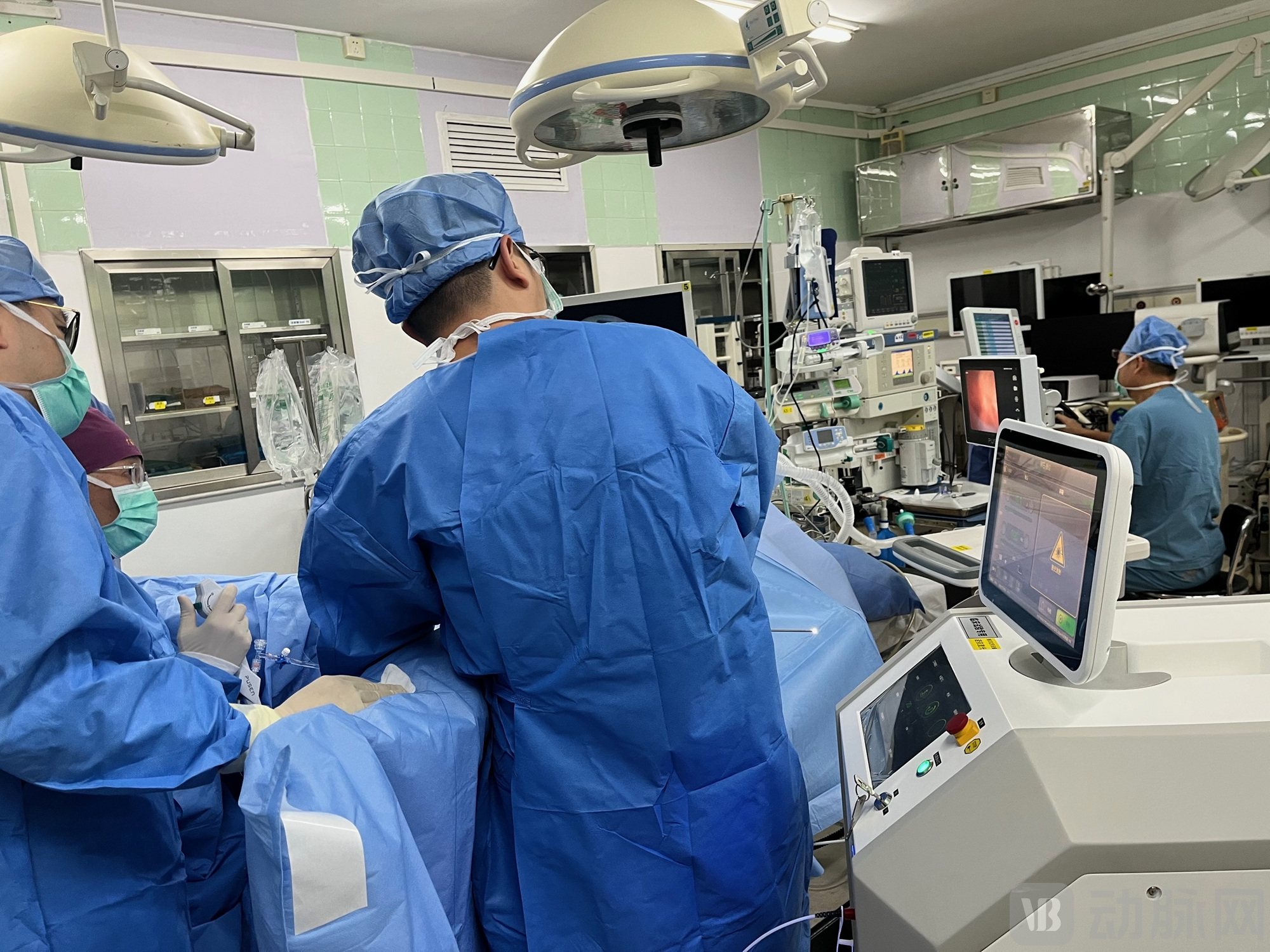
UroFiber®Superpulse Thulium-Doped Fiber Laser Therapy Device Conducts NMPA Clinical Trials
It is worth mentioning that the product has currently submitted a certification application to the U.S. FDA, and relevant international registration work is proceeding simultaneously.
In fact, this is not the first time that Neu Laser has achieved a key breakthrough in the field of urological lasers. As early as 2024, its self-developed UroFiber®The 60Q Ultra-Pulse Thulium-Doped Fiber Laser Treatment Device has successfully passed the U.S. FDA 510(k) certification (Certification No.: K242293). On this basis, Nuoyi Laser is actively advancing multi-national certifications including EU CE, Japan, South Korea, and Australia, gradually building a comprehensive urology laser solution that covers multiple power levels and application scenarios, and actively participating in international competition in the high-end market.
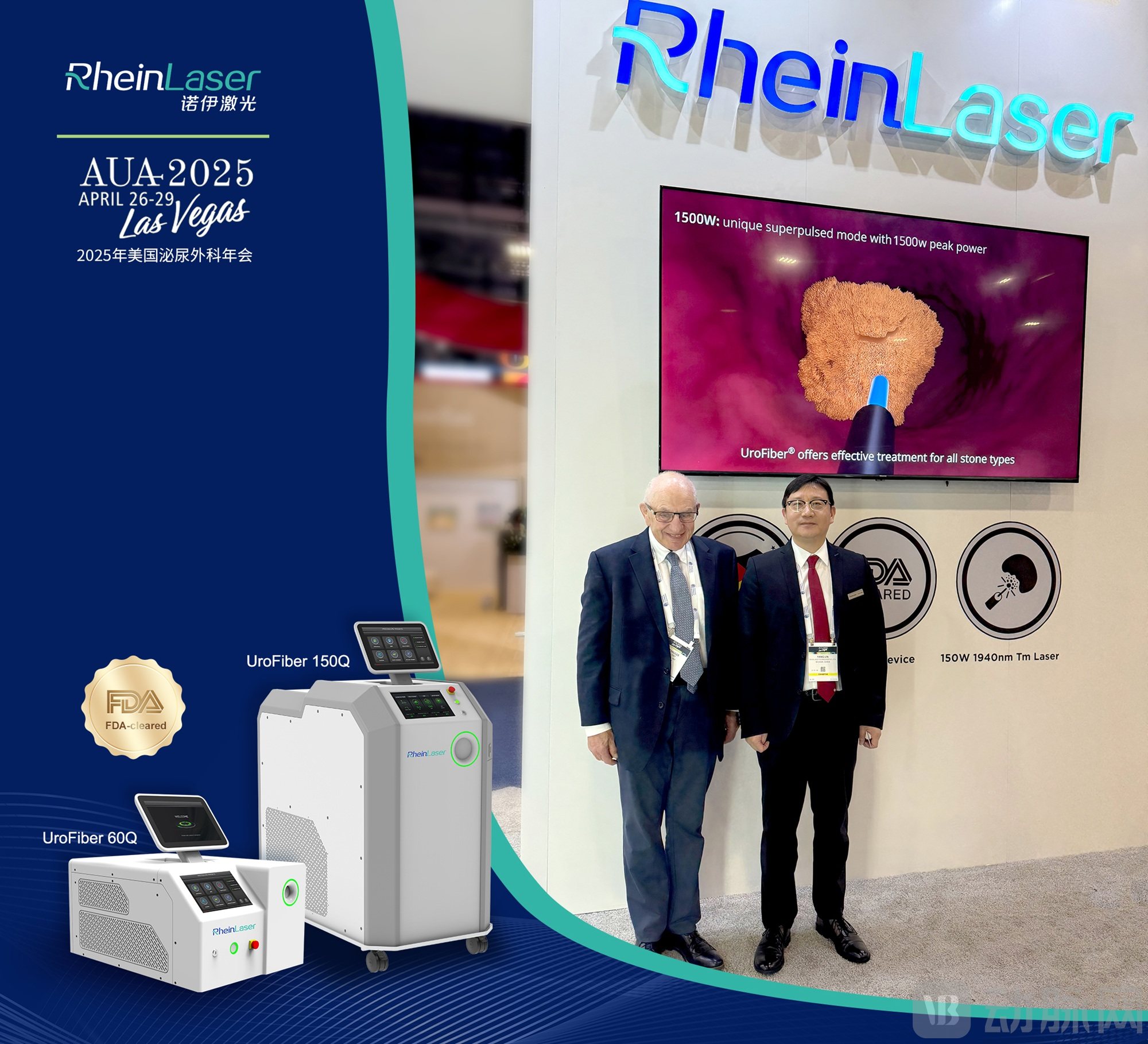
Photo of Gregory Altshuler, Ph.D., President of IPG Medical USA, and Dr. Yang Lin of Neu Laser at the American Urological Association Annual Meeting
From the perspective of clinical application scenarios,The core demands of urology on lasers mainly focus on two types of operations: lithotripsy and prostate and related soft tissue cutting.This also determines the differentiation of various laser technology routes. For example, green lasers and semiconductor lasers each have advantages in soft tissue cutting, but they have certain limitations in terms of lithotripsy efficiency or adaptability; andAble toThere are not many technical routes that can balance both lithotripsy and cutting needs, mainly holmium lasers and thulium lasers.
Based on this fact, UroFiber®The Superpulse Thulium-Doped Fiber Laser Treatment Device adopts the technical path of a 1940nm thulium-doped fiber laser. Compared with the traditional 2090nm holmium laser, this wavelength exhibits higher water absorption efficiency, with a water absorption coefficient approximately four times that of the holmium laser. This characteristic translates directly into two clinical advantages: First, it significantly enhances the stone's energy absorption efficiency, effectively reducing lithotripsy time and improving overall surgical efficiency; second, optimized energy transmission ensures more precise tissue penetration depth, effectively reducing the risk of thermal damage to surrounding tissues.
Compared with the 2013nm wavelength of solid-state thulium laser (Tm:YAG), the 1940nm super-pulsed thulium-doped fiber laser has a water absorption coefficient twice as high, with better stability, superior beam quality, and higher fiber transmission efficiency. The tissue penetration depth is only 0.1-0.2mm, equivalent to the thickness of an ordinary A4 paper (about 0.1mm), enabling the laser to act on target tissues with millimeter precision, ensuring cutting efficiency while causing almost no damage to surrounding normal cells.
At the system engineering level, Neoy Laser further amplifies the advantages of this technical pathway. The mainstream average power of urological laser devices currently on the market mostly falls within the 60W–120W range, whileUroFiber®The average power can reach 150W, providing a larger adjustment space for different surgical scenarios., which also lays the hardware foundation for simultaneously covering lithotripsy and soft tissue cutting.
At the same time, through super-pulse technology,UroFiber®It can not only achieve high-efficiency lithotripsy similar to holmium laser, but also leverage the precise advantages of thulium laser in prostate tissue vaporization, eliminating the need for hospitals to separately configure lithotripsy and prostate resection equipment., effectively reducing equipment procurement and long-term operation and maintenance costs.
In terms of stability design, UroFiber®Adopting a water-cooling system instead of the commonly used air-cooling solution. Dr. Yang Lin stated that the water-cooling system can effectively prevent power attenuation and wavelength drift under long-term, high-load operating conditions, which is particularly crucial for clinical scenarios such as lithotripsy and prostate surgery that are time-consuming and involve complex operations.
In addition,The core components inside the system, including thulium-doped fiber, couplers, and semiconductor laser pump sources, have all been localized in China.Provided support for the long-term supply stability and system reliability of the product.
Beyond hardware performance, UroFiber®Another important differentiating capability is reflected in the design at the software and system level.
In the product system of Innolaser, "software and system experience" has been repeatedly emphasized. To reduce doctors' learning costs and enhance the user experience during surgical procedures, the team has conducted systematic optimization at the levels of software architecture and human-computer interaction.
Dr. Yang Lin told VCBeat that during the design process, the team fully absorbed the mature experience of international mainstream products in clinical applications. For example, they referred to the operational logic of international manufacturers such as Lumenis and combined the advantages of endoscopic systems like Olympus in data management to reconstruct the software interface. Doctors can usually get up to speed within an hour.
"We hope that doctors in surgery will not only use a laser, but also form a complete surgical data closed-loop," Yang Lin introduced.UroFiber®The system can record and organize key parameters during the surgical process, facilitating postoperative review, scientific research analysis, and teaching use by doctors.
In his view, this type of software and data capability is precisely one of the relatively weak yet increasingly important aspects in currently China-produced medical laser products, and will become an invisible threshold that cannot be ignored in future urology laser competition.
"Our core idea is to bring people healthy beauty, and such beauty is multifaceted," said Dr. Yang Lin. Based on this concept, Neulaser has not limited its capabilities to a single application scenario but has gradually built up a business layout covering laser medical treatment, laser cosmetic procedures, and rehabilitation/robotics.
In the field of laser medical aesthetics, Neoy Laser has simultaneously developed two product lines for the domestic and overseas markets. In the Chinese market, it has launched consumer-grade and professional-grade laser beauty products such as the Honeycomb Picosecond and Ice Point Hair Removal devices, with plans to push for the approval and market launch of multiple Class III medical device products by 2026. For the overseas market, Neoy Laser entered the high-end competition earlier. Several of its products, including the PowerSculp 1064nm Non-Invasive Lipolysis Laser Device, Artemis Ice Point Laser Hair Removal Device, and TitanPico Ultra-Picosecond, have received U.S. FDA certification.
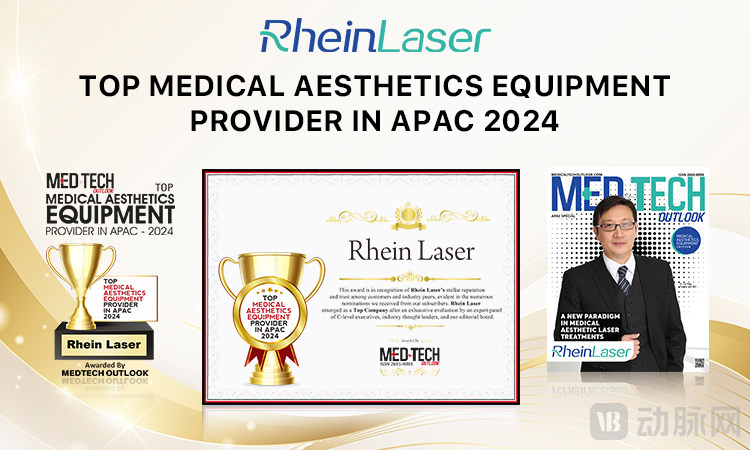
Among them, professional laser medical beauty products such as non-invasive lipolysis lasers and ultra-picosecond lasers have gained widespread customer acclaim in the United States, making Neu Laser one of the well-known Chinese medical laser brands in the region. Consequently, Neu Laser was also named "2024 Asia-Pacific Medical Aesthetics Device Company of the Year" by Medtech Outlook, an internationally authoritative professional magazine in the medical technology industry.
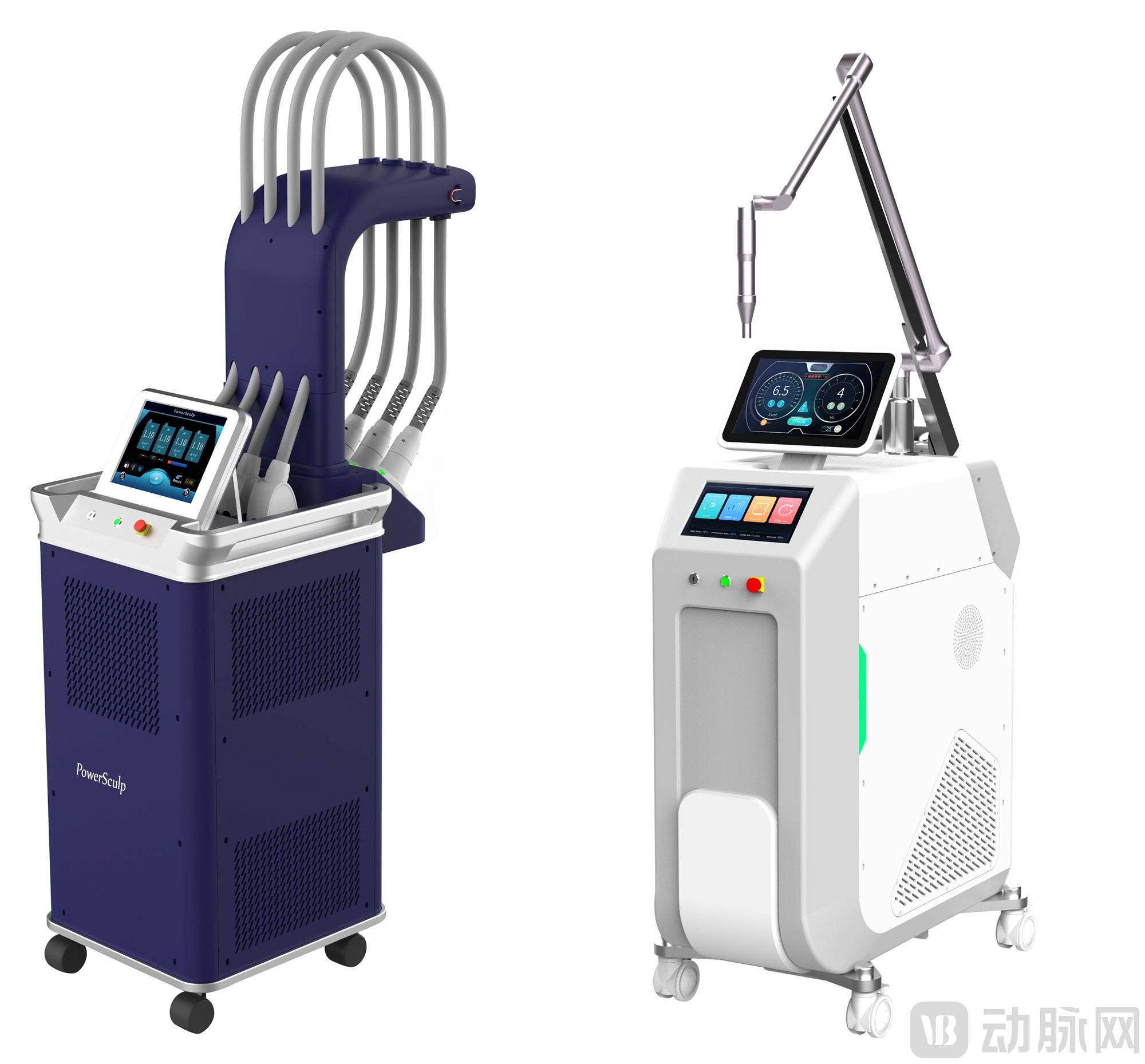
Neu Laser Overseas Medical Aesthetics Products (Partial). From left to right: PowerSculp 1064nm Laser Lipolysis System, TitanPico Picosecond Laser System
Compared with the market-oriented attributes of medical aesthetics business, Neui Laser's exploration in the fields of rehabilitation and robotics demonstrates more of its engineering and system delivery capabilities.As early as 2020, the company began introducing robotics and AI technology into medical and rehabilitation scenarios, and designed and developed the "Xiuyu Xiaotong Robot" for Xiuyu Group.Currently, more than 2,500 units of this product have been deployed in China, forming a cloud platform robot system that operates online in real time. It is mainly used in rehabilitation and physical therapy scenarios.
In Yang Lin's view, although this business line does not directly fall under the category of surgical lasers, it is another test of the company's technical capabilities. "Whether the technology can truly be transformed into a product and stably delivered to a large number of end users is a test on another level," he stated. In terms of both photoelectric system control and long-term stable operation capabilities, the Little Express Robot project has validated the engineering capabilities of Nuoyi Laser at the scaled implementation level.
Unlike many laser companies that follow a growth path of starting domestically and then expanding abroad, NuoYi Laser chose a "born global" route from its inception.The company's core markets are directly targeting high-end medical laser markets in the United States, Europe, and Japan.In 2025, 65% of the company's revenue will come from overseas markets.
The formation of this globalization path is not merely a choice of market strategy, but more fundamentally stems from the team's inherent qualities. Dr. Yang Lin, the founder, has an academic background jointly cultivated by Huazhong University of Science and Technology and Technische Universität Berlin. Throughout his career, he has held core technical and management positions in leading international laser companies, and has been deeply involved in the research and development and industrialization of high-end laser products. This extensive participation in the global laser industry chain has profoundly influenced Neulight Laser’s technical vision and product positioning.
At the organizational level, Neuye Laser has further institutionalized this global gene by building a unique "dual-center" R&D system: establishing a research center in Düsseldorf, Germany, focusing on original research into the underlying physical mechanisms of lasers and key core technologies; completing engineering transformation, system integration, and large-scale manufacturing in Wuhan's Optics Valley.
Neu Laser established a clear trade-off in its product selection strategy from the very beginning: "Do not pursue mature products already available on the market; instead, focus solely on niche markets within the high-end segment."
谈及下一步规划,杨林透露,诺伊激光一方面正将技术边界向肿瘤治疗等更具挑战性的方向延伸,包括光动力治疗、超声融合激光切除等前沿领域,现已与多位美国临床专家启动联合研发;另一方面,公司计划于2026年重新布局中国医美市场,依托海外高端市场积累的技术与产品经验,以差异化路径参与国内竞争。
References:
1. "Neu Laser UroFiber® Thulium-Doped Fiber Laser Therapy System Successfully Completes Clinical Research"
2. "Wuhan Nuo Yi Laser Shines at the 2025 American Urological Association Annual Meeting (AUA)"