

Dialogue with Legend Capital Qi Fei: The Hard Battle Begins as the Innovative Drug Sector Warms Up, Global Market Shifts from “Why China” to “How China”
In 2025, China's biopharmaceutical industry finally caught a break; in 2026, with a gradual recovery, it may see a different trend, but it will still require the strength to fight tough battles.
Over the past year, Hong Kong's IPO market has become lively again, with multinational pharmaceutical companies signing one big BD deal after another, and investors are busy once more. However, in the view of Qi Fei, Executive Director of Legend Capital, this is by no means a simple "market rebound": "The underlying logic of the industry has completely changed—Previously, everyone competed to be "the best in China's first tier," now they compete for "top three globally."The rules of the game, the mindset of the players, and the measure of value have all changed."
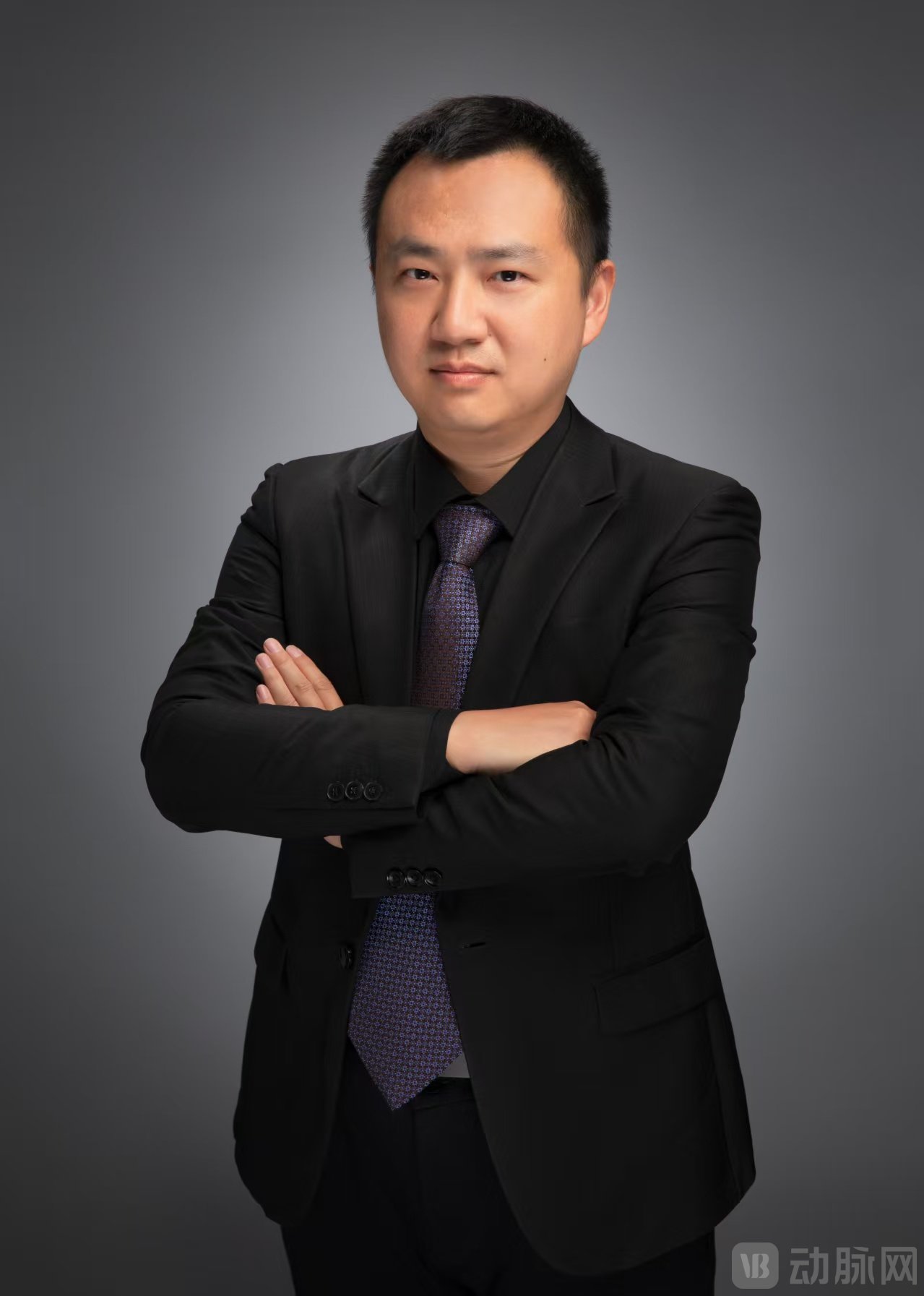
Fei Qi, Executive Director of Legend Capital
In Qi Fei's view, the current market situation is actually the result of Chinese innovative pharmaceutical companies enduring the past three years (2022-2024) of hardship. After a number of companies were eliminated, those that survived and those that want to survive have been forced to come to a clear understanding:Relying solely on competing in the Chinese market holds no future.In 2025, over 400 companies are rushing to go public, but the market is only willing to give high valuations to those with real global competitiveness and pipelines that can rank "among the top three globally." "Those without this ability will be ignored even if they manage to go public. This is actually a brutal screening process."
Looking back from early 2026, China's biotech industry has quietly shifted to a new playing field. Going global is no longer an "option" but a "must"; BD deals are no longer "icing on the cake" but "value validation"; investment is no longer about "following the trend" but "precise calculation of pipelines."The hard battle to be fought in 2026 will be a globalized and professional one.
01
2025 Rules Completely Changed: From "Why China" to "How China"
The most noticeable change in 2025 is that the Hong Kong stock market has heated up again, evolving from having only a handful of listed companies in 2024 to becoming one of the hottest places globally for biotech IPOs in 2025.
When reviewing this phenomenon, Qi Fei analyzed that this round of warming up is the result of multiple factors resonating: including the China-US competition entering a relatively clear new phase, the adjustment of the global political and economic landscape after Trump took office, and AI technology breakthroughs represented by DeepSeek, which have reshaped global capital's perception of China's technological innovation.
However, the most critical factor is the painful clearance and intrinsic qualitative change that the industry itself has undergone during the three-year low period. "This cycle of warmth after winter and spring's arrival has given the entire industry a breather, but more importantly, it has educated the market—capital no longer pays for the universal label of 'China Biotech,' but instead prices genuine global innovation potential," emphasized Qi Fei.
In the IPO boom of 2025, the market demonstrated an unprecedented structural divergence. Qi Fei pointed out that this divergence follows a clear logic: companies with explicit globalization potential, pipelines with "top three globally" competitiveness, or substantial endorsements from MNCs (multinational pharmaceutical enterprises) have gained liquidity premiums and valuation favor. In contrast, companies still confined to domestic market competition, suffering from severe product homogenization, and lacking international perspectives, even if barely listed, quickly fall into liquidity difficulties.
The investment logic experienced a fundamental leap from "1.0" to "2.0" in 2025.
Qi Fei clearly described this shift: the previously popular "track logic" – where investors chased hot fields such as ADC, small nucleic acids, and gene therapy, and could gain attention simply by being in these tracks – is being replaced by a more refined and demanding "pipeline and target logic." "When evaluating projects today, the core question is: can this pipeline or target potentially rank among the top three globally?"
Qi Fei emphasized that this kind of judgment requires investors to have a global comparative perspective. They must simultaneously examine the competitive landscape between China and the U.S., the layout differences between Biotech and Biopharma, evaluate the pros and cons of scientific design, the speed differences in clinical advancement, and the varying execution capabilities of teams. The complexity of investment decision-making is increasing exponentially because being "among the top three globally" means conducting comprehensive comparisons on a global scale.
This logical iteration is directly reflected in the behavioral changes of capital allocation. Qi Fei observed a significant "80-20 differentiation" phenomenon in the primary market: "About 20% of projects are very popular, but 80% of projects still struggle to secure financing." Capital is highly concentrated in projects with genuine global innovation potential, while projects that follow trends, are homogenous, or lack proven commercial prospects find it difficult to gain attention. Meanwhile, investment institutions themselves are undergoing a profound round of differentiation and reshuffling."In the future, there may be only a dozen or twenty truly professional and focused Biotech investment institutions in China."
The most noteworthy trend in 2025 is the substantial confirmation of China's position as a global pole in biopharmaceutical innovation. Qi Fei supported this judgment with key data:The share of China's original innovations in global biopharmaceutical BD transactions has increased from less than 1% a few years ago.0%, quickly increasing to nearly 50% market share.
At the same time, Qi Fei particularly pointed out that the main players in transactions have expanded from Biotech to traditional Pharma. Companies such as 3SBio, CSPC Pharmaceutical Group, and Innovent Biologics have frequently secured blockbuster deals exceeding the $1 billion mark, demonstrating a significant leap in the overall innovative capabilities of China's pharmaceutical industry.Established pharmaceutical companies are demonstrating strong innovative burst, forming a dual-rise and healthy competition pattern with Biotech.
A more profound change lies in the shift of the global industry mindset. Qi Fei shared his observations from attending the JP Morgan Conference: "In international settings,The discussion topic has shifted entirely from "Why China" to "How China."The global industry has begun to recognize that China is not only one of the largest single markets but also an indispensable R&D partner and value creation engine.
Qi Fei particularly emphasized that today's CEOs of Chinese Biotech companies are facing unprecedented capability requirements: "They must not only understand science and clinical matters but also global registration and the rules of international commercial games, which poses entirely new challenges to leadership."
The improvement of industrial infrastructure will also reach new heights by 2025. Qi Fei, citing the CXO (Contract Research and Manufacturing Organization) sector as an example, pointed out that China's clinical development efficiency and production cost advantages have become a significant part of global industry competitiveness. "Conducting clinical trials in China can be several times faster than in the U.S., with costs only a fraction of those."
He explained in detail that this advantage is not only reflected in speed and cost but also in the completeness of the entire industrial ecosystem – from early R&D to clinical development, from scaled production to commercial readiness. China has already established the world's most complete biopharmaceutical industry chain. This infrastructure advantage not only serves local innovation but is also attracting global innovative projects to be developed in China. "The most classic case last year was Eso Bio, which, through China's IIT data, was ultimately acquired by AstraZeneca. An increasing number of overseas biotech companies are beginning to pay attention to China. A global biopharmaceutical R&D collaboration network centered around China is quietly taking shape."
The behavioral patterns of the capital market are also undergoing profound changes. Qi Fei observed that by 2025, investors' attitudes toward BD transactions have shifted from the previous "enthusiastic interpretation" to "taking it in stride." "Last year, several deals with upfront payments reaching billions of dollars received very calm market reactions. Unlike in 2023 and 2024, when a single deal could be analyzed for three days."
This change reflects that international BD transactions by Chinese companies have shifted from being "unusual events" to "routine operations," and the market has developed stable expectations and a valuation framework for this. Qi Fei believes this signifies that China's biopharmaceutical industry is transitioning from its "adolescence" to "adulthood."
Overall, 2025 is a year of systematic reconstruction of the value coordinate system for China's biotech industry. Qi Fei summarized that this reconstruction is reflected in three dimensions:In the spatial dimension, the value anchor shifts from the "Chinese market" to the "global market"; in the temporal dimension, value judgment moves from focusing on short-term trends to emphasizing long-term clinical value; in the subject dimension, value creation transitions from being capital-driven to innovation-driven.
"This profound change, while externally manifested by the recovery of the capital market, has at its core a leap in the overall maturity of the industry. 'When the bubble fades and the noise subsides, what remains will be a more solid foundation for development and a clearer path to the future.' Qi Fei believes,"The greatest significance of 2025 lies in establishing a new coordinate system and competitive rules for development over the next decade.
02
2026: Deepening Tracks, Overseas Challenges, and Valuation Rebuilding
Looking ahead to 2026, China's biotechnology industry will enter a phase of deepening execution based on the new logic established in 2025. Qi Fei, based on in-depth observations of technology cycles, market dynamics, and capital flows, has made multi-dimensional predictions about industry trends for 2026.
Qi Fei used the Gartner Hype Cycle to analyze and categorize small nucleic acid (RNAi) drugs as a "mature track." He pointed out that this track has fully experienced the stages of technological inception, inflated expectations, and the trough of disillusionment, and is now entering a period of steady ascent. "The peak moment for small nucleic acids occurred as early as 2008 and 2009, followed by buyouts and sales from multinational corporations (MNCs). After liver-targeted products were validated around 2015, it ushered in another wave of development, making it a typical track that has completely entered the maturity phase of the Gartner curve."
Qi Fei predicted that 2026 will witness several significant clinical data reads and BD transactions in this field. This judgment is based on a profound understanding of the maturity of small nucleic acid technology—well-established infrastructure, clear mechanisms, controllable development pathways, and poised for large-scale value realization.
Meanwhile, cell and gene therapy (CGT) remains in a trough period. Taking in vivo CAR-T as an example, there are 20 companies in the United States and 160 in China. "In the end, only 10% may succeed." Qi Fei reminded that it is important to distinguish between "true innovation" and "following the trend," especially when approaching cutting-edge fields like in vivo CAR-T, which "could be a lifeline or a futile effort."
The going-global strategy will enter the "deep water zone" by 2026, facing a comprehensive upgrade from models to regions. Qi Fei predicted that the internationalization of Chinese pharmaceutical companies will present two major trends:On the one hand, "in global for global," focusing on the mainstream markets of Europe and the United States, with BDRepresenting innovative going global, on the other hand, "in China for the Belt and Road", industry companies systematically expand into emerging markets such as Southeast Asia, the Middle East, and Latin America, pursuing industrial globalization.
Qi Fei, based on Junlian Capital's early layout experience in Southeast Asia, pointed out that successful industrial globalization requires long-term and deep localization efforts, rather than simple product dumping. "We started to lay out funds and enterprises in Southeast Asia from 2022 to 2024, paving the way and building bridges for China's pharmaceutical industry to explore emerging markets." Qi Fei detailed their logic of layout in Southeast Asia: it initially began with a "coincidental opportunity" in 2019, and later, feeling the strong momentum of Chinese enterprises going global, they systematically established a cooperative bridge connecting China and Southeast Asia. This included recruiting a large number of Chinese executives to work in Southeast Asia, supporting Chinese industries expanding overseas. This forward-looking layout has given Junlian a unique advantage in helping enterprises go global.
In terms of innovative overseas cooperation models, Qi Fei observed an evolution from the单一的License-out (outward licensing) to more complex "ecosystem co-building" models such as联合开发 (Co-development) and channel co-construction. He cited the collaboration between Innovent Biologics and Takeda on PD-1/IL2 as a typical case, calling it a model of "借船出海" (sailing overseas by borrowing a ship) — accumulating global operational capabilities while reducing risks; an earlier example was the 2017 collaboration between Nanjing Legend and Johnson & Johnson, with a 50/50 rights distribution, vividly demonstrating the long-term value of the joint development model.
Qi Fei emphasized that this model places higher demands on the capabilities of Chinese companies, but the potential rewards are also greater, and it is an excellent way to accumulate global operational experience. However, he also calmly reminded: "Industrial globalization is essentially a game for leading enterprises. The number of Chinese pharmaceutical companies that can ultimately establish themselves globally may be very limited."
For the valuation and exit environment in 2026, Qi Fei's judgment tends to be rational, believing that the热度 in 2025 may experience a回调 in 2026. The valuation system will more strictly align with international standards, but the overall valuation logic has undergone an essential change from the previous era.
Qi Fei believes that a historic change is: for many Biotech companies, a successful BD deal may be worth more than an IPO."Previously, everyone's goal was to go public, but now an IPO might just be a gas station (or even a trap); BD is the ultimate validation of your innovation." So, investment firms may no longer compete over who has the most IPOs, but rather who has the highest 'BD hit rate.'
At the valuation level, Qi Fei offered a different perspective on the "China asset discount theory," arguing that the discount often stems from misaligned benchmarks. "An asset that has only completed Phase III clinical trials in China is inherently different in value from one that has completed Phase III trials in the U.S., because what buyers ultimately purchase is FDA marketing approval."
He pointed out that while MNCs value the efficient and low-cost development capabilities of Chinese assets, the subsequent investment and time required for clinical development in the U.S. have not decreased. Therefore, the essence of transaction pricing is a game between the "time value" and "risk premium" for both parties. "Information has been largely equalized; initially, there might still be discounts, but now it has converged."
The development logic of innovative drugs is shifting from "breaking through imitation" to "global definition." Qi Fei stated,The 1.0 era focused on "addressing availability" and "China-produced substitution," relying on speed and cost; the 2.0 era, however, emphasizes "engaging in global competition" and "defining future standards," with the core being differentiation and original innovation.
2026 will be a critical juncture for testing companies' global capabilities. Qi Fei pointed out that this capability is systemic, encompassing global IP layout and operations, international multi-center clinical trial capabilities, registration submissions compliant with FDA/EMA standards, international negotiation and collaboration, and potential commercialization capabilities. "Many scientist-founders initially believed that 'science is the best,' but soon realized that this is merely the entry ticket, with subsequent capacity building being the real challenge."
In terms of technological iteration, Qi Fei believes that 2026 will be a critical year for the validation of multiple technology platforms. In addition to small nucleic acids and in vivo CAR-T, continuous innovation in the ADC field is also worth noting. "After the ADC boom, it seems to be the turn of small nucleic acids," he pointed out that technological rotation is a norm in the industry. The key lies in grasping the technology maturity cycle and investment rhythm: investors should remain rational during the "peak of inflated expectations," dare to make strategic investments during the "trough of disillusionment," and actively participate during the "slope of enlightenment."
The market structure will continue to deepen the divergence trend since 2025. "China's innovative drugs have fully aligned with Europe and the U.S., and once aligned, it is difficult to regress." Alignment means valuation in line with international standards; companies that do not meet the standards will face greater valuation pressure, while those that do may gain higher premiums.
Overall, Qi Fei holds a "cautiously optimistic" attitude towards 2026. He believes that despite adjustments and fluctuations, the overall trend will be upward with a higher platform. The industry has established new value standards and competitive logic, which will guide it towards a healthier and more sustainable direction. The year 2026 will be a critical test for whether these new principles can take root.
03
Patient Capital, Industrial Network, Ecosystem Construction
By 2025, China's biopharmaceutical industry will have undergone a transformation from the restructuring of valuation systems to the upgrading of competitive logic. The market environment ahead will be even more complex. Only those who have truly built global competitiveness, practiced "patient capital," and deeply integrated into the industrial ecosystem will emerge victorious in the long-term competition.
Notably, in response to the long cycle and high risk inherent in the biopharmaceuticals industry, "patient capital" is transitioning from a concept to deep practice. Qi Fei of Legend Capital shared approaches and reflections during an industry downturn. In the challenging period from 2022 to 2024, institutions faced dual pressures: helping portfolio companies navigate difficulties while managing risks within their own investment portfolios.
Qi Fei pointed out that the core focus at that time was not pressuring exits, but helping companies "reduce costs and increase efficiency, expand revenue and cut expenses," assisting in strategic focus, divesting non-core assets, and even promoting mergers or asset transfers. "During the industry's toughest times, our goal was to ensure companies 'survive' and 'thrive.'" This reflects the resilience required for "patient capital" to weather cycles. Qi Fei emphasized, "The role of patient capital at turning points is not merely about cutting losses, but delving deep into the industry, optimizing asset allocation, and adapting to new environments."
As the industry enters the "professionalism" era, post-investment empowerment is upgrading towards specialization and systematization. Junlian is also exploring a new Hub-Spoke model, building the Higend platform to identify and assist innovative teams and assets, rapidly advancing early discoveries to the IND and BD stages. The platform provides full-chain support from CMC, regulatory registration to BD alignment, addressing the shortcomings of scientific teams and enhancing conversion efficiency.
Looking ahead, Qi Fei believes that China's biopharmaceutical industry will form a more complex, diverse, and efficient ecosystem. Research institutions provide scientific original innovation; enterprises are the implementers of innovation; investment institutions become resource integrators and innovation catalysts. Competition will be between ecosystems, and the success of individual projects will increasingly rely on systematic support.
In this ecosystem, elements such as capital, industry, talent, and policy interact positively. Qi Fei particularly emphasized the importance of "connectors" – value often arises from the connections between research and industry, innovation and capital, and China and the world. The construction of the ecosystem not only reflects social responsibility but also serves as a source of core competitiveness for investment institutions, determining whether they can discover and nurture top-tier biopharmaceutical enterprises globally.
Qi Fei gave three judgment directions:The core of value creation lies in genuine innovation capabilities; the key to global competition is systematic capacity building; and the foundation for long-term success is a healthy industry ecosystem.These three points constitute the three cornerstones of China's biotechnology industry for the future.
2026 will be the first full year for China's biotech industry to operate under a completely new paradigm.In this year, we will see how the new valuation system is implemented, how the new competitive logic is validated, how the new path to globalization is forged, and how the new ecosystem grows. All of this will determine the position of China's biotech industry in the future global landscape.