

Neuralink Reports Breakthrough with Second Implant Patient Playing FPS Games via Thought Control, Aims to Implant Tens of Thousands Within Five Years

Neuralink
Brain-Computer Interface System Developer
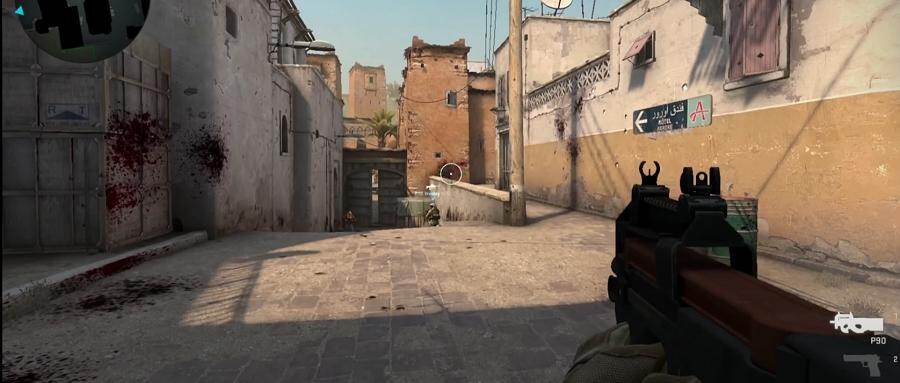
Zhidx.com, August 22 — Today, Neuralink, the company owned by Elon Musk, released an update on the second patient to receive its implant on its official website. This patientPostoperative condition is good, have learned to use brain-computer interfacesOperate CAD drafting software, designed a 3D-printed charging stand for their brain-computer interface,It can also play first-person shooter games like "Counter-Strike 2."
This implantation surgery was completed last month, and postoperativelyNo retraction of the connecting wires or signal attenuation was observed.This is because Neuralink has optimized the surgical procedures and protocols, such as minimizing brain movement during surgery, reducing the gap between the implants and the brain surface, and increasing the implantation depth.
Compared with traditional assistive devices, brain-computer interfaces provide patients with a more flexible and efficient control method. Currently, Neuralink Corp is continuing to work with this patient to improve the performance of the brain-computer interface. They hopeAchieving Higher-Precision Control with Brain-Computer Interfaces, such as distinguishing between the left, middle, and right buttons of a mouse.
Elon Musk also shared the latest progress of Neuralink Corp. He predicted on X platform today that if everything goes well,Hundreds of people will have Neuralink within a few years., potentially tens of thousands within 5 years, and millions within 10 years.

▲ Musk Predicts Neuralink’s Future Development (Source: X Platform)
01. Ready to use out of the box with virtually no training required; no electrode detachment observed
The patient who received the brain-computer interface chip implant in this procedure is named Alex, making him the second individual to undergo implantation by Neuralink. The first patient to receive a Neuralink brain-computer interface chip implant completed surgery in January 2024 and quickly learned to operate electronic devices via the brain-computer interface, playing strategy games such as Civilization IV. He also helped Neuralink accumulate substantial data, thereby improving the performance of the brain-computer interface chip.
Alex underwent surgery last month, was discharged smoothly the following day, and had a favorable prognosis. After Alex connected the brain-computer interface chip to the computerAfter 5 minutes, he learned to control the cursor movement with his mind.Within a few hours, he surpassed the maximum speed and accuracy achieved by other assistive technologies in Webgrid tasks, enabling efficient cursor control via thought.

▲Webgrid is a program designed by Neuralink for training and evaluating the performance of brain-computer interfaces (Image source: Neuralink)
On his first day using the Neuralink brain-computer interface chip, Alex broke the previous record for cursor control via brain-computer interfaces using non-Neuralink devices.World Record。
Encouragingly, the Neuralink brain-computer interface chip did not exhibit any retraction of connecting wires or detachment of electrodes this time.The first patient to receive a brain-computer interface chip implant experienced a significant decline in control efficacy some time after surgery, primarily due to the progressive detachment of the electrodes connected to his brain for collecting electrical signals.
In this surgery, Neuralink took multiple measures to prevent this situation from recurring, includingReduce brain movement during surgery, minimize the gap between the implant and the brain surface, and increase the implantation depth.Ultimately, the researchers did not observe retraction of the connecting wires in the second patient.
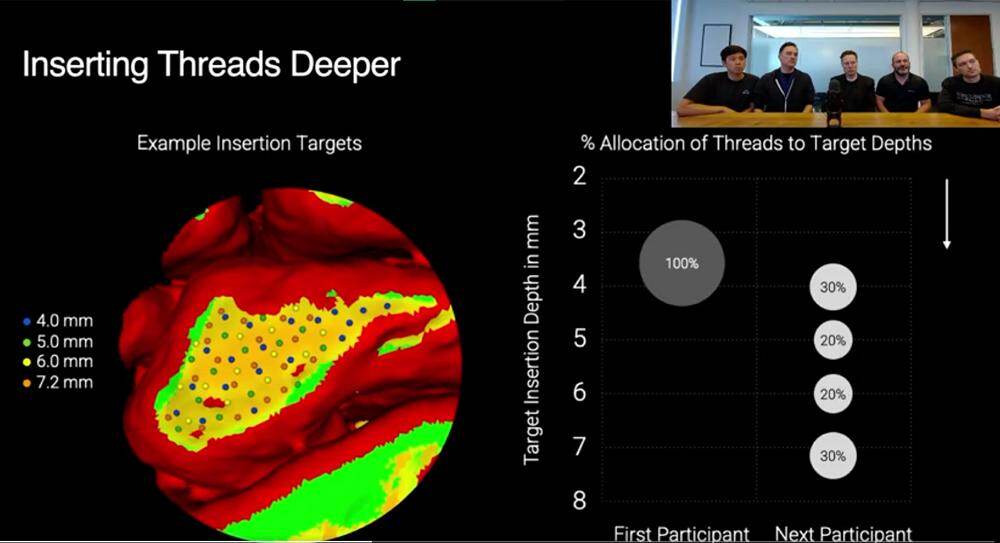
▲ The implantation depth in the second patient was generally greater than that in the first patient (Image source: Neuralink)
02. Patients Learn CAD and Play First-Person Shooter Games Using Brain-Computer Interfaces
Alex lost his mobility due to a spinal cord injury sustained in an accident. Previously, he worked as an automotive technician, responsible for repairing various types of cars and heavy machinery. He is eager to learn how to use CAD (Computer-Aided Design) software to design 3D objects; however, his existing assistive devices do not enable him to perform this task.
On the second day of using the brain-computer interface, Alex successfully used the CAD software Fusion 360 for the first time,and designed a custom stand for his brain-computer interface charger.He 3D-printed the stent and integrated it into his assistive device.
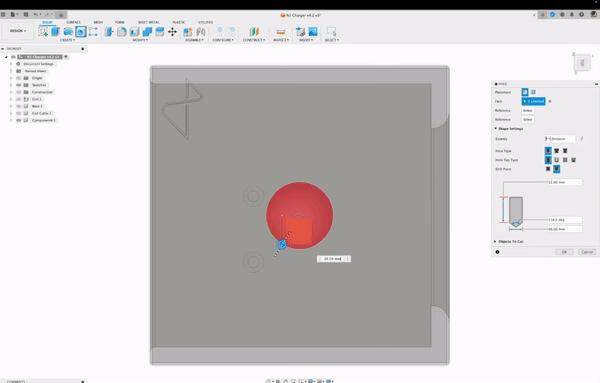
▲Alex uses a brain-computer interface to operate CAD software (Image source: Neuralink)
Currently, Neuralink Corp is helping AlexAchieve Higher-Precision Control, enabling the brain-computer interface chip to distinguish between signals for left-click, middle-click, and right-click mouse actions. This helps Alex use CAD software more efficiently.
Alex also enjoys playing first-person shooter games, which typically require the use of multiple input devices, including two separate joysticks (one for aiming and the other for movement) and a series of buttons.
Previously, Alex used a device namedQuadstickassistive devices to play these games. A key issue with such controllers is that they have only one joystick,Restricted movement and aiming operations.. Switching from movement to aiming requires releasing the joystick, then blowing or sucking through a separate straw to switch functions.
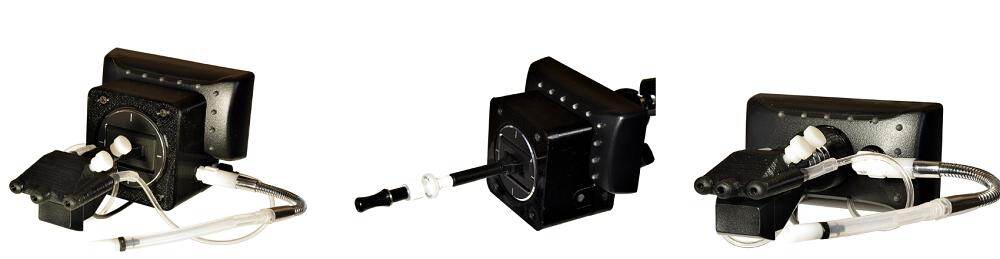
▲Quadstick primarily assists individuals with disabilities in using electronic devices through a mouth stick and pressure-sensitive controller (Image source: Quadstick official website)
Now, Alex can use the brain-computer interface in conjunction with his Quadstick to move and aim simultaneously, unlocking a more intuitive gaming experience.He only needs to imagine in his mind how the game character moves., the brain-computer interface enables him to perform corresponding actions in the game. Judging from the live gameplay footage of Alex playing Counter-Strike 2, the brain-computer interface indeed helped him achieve relatively smooth control.
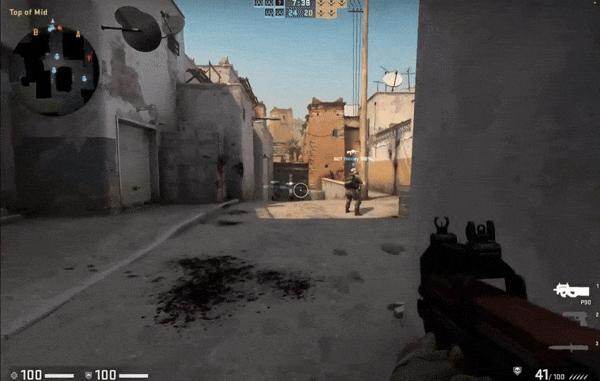
▲Alex plays Counter-Strike 2 using a brain-computer interface and Quadstick (Image source: Neuralink)
03. Conclusion: Brain-Computer Interface Advances Again, Potentially a Boon for People with Disabilities
According to Neuralink, the company is currently working to help patients achieve multiple clicks and simultaneous movement intentions, which will unlock richer mouse and gamepad controls. They are also developing algorithms to recognize writing intentions, thereby enabling more efficient text input.
Elon Musk previously stated on a podcast that, regulatory conditions permitting, Neuralink Corp will conduct eight additional implantations this year. The company aims to leverage brain-computer interfaces to help patients interact with the real world, enabling them to eat independently and move more freely by controlling robotic arms or wheelchairs. This development could prove to be a boon for individuals with disabilities.
Source: Neuralink
This article is from the WeChat Official Account“Zhidx” (ID: zhidxcom), Author: Chen Junda, published with authorization by 36Kr.