

Interview with Zhao Jun, Founder of Xin Yun Life Science and Technology: From "Arrival" to "Insight" — A "Perspective Revolution" Concerning the Future of Cerebrovascular Medicine is Underway
CHIN-WIN Health
Vascular Interventional Device R&D Developer
If the keyword for the development of cerebrovascular intervention over the past two decades was "accessibility" — that is, safely and effectively entering blood vessels through the continuous iteration of access devices; then the underlying logic of industry competition in the next decade will shift to "perception" — that is, how to penetrate the lumen and precisely observe and understand vascular structures.
For a long time, whether it is DSA, CTA, or MR, neurointerventional doctors have always faced a two-dimensional "luminal world": able to see the vascular outline but struggling to reach the truth of the vessel wall; able to assess the degree of stenosis but finding it difficult to identify plaque characteristics; able to perform surgical procedures but unable to verify treatment effects in real time. This limitation of "seeing without comprehending" is not only a hidden concern for clinicians but has also largely restricted the advancement of cerebrovascular interventions toward precision and intelligence.
Today, these clinical challenges are on the verge of a qualitative breakthrough thanks to the advancement of a cutting-edge technology.
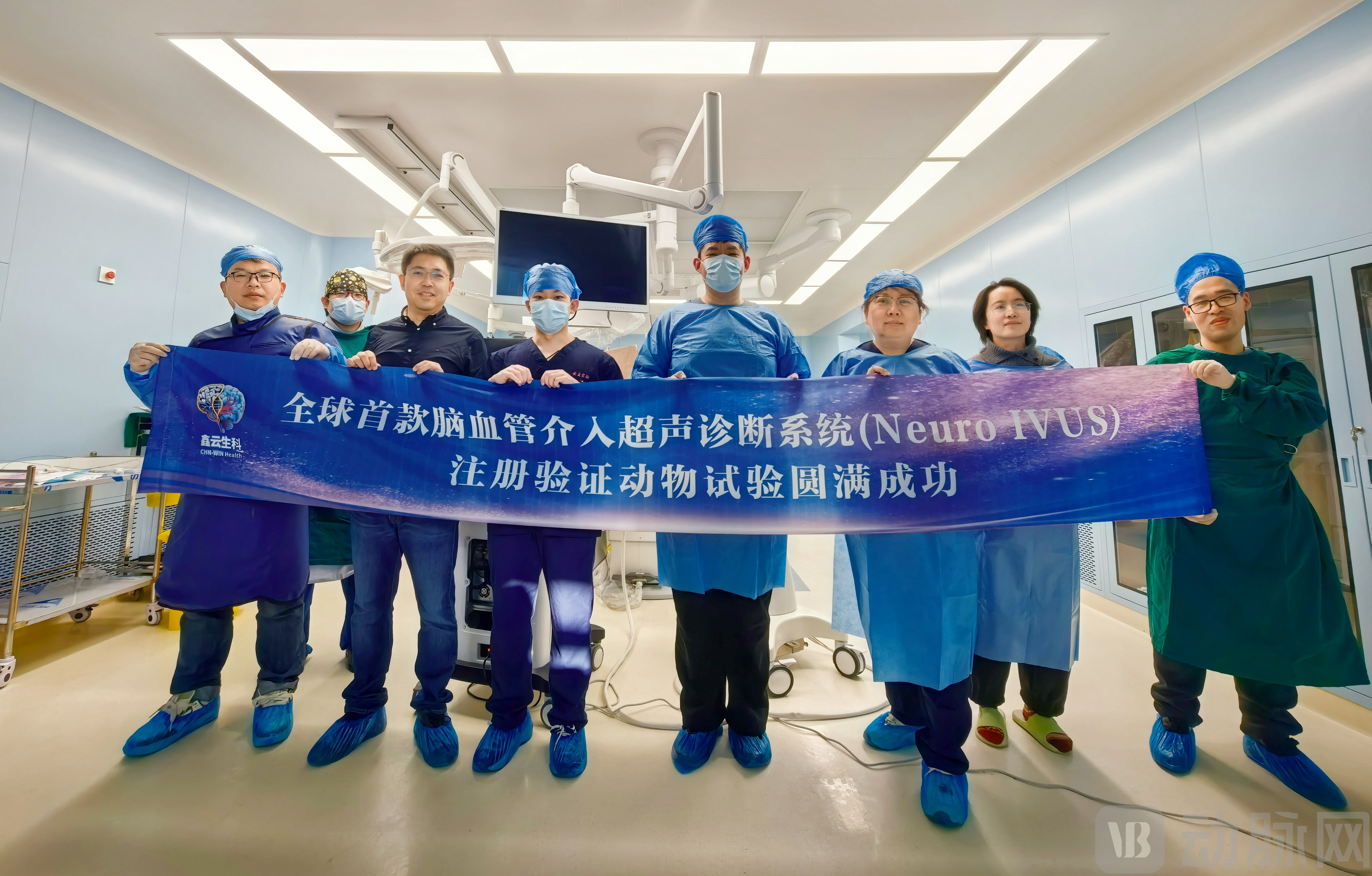
On February 4, 2026, under the care and guidance of Academician Ji Xunming of the Chinese Academy of Engineering, the Chinese Academy of Medical Sciences, and Peking Union Medical College, a clinical medicine team led by the president as the first Principal Investigator (PI), in collaboration with the Institute of Biomedical Engineering of the Chinese Academy of Medical Sciences and Xinyun Life Science Technology (Suzhou) Co., Ltd., successfully completed the first pre-registration animal trial validation of the "world's first cerebral vascular interventional ultrasound diagnostic system (Neuro-IVUS)" in Beijing.(Recommended reading: "Achieving Visualization of Cerebrovascular Walls! The First Cerebrovascular Interventional Ultrasound Diagnosis System (Neuro-IVUS) Completes Pre-Registration Animal Testing")
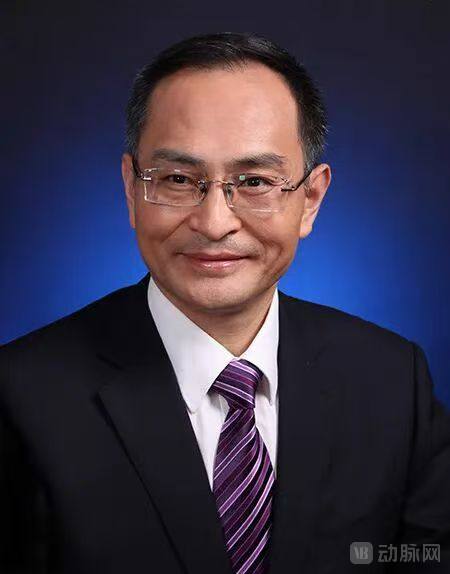
Ji Xunming, Academician of the Chinese Academy of Engineering, President of Peking Union Medical College, Chinese Academy of Medical Sciences
As Neuro-IVUS enters the clinical registration preparation stage, a brand-new technological pathway is on the horizon — cerebral vascular intervention is about to transition from the era of lumen imaging to the era of vascular wall透视. This represents not only a significant breakthrough in China's foundational technology for neuro-intervention but also a profound transformation that could alter the cognitive approach, clinical pathways, and even the industrial structure of neuro-intervention. In the field of coronary intervention, IVUS has already become standard equipment. Will Neuro-IVUS become the standard for cerebrovascular intervention in the future?
As Zhao Jun, founder of Xinyun Life Science, puts it: "A 'perspective revolution' concerning the future of cerebrovascular health is underway."
As the driving force behind this "revolution in透视," Zhao Jun has深耕ed the fields of coronary and neuro-intervention for nearly 20 years. From witnessing the wave of国产化 in interventional devices to identifying盲区 in the precision diagnosis and treatment industry, this舵手, who possesses both敏锐 market insight and资深 industry vision, is leading鑫云生科through a critical产业卡位: using Neuro-IVUS as a支点 to create a new matrix of intelligent applications for vascular interventional devices powered by数字化 artificial intelligence.
Centering on this "Perspective Revolution," VCBeat conducted an in-depth dialogue with Zhao Jun.
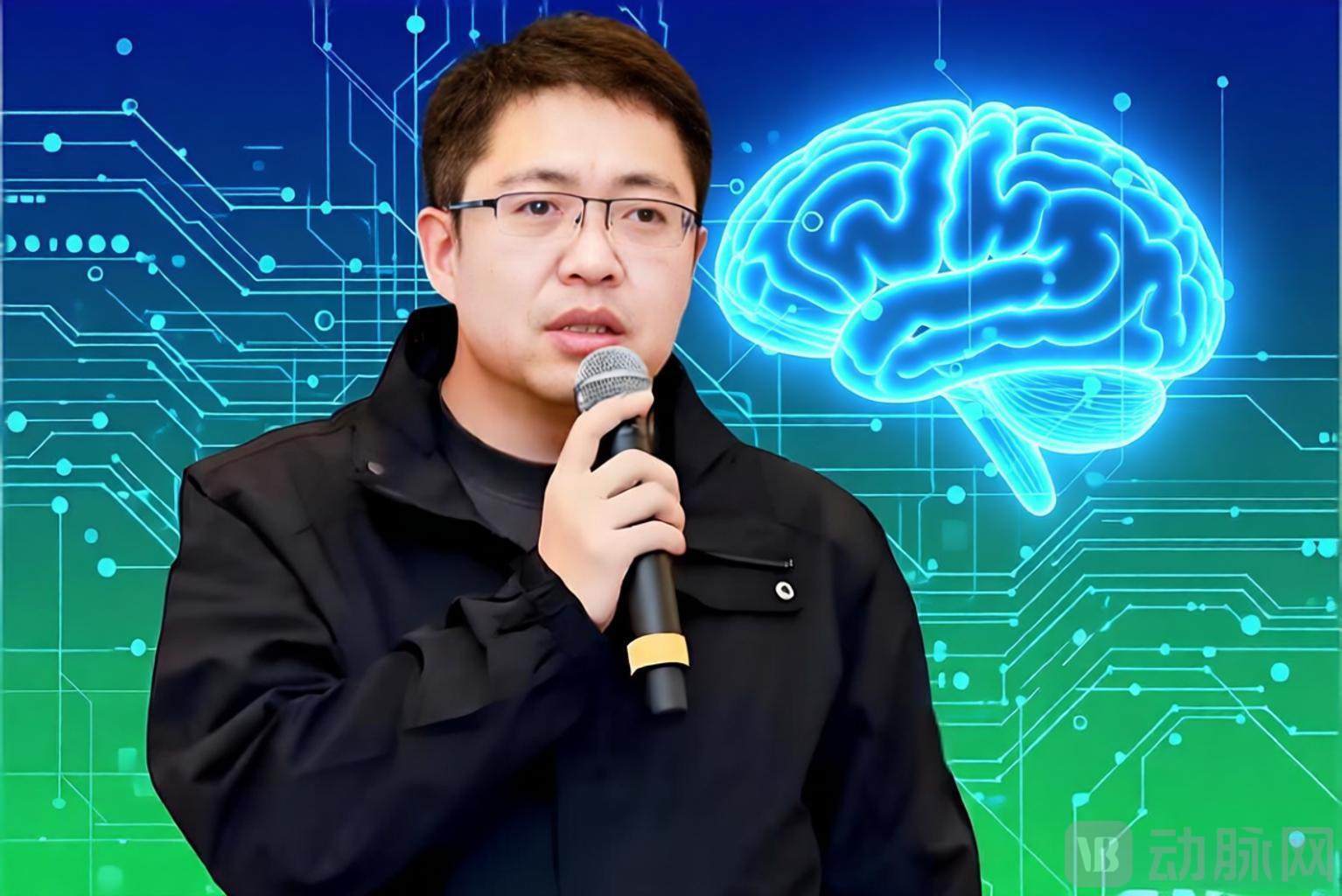
Founder of Xinyun Life Science, Zhao Jun
VCBeat: Recently, Neuro-IVUS successfully completed the first pre-registration animal trial, sparking heated discussions in the industry. You mentioned that "this is a 'perspective revolution' concerning the future of cerebrovascular treatment." Why do you use the term "perspective revolution" to define it?
Zhao Jun:"Revolution" refers to driving fundamental changes in things, causing a leap from old to new qualities. The core of the "Perspective Revolution" lies in breaking the dilemma of traditional imaging equipment that "only sees the lumen but not the vessel wall," allowing doctors to move from "seeing shadows" to "seeing the essence." This represents a fundamental shift in existing treatment models.
Specifically, Neuro-IVUS utilizes an ultra-micro transducer measuring 0.42mm × 0.53mm.Energy Device, AI Vascular 3D Modeling Assisted Diagnosis and Navigation, Paired with the Distal EndA steerable microcatheter for cerebral vascular intervention has achieved 360° high-definition cross-sectional imaging, allowing doctors to directly visualize the microscopic structures of the inner walls of cerebral vessels, plaque thickness, and even the integrity of fibrous caps. This qualitative leap from "seeing outlines" to "visualizing vessel walls" transforms surgeries from being based solely on experience to precision decision-making supported by structural evidence, effectively reducing the risk of stroke recurrence at its source.
At the same time, based on this透视质变 of the inner walls of cerebral blood vessels, Neuro-IVUS also opens up a new dimension for the digital and intelligent transformation of precise diagnosis and treatment of cerebrovascular diseases. It is becoming the core carrier of an AI digital application platform, providing a new path for the integrated commercial transformation of artificial intelligence and interventional diagnosis and treatment.
VCBeat: What role does Neuro-IVUS, as a high-end imaging device, play in the overall strategy of Xinyun Life Science?
Zhao Jun:No, it is far more than just a diagnostic imaging device. Neuro-IVUS is essentially a tripartite digital platform architecture consisting of three units: software, active devices, and instrument consumables, naturally equipped with the conditions for integrated upgrades: the software layer can incorporate AI-assisted diagnosis, intraoperative navigation, voice control, and patient management functions; the equipment layer can be upgraded to angiography or surgical robots; the instrument layer can collaborate with steerable guidewires, microcatheters, dense mesh stents, and self-developed steerable ultrasound catheters. Therefore, Neuro-IVUS is not only a diagnostic system but also a platform or carrier for artificial intelligence digitization in cerebrovascular diagnosis and treatment.
VCBeat: What does this platform-based design mean for business? How will it break through the limitations of the existing medical insurance payment system?
Zhao Jun:Advanced Technologies Require Commercial Pathways for Scalable Application
VCBeat: Looking at the entire field of cerebrovascular intervention, what is the technical positioning of Neuro-IVUS?
Zhao Jun:Currently, cerebrovascular interventional technology is developing rapidly, but most of it still remains in the stage of "how to obtain images" and has not yet entered the deep waters of "how to precisely analyze images." The uniqueness of Neuro-IVUS lies in not only providing high-resolution vascular images but also enabling automatic diagnosis and precise navigation through AI algorithms, allowing doctors to make more accurate treatment decisions based on structural evidence. This deep integration of "imaging + AI + device" makes it not just a diagnostic tool, but also an intelligent treatment platform.
With the increasing national emphasis on stroke prevention and treatment, the integrated fusion of "AI + Imaging + Devices" has become an inevitable trend. The Neuro-IVUS project is scheduled to launch a multi-center clinical trial in Q2 2026, which is expected to fill the global gap in intravascular ultrasound diagnosis and treatment for cerebral vessels. This will enable Chinese companies to not only achieve technological breakthroughs in this field but also gain the authority to define global standards.
Industry-academia integration targets genuine clinical needs,
Building a New Matrix of Intelligent Applications for Vascular Interventional Devices with Digital AI Integration
VCBeat: How did Xinyun LifeTech achieve the "Xinyun Speed" of completing the process from design finalization to animal trials in less than a year since its establishment?
Zhao Jun:The core lies in the triple synergy of leadership guidance, medical-engineering integration, and team execution. Academician Ji Xunming regards "innovation-driven" as the core of new-quality productivity and positions medical-engineering integration as the "innovation engine" in the medical field. He not only points the way for us but also personally guides the design finalization and registration animal trials of Neuro-IVUS, urging us to obtain certification as soon as possible. As the lead principal investigator (PI) of the project, President Ji also teaches us that "the Peking Union Innovation Harbor is a development platform for Chinese cerebrovascular intervention experts and enterprises." Under his leadership, Neuro-IVUS is not just a diagnostic device but also a carrier for the future artificial intelligence and digital human ecosystem in cerebrovascular intervention.
At the same time, the Institute of Biomedical Engineering of the Chinese Academy of Medical Sciences led by Academician Ji provided us with key underlying technical support, and many top clinical experts in China also contributed a significant amount of clinical input. This external wisdom, combined with the joint efforts of the company's internal senior R&D, process, and registration teams, enabled us to quickly achieve a breakthrough with our first product.
VCBeat: In addition to Neuro-IVUS, what other products has Xinyun Life Science Technology (Suzhou) Co., Ltd. laid out?
Zhao Jun:"Xinyun's" name implies "Xin Gathering Instruments, Cloud Aggregating AI". Based on the triple integration features of Neuro-IVUS "software + equipment + instruments", we have completed short, medium, and long-term layouts: AI and digital endpoints for auxiliary diagnosis and intraoperative navigation software; instrument endpoints for guidable microcatheters, ultrasound catheters, and percutaneous venous puncture cerebrospinal fluid shunt systems; active equipment endpoints with Neuro-IVUS as the core, where control devices can be iteratively upgraded to AI-assisted surgical robots. The aim is to create a new matrix and ecosystem that integrates artificial intelligence and digitalization into intelligent applications for vascular interventional instruments.
This layout is not imagined out of thin air but stems from a deep insight into the clinical "bottleneck difficulties" and "genuine needs." The uniqueness of the medical industry dictates that the vitality of a product lies in its ability to truly solve clinical problems. Unlike "tech-oriented" founders, my nearly two decades of industry experience have centered on marketing and product operations, allowing me to more acutely capture the real demands of clients, the market, and channels. Therefore, every product plan at Xin Yun Life Science Technology (Suzhou) Co., Ltd. starts from addressing clinical pain points, considering both the forward-looking nature of technology and the feasibility of implementation.
VCBeat: IVUS has already become the gold standard in the coronary field, but it has been absent for a long time in the cerebrovascular field. What are the underlying bottlenecks to overcome this technology globally?
Zhao Jun:Intracranial cerebral blood vessels have several core characteristics, such as their unique structure, small diameter and thin walls (2-4mm, finer than the 3-6mm of coronary arteries), extremely tortuous pathways, precise blood flow regulation mechanisms, and high susceptibility to damage. These anatomical features present structural challenges for traditional IVUS: oversized catheters may obstruct blood flow or even damage vessels, while overly rigid catheters cannot navigate the tortuous pathways, resulting in two major engineering problems—"inability to advance" and "inability to visualize clearly."
Neuro-IVUS is a systematic breakthrough specifically targeting these pain points.1. Miniaturization and controllability of equipment: We have developed an ultra-miniature transducer measuring 0.42mm x 0.53mm (only half the diameter of a hair), combined with a self-developed 360° torque-controllable microcatheter, ensuring "one-step positioning" in 2mm tortuous vessels. 2. Empowerment through AI and big data algorithms: Although clear imaging can still be achieved at tissue penetration depths of 4-8mm, the use of AI three-dimensional modeling and big data not only renders vascular morphology in multi-dimensional perspectives but also provides more precise imaging support for auxiliary diagnosis and intraoperative navigation.
VCBeat: What unmet market demands currently exist in the field of cerebrovascular intervention? What market opportunity is Neuro-IVUS targeting?
Zhao Jun:Currently, there are about 3 million new cases of stroke each year in China, and the volume of neurointerventional surgeries is growing at an annual rate of 30%. However, the high recurrence rate has always been a pain point in the industry. One of the core reasons is the inability to "see clearly" during surgery — traditional imaging can only display the lumen contour and cannot reveal the nature of internal wall lesions. This often forces doctors to rely on experience rather than precise evidence when determining plaque types, selecting stent models, and evaluating postoperative outcomes.
Neuro-IVUS is precisely the blue ocean entry point driven by "precise imaging," and its value is reflected in three dimensions: surgical safety — making complex surgeries such as carotid artery stenosis and intracranial atherosclerosis (ICAS) controllable and predictable; procedural accessibility — intuitive imaging shortens the learning curve for doctors, promoting the dissemination of technology to grassroots levels; and closed-loop diagnosis and treatment — from preoperative screening to postoperative validation, achieving visualized precision treatment "based on structural evidence."
VCBeat: Clinically, how does Neuro-IVUS address the practical pain points of doctors? Will it change the standard procedure of surgery?
Zhao Jun:With the development of cerebrovascular intervention, clinical needs have evolved from "visibility" and "clarity" to "accuracy." The value of Neuro-IVUS spans the entire treatment process: pre-operation, it can precisely identify vulnerable plaques through vascular fluoroscopy to determine whether intervention is necessary; intra-operation, it evaluates stent apposition and vascular dissection to prevent hidden complications; post-operation, it verifies treatment efficacy in real time. It can be said that Neuro-IVUS is driving neurointervention from "experience-based intervention guided by angiography" toward "precision intervention guided by imaging" — this represents not only a generational upgrade in imaging technology but also a comprehensive enhancement in surgical standards and treatment safety.
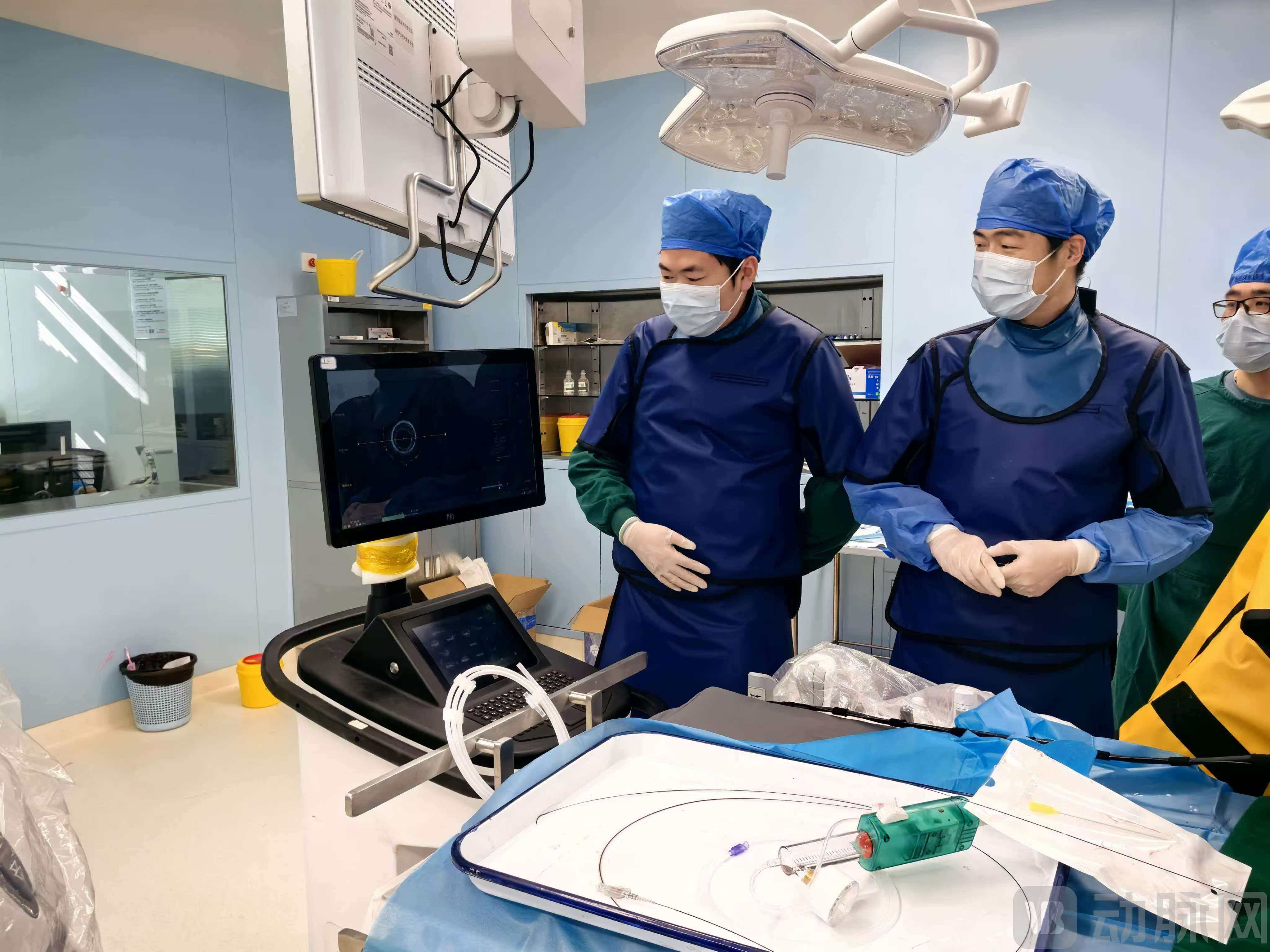
Doctor using Neuro-IVUS, image provided by the company
VCBeat: Can you introduce the percutaneous venous puncture cerebrospinal fluid shunt system of Xinyun Life Science?
Zhao Jun:In the treatment of communicating hydrocephalus, complications caused by open surgical procedures are the core pain point hindering therapeutic improvement. Currently, the main treatment for hydrocephalus involves craniotomy (burr hole) to establish a ventricular pathway combined with abdominal incision for catheter placement. However, the total complication rate within one year after ventriculoperitoneal shunting is 28.6% (including 41.2% of complications at the abdominal end). Open surgical procedures also present the following issues:
Large trauma: Blood loss is approximately 80-200mL. The dura mater needs to be cut open during craniotomy, and abdominal cavity separation may cause additional bleeding due to vascular injury.
Long Cycle: Multiple operation steps, surgery time 90-150 minutes, hospitalization and rehabilitation cycle 7-14 days, and postoperative observation of abdominal drainage (3-5 days) and anti-infection treatment (5-7 days) are required.
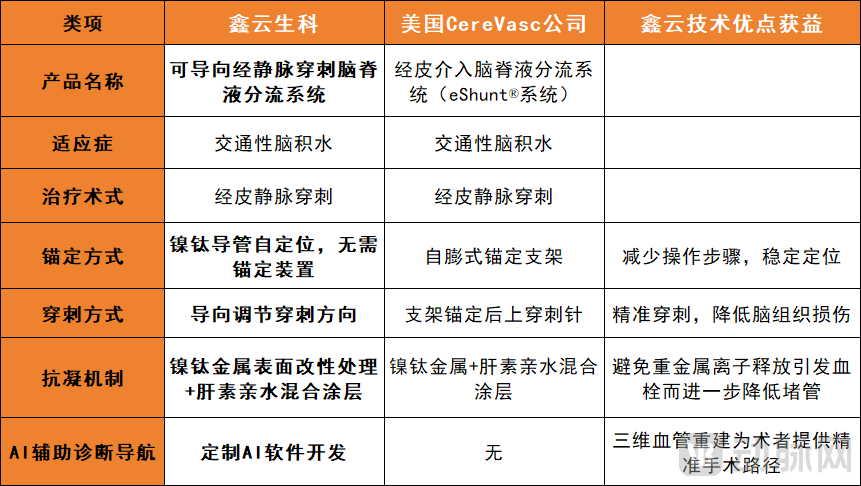
Minimally Invasive Vascular Intervention for Treating Hydrocephalus Shunts Brings Significant Clinical and Patient Benefits. On August 28, 2024, the percutaneous interventional cerebrospinal fluid (CSF) shunt system, eShunt System, developed by CereVasc in the United States, received the "Breakthrough Device Designation" from the U.S. FDA. On February 19, 2025, it was announced that the system successfully passed the special review application for innovative medical devices by the NMPA, entering the "Green Channel" for public announcement. This product is the world’s first percutaneous interventional CSF shunt system. A guidable percutaneous venous puncture CSF shunt system.
Xinyun Lifetech's transdermal venous puncture cerebrospinal fluid shunt system is precisely aligned with this cutting-edge international direction, featuring two major design characteristics: a guidable puncture system and multi-layered anti-coagulation and anti-clogging tubing. Our goal is to create a high-performance, cost-effective, China-produced first transdermal venous puncture cerebrospinal fluid shunt system, filling the gap in China and providing more options for clinical use.
VCBeat: In your view, what role does Xinyun Life Science play in the industry? How do you view the relationship with competitors?
Zhao Jun: I have always believed that in China's vascular intervention field, terms like "competitors" or "suppliers" are somewhat biased. We prefer to view everyone as "peers" and "partners" — each person is making different contributions to the cerebrovascular intervention sector. The industry’s progress requires collective effort, and we welcome collaboration with outstanding partners both within and outside the industry to jointly drive its development.
VCBeat: In the future, how will Xinyun Life Science continue to drive this "transparency revolution" and innovation?
Zhao Jun:Xinyun Life Science's goal is not only to create a product but also to drive the entire industry from "empirical medicine" towards "precision medicine," "intelligent medicine," and "digital medicine." Chinese companies already possess the ability to challenge global technological blind spots and achieve "overtaking on a different track."
We are looking for like-minded partners—whether clinical experts, industrial capital, or technical talent—we welcome you to join hands with us and together launch this "透视生命" revolution!